By Olaolu Fawole
For thousands of years, honey has been revered not only as a natural sweetener but also as a powerful medicinal tool.
Today, as modern medicine faces challenges such as antibiotic resistance, this ancient remedy is making a strong comeback, especially in wound healing.
Honey’s reputation as a healing agent can be traced back to ancient civilizations, where it was used in various forms to treat a wide array of ailments, including wounds, infections, and digestive issues.

In ancient Egypt, honey was used both for medicinal purposes and embalming.

The Ebers Papyrus, one of the oldest known medical texts, lists honey as a key treatment for infections and wounds.
Egyptian physicians even applied honey to the wounds of soldiers returning from battle to prevent infections.
The Greeks and Romans also saw honey as an essential component of their medical practices.
The great physician, Hippocrates, often called the father of modern medicine, prescribed honey for wound healing and for conditions like ulcers and coughs.
Similarly, Roman soldiers carried honey to use on the battlefield for treating injuries.
Meanwhile, in Traditional Chinese Medicine and Indian Ayurveda, honey was considered a vital remedy for a wide variety of conditions, from skin diseases to respiratory ailments.
Honey was viewed not only as a food but as a natural healer.
The Power of Honey in Healing
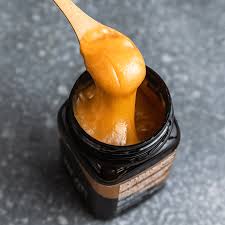
Honey, such as the Manuka honey is known for its natural antibacterial properties.
It contains hydrogen peroxide and other compounds that inhibit bacterial growth, which makes it highly effective for preventing wound infections.
Also, honey’s ability to maintain moisture on the wound surface promotes faster tissue regeneration.
Keeping a wound moist helps accelerate the healing process and reduces scarring. Honey reduces inflammation and swelling, which can alleviate pain and discomfort associated with injuries. It promotes the growth of new tissue.
The use of honey for medicinal purposes is not confined to any single region. In Africa, honey has been used in traditional medicine for generations, particularly for treating wounds, sore throats, and stomach issues.
As modern science has advanced, honey’s role in healing has only grown more relevant.
The rise of antibiotic-resistant bacteria and growing interest in natural remedies has brought honey back into the spotlight as a potential alternative or adjunct to conventional treatments.
Modern Scientific Validation
The health benefits of honey have been validated by contemporary research. Studies have confirmed that honey’s high content of flavonoids, phenolic acids, and other antioxidants makes it highly effective in wound care.
In fact, medical-grade honey is now widely used in hospitals to treat chronic wounds, burns, and surgical site infections.
Manuka honey, in particular, has gained global attention for its superior antibacterial properties, which are believed to come from methylglyoxal (MGO), a compound found in high concentrations in this variety of honey.
How to Use Honey for Wound Care
While honey can be a powerful tool for wound healing, it’s important to use it properly.
Medical-grade honey should be used for more serious injuries, especially in clinical settings.
However, for minor cuts and burns, pure honey can be applied directly to the wound.
A Call for Caution
Despite its many benefits, honey should be used with care. It is not suitable for treating deep or serious infections without the guidance of a healthcare professional.
Individuals with allergies to bee products should avoid honey. Furthermore, infants under one year old should not be given honey due to the risk of botulism.
Honey’s enduring role in medicine highlights the value of traditional remedies in today’s world. Its scientifically-backed properties are now being rediscovered and utilized in hospitals and clinics worldwide.
Whether used as a natural treatment for minor wounds or as part of more advanced medical practices, honey remains a testament to the healing power of nature.
In an era where people are increasingly turning to alternative health solutions, the humble honey bee continues to offer a sweet, powerful remedy with deep roots in human history.