By Titilayo Kupoliyi
Sloths are mammals, which belong to the order Pilosa, which also includes anteaters.
Sloth is called Edun in Yoruba, while in Igbo language, a sloth is not referred to by a specific word as in many other languages. Instead, the term “agwu” is used to describe a creature with the characteristics of a Sloth.
While it is known as Rashi among the Hausas.
Sloths are classified into two families: Megalonychidae (two-toed sloths) and Bradypodidae (three-toed sloths).
Sloths share characteristics of other mammals, such as having fur, giving birth to live young, and nursing their offspring.
Two-toed sloths belong to the Megalonychidae family, while three-toed sloths belong to the Bradypodidae family.
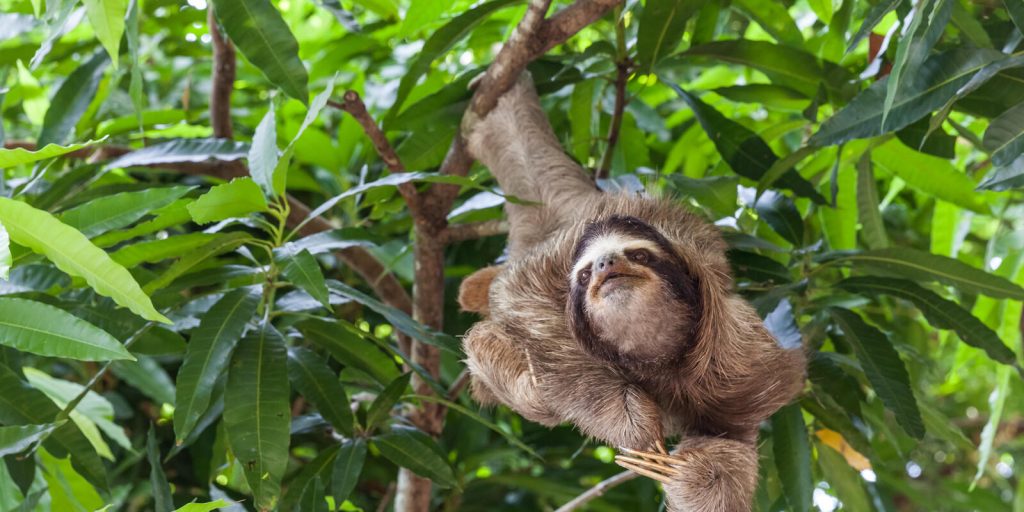
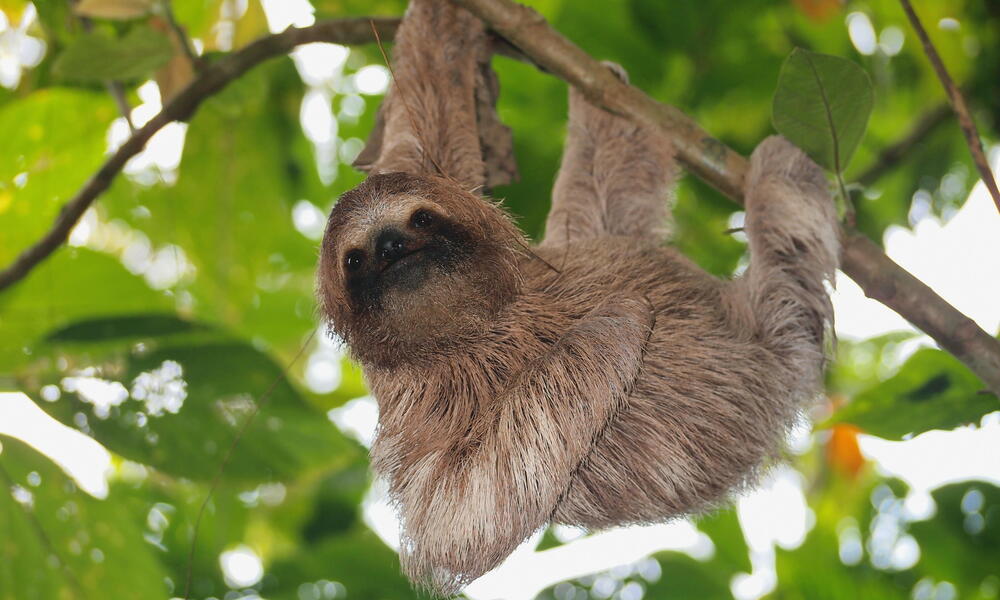
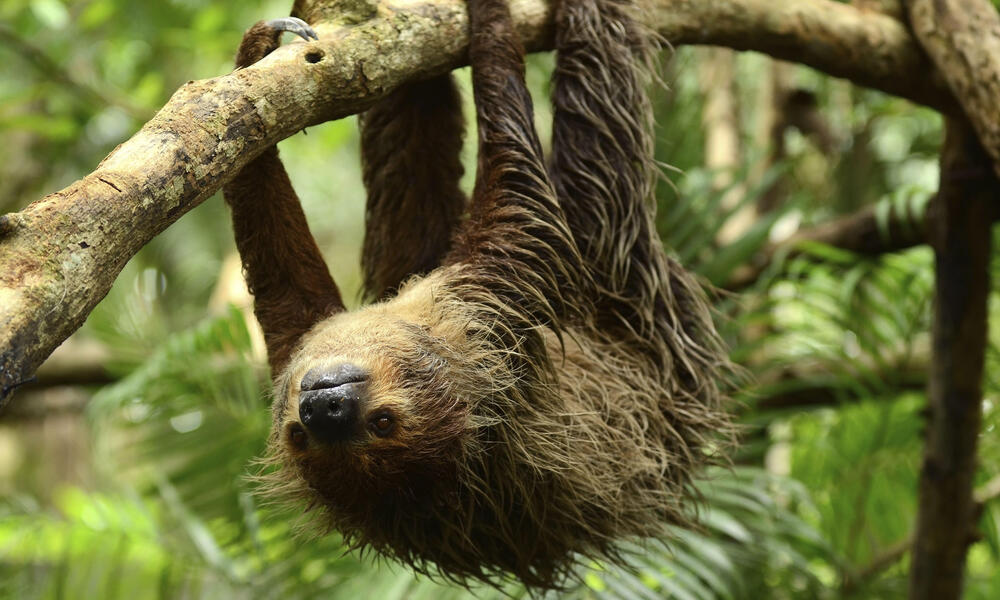
They also have unique adaptations, such as their long, curved claws and shaggy fur.
Sloths are unique among mammals due to their extremely slow metabolism, specialized digestive system, and symbiotic relationship with algae in their fur.
They also have a unique neck structure that allows for a wide range of head movement and have poor eyesight, relying on other senses like smell for navigation.
Sloths are the undisputed pull-up world champions from the moment they are born.
They are able to lift their entire body weight upwards with just one arm.
Not only that, sloths have 30% less muscle mass than similar sized mammals and are over three times stronger than the average human.
All modern day sloths are tree-dwelling, suspensorial mammals, spending most of their lives hanging motionless or slowly moving between tree branches using their long, curved claws.
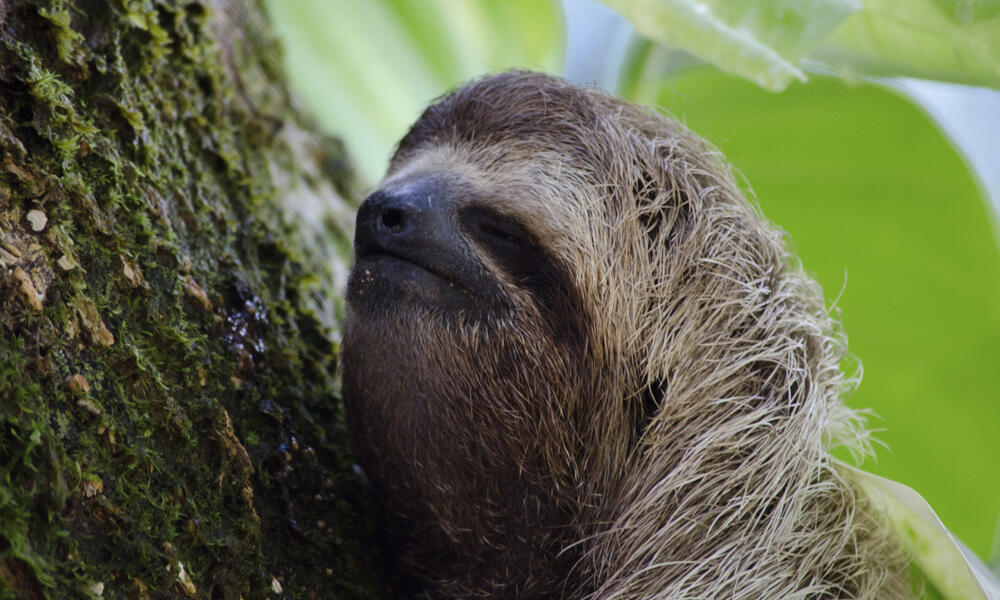
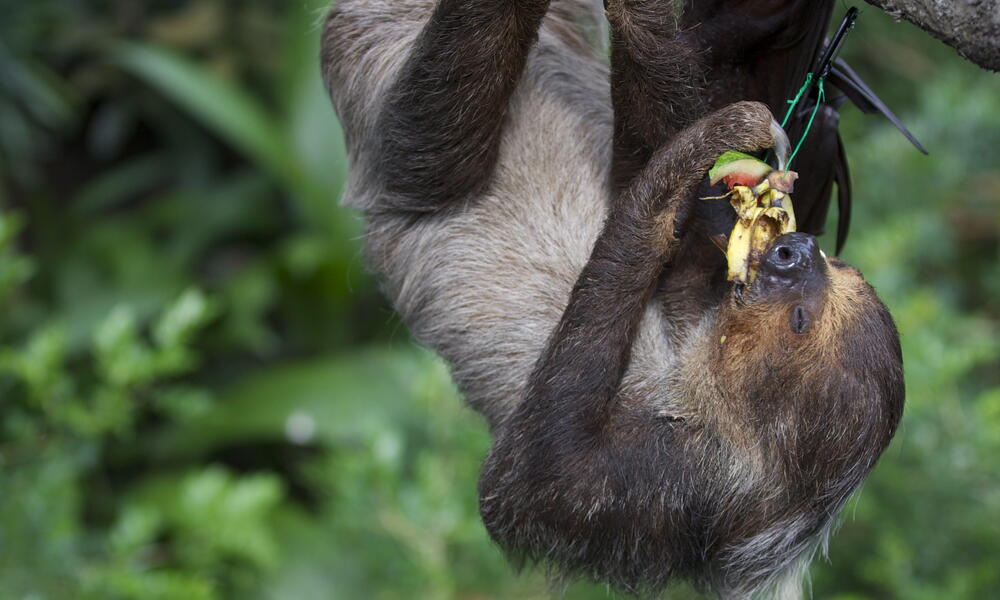
Everything from feeding, sleeping, resting to mating and giving birth happens in the trees.
Here are some Uniqueness about the Sloths
Sloths are indeed known to sleep a lot, often spending up to 18-20 hours per day snoozing.
They are perfectly adapted to their environment, and their laid-back lifestyle is quite endearing.
Slow Metabolism and Digestive System:
Sloths have the lowest metabolic rate of any mammal, meaning they digest food very slowly, often taking days to process a single meal.
They have a large, multi-chambered stomach adapted for digesting tough, fibrous leaves. This slow metabolism and large stomach are adaptations for a diet primarily consisting of leaves, which are low in calories and difficult to digest.
Simbiotic Fur:
The fur of sloths is unique in that it harbours a symbiotic relationship with algae, which live within the fur and can even provide the sloth with essential nutrients.
The algae also helps camouflage them by giving their fur a green hue, especially in the rainy season.
Poor Eyesight and Reliance on Other Senses:
Sloths have poor eyesight and are colorblind, making it difficult for them to navigate their arboreal environment. They rely on their strong sense of smell and spatial memory to find their way around.
Unique Neck Structure:
Sloths, particularly three-toed sloths, have an extra vertebrae in their neck, allowing them to turn their heads almost 360 degrees, a unique adaptation for monitoring their surroundings.
Arboreal Adaptations:
Sloths are highly adapted to life in the trees. They have strong muscles and limbs, and their fur provides insulation and protection in their arboreal habitat.
Low Body Temperature:
Sloths have a relatively low body temperature compared to other mammals, and their metabolism slows down when they are cold.
Defecation Habits:
Sloths only defecate once a week, typically on the ground, which may be related to their slow metabolism and energy conservation.
Sloths are the undisputed pull-up world champions from the moment they are born, sloths are able to lift their entire body weight upwards with just one arm.
Not only that, but sloths have 30% less muscle mass than similar sized mammals and are over three times stronger than the average human.
www.worldwildlife.org
Subscribe to our Telegram and YouTube Channels, and also join our WhatsApp Update Group.