By Maxwell Oyekunle
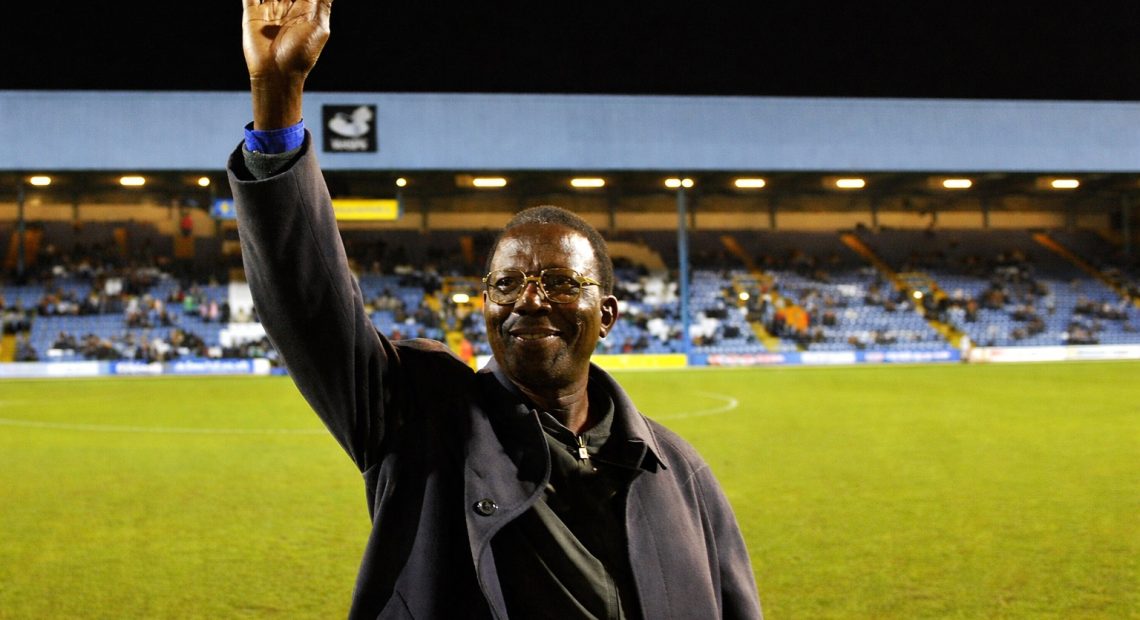
Festus Onigbinde was one of the most influential figures in the development of modern football in Nigeria and a respected technical authority in African football.
Renowned as a tactician, educator and sports administrator, his career spanned several decades, during which he contributed significantly to the growth of football in Nigeria and across the continent.
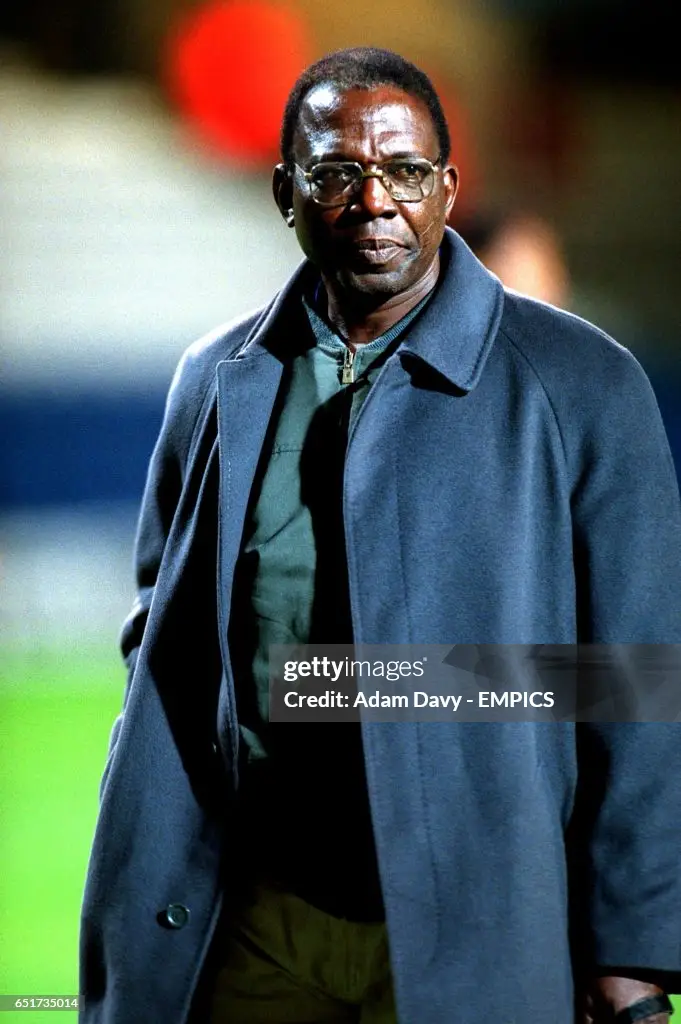
March 26, 2002
Adegboye Onigbinde, Nigeria Coach (Photo by Adam Davy/EMPICS via Getty Images)
Born in 1937, Onigbinde began his involvement in football as a player before transitioning into coaching, where he built a reputation for discipline, tactical organisation and emphasis on youth development.
His coaching career was closely associated with Shooting Stars Sports Club of Ibadan, one of Nigeria’s most successful football teams.
Under his leadership, the club became a dominant force in Nigerian football and earned continental recognition, helping to elevate the profile of club football in the country.
Onigbinde’s most historic contribution came when he became the first indigenous Nigerian to coach the national team, Nigeria national football team, serving between 1983 and 1984 at a time when foreign coaches largely dominated the role.
His appointment marked a turning point for local coaching development in Nigeria.
Nearly two decades later, he returned to the national team and led Nigeria to qualification for the 2002 FIFA World Cup in South Korea and Japan, marking his second tenure as Super Eagles coach.
Though the team did not progress beyond the group stage, his tenure emphasised discipline, technical organisation and the promotion of domestic players.
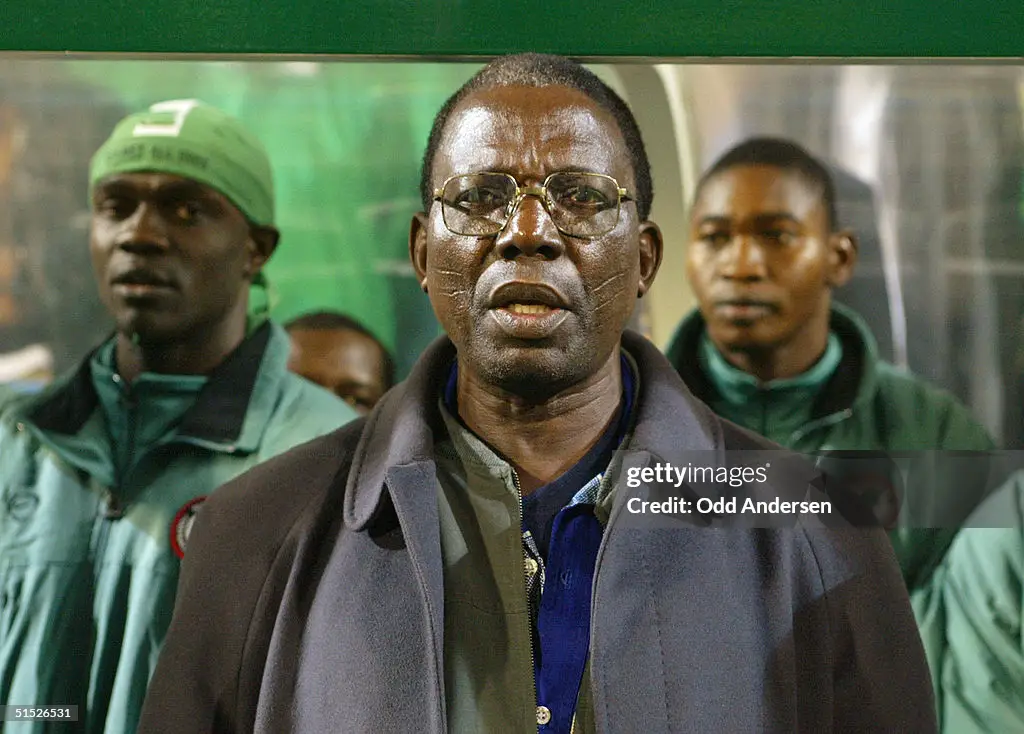
Beyond the touchline, Onigbinde played a significant role in football governance and technical development at continental and global levels.
He served as a Technical Instructor and Coaching Educator for the Confederation of African Football (CAF), where he was involved in training and mentoring football coaches across Africa.
He was also appointed as a member of the Technical Study Group of FIFA, a body responsible for analysing matches and providing technical insights during major international tournaments.
In addition, he served as a CAF Technical Committee member, contributing to policy discussions and development strategies for football on the continent.
Within Nigeria, Onigbinde also played advisory roles in sports administration and was widely respected as a football scholar who advocated structured planning, technical education for coaches and stronger grassroots development.
Outside football administration, he remained active in community leadership and traditional institutions as a High Chief of Modakeke in Osun State, combining his influence in sports with community service and youth development.
Throughout his lifetime, Festus Onigbinde remained a strong advocate for professionalism, discipline and indigenous expertise in football management.
His legacy endures as one of the pioneers who helped lay the technical and administrative foundations of Nigerian football and contributed to the broader development of the game in Africa.
Career Dateline: Major Achievements of Festus Onigbinde
1937 – Born in Nigeria; later rose to become one of the country’s most influential football tacticians and administrators.
1970s – Began building his reputation in Nigerian club football as a coach and technical strategist, particularly with Shooting Stars Sports Club, helping the club establish itself as a dominant force in Nigerian football.
1983–1984 – Appointed first indigenous coach of the Nigeria national football team, breaking the long-standing reliance on expatriate coaches and marking a major milestone in Nigeria’s football history.
1980s–1990s – Served in various technical and advisory capacities in Nigerian football, mentoring coaches and advocating for the development of structured grassroots programmes and local technical expertise.
1990s – Became a Technical Instructor for the Confederation of African Football (CAF), training and mentoring football coaches across Africa and contributing to coaching education programmes on the continent.
1990s – Appointed member of the Technical Committee of Confederation of African Football, contributing to policy discussions and technical development strategies for African football.
Late 1990s–2000s – Served as a member of the Technical Study Group of FIFA, where he participated in the technical analysis of international tournaments and helped shape coaching insights and tactical studies used globally.
2001–2002 – Reappointed coach of the Nigeria national football team and successfully guided Nigeria to qualification for the 2002 FIFA World Cup in Korea and Japan.
2000s – Continued to serve as a respected football educator, technical analyst, and sports administrator, advocating professionalism, long-term planning and grassroots football development in Nigeria.
Later Years – Recognised as a High Chief of Modakeke, Osun State, combining traditional leadership with youth and sports development advocacy.
Legacy
Festus Onigbinde is remembered as:
- Nigeria’s first indigenous Super Eagles coach
- A CAF coaching instructor and football educator
- A member of FIFA’s Technical Study Group
- A mentor to generations of African coaches
- One of the pioneers of indigenous football management in Nigeria
His contributions helped establish the credibility of Nigerian coaches and strengthened technical development within African football.
Follow us on Telegram and YouTube, and join our WhatsApp Update Group for more updates.