By Olutola Daramola

In many of Nigeria’s bustling cities, mountains of waste usually pile up on the streets, roadsides and in drains, creating pollution and public health risks.
But amid the trash, a growing number of people are turning refuse into opportunity—sifting, collecting, and selling recyclables—and in the process, reshaping both their livelihoods and the country’s approach to waste management.


Nigeria is regarded as the largest producer of solid waste in Africa, generating an estimated 32 million tonnes of waste annually, with only about 20 to 30 per cent effectively collected and managed.
Across many cities, heaps of refuse often litter streets and block drainage channels, contributing to the already huge environmental pollution problem.
However, the situation has gradually changed as waste recycling activities have begun to reshape the way refuse is handled.
In many residential and commercial areas, individuals now search through refuse bins in search of recyclable materials.
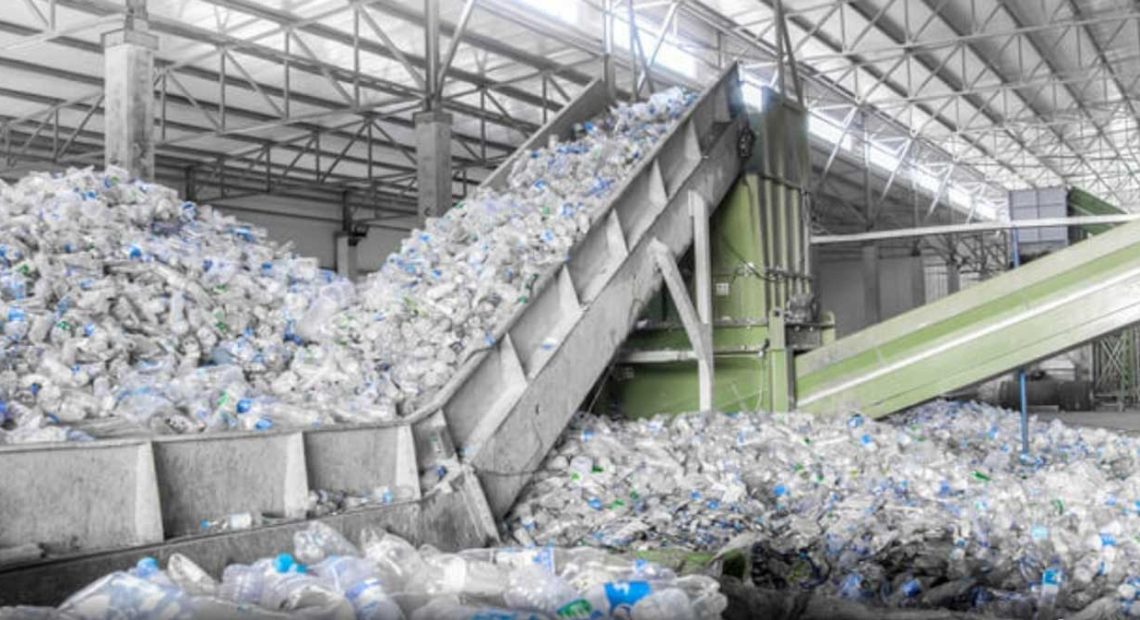
Often carrying sacks on their backs or in their hands, they sift through waste to pick plastic bottles, metal scraps, cartons, cans and other reusable materials which are later sold to recycling companies.
These waste collectors are known by different names in various communities, including scavengers, Iron Condemn, Baba Onipoti and Sagolo Sago.
Previously regarded largely as a menial occupation dominated by men, the waste recycling business is now attracting increasing participation from women, as more people turn to it as a source of livelihood that requires no formal educational qualification.
For an Accounting graduate, Mr Ahmed Sodiq, the venture began reluctantly after he struggled to secure employment and was introduced to the scrap business by a friend.
Over time, the work developed into both a passion and a viable means of income.
Mr Sodiq described his experience in the scrap industry as challenging but financially rewarding and encouraged young people to consider recycling rather than remaining idle while searching for white-collar jobs.
Experts say the recycling sector offers significant economic opportunities for both individuals and the government through employment creation and income generation.
A recycling entrepreneur in Ibadan, Mr Toyese Esan, who operates a recycling plant employing 52 workers, noted that the industry has the potential to address several environmental and economic challenges facing the country.
Mr Esan, who has been involved in the recycling business for about ten years, called on the government to pay greater attention to the waste management sector, noting that it could help tackle unemployment while improving environmental sanitation.
Some experts also recommend that households support recycling efforts by separating recyclable materials from other waste and delivering them to recycling plants as part of efforts to achieve a zero-waste environment.
Edited by Maxwell Oyekunle
Follow us on Telegram and YouTube, and join our WhatsApp Update Group for more updates.