By Titilayo Kupoliyi
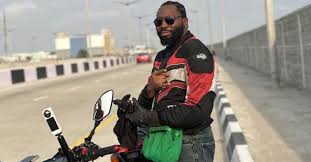
A promising young man, Kolapo Orowale, met his untimely death on Sunday, March 1st, 2026 along the Ibadan-Lagos Expressway.
Popularly known as Kola Onifoto, Orowale was a popular Nigerian documentary photographer, travel enthusiast, and brand influencer who gained fame for his street photography.
He died during his first solo interstate trip.
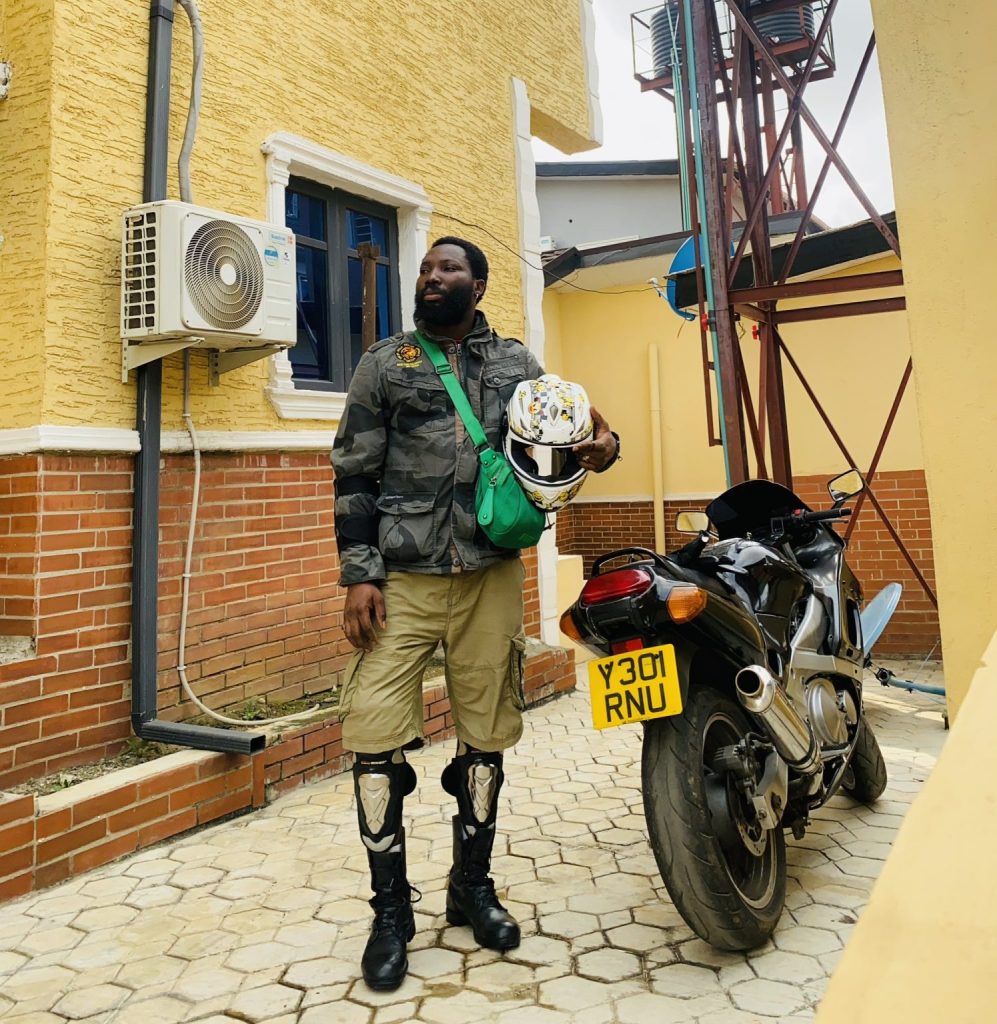
To him, biking was more of an exploration and his first solo long ride from Lagos to Akure, which was a familiar task usually hopped on by many riders, ended in tragedy as he was returning to Lagos State.
Beyond this painful loss highlights a larger issue that can no longer be ignored.
That is, the high increase in power bike fatalities on Nigerian roads.
In recent years, power bike riding in Nigeria has gained popularity and it has transitioned from what was once seen as a thing of interest into a visible subculture.
Vibrant riding clubs focusing on safety, stunt riding, and social camaraderie are expanding.
With major groups including the prestigious 09 Bikers in Abuja, the Ace Bikers Club, and the Nigerian Motorcycle Diaries, functioning under the umbrella of the Superbike Clubs Association of Nigeria (SCAN).
In the last 10 years, it has become fashionable for Nigerian ‘big boys’ to use superbikes, popularly called power bikes, as symbols of class.
With loud sound from the exhaust pipes of the power bikes to draw attention, it is common to see these young men on the streets of Lagos, Abuja and other cities.
The bikes move at top speed, as much as 350 km/h, to the fascination or shock of other road users.
Not that the bikes are more expensive than an average car, but it appears the men enjoy the attention or it is just plain hobby.
Some high-capacity power bikes, designed to reach extraordinary speeds within seconds, now share roads with commercial buses, trucks, and commuters.
However, regulation has not evolved at the same pace as the machines themselves.
Nigeria’s lead government agency responsible for road safety administration, the Federal Road Safety Corps (FRSC), since its inception in 1988, has aimed to create a safe environment for vehicles across Nigerian highways through traffic laws and regulations, public education, vehicle registration, and driver’s license registration.
However, over the years, these enforcement strategies have been more focused on commercial transport vehicles and low-capacity motorcycles, leaving out high-capacity private bikes, despite the associated risks.
The dangers that come with riding power bikes are far beyond imagination; they are real and have happened on different occasions.
They have been proven by real accidents and severe injuries sustained by the riders.
Long before Kola Onifoto’s death, Nigeria had witnessed high-profile accidents that involved high-capacity motorcycles.
One of the incidents involved Yusuf Buhari, son of the late former President Muhammadu Buhari, who sustained a fractured limb and head injury while riding a power bike at high speed around the Gwarimpa Area of Abuja.
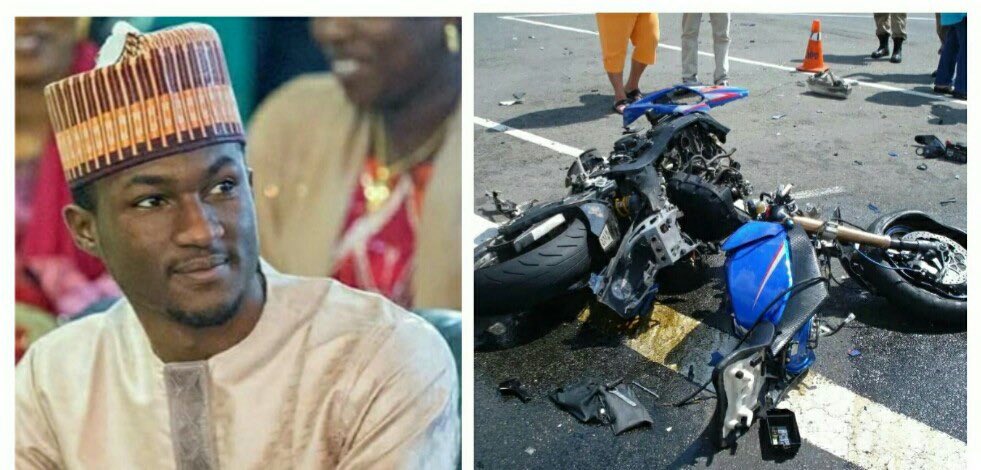
He later underwent an emergency surgery and medical care overseas and recovered weeks later.
Unfortunately, many were not lucky to survive the accident.
Mohammed Dalhatu, first son of former minister of Power and Steel, Bashir Dalhatu died October 1, 2012 in a power bike accident on his way to Abuja from a biker’s convention in Uyo, Akwa Ibom State.
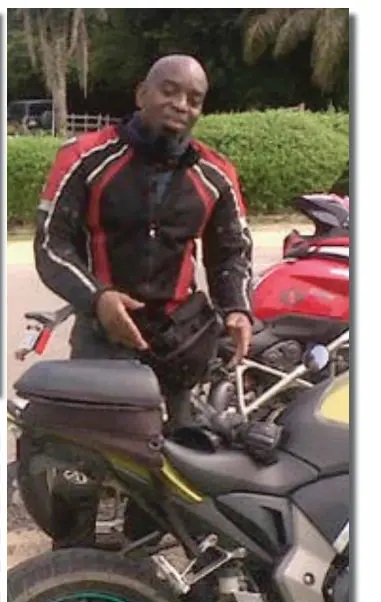
Another popular Abuja-based biker, Ishaku Joseph, known as Shagzy or Shakzy, died on Sunday, February 1, 2026, following a fatal accident while participating in a biking event in Abuja.
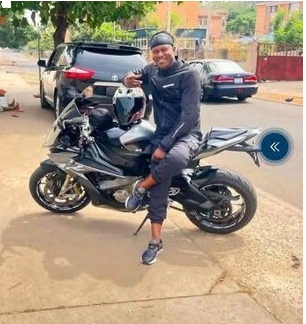
A lot of riders strongly invest in safety gear and training, but the real issue is that most environments in Nigeria are not designed to manage the high-speed machinery. The consequences are always critical, and in most cases, often fatal.
Ensuring power bike riders are safe while riding begins with deliberate precautions and policies taken by the Federal Road Safety Corps, FRSC.
The FRSC is positioned to come up with initiatives and enforce measures that can greatly reduce the rate of fatalities involving high-performance motorcycles.
The mandatory use of certified safety gear by power bike riders is one of the important regulations that should be enforced.
However, this does not mean that riders do not use protective equipment. While riders invest in this equipment, the FRSC has a critical role to play to formalize clear requirements that mandate power bike riders to use internationally certified helmets, armoured riding jackets, reinforced gloves, protective trousers, riding boots, and reflective visibility gear.
Enforcing speed limits for power bikes is another key action that can be taken. Power bikes are designed for rapid movement and can easily exceed highway speeds.
In light of this, the FRSC can start from adopting modern speed detection systems, which include highway speed cameras and very strict penalties for riders who break speed regulations.
Introducing a special licensing framework for power bikes could also go a long way in improving safety outcomes.
Bikers should be allowed to use a procedural licensing system that matches their skills with the capacities of their bikes. The FRSC may develop a system that requires riders to gain first-hand experience by riding lower-capacity bikes before graduating to using high-capacity power bikes.
Rider training and certification programmes are another policy that needs to be structured. The FRSC could join efforts with biker associations and training organizations to constitute a proper and effective riding course, specially designed for power bike riders, with commensurate licensing.
By implementing and enforcing strict biking regulations, it is safe to say that the FRSC can reduce the accidents associated with power biking and create a safer road environment for all users.
As the popularity of high-capacity motorcycles continues to grow in Nigeria, proactive regulation will be essential in preventing further tragedies on Nigeria roads.
Follow us on Telegram and YouTube, and join our WhatsApp Update Group for more updates.