Foreign

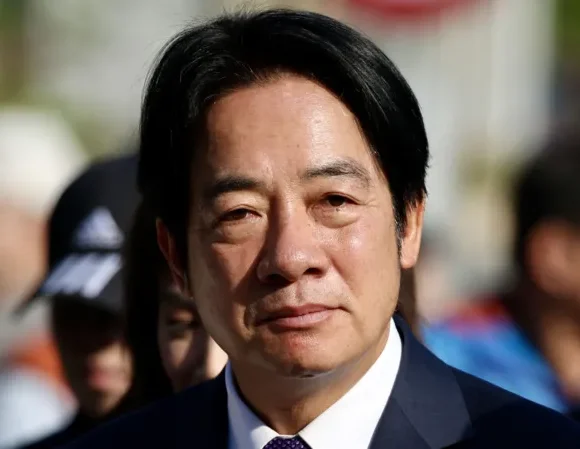
Taiwan President Lai Ching-te has cancelled a trip to the southern African nation of Eswatini, accusing China of putting pressure on other countries to bar his aircraft from flying over their territories.

Seychelles, Mauritius and Madagascar revoked Lai’s flight permits after “intense pressure” and economic coercion from China, said a Taiwan official. China denied coercion, while praising the three Indian Ocean nations saying it had “high appreciation” for them.

According to report this was the first publicly known instance where Taiwan’s leader had to cancel a trip due to revoked flight permits.

Eswatini is one of 12 nations which are diplomatic allies of Taiwan and the only one in Africa.

According to news agency Reuters, Seychelles and Madagascar said they took the decision because they did not recognise Taiwan.

Taiwanese officials claimed that the three African countries revoked the flight permits “unexpectedly and without prior notice”.

China adhered to the “one China” principle in which Beijing asserted sovereignty over Taiwan, though many in Taiwan consider themselves to be a sovereign nation.

Beijing sees the self-governed island as a breakaway province that will eventually be part of the country, and has not ruled out the use of force to achieve this.

The Chinese government has been vocal in its dislike of Lai, whom it has previously described as a “troublemaker” and a “destroyer of cross-strait peace”.

In a statement on X, Lai criticised China’s “coercive actions”, saying that it “exposed the risks authoritarian regimes pose to the international order”.

“No amount of threats or coercion will shake Taiwan’s resolve to engage with the world.”

The government of Eswatini, formerly known as Swaziland, said it was regrettable that Lai was unable to visit, but that this would not “change the status of our longstanding bilateral relationship”, according to reports.

Lai was due to spend 22 to 26 April in Eswatini to attend celebrations marking the 40th anniversary of King Mswati III’s accession and the king’s birthday.

Taiwan said that, a special envoy will be appointed to attend the celebrations on Lai’s behalf.

At a press briefing on Wednesday, a spokesperson of the Taiwan Affairs Office of the State Council said Beijing “appreciated the position and actions of the relevant countries in upholding the one-China principle”.

Follow us on Telegram and YouTube, and join our WhatsApp Update Group for more updates.

BBC/Taiwo Akinola

Foreign

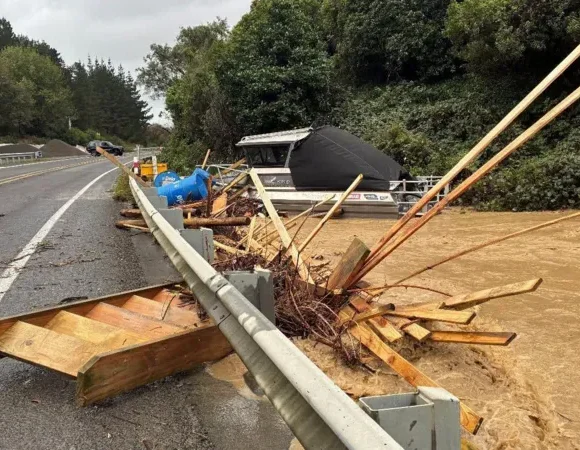
New Zealand has declared a state of emergency in its capital city, Wellington as torrential rain and flash flooding drenched the country’s North Island.

Footage online shows vehicles submerged, trees uprooted and houses hit by landslides. Wellington received a record 77mm (3in) of rain in less than an hour on Monday, said mayor Andrew Little.

Local authorities advised residents to hunker down, with rain forecast for the next day and a half.
Some flights at Wellington Airport have been cancelled and several schools have shut their campuses.

More than a dozen people have been evacuated while a 60-year-old man in the Karori suburb has been reported missing. No fatalities have been reported so far.

This series of flash floods comes less than a week after Cyclone Vaianu swept through the North Island last weekend.

Research over the years have shown that climate change has made extreme weather events, including floods, more common and more intense around the world.

“The wild weather continues. We’ve had flooding, slips and evacuations.
The flooding has been strong enough to move cars, and many manhole covers have been lifted,” Little said in a video published on his Facebook page.

In the suburb of Kingston, a resident told Radio New Zealand (RNZ) that he had tried to escape on the back of his neighbour’s motorbike after a landslide buried a nearby road in the early hours of Monday.

“It’s definitely a big event,” he said. “You wouldn’t have wanted to be under it, it wouldn’t have been survivable.”

Another resident in the suburb of Mornington said his garden had been “inundated with water, you couldn’t see the grass or anything”. There was a “huge deluge, flow, river in fact, flowing through the garden”, he told RNZ.

Mark Mitchell, the minister for emergency management and recovery, said they were expecting the “worst of the weather” later on Monday evening.

“If you are in the Wellington region, be prepared,” he said in a post on Facebook. “If you are going to evacuate make those decisions early and keep yourself updated with information.”

The emergency management office for the Wellington region has advised residents to cut or delay all non-essential travel, and for those residing in low-lying or flood-prone areas to consider relocating to their friends’ and families’ for at least the next 24 hours.

BBC / Titilayo Kupoliyi

Foreign

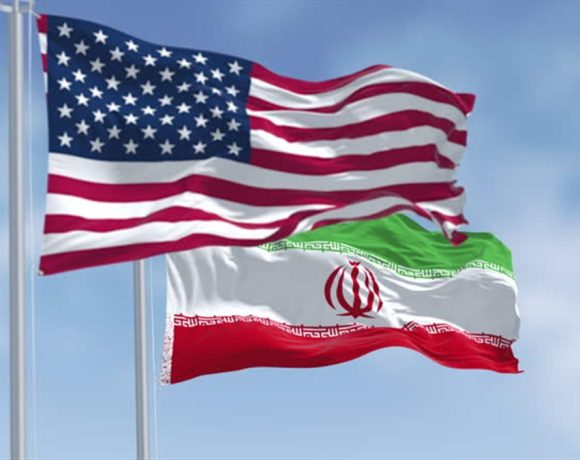
Iran’s foreign ministry says that the United States is not serious about pursuing diplomacy, citing what it called “violations” of their two-week ceasefire.

While claiming diplomacy and readiness for negotiations, the US is carrying out behaviours that do not in any way indicate seriousness in pursuing a diplomatic process,” said ministry spokesman Esmaeil Baqaei in a weekly press briefing.

He said a US attack on an Iranian cargo ship early Monday, the US naval blockade on Iranian ports, and delays in implementing a ceasefire in Lebanon were all “clear violations of the ceasefire”.

Iran has been at war with Israel and the United States since February 28, when strikes killed Supreme Leader Ayatollah Ali Khamenei, triggering a conflict that has engulfed the region.

Tehran and Washington have since held a round of negotiations, which failed to culminate in a deal to end the war. It took place against the backdrop of a fragile two-week ceasefire which began on April 8.

US President Donald Trump said Sunday he had ordered US negotiators to travel to Pakistan on Monday to hold another round of talks, but Iran has yet to confirm its attendance.

“As of now, while I am at your service, we have no plans for the next round of negotiation, and no decision has been made in this regard,” said Baqaei.

Key sticking points include Iran’s stockpile of highly enriched uranium and the status of the strategic Strait of Hormuz, which has been largely closed since the outbreak of the war.

“Regarding the issue of transferring enriched uranium, neither during this period of negotiations nor before has transferring it to the United States been discussed,” Baqaei said.

“It was never raised as an option for us,” he added.

Punch/Adetutu Adetule

Follow us on Telegram and YouTube, and join our WhatsApp Update Group for more updates.

Foreign

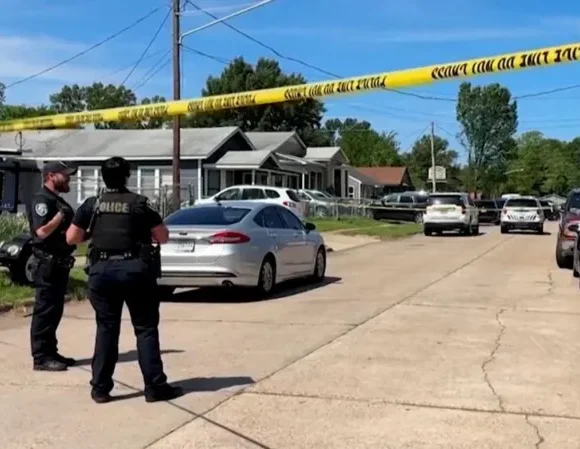
A father has killed seven of his children and an unrelated child in a mass shooting in Shreveport, in the US state of Louisiana, in what the police have described as a “domestic disturbance”.

The children affected were aged from one year old to 14 years old.

According to reports, the shooting began in the early hours of Sunday, as the suspect shot 10 people before fleeing in a stolen car, but police chased after and killed him.

Report says, two adult women, including the mother of the children, were in critical condition.

The suspect shot a woman on the street before going to a nearby residence where he killed the eight children, “one of whom was not a kin to him”, Police said.

One of the victims ran to a nearby home and called authorities.

They said the gunman acted alone.

A ninth child jumped from the roof and was in the hospital.

Meanwhile, the suspect has been identified as Shamar Elkins.

Speaking earlier on Sunday, Shreveport Mayor Tom Arceneaux said: “This is a tragic situation – maybe the worst tragic situation we’ve ever had in Shreveport. This affects the entire community, so we all mourn with these families.”

The incident is the deadliest mass shooting in the US since January 2024, when eight victims were killed in Joliet, Illinois, according to the Gun Violence Archive, GVA, a nonprofit that tracks US gun violence.

GVA defines a mass shooting as an incident where four or more victims were shot, not including the suspect.

Speaking at a news conference earlier on Sunday, Shreveport Police Department spokesperson Chris Bordelon said officers attended a home shortly before 06:00 local time and found the children.

“All of the deceased in this case are juveniles,” Bordelon said.

He said officers determined the call was “domestic in nature”.

BBC/Taiwo Akinola

Follow us on Telegram and YouTube, and join our WhatsApp Update Group for more updates.

Foreign

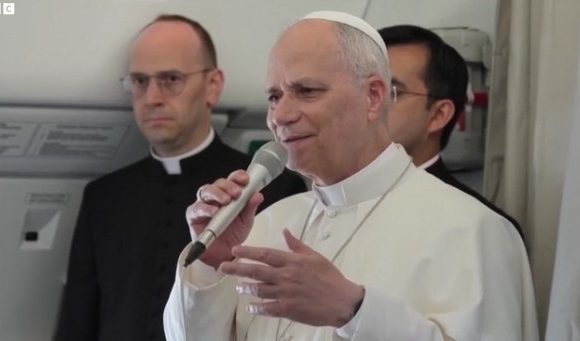
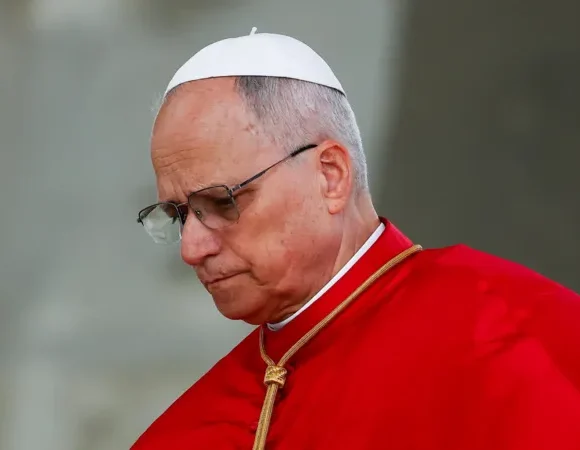
Pope Leo says he was not seeking to debate Donald Trump when he criticised “tyrants” for spending billions on wars in a speech earlier this week.

The pontiff said the remarks, delivered days after a high-profile spat with the US president, had been written a fortnight earlier, “well before the president ever commented on myself”.

“And yet as it happens, it was looked at as if I was trying to debate, again, the president, which is not in my interest at all,” he told reporters aboard a flight to Angola on Saturday.

On Monday, Trump launched a scathing attack on the first American Pope who has been a vocal critic of the US-Israeli military operation in Iran as “terrible for foreign policy”.

The Pope, who is on a tour of Africa, said a “certain narrative that has not been accurate” had developed, citing “the political situation created” by Trump’s comments.

In response to the pontiff’s latest remarks, US Vice-President, JD Vance, who converted to Catholicism as an adult, said he was “grateful to Pope Leo for saying this”.

“While the media narrative constantly gins up conflict – and yes, real disagreements have happened and will happen, the reality is often much more complicated,” Vance added.

Earlier in the week, before the Pope’s speech referring to “tyrants” Vance had urged the Vatican to “stick to matters of morality”.

During the speech in Cameroon on Thursday, the Pope had criticised leaders who “turn a blind eye to the fact that billions of dollars are spent on killing and devastation, yet the resources needed for healing, education and restoration are nowhere to be found”.

“The masters of war pretend not to know that it takes only a moment to destroy, yet often a lifetime is not enough to rebuild,” he said.

The Pope also condemned “an endless cycle of destabilisation and death” in a “bloodstained” region of Cameroon that had been gripped by insurgency for nearly a decade.

The remarks were interpreted by some as a reference to Trump who later told reporters: “The Pope can say what he wants, and I want him to say what he wants, but I can disagree.”

He had initially posted his lengthy criticism of the leader of the Catholic Church after the pontiff had voiced concern about Trump’s threat that “a whole civilisation will die” if Iran did not agree to US demands to end the war and open the Strait of Hormuz.

The president said he was “not a big fan” of the Pope and called him “WEAK on crime, and terrible for Foreign Policy”. Trump also posted an AI-generated image of himself as a Jesus-like figure, which he later removed.

The Catholic leader’s Africa tour includes stops in 11 cities across four countries. It is his second major foreign visit since being elected to the papacy last year, and reflects the importance of Catholicism in Africa.

More than a fifth of the world’s Catholics, some 288 million people live in Africa, according to figures from 2024.

BBC / Titilayo Kupoliyi

Follow us on Telegram and YouTube, and join our WhatsApp Update Group for more updates.

Foreign

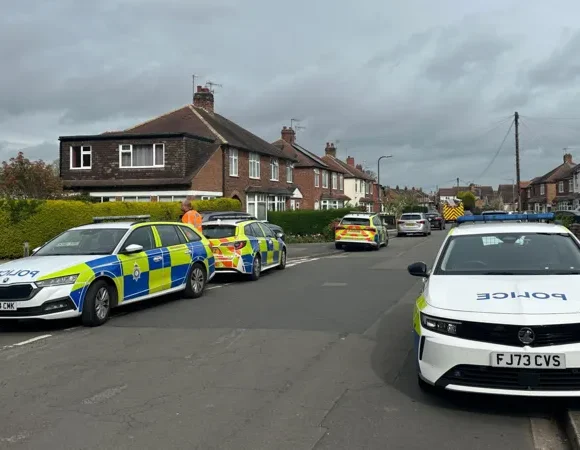
Residents have been evacuated after a gas mains leak in Stapleford in Nottinghamshire, the fire service has said.

Nottinghamshire Fire and Rescue Service said it was called to Tevery Close at 08:57 BST on Friday.

“We understand a gas main has burst and residents in the nearby area are being evacuated, as a precaution, whilst this is dealt with,” the fire service said in a social media post.

Tevery Close and Copeland Avenue are closed while the burst gas main is dealt with and people have been asked to avoid the area.

A spokesperson for the fire service said five fire engines were called to the scene, including two from Derbyshire.

Nottinghamshire Police was also called to the scene to assist the fire service.

BBC / Titilayo Kupoliyi

Foreign

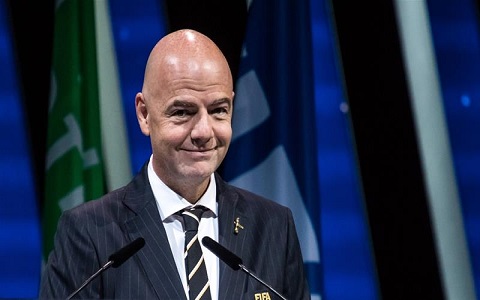
FIFA president Gianni Infantino says, Iran will “certainly” participate in the 2026 World Cup despite the Middle East war.

“Iran is coming for sure. We hope that by then the situation will be a peaceful situation, which would definitely help,” Infantino told an economic conference organised by broadcaster CNBC.

“But Iran has to come, they represent their people, they have qualified, the players want to play,” he said of the team’s upcoming matches scheduled in the United States in June.

Report says, Infantino had made similar comments in March, when he attended an Iran-Costa Rica friendly in Antalya, Turkey, even though US President Donald Trump had previously suggested that Iranian players might not be “safe” in the United States.

Iran is scheduled to play its three Group G matches in the United States — two in Los Angeles, one in Seattle — with their base for the tournament in Tucson, Arizona.

– ‘Outside of politics’ –

Iran’s participation in the global tournament being co-hosted by the United States, Canada and Mexico had been thrown into doubt by the conflict launched by the United States and Israel on February 28.

Iran raised the prospect of a “boycott” of the competition before asking FIFA to move its matches from the United States to Mexico, a request the world governing body rejected.

After several weeks of air strikes on Iran and Iranian reprisals against Israel and other countries in the region, a fragile truce came into effect on April 8.

But Tehran has sealed off the strategic Strait of Hormuz and since Monday Washington has imposed a blockade on ships coming from or heading to Iranian ports.

“Sports should be outside of politics,” Infantino said on Wednesday.

“If there’s nobody else that believes in building bridges and keeping them intact and together, we are doing the job,” he said.

The World Cup, the first to feature 48 teams, starts on June 11.

PUNCH/Taiwo Akinola

Foreign

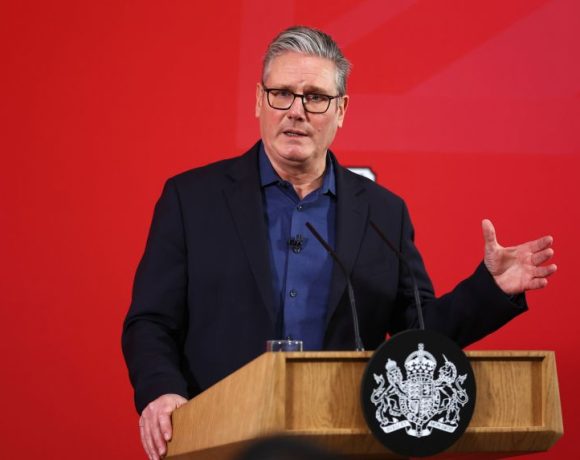
The United Kingdom is considering introducing a ban on social media use for children under the age of 16 as part of wider efforts to address concerns about excessive screen time and online safety.

As reported by Economic Times on Monday, the proposal, discussed by Prime Minister Keir Starmer, forms part of ongoing consultations on how to regulate children’s access to platforms such as Instagram and TikTok.

Starmer said the government is also reviewing measures including app curfews, time limits, and restrictions on algorithm-driven feeds, which he described as contributing to “addictive scrolling” behaviour among young users.

“We’re consulting on whether there should be a ban for under 16s. But equally important, the addictive scrolling mechanisms are really problematic and they need to go,” Starmer said.

The government says the aim is to better understand how social media use affects children’s sleep patterns, education, and family life, while also addressing growing concerns from parents about online habits.

Technology Secretary Liz Kendall said the consultation on children’s online safety has already received tens of thousands of responses, with submissions still open for public input.

We want to hear from parents, teenagers, and families about their experiences and views on curfews, AI chatbots, and addictive features,” Kendall said.

The debate comes as several countries move to tighten rules on children’s social media access. Australia has already implemented a ban for users under 16, while other nations such as Greece and Indonesia have introduced similar restrictions.

The UK government says no final decision has been made, but the consultation process will help shape future policy on how social media platforms operate for younger users and whether stricter age-based limits should be introduced.

Punch/Adetutu Adetule

Follow us on Telegram and YouTube, and join our WhatsApp Update Group for more updates.

Foreign

Pope Leo says he has “no fear” of the Trump administration and will continue to speak out against war after the US president launched an unusual and scathing attack over his stance on the Iran conflict.

Donald Trump accused the pontiff of being “WEAK on Crime and terrible for Foreign Policy” in a Truth Social post, later telling reporters he was “not a big fan”.

The Pope told reporters en route to Algeria that he did not want to get into a debate with Trump but would continue to promote peace.

He has been a staunch critic of the Iran war, calling Trump’s threat to destroy Iranian civilisation “unacceptable” and calling for him to find an “off-ramp” to end the conflict.

In general, it is rare for a pope to directly address statements by world leaders.

There are more than 70 million Catholics in the US, about 20% of the population. They include Trump’s Vice-President JD Vance.

Trump’s remarks came as the pontiff embarked on an 11-day trip to Africa, his second major foreign trip since being elected last year.

The US president wrote in Sunday’s post that the Pope “should get his act together” and said he was “weak on nuclear weapons”, apparently referring to Tehran’s attempts to become a nuclear power, cited as one of the reasons for the US and Israel going to war with Iran.

He also suggested that the pontiff was elected “because he was American, and they thought that would be the best way to deal with President Donald J Trump”.

“If I wasn’t in the White House, Leo wouldn’t be in the Vatican.”

Asked by reporters to explain the post, he later said: “I don’t think he’s doing a very good job, he likes crime, I guess.”

Trump added: “He’s a very liberal person, and he’s a man who doesn’t believe in stopping crime, he’s a man who doesn’t believe we should be toying with a country that wants a nuclear weapon so they can blow up the world.”

In response, the Pope told reporters on board his plane to Algiers that he did not see his role as that of a politician but as one of spreading the message of peace.

“I have no fear of the Trump administration, or speaking out loudly of the message of the gospel, which is what I believe I am here to do, what the Church is here to do,” he told reporters.

“I don’t want to get into a debate with [Trump],” he added.

“Too many people are suffering in the world today. Too many innocent people are being killed. And I think someone has to stand up and say: there’s a better way to do this.”

Trump’s remarks also drew criticism from Catholics around the world, with one expert comparing the comments to the Pope’s relationship with fascist dictators in World War Two.

BBC / Titilayo Kupoliyi

Foreign

A woman has died following a dog attack at a house in Essex.
Police were called to Long Hide, in the village of Leaden Roding, near Dunmow, at 22:45 BST on Friday and found a 19-year-old woman with serious injuries.

Despite “the best efforts of emergency services”, she was pronounced dead at the scene, Essex Police said.

A man, 37, from Dunmow, was arrested on suspicion of being in charge of a dog dangerously out of control and causing injury resulting in death, and remained in custody, police added.

The dog had been seized and specialist officers ensured the scene was safe, the force said.

Assistant Chief Constable, Stuart Hooper said: “I know this incident will be a shock to the local community.

“My thoughts, and those of us all at Essex Police, are with the loved ones of the woman who died yesterday.

“We will have officers in the area throughout today so please come and speak to them if you have any information or have any concerns.

“Experienced detectives are leading the investigation to understand exactly what has happened.”

The force appealed for anyone with information, CCTV, dashcam or any other footage to get in touch quoting incident 1419 of 10 April.

BBC /Titilayo Kupoliyi

Follow us on Telegram and YouTube, and join our WhatsApp Update Group for

Foreign

United States President, Donald Trump says imports from countries supplying Iran with military weapons will face immediate 50 percent tariffs with no exemptions, announcing the threatened duty in a social media post just hours after agreeing to a two-week ceasefire with Tehran.

Trump’s Truth Social post on Wednesday did not specify which legal authority he would invoke to impose such tariffs, as the Supreme Court in February struck down his use of the International Emergency Economic Powers Act, IEEPA, to impose broad global tariffs, prompting a lower court to order refunds of some $166bn collected over the course of a year.

The 1977 IEEPA law has been used extensively for decades to back financial sanctions against Iran, Russia and North Korea, but the court ruled that Trump overstepped his authority in using it to impose trade tariffs.

“A Country supplying Military Weapons to Iran will be immediately tariffed, on any and all goods sold to the United States of America, 50%, effective immediately. There will be no exclusions or exemptions! President DJT,” Trump wrote.

However, “it’s a lot more complicated to do that after IEEPA was struck down”, Rachel Ziemba, adjunct senior fellow at the Center for a New American Security, told Al Jazeera. “There’s no immediate policy lever and authorisation that is available for the US to do that. So they need either an act of Congress or need to adapt some other trade tool, and there isn’t really a national security-oriented trade tool.”

Trump did not name any countries that could face punitive tariffs. China and Russia have helped Iran build military capacity to counter US and Israeli pressure, supplying missiles, air defence systems and technology intended to bolster deterrence.

But that support appeared capped during the US-Israeli attacks on Iran. Both Beijing and Moscow have denied supplying any weapons recently, although allegations against Moscow have persisted.

The Reuters news agency has previously reported that Tehran was considering a purchase of supersonic antiship cruise missiles from China. In March, Reuters reported that China’s top semiconductor maker, SMIC, has sent chipmaking tools to Iran’s military, according to two senior Trump administration officials.

“This is a China-related threat, the way I read it. And China will read it that way,” said Josh Lipsky, vice president and chair of international economics at the Atlantic Council.

Although drone and missile parts routinely flow from Chinese entities to Iran, evading US sanctions, Lipsky said Trump was unlikely to follow through with new tariffs in the near term because that would derail his planned trip to Beijing to meet with Chinese President Xi Jinping in mid-May.

“US tariffs on Chinese products have gone down a lot since the court ruling,” said Ziemba, “and slapping on 50 percent tariffs now would be very expensive, especially for US importers and consumers.”

Moreover, with the Trump-Xi meeting looming, “this is kind of an empty threat, but shows that when push comes to shove, Trump comes back to tariffs”, Ziemba said.

Aljazeera/Adetutu Adetule

Follow us on Telegram and YouTube, and join our WhatsApp Update Group for more updates.

Foreign

The United States and Iran agreed to a two-week ceasefire barely an hour before President Donald Trump’s Wednesday deadline to obliterate the country, triggering global relief alongside apprehension.

Tehran has agreed to temporarily reopen the Strait of Hormuz, through which much of the world’s oil, gas and fertiliser passes, easing concerns for the battered global economy.

While the announcement was broadly welcomed internationally, much work remained to prevent a return to fighting, with UN chief Antonio Guterres calling for all parties to “pave the way towards a lasting and comprehensive peace”.

Underlining the precarity of the deal, there were explosions on Wednesday morning in Bahrain’s Manama, with authorities blaming “Iranian aggression”.

Both Tehran and Washington claimed to have won the more than month-long conflict, with Trump telling AFP the deal was a “total and complete victory” for the US.

Iran, too, cast the ceasefire as a win and said it had agreed to talks with the US beginning on Friday in Pakistan on a path to end the conflict.

“The enemy has suffered an undeniable, historic and crushing defeat in its cowardly, illegal and criminal war against the Iranian nation,” said a statement from the Iranian Supreme National Security Council.

“Iran achieved a great victory.”

The White House said Israel had also agreed to the ceasefire, but Prime Minister Benjamin Netanyahu said it does not include Lebanon, where Israel’s operation in response to rocket fire by Iranian-backed Hezbollah has killed more than 1,500 people, according to Lebanese authorities.

On Wednesday, the Israeli military pressed on with the war in Lebanon, warning residents of one building near the southern city of Tyre to evacuate, with Lebanese state media reporting renewed strikes.

Israel had encouraged Trump to launch the war against Iran, its arch-foe, and in the first strikes killed Tehran’s long-serving supreme leader, Ayatollah Ali Khamenei.

A peace agreement would leave in place the Islamic republic despite US and Israeli hopes of toppling it. The United States and Israel said that they attacked Iran to degrade its military capacity.

– ‘Safe opening’ –

Trump said he had spoken to Pakistan’s leaders who “requested that I hold off the destructive force being sent tonight to Iran.”

He later told AFP he believed China had helped get Tehran to negotiate.

“Subject to the Islamic Republic of Iran agreeing to the COMPLETE, IMMEDIATE, and SAFE OPENING of the Strait of Hormuz, I agree to suspend the bombing and attack of Iran for a period of two weeks,” Trump wrote on his Truth Social platform on Tuesday.

Trump had set a deadline for Iran to open the Strait of Hormuz by midnight GMT.

Iranian Foreign Minister Abbas Araghchi confirmed safe passage for two weeks for ships through the strait, which Tehran sealed off in retaliation for the war.

“If attacks against Iran are halted, our Powerful Armed Forces will cease their defensive operations,” Araghchi said.

Later on Wednesday, Trump posted on social media that the US would “be helping with the traffic buildup in the Strait of Hormuz”.

– Uranium to be ‘taken care of’ –

Oil prices plunged by more than 17 percent after the ceasefire announcement, while European natural gas dropped 20 percent. Stock prices also soared in early trade Wednesday in Asia.

Trump said the United States was “very far along” in negotiating a long-term agreement with Iran, which had submitted a 10-point plan that he said was “workable.”

But Iran publicly released points that took maximalist positions, including lifting long-standing US sanctions, guaranteeing its own “dominion” over the strait and removing US forces from the region.

Crucially, it also said its plan would require Washington to accept its uranium enrichment programme.

Trump has alleged that Iran was near to building an atomic bomb, an assertion not backed by the UN nuclear watchdog and most observers.

He insisted the nuclear material would be covered by any peace deal.

“That will be perfectly taken care of, or I wouldn’t have settled,” Trump told AFP, without giving any specifics about what would happen to the uranium.

Trump would not say whether he would go back to his original threats to lay waste to all power plants and bridges across the country of 90 million people if the deal fell apart.

“You’re going to have to see,” he told AFP.

The US leader had made threats shocking even by his own standards when he warned that “a whole civilization will die tonight, never to be brought back again. I don’t want that to happen, but it probably will.”

– Heavy strikes before deadline –

The US and Israel struck key infrastructure before Trump’s deadline, with Netanyahu saying attacks hit railways and bridges allegedly used by the Revolutionary Guards.

Iran has retaliated with weeks of drone and missile attacks on Gulf Arab states, citing their role as hubs for US troops.

The attacks have shattered the monarchies’ hard-fought reputation for safety and stability.

On Wednesday, the United Arab Emirates, which bore the brunt of Iran’s Gulf attacks, also claimed victory.

“The UAE emerged victorious from a war we sincerely sought to avoid,” presidential adviser Anwar Gargash said in a post on X.

Much global reaction, however, focused on the need to turn the ceasefire into a workable peace deal.

Oman, which mediated unsuccessful talks between Washington and Tehran that were halted by the war, spoke of “the importance of intensifying efforts… to identify solutions capable of resolving the crisis at its roots”.

British Prime Minister Keir Starmer announced an immediate visit to the Gulf and declared “we must do all we can to support and sustain this ceasefire, turn it into a lasting agreement and re-open the Strait of Hormuz”.

AFP/Olaolu Fawole
Foreign

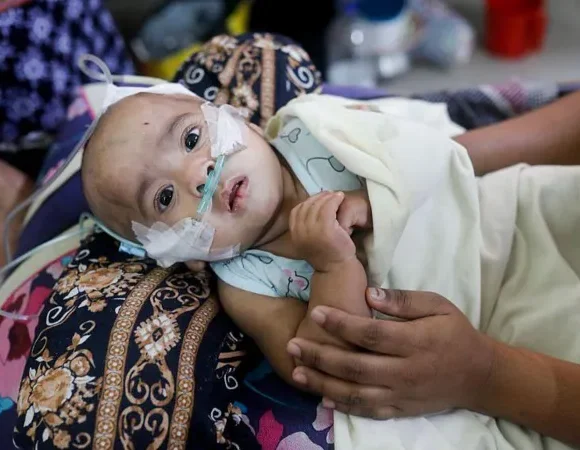
Bangladesh has launched an emergency vaccination campaign after a fast-spreading measles outbreak is suspected of killing more than 100 people, mostly children, in what may be the country’s most lethal wave of the disease in recent history.

The campaign, which began on Sunday, comes amid more than 7,500 suspected measles cases since 15 March, according to health ministry data.

More than 900 of these cases have been confirmed, a sharp increase from 2025, when just 125 measles cases were recorded over the entire year, local media report.

While Bangladesh has long vaccinated children against the highly contagious disease, the recent outbreak has exposed gaps in its programme, raising concern.

Happy Easter from Radio Nigeria

“Vaccines are foundational to child survival,” Rana Flowers, the UNICEF representative in Bangladesh, said in a statement on Sunday, adding that the current measles outbreak was “putting thousands of children, especially the youngest and most vulnerable, at serious risk.”

In Bangladesh, a nation of 170 million people, routine measles vaccines are given to children as young as nine months old.

But Shahriar Sajjad, Deputy Director of the Health Department, told BBC Bangla that about one-third of those infected in the recent outbreak were under nine months old.

The infections of these young infants, who are not yet eligible for routine vaccination, are especially alarming”, said Flowers from UNICEF.

In addition to routine vaccinations, Bangladesh conducts special measles vaccination campaigns every 4 years.

But these campaigns haven’t gone according to plan.

There have been no special measles vaccination campaigns since 2020, first because of Covid then because of the “political situation”, Sajjad told BBC Bangla.

Bangladesh experienced political upheaval in 2024, when massive anti-government protests toppled its long-ruling leader, Sheikh Hasina. An interim government took over after Hasina’s ousting, and only in February this year did the country elect a new government.

A measles vaccination campaign was supposed to be held in April this year, “but it did not happen”, Sajjad said.

A health official said procurement issues had led to a shortage of vaccines, including for measles, the Daily Star reported.

Many in Bangladesh have blamed the vaccine shortages on the former interim government, which oversaw a new vaccine procurement system.

But measles resurgences “are typically the result of these accumulated gaps rather than a single factor”, Unicef said in its statement.

“Bangladesh has a strong history of high immunisation coverage, but even small disruptions can lead to the gradual accumulation of immunity gaps over time.”

Along with international partners like Unicef and the World Health Organization (WHO), Bangladesh has launched an emergency vaccination campaign for measles and rubella , a milder disease with similar symptoms to measles.

This campaign, which started on Sunday, will be rolled out across 30 upazilas, sub-districts in Bangladesh and targets more than 1.2 million children between six months and five years old.

The campaign will prioritise “children who have missed routine immunisation and are most vulnerable to severe illness and complications”, according to UNICEF.

There will also be a particular focus on Dhaka, the densely populated capital, and Cox’s Bazar, home to crowded Rohingya refugee camps, Unicef said.

BBC / Edited by Titilayo Kupoliyi

Follow us on Telegram and YouTube, and join our WhatsApp Update Group for more updates.

Foreign

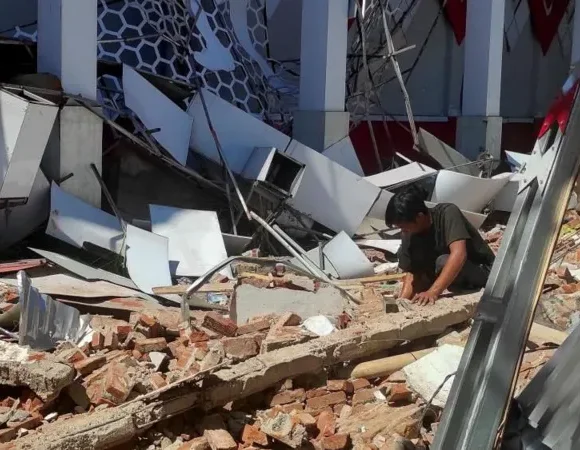
A 7.4-magnitude earthquake struck in the Molucca Sea off Indonesia’s Ternate island early Thursday, killing at least one person.

The quake, which struck at 06:48 local time (22:48 GMT) at a depth of 35km, sparked tsunami warnings which have since been withdrawn.

A 70-year-old woman in North Sulawesi died after being crushed by building debris, and another person broke their leg after jumping off a building, Indonesia’s national news agency Antara reported.

While the region experiences high levels of seismic activity, some residents told the BBC this was one of the strongest earthquakes they have felt in at least the past six years.

BBC / Edited by Titilayo Kupoliyi

Follow us on Telegram and YouTube, and join our WhatsApp Update Group for more updates.

Foreign

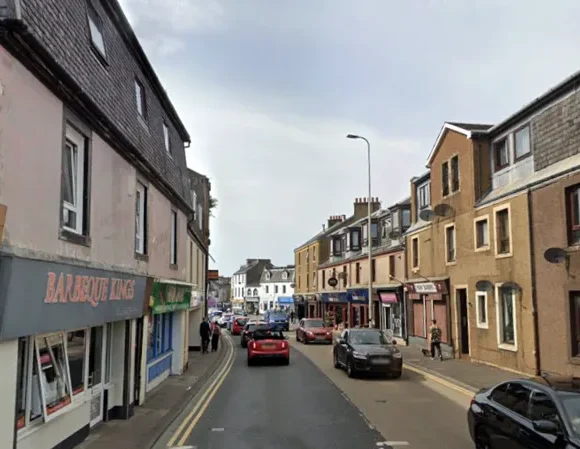
An 88-year-old woman has died after being hit by a lorry while crossing a road in Ayrshire.

The pensioner was hit by the HGV being driven by a 51-year-old man on Main Street, Largs, at about 10:05 on Wednesday.

Police Scotland said she was pronounced dead at the scene and inquiries into the incident were ongoing.

Sgt Gordon Stewart added: “We ask any drivers in Main Street around the time of the crash to check their dashcam footage and please get in touch.”

BBC / Edited by Titilayo Kupoliyi

Follow us on Telegram and YouTube, and join our WhatsApp Update Group for more updates.


Foreign

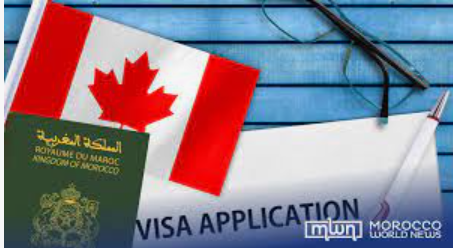
The Government of Canada has announced an increase in application fees for permanent residence and citizenship for Nigerians and other foreign nationals seeking residency in the country.

According to an official notice published on the Immigration, Refugees and Citizenship Canada website on Monday, the new fees will take effect on April 30, 2026.

IRCC said the hike was aimed at maintaining timely and reliable services and keeping pace with inflation.

“Starting April 30, 2026, fees for permanent resident applications will increase as part of a routine update. Applications received on or after April 30 will be subject to the new fees,” it said.

The agency noted that permanent residence fees will increase by as low as $25, while the citizenship fee will rise by approximately 2.7 per cent.

The Right of Permanent Residence Fee increases by $25, from $575 to $600, while the Provincial Nominee Programme increases by $40, from $950 to $990

For Business Class, there’s an increase of $85, from $1,810 to $1,895, while Family Class increases by $25, from $545 to $570.

For Protected Persons, there is an increase of $25, from $635 to $660, while the fee for a visa on Humanitarian and Compassionate Grounds or Public Policy Measures increases by $25, from $635 to $660

Permit Holders increase by $15, from $375 to $390, with the Right of Citizenship Fee also increasing from $119.75 to $123, effective March 31, 2026.

IRCC explained that, under the Immigration and Refugee Protection Regulations, permanent residence fees are adjusted every two years to offset programme costs and respond to growing demand.

Punch/Taiwo Akinola

Foreign

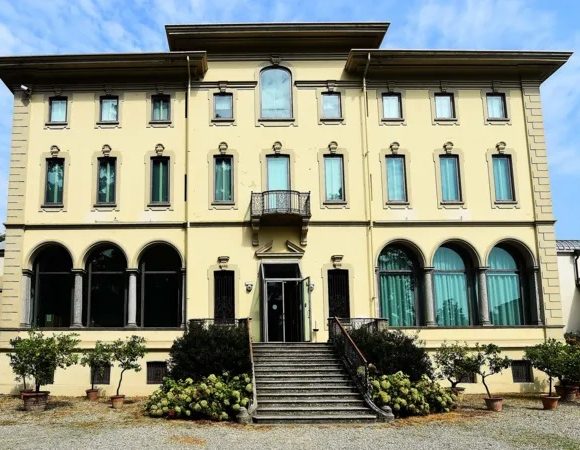
Police say paintings by Renoir, Cézanne and Matisse worth millions were stolen in a heist on a museum near the Italian city of Parma.

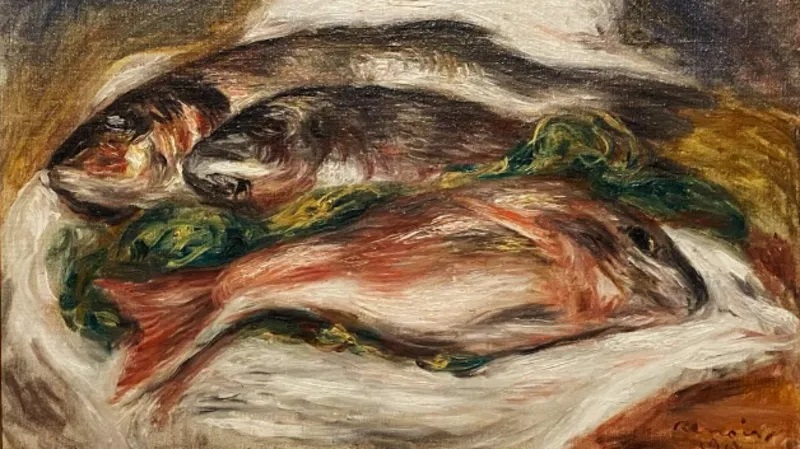
Police explained that four masked men entered the Magnani Rocca Foundation villa on March 22, making off with Les Poissons by Pierre-Auguste Renoir, Still Life with Cherries by Paul Cézanne and Odalisque on the Terrace by Henri Matisse.

Les Poissons by Pierre-Auguste Renoir

Italian media outlets have reported that the gang was in and out in the space of three minutes, and was only interrupted by the museum’s alarm system, preventing them from stealing more.

The institution is the latest to be subjected to a heist, following the brazen daylight robbery of priceless jewels from the Louvre in Paris last October.

Still Life with Cherries by Paul Cézanne

Reports say the thieves involved in the robbery forced their way through the main door to the Villa dei Capolavori, in the Parma countryside, and nabbed the paintings from the French Room on the building’s first floor.

The foundation was quoted as saying the gang appeared “structured and organised”, and seemed to have intended on stealing more were it not for the private collection’s alarms going off and police being called.

It is estimated that the stolen paintings were worth a combined €9m, with Les Poissons alone worth €6m, making it one of the most significant art thefts in Italy in recent years.

The theft is now being investigated by Italy’s Carabinieri and the Cultural Heritage Protection Unit of Bologna.

The Magnani Rocca Foundation was established following the death of Luigi Magnani, a composer and art collector, in 1984 in his family home.

BBC/Maxwell Oyekunle

Follow us on Telegram and YouTube, and join our WhatsApp Update Group for more updates.

Foreign

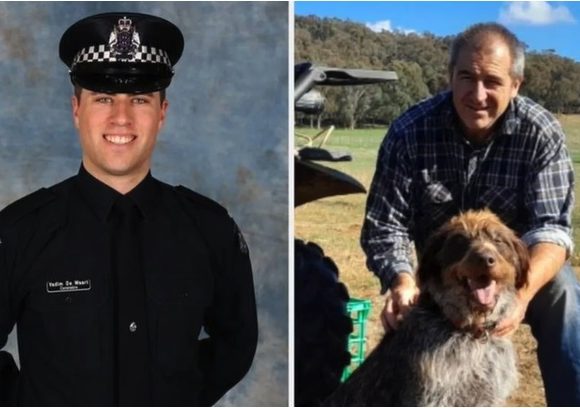
Australian police have shot and killed Dezi Freeman after the double murderer spent seven months on the run.

A well-known conspiracy theorist, Freeman gunned down two police officers on his property in the small Victorian town of Porepunkah last August, before fleeing into dense bushland and evading extensive searches.

Victoria Police say a man was shot dead after an hours-long standoff at a rural property in the state’s north-east on Monday morning.

Chief Commissioner Mike Bush said the man is believed to be Freeman, 56, whose real name was Desmond Filby, but formal identification is still underway.

Police say they surrounded a building – described as a cross between a shipping container and a long caravan – on a rural property around 5:30 local time.

After three hours and multiple police pleas, a man believed to be Freeman came outside and was shot dead.

Bush told reporters said details are still being confirmed, but he believes Freeman emerged wrapped in a blanket and armed with a gun, possibly one taken from one of the slain officers back in August.

No officers were hurt during the operation, police said, which will be investigated, as is standard in police shootings.

Mr Bush added that investigators believe Freeman was helped while he was on the run, and detectives will now focus on working out who gave him aid.

“It would be very difficult for him to get to where he was… without assistance,” Bush said. “If anyone was complicit, they will be held accountable.”

In a statement on Monday, the Police Association of Victoria said Freeman’s death was a “step forward”– but not quite “closure”.

“It doesn’t lessen the trauma, give back the futures that were callously stolen or lessen the collective fear and grief that this tragic event has instilled in police and the wider public.”

Freeman, whose real name was Desmond Filby, was a self-described “sovereign citizen”, part of an anti-government movement that rejects authority and laws.

BBC/Maxwell Oyekunle

Follow us on Telegram and YouTube, and join our WhatsApp Update Group for more updates.

Foreign

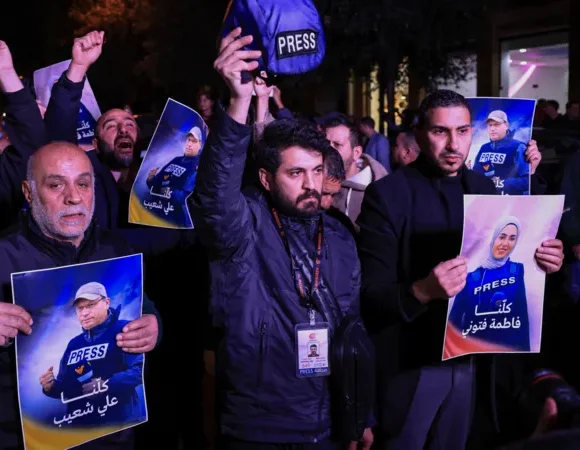
Three Lebanese journalists were killed in a targeted Israeli strike in southern Lebanon on Saturday, their employers have said.
Ali Shoeib, a reporter for the Hezbollah-affiliated Al Manar TV, was killed in the town of Jezzine alongside reporter Fatima Ftouni and her brother, cameraman Mohamed Ftouni, both from the channel Al Mayadeen, according to the stations.

The strike reportedly hit the journalists’ car just before noon local time (10:00 GMT).

The Israel Defense Forces (IDF) confirmed it had killed Shoeib, describing him as a “terrorist” from Iranian-backed Hezbollah’s elite Radwan Force who had “operated for years under the guise of a journalist”.

It said he had worked to “expose the locations of IDF soldiers operating in southern Lebanon and along the border”, including during the current fighting, and had used his position “to disseminate Hezbollah propaganda materials”.

The IDF provided no evidence to support its claim that Shoeib had a military role. It did not comment on the deaths of Fatima or Mohamed Ftouni.

Hezbollah denounced the strike as the “deliberate criminal targeting of journalists”.

“The enemy’s false claims are nothing but an expression of its weakness and fragility, and a desperate attempt to evade responsibility for this crime,” the group said in a statement on Telegram.

Lebanese President Joseph Aoun described it as a “brazen crime” that broke the “most basic rules” of international law by targeting reporters, “who are ultimately civilians performing a professional duty”.

Prime Minister, Nawaf Salam likewise condemned the attack in a statement on X, branding it a “flagrant violation of international humanitarian law and a clear breach of the rules that guarantee the protection of journalists in times of war”.

Iran’s foreign minister, Abbas Araghchi said the strike was “clearly a targeted assassination” and an attempt to “silence the voices of truth-tellers”.

This is the second time Israel has been accused of targeting journalists in Lebanon since the US-Israel war against Iran began a month ago.

On 18 March, Al Manar reported its presenter Mohammad Sherri and his wife had been killed in an Israeli strike in Beirut while they were sleeping.

Responding to Saturday’s strike, the Committee to Protect Journalists said Lebanon had become “an increasingly deadly zone for journalists”.

“We have seen a disturbing pattern in this war and in the decades prior of Israel accusing journalists of being active combatants and terrorists without providing credible evidence,” the US-based organisation’s regional director Sara Qudah said.

“Journalists are not legitimate targets, regardless of the outlet they work for.”

Demonstrators gathered in Beirut late on Saturday, holding photos of those killed
More than 1,100 civilians, including 120 children and 42 paramedics, have been killed in Lebanon during the conflict so far, according to the Lebanese Ministry of Health.

More than a million people have also been displaced, worsening an existing humanitarian crisis in the country.

Many in Lebanon are worried Israel is using similar tactics it has been accused of deploying in Gaza – including the deliberate targeting of civilians, journalists and paramedics, which Israel denies.

Israel and Hezbollah had agreed a ceasefire in November 2024, under which both sides were meant to leave their positions in the south.

Progress was made, but it was partial. Israel maintained several military posts in the south and continued to carry out regular attacks on what it said were Hezbollah targets, accusing the group of trying to rearm and rebuild its presence.

After the killing of Iran’s supreme leader at the beginning of the current conflict, Hezbollah fired rockets into northern Israel in retaliation – both for his death and Israeli attacks since the ceasefire.

Israel has since escalated its operations in the region, saying its aim was to protect communities in northern Israel from attacks by Hezbollah militants.

BBC / Edited by Titilayo Kupoliyi

Follow us on Telegram and YouTube, and join our WhatsApp Update Group for more updates.

Foreign

Some Nigerians in India have raised the alarm over what they described as increased racial profiling and brutalisation by the Indian police.

According to report, they lamented visa regularisation challenges and high renewal fees, which they said had made life unbearable in the Asian country.

Some of the residents, who spoke to the newsmen, alleged that some Nigerian students were physically assaulted, adding that reporting to the authorities had changed nothing.

The allegations came amid growing agitations by student bodies demanding urgent diplomatic intervention in the situation.

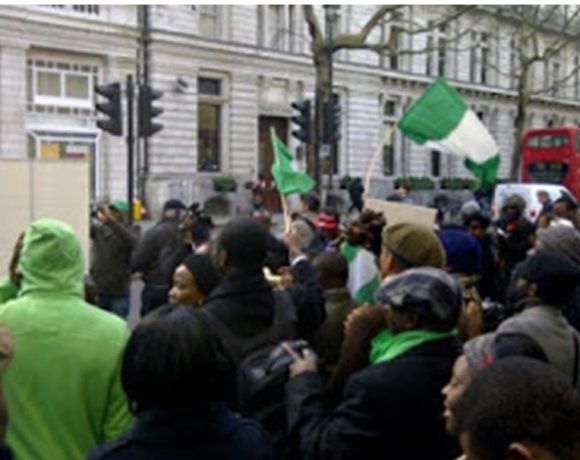
The National Association of Nigerian Students recently staged a peaceful protest at the Indian High Commission in Abuja over what it described as “alarming reports” of inhumane treatment of Nigerian students in India.

NANS issued a seven-day ultimatum to the Federal Government for urgent diplomatic engagement, warning that it would escalate advocacy actions nationwide if the issues were not addressed.

Speaking with journalists during the demonstration, the NANS Vice President, Special Duties, Abubakar Mallawa, decried the alleged ill-treatment of Nigerians, saying that, the association had received multiple distress reports from students in Indian cities, particularly Mumbai, over visa challenges, discriminatory practices and systematic profiling.

He noted that the affected students and other Nigerians engaged in legitimate businesses had faced difficulties in renewing visas, mass arrests linked to immigration status, denial of rental accommodation based solely on nationality, closure of Nigerian-owned shops, confiscation of goods, and, in some cases, forceful entry into residences and detention under degrading conditions.

The group also raised concerns over  the visa application process, alleging that Nigerian applicants were often required to pay interview and processing fees but denied visas without clear explanations.

In a recent interview on Arise TV, the National Secretary of NANS, Anzaku Shedrack, said the group had been receiving disturbing videos showing the brutalisation of Nigerians in several parts of India, and called on the Ministry of Foreign Affairs to intervene.

A video clip played by the tv station showed some suspected Indians attacking and stoning an individual, said to be a Nigerian, on the floor.

In an interview with Saturday PUNCH, the Education Coordinator of the Association of African Students in India, Rajasthan chapter, Abisola Williams,  said Nigerians were going through tough times in India.

Williams also admitted that Nigerian students were seriously affected by regularisation challenges.

The third-year physiotherapy student explained that India does not grant permanent residency to international students.

“It’s either you’re a student or a professional with a work visa. As for Nigerians, we have to renew our visas every year, as students or professionals,” she said.

Williams noted that Indian authorities reserved the right to deny visa extensions to students who failed to meet academic or financial obligations.

Another Nigerian student in Delhi, who spoke on condition of anonymity, alleged that Nigerians were required to pay 10,000 rupees (about N146,000) every three months to renew their visas, a fee she claimed is lower for students from other African countries.

“Other students from other African countries do not pay for it. We were told it was an agreement between the Indian and Nigerian governments for students to pay every three months. I know Zimbabweans who are not paying to renew visas, while Ghanaians pay a maximum of 500 rupees, which is about N8,000. This is just unfair. That’s the cross Nigerians bear to regularise their stay in India.  They don’t give us enough time to raise the money. But for other nationals like Zimbabweans, they get about eight months before their next visa expires,” the student said.

She added that the fee was not disclosed during visa processing in Nigeria and that many students only became aware of it after arriving in India.

The student further alleged that Indian police actively track Nigerians, whose visas had expired, leading to arrests, intimidation and deportation.

“When my visa was about to expire, I went to renew it, but was surprised to learn it was 10,000 rupees. After that, the police came looking for me because I had not renewed my visa.

“I have seen male students who were bullied and harassed because of this. They don’t believe we live by the rules. Anything that goes wrong is attributed to Nigerians, and it’s unfair.

“There are people who have faced serious injustice in the hands of these officers. Some were taken to deportation camps. I knew someone who was deported to Nigeria for this,” she said.

Punch/Taiwo Akinola

Foreign

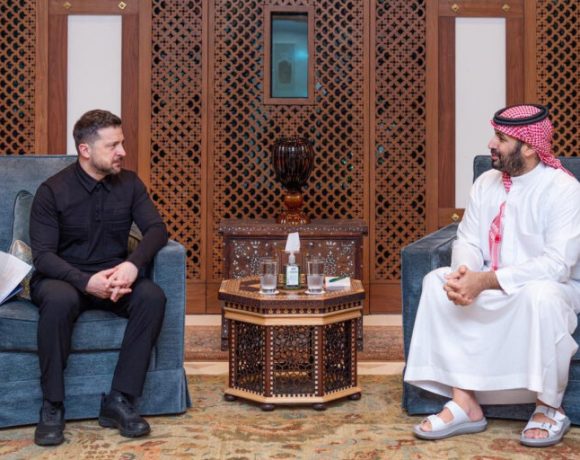
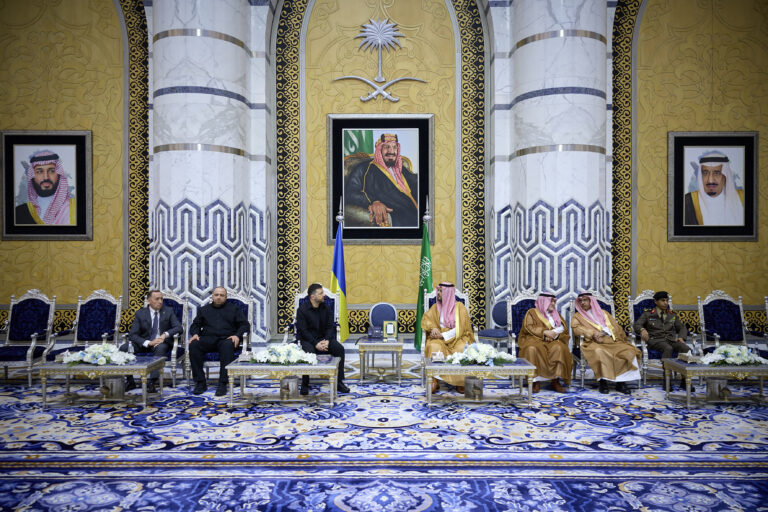
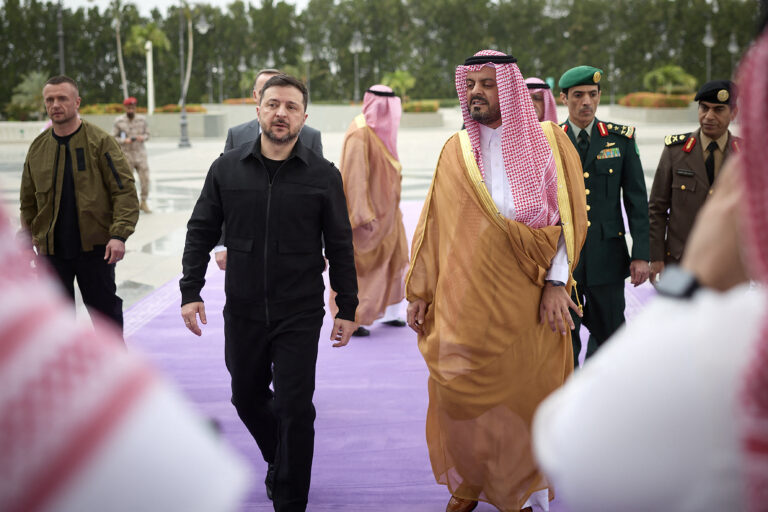
Ukraine and Saudi Arabia have signed an air defence agreement during President Volodymyr Zelensky’s visit to the kingdom facing Iranian drone attacks, two senior officials told AFP on Friday.

Kyiv has sought to leverage its expertise in downing Russian drones to help Gulf nations, which are being attacked with the same kind of Iranian-designed Shahed drones that Russia fires on Ukraine.

“The point of the agreement is that Ukraine will support them in developing all the necessary components of air defence, which they currently lack,” one official said of the document which, according to another was signed on Thursday.

Both spoke to AFP on the condition of anonymity.

Kyiv has been using a mix of cheap drone interceptors, electronic jamming tools and anti-aircraft guns to down Russian drones fired at its cities on a nightly basis for four years.

It touts its anti-drone defences as the best in the world.

Ukraine has proposed swapping its interceptors for vastly more expensive air-defence missiles that Gulf countries are using to down Iranian drones. Ukraine says it needs more of them to fend off Russian missile attacks.

The deal signed between Ukraine and Saudi Arabia “is not only about interceptors as such, but about building a system, integrating it with other air defence components, Ukrainian experience in its use, AI, and all the other elements of data analysis needed to counter Shaheds and other drones,” one of the officials said.

Zelensky confirmed on social media that both countries had “reached an important arrangement” on defence cooperation and that he had met Saudi Crown Prince Mohammed bin Salman during his visit.

“We are ready to share our expertise and systems with Saudi Arabia,” Zelensky said, adding: “Saudi Arabia also has capabilities that are of interest to Ukraine, and this cooperation can be mutually beneficial.”

He did not disclose what exactly has been agreed as part of the deal.

Zelensky also met with Ukrainian anti-drone experts that have been deployed to the country since US and Israel launched strikes on Iran that spurred retaliatory drone and missile attacks from Tehran.

“Even in such a short time, Ukrainian experts were able to share extensive expertise,” Zelensky said.

“Ukraine’s expertise is unique, and recognised as such, and that is why everyone is so interested in our technologies and experience.”

BBC / Edited by Titilayo Kupoliyi

Follow us on Telegram and YouTube, and join our WhatsApp Update Group for more updates.

Foreign

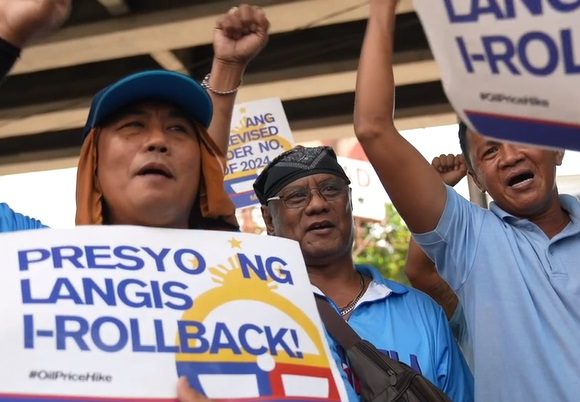
Hundreds of transport workers in Manila have gone on strike over soaring fuel costs, as the Philippines grapples with a worsening energy crisis.

Diesel and petrol prices have more than doubled since the outbreak of the US-Iran war 2026, prompting the government to declare a national energy emergency.

As the two-day strike began on Thursday, a vessel carrying over 700,000 barrels of Russian crude oil docked in the country.

Presidential spokesperson for Ferdinand Marcos Jr. confirmed the arrival of the Sierra Leone-flagged tanker Sara Sky earlier in the week.

The government has been scrambling to secure alternative fuel sources, as about 98% of the country’s oil imports pass through the Strait of Hormuz, a region affected by the conflict.

Transport unions leading the strike are demanding sweeping reforms, including the removal of fuel taxes, price controls on oil, higher fares, and increased wages.

Protests erupted across Manila on Thursday morning, with Jeepney drivers — operators of the city’s iconic low-cost minibuses — forming the bulk of demonstrators while ride-hailing drivers also joined the action.

Many protesters say promised government assistance has failed to reach them.

“I lined up for more than five hours for cash aid, but my name was not there,” said 62-year-old driver Guillermo Japole, who supports five children. “No cash aid, no earnings, no food for the family.”

Another driver, Anjo Lilac, said financial support would help cover essentials like rent and baby milk, but he has yet to receive any assistance.

Some drivers say they may abandon the profession altogether.

“It feels like we are being choked,” said Ronnie Rillosa, a jeepney driver of 30 years. “We don’t need cash aid if the government will cut the prices of fuel, food, electricity and water.”

The strike has already disrupted daily life in Manila — one of Asia’s most congested cities — forcing commuters to queue for government-provided rides.

A 52-year-old liaison officer, Arnold Irinco, said he had waited over 30 minutes for transport but expressed sympathy for the drivers’ plight.

BBC/Maxwell Oyekunle

Follow us on Telegram and YouTube, and join our WhatsApp Update Group for more updates.

Foreign

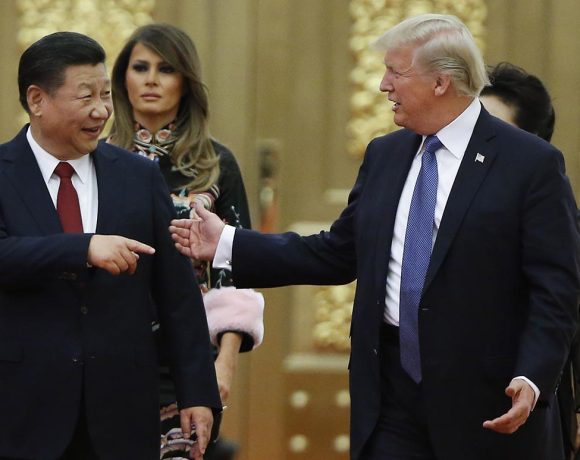
US president Donald Trump says he will meet Chinese president Xi Jinping in China on 14-15 May, after delaying the landmark trip amid the US-Israel war with Iran.

This would be the first visit to China by a US president in nearly 10 years.

Trump is also set to host Xi in Washington DC later this year, and officials are “finalizing preparations for these Historic Visits”, he wrote on Truth Social on Wednesday.

White House press secretary Karoline Leavitt confirmed the dates of Trump’s visit, telling reporters that President Xi had understood and accepted the request to postpone the trip.

“President Xi understood that it’s very important for the president to be here throughout these combat ​operations right now,” Leavitt said at a press briefing on Wednesday.

Beijing has not confirmedthe dates listed by Trump – though it does not typically reveal Xi’s schedule so far in advance.

Chinese foreign ministry spokesperson Lin Jian told reporters on Thursday that “both sides are maintaining communication regarding President Trump’s visit to China”.

He also said that “leader-level diplomacy plays an irreplaceable strategic guiding role” in bilateral ties.

Trump’s trip, originally slated for 31 March, was delayed after the US and Israel launched wide-ranging strikes on Iran last month, killing the country’s supreme leader.

BBC/Maxwell Oyekunle

Follow us on Telegram and YouTube, and join our WhatsApp Update Group for more updates.

Foreign

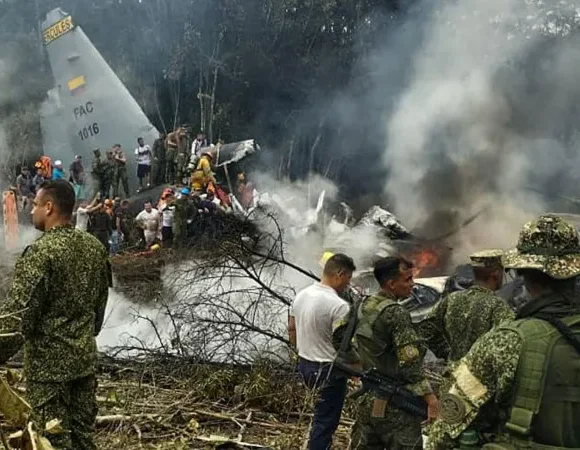
A Colombian Air Force plane crashed shortly after takeoff in the south of the country, leaving at least 66 people dead and dozens injured.

Air Force Commander, Carlos Fernando Silva Rueda said 114 army personnel were on board, as well as 11 crew.

The plane, a US-made C-130 Hercules used for transporting troops, came down near the town of Puerto Leguízamo, in Putumayo province.

Emergency workers sent to the area were seen searching through the wreckage for survivors.

The cause of the crash was being investigated.

The Hercules aircraft crashed shortly after take-off in a rural area near Puerto Leguízamo.
Colombian Defence Minister, Pedro Sánchez said the Lockheed Martin-built Hercules C-130 transport plane had suffered “a tragic accident while it was taking off from Puerto Leguízamo, transporting troops of our security forces”.

He described the incident near the border with Peru as “deeply sad for the country”.

Ammunition being carried on board detonated as a result of a fire on the aircraft, Sanchez later said.

A military source told AFP that 58 soldiers had died, along with six air force personnel and two police officers.

Two military sources also told Reuters that 66 people had died.

The incident was one of the deadliest accidents in recent history for Colombia’s Air Force.

Images shared by local media show a plume of smoke rising from the site and trucks carrying soldiers heading to the area.

Footage on local news sites also appears to show locals transporting what seem to be injured soldiers from the accident site to hospitals on the back of small motorbikes.

President Gustavo Petro wrote on X that “this horrendous accident should not have happened”.

In the lengthy post, he also blamed “bureaucratic problems” for holding up his plans to modernise the armed forces’ equipment and their aircraft.

“I will allow no further delays, the lives of our young people are at stake,” he wrote, without clarifying what may have caused the accident.

BBC/Edited by Titilayo Kupoliyi

Follow us on Telegram and YouTube, and join our WhatsApp Update Group for more updates.

Foreign

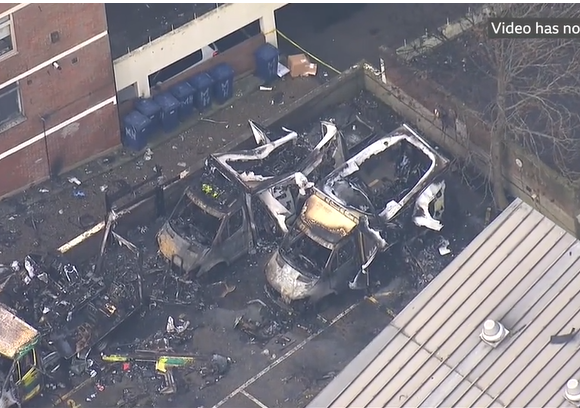
The Metropolitan Police are investigating a suspected Iran-linked group over an arson attack that destroyed four Hatzola ambulances in Golders Green, London.

Attackers set the vehicles ablaze early Monday, triggering explosions from onboard gas canisters.

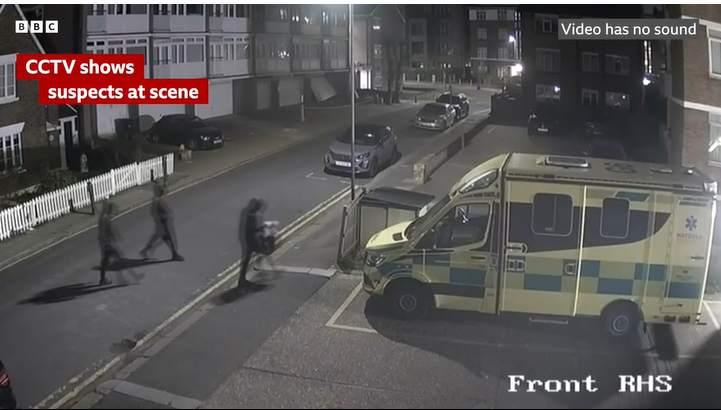
Police are treating the case as an anti-Semitic hate crime, not terrorism, and say three suspects were involved.

Three suspects were captured in an Hatzola CCTV footage

Speaking at an event, Metropolitan Police Commissioner Sir Mark Rowley said officers are “pursuing all lines of enquiry,” including an online claim by an Islamist group with alleged Iranian links, but stressed it is “too early” to attribute the attack to Tehran.

Sir Mark warned of a “rapid growth” in Iranian state threats, citing disrupted plots, surveillance and attacks targeting Jewish communities and Iranian dissidents.

Head of Counter Terrorism Policing, Assistant Commissioner Laurence Taylor, said recent Iran-backed plots in the UK have involved assassination, kidnap and espionage.

Police have deployed 264 additional officers, firearms patrols, drones and facial recognition technology to protect Jewish communities.

Speaking on Tuesday, a member of the British Intelligence and Security Committee, Lord Beamish, said there was a pattern of Iran targeting anti-government dissidents and the Jewish community “through proxies”.

Iran-aligned group Harakat Ashab al-Yamin al-Islamiya claimed responsibility online without evidence and has linked itself to recent attacks on Jewish sites in Belgium and the Netherlands.

Hatzola, (Hebrew word for save or rescue), is a large non-profit, Jewish-led organisation that provides a free emergency medical response and transportation to hospitals by volunteer medics which has been operating since 1979.

A Hatzola representative, Mr Laurence Blitz, described the attack as shocking, noting that the organisation exists solely “to save lives.”

Mr Blitz added that more than £1 million has been raised to rebuild the fleet.

BBC/Edited by Maxwell Oyekunle

Follow us on Telegram and YouTube, and join our WhatsApp Update Group for more updates.