This is such a tragic and unfortunate incident, one that could have been avoided.
My heart goes out to him, and I pray for the grace for him to heal, as well as for the families of the departed.
May God comfort them all.
What I struggle to understand is why pointing out obvious failures in Nigeria is often labelled as being unpatriotic.
When tragic events occur, proper appraisal and honest reflection should follow; that is the mark of responsible leadership.
Making excuses or shifting blame helps no one.
Even if we assume the driver was speeding, are there no systems in the 21st century to manage speed limits on our major highways? Why was a truck parked by the roadside? Were caution signs placed for oncoming vehicles?
These are issues that fall squarely within the responsibilities of the Federal Road Safety Commission, FRSC.
The aftermath of the accident was equally disturbing.
I watched a video where FRSC officials were walking around while corpses lay uncovered on the ground, as bystanders freely took photos and videos.
Don’t we have basic first-aid and emergency protocols for handling accident scenes? Why weren’t the bodies covered immediately, even before evacuation vehicles arrived? Where were the paramedics? Where were the ambulances? Why wasn’t there a swift emergency response?
Sadly, this scene is not unusual on the Lagos-Ibadan Expressway.
That road has become a nightmare, constantly clogged with trailers and trucks.
This is where enforcement should be focused.
Too often, we see road safety officials harassing regular commuters instead of addressing the core safety issues they were established to manage.
I also strongly believe that all major highways should be equipped with surveillance cameras to monitor speed limits and improve accountability.
This is achievable and should be a priority for the government.
No one is trying to paint Nigeria in a bad light.
Many of us travel and see how systems and structures work elsewhere, even in African countries that are not considered “giants.”
It is simply wrong for those in leadership to withhold good governance.
With heavier taxes coming in 2026, Nigerians deserve transparency, accountability, and visible improvement.
Merry Christmas from all of us at Radio Nigeria Ibadan Zonal Station
Let us fix our schools, roads, hospitals, water, and power systems.
Let us build a Nigeria where basic amenities are accessible and functional.
I love this country, and I have never dreamed of living anywhere else.
Let’s do better.
Let’s make Nigeria work for its people. God bless Nigeria!
Atinuke Smith
Dr Tinu Smith is an award-winning Nigerian fashion designer and CEO of Datina Designs Fashion House and Fashion School, with over 30 years’ experience in Ibadan and Lagos.
She is a certified mentor, inspirational speaker, and happily married with two children.
As Nigerians, we have become a nation of pointing fingers, a chorus of blame directed at the faces on our screens.
We have scrutinized every flaw in our leaders, but we have refused to look into the one place where the rot might truly begin.
We Nigerians have refused to look in the mirror.
We often talk about how much our country needs to change — how the government has failed, how leaders have disappointed us, and how things keep getting worse.
But have we paused to ask what role we are personally playing in this decline?
The truth is, not everything wrong in our society is caused by those at the top.
Many of the issues we complain about start right where we are — in our homes, workplaces, and communities.
The local government chairman didn’t block the drainage; the residents who dump refuse in it did.
The governor didn’t inflate food prices; the trader who hiked prices of goods that have nothing to do with forex did — blaming it all on “the dollar.”
The president didn’t cheat customers or shortchange clients; business owners and artisans who lack integrity did.
When teachers collect salaries but don’t show up in class, they fail a generation.
When civil servants deliberately delay files unless “something passes under the table,” they become part of the rot they complain about.
When contractors use substandard materials to maximize profit, they build the foundation of future disasters.
Corruption is not just about stealing billions; it’s also about cheating in small ways — lying, cutting corners, inflating prices, arriving late to work, or not doing what you were paid to do.
True change begins when each Nigerian decides to act right, even when no one is watching.
When each citizen starts teaching their children honesty and responsibility by example.
When business owners deliver what they promised.
When drivers obey traffic rules even when no officer is watching.
When citizens stop looking for shortcuts and start valuing integrity again.
Let’s stop waiting for the government alone to fix everything. We are the government!.
Each of us represents a part of the system — and the system can only be as good as the people in it.
If we all do what is right at our own level — as teachers, traders, leaders, workers, parents, or students — we will begin to see the transformation we’ve been praying for.
Real change doesn’t start from Aso Rock — it starts from your street, your shop, your desk, your heart.
Nigerians!. Let’s make things right in our own corners and watch our nation rise again.
Insomnia is the condition where you are not sleeping as you should, not sleeping enough, not sleeping well or having trouble falling or staying asleep.
Insomnia can be a minor inconvenience for some, a major issue to others.
Just as the causes of insomnia vary among individuals, so are there diverse approaches to its treatment.
Sleep Researchers claim that listening to relaxing words before falling asleep and during early stages of sleep increases the length of time spent in deep sleep.
In fact, it is proven that a well crafted story tends to provide word-induced relaxation during sleep.
Leaning towards the screenwriter and film director Robert McKee, who emphasized the importance of narrative structure and storytelling in the submission that people naturally think narratively rather than argumentatively or paradigmatically (McKee, 2003, we shall attempt to spin the menacing roll call of life-impacting projects initiated and executed by Senator Adeola, in a manner deserving to be ranked higher than a lullaby, hence it becomes a therapeutic experience.
Let’s examine “The Sleepless Princess and the Tale of Numbers” in setting the basis for Yayi’s Therapy!
Once upon a time, in a neighbouring kingdom of Kòòmì, there lived a beautiful princess named Àṣàbí, who as a result of an affliction couldn’t fall asleep.
Àṣàbí’s parents, the king and queen, tried every remedy imaginable to cure their beloved daughter of the affliction and were at their wit’s end until a diviner asked them to seek a storyteller.
Then came the royal proclamation that any suitor who could tell a story captivating enough to lull Àṣàbí to sleep would win her hand in marriage.
At the unusual clash, a suitor told the story of a brave knight who slew a fiery dragon to save a village.
Another competitor spun a yarn about the magical forest where animals danced under the stars, more suitors took their turns, regaling Àṣàbí with tales of adventure, romance, and fantasy.
But no matter how fantastical or thrilling the stories, Àṣàbí remained wide awake.
As the night wore on, just when it seemed like all hope was lost, a young man named Ìgè stepped forward, took a deep breath and began to speak:
“There was an orphaned girl living with a very wicked foster family that made life unbearable for her, but she endured the hard life and would always smile while doing the chores. One day, she was deliberately left behind at the farm, locked in the barn, she cried herself to sleep and dreamt about fairies”.
“The girl was amazed to find herself under a star-filled sky with sweet melodies flowing in the air,” Ìgè continued, “and she was instructed to keep counting the stars nonstop until the music ends, so she counted happily 1,2,3,4,5,6,7,8,9,10,11,12,13,14,15,16,17. . . “
As Ìgè counted in millions of hundreds and thousands, Àṣàbí’s eyelids grew heavier, her breathing slowed, and her body relaxed.
Finally, with a soft sigh, she drifted off to sleep.
The king and queen were overjoyed, and Ìgè was declared the winner.
He and Àṣàbí were married in a grand ceremony, and they lived happily ever after, with Ìgè telling her different versions of the tale of numbers to help her sleep every night.
Illustratively, the Ogun West Senatorial District, as a people, can be rightly likened to the ancient Àṣàbí, who have been enduring underdevelopment as their Insomnia.
The leadership – deprived and underdevelopment-laden five local governments in the district were unable to sleep as it were, in the last forty-eight years because of their precarious situation.
Within the spate of two years, however, they have also been instructed by fate to keep counting developmental projects non-stop, even while Yayi said he has just started executing projects, the people have lost count.
They have begun to fall asleep, as their pain of years of marginalization cum affliction are fading away.
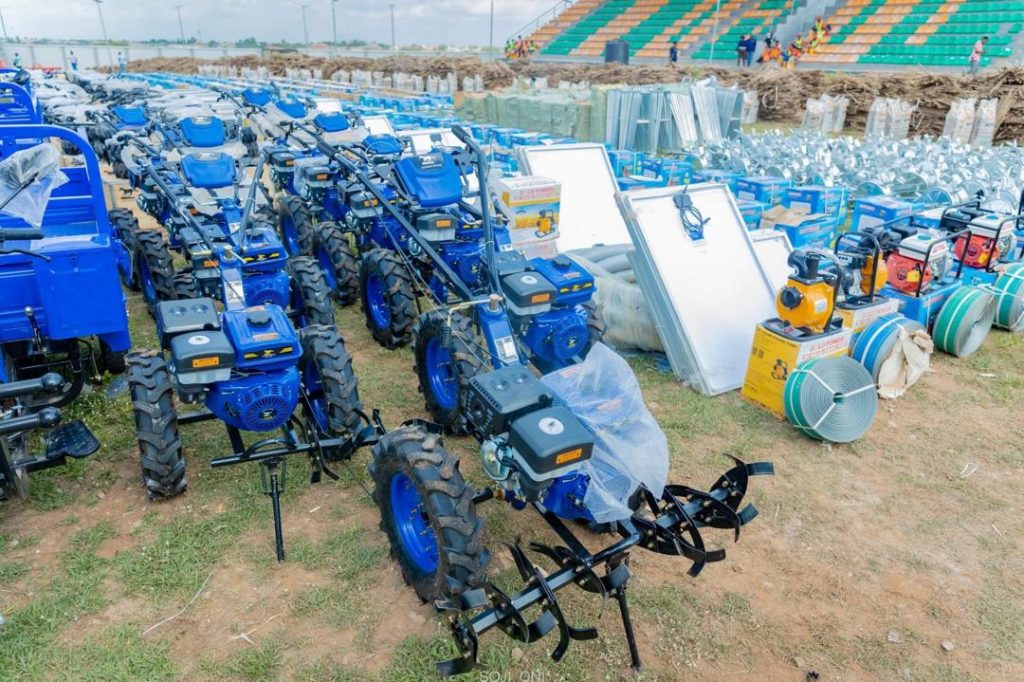
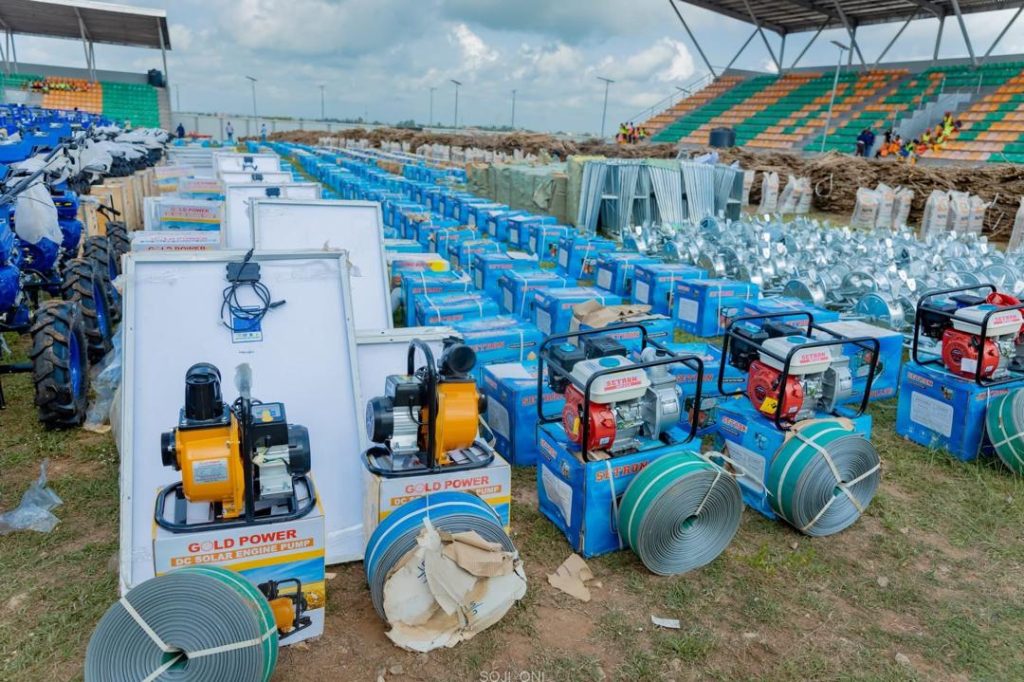
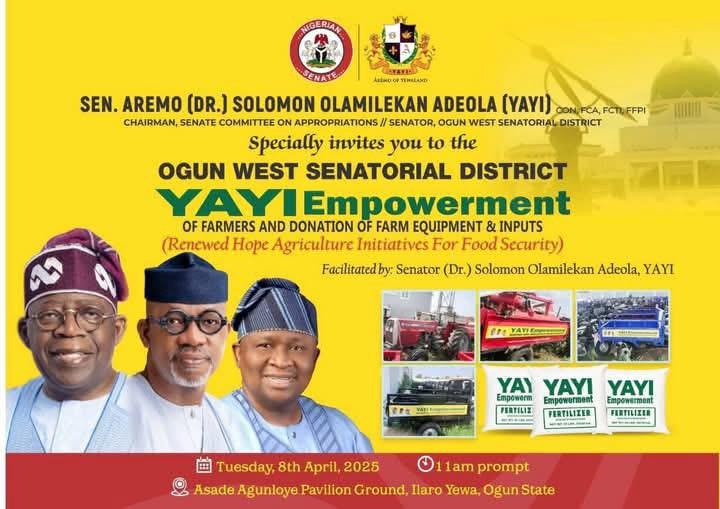
Across the five local governments, reports of celebration abound; either to commission the construction or completion of life-changing projects, as well as handing over starter packs or tools, as a form of lasting empowerment, to artisans and entrepreneurs.
Senator Adeola has fitted in perfectly as a leader who imbibed the core principles of holistic leadership; investing in others, as leaders should empower and support their team members, fostering a culture of growth and development as well as relational capacity and networking, that leaders must build strong, trusting relationships with team members and stakeholders, fostering collaboration and communication, both of which have positioned Senator Adeola as a thoroughbred, people-oriented leader, committed to the good of all.
Within the spate of Senator Adeola’s political evolution in the senatorial district, a host of notable sons and daughters of Ogun West have been offered different platforms to display their ingenuity, knowledge and skills in transforming the systems towards contributing to national development.
Senator Adeola’s profound impact on the infrastructural outlook of Ogun West has surpassed the imagination of even his critics, it gives credence to the Yoruba adage about the description of a moving elephant that can not be belittled “Àjànàkú kọjá a mo rí nǹkan fìrí, bí a bá r’érin, ká sọ p’á r’érin”, so much so, that compiling a list of his projects across the 5 local government areas of the senatorial district remains a cumbersome job, the outcome of which represents the Yayi’s Therapy for Insomnia!
The Insignificant, Yet Enchanting Impacts
There’s a notion among our people about friends from across the Niger who would not accept any potion for use in curing ailments without asking the question “ṣe ó ti ṣe ẹ rí?”, meaning have you experienced such? And the Yoruba adage about verifiable sources of information, “èèyàn tó bá fẹ́ ẹ́ pa irọ́ ló máa sọ pé ẹlẹ́rìí òun wà l’ọ́run” my encounter with some of the direct beneficiaries of Senator Adeola’s intervention has humbled me.
A smallholder farmer at Imoto in Yewa North Local Government Area of Ogun State and a dear brother has never been happier, Adisa Joseph, he is a proud owner of necessary farming tools, agricultural inputs and some home appliances, courtesy the unprecedented Yayi empowerment efforts, but that’s insignificant, considering the humongous number of empowerment beneficiaries everywhere!
The enchanting aspect is that, Adisa who was prone to making frantic calls to siblings and relatives in the cities to request money has cultivated a new habit of visiting the cities often, not to solicit funds, but to deliver fresh farm produce, fruits and livestock to the siblings and relatives, particularly those offering foster care to his children.
On one of such visits to Abeokuta, the state capital, Adisa brought a live catfish weighing more than 12kg that he caught at the River Ìdì with the fishing tools received from Yayi.
Apparently, Adisa and tons of others like him are no longer beggarly and are far from being a burden to others.
Senator Adeola will definitely not be able to include such live transformation feats in the list of his achievements, but posterity keeps record!
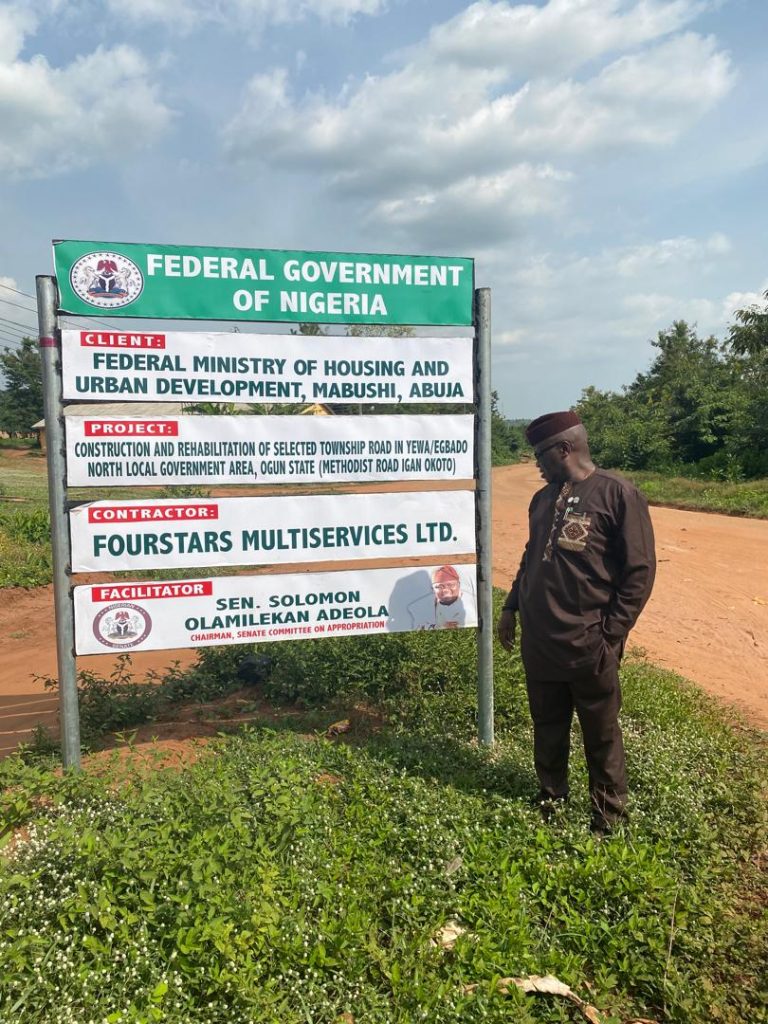
Without doubting the potency of Yayi’s Therapy, listing the prominent projects of Senator Adeola will be avoided in this piece, for want of time and space as this is not an advertorial to catalogue the location and type of the 43 road projects of varying lengths and structure spanning Ado-Odo/Ota, Imeko-Afon, Ipokia, Yewa North, and Yewa South.
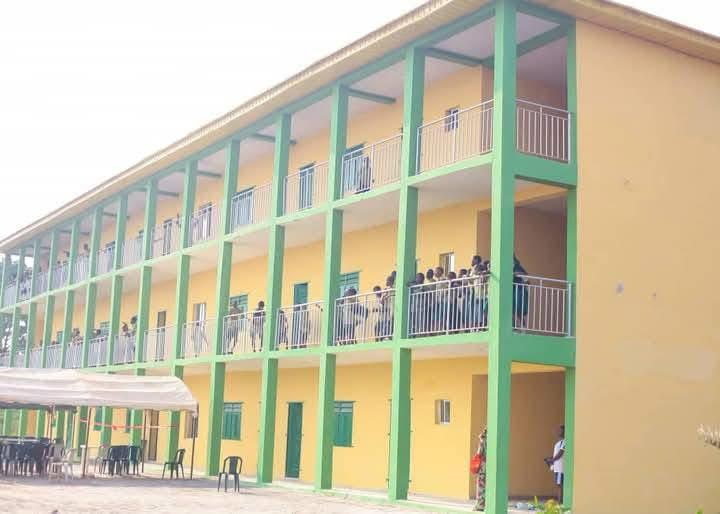
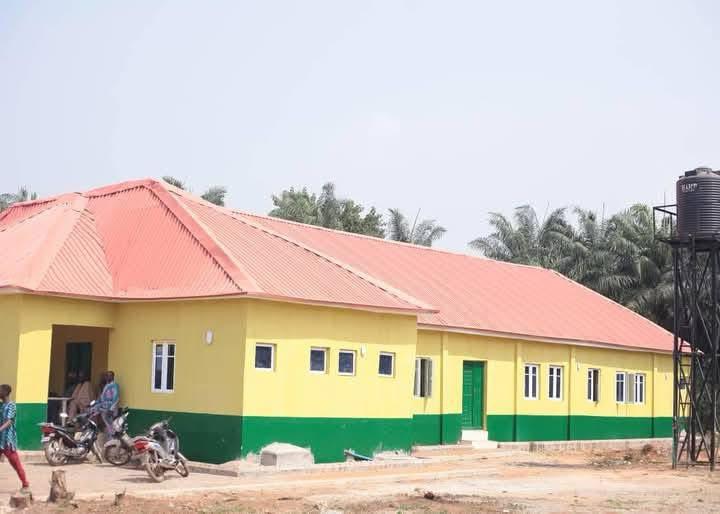
The ultramodern information and communication technology, ICT centre in a selected school per council area, construction of classrooms and other structures in 7 schools, provision of functional primary healthcare centres at 7 locations, construction of modern structures in 8 markets and provision of 5 multi-purpose town halls.
It was Satinder Dhimanin in his book, Holistic Leadership: A New Paradigm for Today’s Leaders, that said “Learning to be an effective leader requires a level of personal transformation on the continuum of self, spirit, and service”.
These are exemplified in Senator (Aremo) Solomon Olamilekan Adeola, the development-oriented and genuine lover of the people, who invested heavily on strengthening critical infrastructure and ensuring improved “Stomach Infrastructure” for his constituents.
Every excellent student deserves a promotion to higher class and for the sterling representation of his constituents, it is expedient for the good people of Ogun West and indeed the Ogun East and Central Senatorial Districts that are desirous of good governance and holistic development to project the political guru with a Midas touch as the outstandingly unique and most capable candidate from Ogun West to contest and win the state governorship election in 2027.
Rare earth metals have recently become a popular discussion and even a common headline in recent times.
Rare earth metals are an indispensable part of modern technology, serving as critical components in a vast range of industries, including consumer electronics, renewable energy, medical devices, and national defense.
These elements are key to the production of smartphones, electric vehicles (EVs), wind turbines, and military applications such as precision-guided missiles and stealth technology.
Their strategic importance has triggered intense competition among nations, leading to efforts to diversify supply chains and reduce dependence on dominant producers like China.
What Are Rare Earth Metals?
Rare earth elements (REEs) consist of 17 chemically similar elements: the 15 lanthanides, along with scandium and yttrium.
While these elements are relatively abundant in the Earth’s crust, they are rarely found in concentrated, economically extractable deposits.
This dispersion makes their mining and refining complex, energy-intensive, and environmentally challenging.
REEs are categorized into light and heavy rare earth elements.
Heavy Rare Earth Elements (HREEs)
Heavy rare earth elements (HREEs) are a subset of the 17 rare earth elements (REEs) and generally include elements from gadolinium to lutetium, along with yttrium.
Heavy rare earth elements, HREEs are less abundant and are mainly found in specialized mineral deposits such as xenotime and ion-adsorption clays.
These elements are crucial in high-tech applications, particularly in clean energy and defense industries.
Heavy REEs are scarcer and more valuable due to their unique properties in high-tech applications.
Extracting and processing these elements require specialized technology and infrastructure, further adding to their strategic significance in the global economy.
HREEs are essential for cutting-edge technologies, including renewable energy, defense systems, medical imaging, and aerospace engineering.
Their scarcity and complex extraction processes make them highly valuable and often subject to geopolitical tensions.
China dominates HREE production, but efforts are underway to diversify the supply chain and explore new mining sites worldwide.
List of Heavy Rare Earth Elements (HREEs) and their uses
Gadolinium (Gd) – Used in MRI contrast agents, neutron shielding in nuclear reactors, and specialized alloys.
Terbium (Tb) – Critical for green phosphors in lighting and displays, as well as in high-temperature magnets.
Dysprosium (Dy) – Enhances the heat resistance of neodymium-based magnets, making it vital for electric vehicles and wind turbines.
Holmium (Ho) – Used in nuclear control rods, lasers, and some high-powered magnets.
Erbium (Er) – Found in fiber optic communication systems and laser medical applications.
Thulium (Tm) – A key component in portable X-ray machines and laser devices.
Ytterbium (Yb) – Used in stress gauges, fiber optics, and as a doping agent for high-powered lasers.
Lutetium (Lu) – Utilized in PET scan detectors, catalysts in petroleum refining, and advanced optics.
Yttrium (Y) – A critical element in superconductors, ceramic materials, and LED displays.
Light Rare Earth Elements (LREEs)
Light rare earth elements (LREEs) are a subset of the 17 rare earth elements (REEs) and include the first half of the lanthanide series, from lanthanum to samarium, along with scandium.
These elements are more abundant in the Earth’s crust compared to heavy rare earth elements (HREEs), making them relatively easier to extract and process.
However, they are still considered strategically important due to their widespread applications in modern technology.
Significance and Applications
LREEs are integral to modern industries such as renewable energy, telecommunications, and defense.
Their role in high-performance magnets makes them essential for electric vehicles (EVs) and wind turbines, supporting global efforts for sustainable energy.
Additionally, they contribute to advanced optics, aerospace technology, and medical imaging, making them indispensable in high-tech manufacturing.
Despite their relative abundance, refining LREEs requires complex chemical separation processes, often leading to environmental and geopolitical challenges in their supply chain.
List of Light Rare Earth Elements (LREEs)
Lanthanum (La) – Used in hybrid car batteries, catalysts for petroleum refining, and optical lenses.
Cerium (Ce) – Plays a major role in catalytic converters, glass polishing, and self-cleaning ovens.
Praseodymium (Pr) – Essential for making high-strength permanent magnets in wind turbines and electric vehicles.
Neodymium (Nd) – A key component in neodymium-iron-boron (NdFeB) magnets, which are used in motors, headphones, and speakers.
Promethium (Pm) – A radioactive element used in nuclear batteries and specialized luminous paints.
Samarium (Sm) – Used in samarium-cobalt (SmCo) magnets, which are critical for aerospace and defense applications.
Where Are They Found?
A newly developed geological map has highlighted key global deposits of rare earth metals.
China remains the dominant player, controlling approximately 60% of global mine production and about 90% of rare earth processing and permanent magnet output.
Other major sources include:
Africa: Countries like Morocco and South Africa hold significant reserves, particularly of zinc, lithium, and cobalt, which are critical for renewable energy and battery technology.
South America: Chile and Brazil boast vast lithium reserves, a crucial component of electric vehicle (EV) batteries.
Ukraine: Recently identified as an emerging rare earth hub, Ukraine holds around 5% of the world’s reserves, adding a geopolitical dimension to the global supply chain.
Nigeria: Research indicates that Nigeria has deposits of rare earth metals, particularly in regions such as Kogi, Nasarawa, and Plateau states. While the extent of these reserves is still under study, they could play a role in the country’s mineral resource development in the future.
Challenges and Environmental Concerns
The extraction and processing of rare earth metals pose significant environmental and health risks due to the intensive mining and refining processes involved.
Open-pit mining, the most common extraction method, results in large-scale deforestation, habitat destruction, and soil erosion.
Additionally, the chemical processes used to separate rare earth elements (REEs) from ores often involve toxic solvents, acids, and large quantities of water, leading to hazardous waste by-products.
If not properly managed, these wastes can contaminate groundwater, rivers, and agricultural lands, posing long-term health risks to nearby communities.
Many rare earth ores contain radioactive elements such as thorium and uranium, which create additional hazards.
When improperly handled, these radioactive materials can accumulate in mining waste, leading to long-term radiation exposure and potential contamination of ecosystems.
Furthermore, rare earth mining generates fine dust particles containing heavy metals, which can be inhaled by workers and local populations, increasing the risk of respiratory diseases and other health complications.
Although research into more sustainable extraction methods is ongoing, including bio-leaching and ion-adsorption techniques, these alternatives have yet to be widely implemented due to high costs and technical challenges.
Governments and industries are under increasing pressure to adopt environmentally responsible sourcing and recycling practices to mitigate these impacts.
The Global Race for Rare Earths
As demand for rare earth elements (REEs) continues to soar, governments and industries worldwide are scrambling to secure stable and diversified supply chains.
China has long dominated rare earth production, accounting for over 60% of global mining and nearly 90% of processing capacity, giving it significant geopolitical leverage over these critical materials.
In response, the U.S. and European nations have ramped up investments in domestic mining projects and refining facilities, aiming to reduce dependence on Chinese exports.
Africa is emerging as a key player in the global rare earth market, with countries like Madagascar, Burundi, and South Africa developing their reserves.
Latin American nations are also being explored for their untapped mineral potential.
Meanwhile, Ukraine, despite ongoing geopolitical challenges, holds approximately 5% of the world’s rare earth reserves, making it an important future supplier.
Efforts are also underway to recycle rare earth elements from electronic waste and develop alternative materials for high-tech applications.
As nations compete for access to these essential resources, the global rare earth market is becoming increasingly strategic, shaping the future of clean energy, defense, and advanced technology industries.
Diversifying rare earth supply chains will not only stabilize global markets but also make these essential materials more affordable and widely available.
Governments and corporations are working to diversify rare earth supply chains.
The U.S., EU, and Japan are investing in mining, recycling, and alternative sources while implementing sustainability policies.
Private companies are funding new mines, developing recycling programs, and using blockchain for transparent sourcing.
Conclusion
Rare earth metals are indispensable to modern technology and industrial applications, making them a focal point in the global economy.
With China leading production and other nations racing to secure their own sources, the geopolitical and environmental implications of rare earth mining will continue to shape the future.
For African nations, particularly Nigeria and other resource-rich countries, this is a defining moment.
As demand surges due to the global push for green energy and technological advancements, governments and corporations are heavily investing in both known and newly discovered rare earth deposits to secure long-term supply stability.
For African nations, this presents both an opportunity and a warning.
While countries like China, the United States, and Australia have long exploited rare earth resources for economic and strategic advantages, Africa—with its untapped reserves—risks being left behind if proactive steps are not taken.
Nations like Nigeria, Tanzania, and South Africa possess significant mineral wealth, yet they remain underutilized.
Now is the time for African governments to recognize the value of these critical elements, invest in local mining and refining capabilities, and position themselves as key players in the global rare earth market.
Failure to act could result in the continued reliance on foreign supply chains, leaving Africa at the mercy of global power struggles over these invaluable resources.
The global shift toward clean energy and advanced technology provides an unprecedented chance to harness these critical minerals for economic growth.
However, if proactive steps are not taken—such as investing in mining, refining, and responsible extraction—the continent will remain a passive player, dependent on imported materials instead of leveraging its own wealth.
The time to act is now.
African leaders must prioritize rare earth metals as part of their economic and industrial strategy, ensuring that the continent benefits from its natural resources rather than being exploited for them.
With proper investment, regulation, and collaboration, Africa can emerge as a powerful force in the rare earth supply chain, driving innovation and self-sufficiency in the decades to come.
Acknowledgements: This feature is informed by research from Reuters, The Daily Galaxy, and additional sources on global rare earth metal distribution.
Talent, they say, is a special ability that is peculiar to a person, often described as the ability that comes without training, especially to those that regard skill as an ability acquired through practice.
Many are talented in writing, the majority can paint, sing or use musical instruments, others are talented in sports, public speaking, creativity and entertainment, communication, graphics and even spirituality.
Whether Natural talent that someone is born with or Potential Talent that can be developed if desired, talent remains an individual’s gift that can be deployed to make an impact in whatever space one is located.
What if an individual possesses the gift of gifting? Can we then conclude that Philanthropy is a talent?
That is the case of a renowned businessman and Community leader, Chief Ibraheem Egungbohun, known to many as IBD, whose virtue is charity and has continued to invest his resources in making life better for others.
Testament to the good deeds without boundaries, wrought by the Okanlomo of Yewaland, Chief Ibraheem Egungbohun, are found people without the colouration of religion, class or region.
Born 55 years ago as Ibraheem Dende Egungbohun, the philanthropist has always insisted that true fulfillment does not come from wealth nor success, but from making a positive impact on others.
IBD’s passion for philanthropy has inspired countless individuals, building a network of kind individuals who are motivated by one humanitarian that is always blocking the path of being thanked or applauded for torrents of good deeds bestowed on fellow mankind.
As the legion of beneficiaries celebrate Chief Egungbohun on his 55th Birthday on the 3rd of March, 2025, I appreciate this iconic helper, unrepentant benefactor who believes in using his resources to uplift others.
“Happy birthday to Chief Egungbohun who is always “on the ball” of benevolence, legacies would not be measured by his bank account, but by the lives he had touched and the positive changes he created as nothing could stop him from making a difference, with good sense of pride and purpose, knowing that his legacy would not be measured by his bank account, but by the lives he touched and the positive changes he created”.
Within the spate of one week, just as festivities were approaching an unimaginable and incomprehensible tragedy struck Nigeria’s landscape.
Homes bubbling with air of euphoria at expected relief was overtaken by agonising sorrow across three parts of the country: Oyo, Anambra and Abuja.
In Ibadan, the death toll was 35, mostly children, with many injured while in Anambra, the cold hands of death snuffed out 22. In Abuja, 10 were left grieving over their bereaved.
None of the families bereaved of their loved ones could ever have thought that events organised by well-meaning individuals and organisations for them to taste of the milk of kindness in the spirit of yuletide would leave them in gloom and heart rendering pain, wishing that day never came by
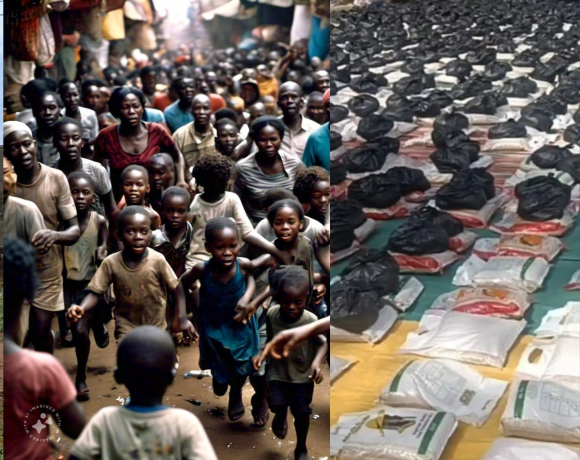
Precisely on December 18, a large crowd, most of whom were children had thronged a school in Ibadan to benefit from a yuletide largess of a philanthropist.
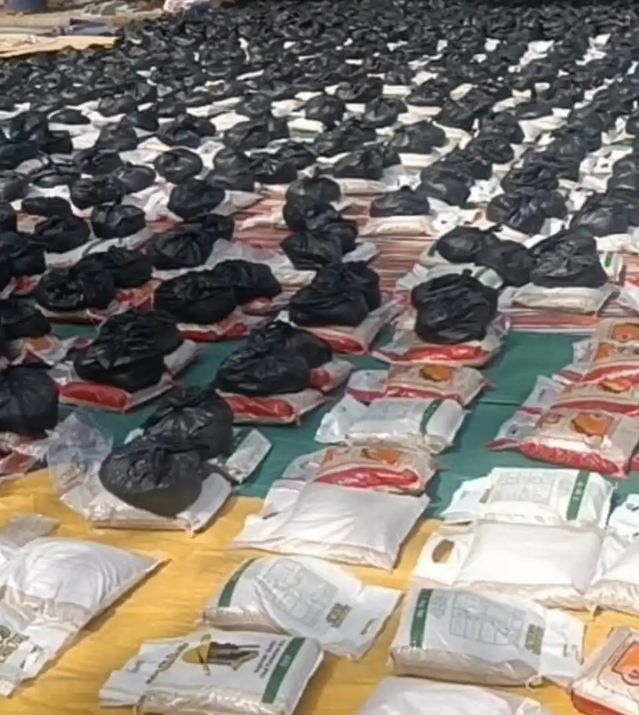
The organiser of the funfair, had planned to distribute cash and food items to over 5,000 children.
The turnout was a staggering crowd of thousands, well beyond the projected figure.
This was the forerunner of the disaster to come as stampede soon occured in the bid not to miss out of the palliative.
Just days later, another stampede occurred during a rice distribution event at a centre in Anambra State.
Besides, at least 22 persons were trampled to death,, 32 others injured.
As if these incidents were not enough, news rent the air again of another stampede in Abuja where a religious body had also intended to distribute palliatives to people in the spirit of the season.
10 people, including children, died, while eight others sustained injuries during a stampede at the church premises.
Doubtless, these incidents leave the heart with sore grief, anguish and pain.
However, they have opened up critical issues which can never be gloss over.
One could recall that consequent upon these sad occurrences, the president and some governors of the affected state had cancelled their personal engagements while they have equally ordered investigation into the incidents among other instructions especially as it has to do with safety,crowd management and control.
As good as these steps may be, it would amount to treating a wound on the surface leaving the pus to remain latent and eventually worsen the wound.
Pertinent to note that this was not the first time philanthropists would be reaching out to the less privileged, with no report of the unusual: stampedes, injuries and deaths.
It was gathered that in all the venues where the incidents occured, intended beneficiaries were there as early as five o’clock in the morning.
Infact, some were reported to have passed the night at the designated venues before the day of distribution .
This has only shown how economically impoverished Nigerians are today in a country that is globally known to be blessed with human and natural resources.
If people could keep vigil just for few congos of rice, and 5,000 naira that could only buy a congo of rice and few cups of beans, to the extent of stampeding each other, then one does not need a sooth sayer to know that these are people who have been battling with hunger.
This is consequent on economic realty in Nigeria today where having food on the table is becoming tougher for people, let alone meeting other demands of life.
While the organisers are suffering for their intended good will, it is very important that government does not close its eyes or block its ears to the issue of poverty and hunger biting Nigerians hard in the land.
Suffice to note that one of the three parameters to measure growth in a country is its ability to feed its people adequately.
Unfortunately,Nigeria is still grappling with hunger in the face of its abundance of natural resources.
Government should rise to the occasion to check rising inflation, which was triggered by the removal of subsidy resulting in hike in petroleum price, control prices of goods so that Nigerians can live a comfortable life this new year.
It is equally important to stress the need for couples to give birth to the number of children they can cater for, rather than having large number of children who end up suffering due to lack of means to feed or educate, or provide medicare for them
Philanthropists, who desire to extend milk of kindness to the less privileged must put in place necessary measures to make distribution of gifts orderly without harming any beneficiary so that their good is not evil spoken of.
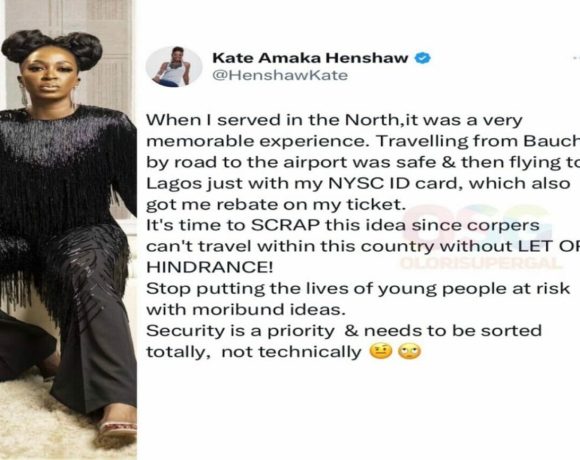
In a bold statement that has caught the attention of the public, Award-winning actress and fitness enthusiast Kate Henshaw calls for the end of NYSC.
Henshaw has taken a firm stance on the National Youth Service Corps, NYSC. program, advocating for its discontinuation.
She who has been an active advocate for youth empowerment and safety, has raised some concerns about the risks that young participants face in the current state of the program.
Henshaw questions the shifting relevance of the NYSC program, which was initially designed to foster unity, cultural exchange, and national integration among young Nigerians.
The actress expressed her concern about the safety of corps members who are posted to different parts of the country during their service year. Recent reports of security threats and incidents involving corps members in various regions have raised alarm bells, prompting questions about the feasibility of ensuring their protection throughout the program.
She took to her Twitter to say this
“When I served in the North, it was a very memorable experience. Traveling from Bauchi by road to the airport was safe & then flying to Lagos just with my NYSC ID card, which also got me a rebate on my ticket
It’s time to SCRAP this idea since corps members can’t travel within this country without LET OR HINDRANCE!
Stop putting the lives of young people at risk with moribund ideas.
Security is a priority & needs to be sorted totally, not technically”
Kate Henshaw Declares Enioluwa the Son She Never Had
Recall that some months ago on the sweet mother and son exchange that ensued between Enioluwa and Kate Henshaw. Enioluwa shared photos of himself and Kate Henshaw on his verified Instagram, with an adorable caption speaking on their mother and son bond.
Kate took to her Instagram page to share heart-melting photos with him as she expressed her love for him.
Kate also stated that Enioluwa is like the son she never had as she can’t explain her attraction to him.
Kate also wrote a set caption while raining prayers on him,
“Like the son I never had….. My darling @enioluwaofficial. I can’t explain it but I am so drawn to you from day one… So glad to have made this connection. I pray for the grace, protection, and favor of God over your life. No good thing will He withhold from you”.
This Day, necessity compelled me to celebrate an exceptional individual whose two-year tenure as the General Manager of Pensioners 106.7 FM Ibadan has left an indelible mark on the broadcasting industry.
Otunba (Dr.) Babatunde “BT” Tiamiyu, a true visionary and an iconic broadcaster, has transformed the radio station into a beacon of excellence in programming and income generation.
His remarkable achievements and unwavering dedication deserve our utmost admiration and heartfelt appreciation.
From his broadcasting tutelage at the prestigious Federal Radio Corporation of Nigeria, FRCN, Ibadan, it was evident that Otunba Babatunde possessed an innate talent and passion for the art of communication.
He honed his skills, learned from the best in the field, and emerged as a force to be reckoned with in the broadcasting industry.
His journey towards becoming a seasoned broadcaster was further enriched by his academic pursuits at the University of Ibadan, the first university in Nigeria, and the ESCEA University in Benin Republic.
Additionally, his commitment to continuous learning led him to the Institute of Information Management, where he acquired valuable knowledge in managing information effectively.
As the General Manager of Pensioners 106.7 FM Ibadan, Otunba Tiamiyu embarked on a transformative journey, dedicating himself to improving the station’s programming and income generation.
Under his astute leadership, the radio station witnessed a remarkable turnaround, capturing the hearts and minds of listeners through its engaging and thought-provoking content.
He introduced innovative programs that catered to a diverse audience, ensuring that the station remained relevant and in tune with the ever-evolving media landscape.
Moreover, Otunba Tiamiyu’s profound understanding of the business side of broadcasting enabled him to implement effective strategies for income generation.
Through strategic partnerships, creative advertising campaigns, and exploring new revenue streams, he successfully enhanced the financial sustainability of Pensioners 106.7 FM Ibadan.
BT’s ability to strike a balance between quality content and revenue generation has set a new benchmark for radio stations across the country.
Beyond his professional achievements, Otunba Tiamiyu is admired for his humility, integrity, and unwavering commitment to the welfare of his staff.
He fostered a culture of collaboration and inclusivity, empowering his team to excel and contribute their best.
His leadership style, characterized by transparency and open communication, created a supportive environment where creativity thrived, and innovation flourished.
Today, as I celebrate Otunba (Dr.) Babatunde Tiamiyu’s two-year milestone, I can’t but reflect on his remarkable contributions to the world of broadcasting.
His legacy will continue to inspire aspiring broadcasters and leaders, reminding us of the transformative power of dedication, vision, and hard work.
The success of Pensioners 106.7 FM Ibadan stands as a testament to his exceptional leadership and unwavering commitment to excellence.
I wish to extend my heartfelt congratulations and deepest gratitude to Otunba (Dr.) Babatunde Tiamiyu for his outstanding achievements as the General Manager of Pensioners 106.7 FM Ibadan.
May his future endeavors be filled with continued success, and may his legacy continue to shape and inspire the broadcasting industry for generations to come.
It is incontrovertible that the performance of President Tinubu has beaten the imagination of his close associates and other poles apart within a short interval since his inauguration on 29th May, 2023.
Obviously, steps and decisions so far taken indicate that BAT prepared himself for the plum job compared to most of his predecessors who once occupied Aso Rock.
Despite stiff challenges and opposition on all fronts, the President has hit the ground running, focused, assertive, fair, effective and decisive.
So far, the BAT’s presidency has in less than two months posted some scorecards, which include appointment of key aides including service chiefs with national spread, though there are feelings in some quarters that the appointments tilted more towards Yoruba, compared to other sections of the country, as was the case with the last administration.
Like Tsunami, Mr President gave the boot to Godwin Emefiele, the CBN governor, Ibrahim Bawa, the controversial EFCC Chairman and MDAs Boards that shaped the policies of the former administration.
Also noteworthy was the immediate signing students’ loan bill into law as well as four Executive Orders that overturned the prevailing anti-people’s policies, roadmap on economic policy and revival.
He has equally within the time frame held meeting with the representatives of Monarchs across the nation, parleyed with JOHESU, NLC and opposition leaders.
His election as Chairman of ECOWAS Heads of States/Governments at his first attendance could be described as a plus less than two months into his presidency.
However, there are issues which President Tinubu has inappropriately handled or has not adequately responded to. First was the abrupt removal of oil subsidy without providing any cushion for the masses resulting in general economic hardship.
Though the Students’ Loan Bill is a welcome development, it may not be appropriated by indigent students because of its stringent conditions while also the upward review of school fees by higher institutions looms in the country.
Deadly terror attacks has been recorded in Benue State, Plateau State, Southern Kaduna and some other places, and Nigerians await swift response from the President, who have also kept mute over alleged provocative utterance by former Gov. El-Rufai’s, which could inflame religious tension, though the Kaduna ex-governor has eventually said he was quoted out of context.
Nigerians want a clean departure from the immediate past administration, and are waiting to see if BAT will reverse questionable appointments made by the former president or his lieutenants at the eve of their exit, and the president has been silent on media speculation that he intends to appoint certain controversial and discredited individuals into his cabinet.
While the President mulls possibility of a unity government, suspicion is rife among the opposition political parties that they may soon lose their voice on the assumption that the nation may become a one-party state in the new dispensation.
This fear could be premised on past records.
By and large, Tinubu’s Presidency has lots of prospects if the current tempo is maintained and sustained. Concisely, the nation will like to see an administration immensely bringing its weight to bear on areas such as the sanctity of human life, rule of law, fiscal federalism, discipline and sanity of MDAs and state apparatus, discontinuation of selective justice, discontinuation of political interference on high profile cases, bridging North/South suspicion and dichotomy, prudent management of oil and other mineral resources better, massive job creation, foreign investment, and infrastructure leap, with a view to reducing JAPA syndrome, efficient public service devoid of bottlenecks and undue bureaucracy, with reduction in the cost of governance.
And not the least, Nigerians want to sleep with their two eyes closed, hence Mr President should prioritise reorganizing the armed forces; pursuit of enhanced synergy among security agencies under a strong West African regional block could turn the tide in this direction as some countries in the block are plagued by extremists and other non-state actors.
BAT has no god-father, will this count for his being able to take decisive actions on matters of public interest without minding stepping on toes?
By Olaitan Oye-Adeitan, Maxwell Oyekunle, Tawakalt Famuyiwa, Tunde Adebisi
Come May 29, 2023, the Eagle Square in Abuja will be a cynosure of all eyes from home and the International community for the inauguration of the president-elect, Asiwaju Bola Ahmed Tinubu.
The inauguration is a ceremony to mark the commencement of a new four-year term as the president takes the presidential oath of office, the high point of the occasion.
Similarly, in Ibadan, the Capital of Oyo State, all roads lead to the Lekan Salami Sports Complex, Mokola, Ibadan for the swearing-in of the incumbent governor, Seyi Makinde, who would be taking up the mantle of leadership for another four years.
No doubt, Nigerians eagerly look forward to this day as preparations are on by outgoing leaders to ensure a smooth transition.
However, beyond the side attractions, the pomp and pageantry that often characterizes the day are the heartfelt desires of Nigerians from the incoming government.
The submissions of those who spoke with Radio Nigeria are indicative of people earnestly desiring a transition that will birth transformation.
In the words of the Chairman, Nigerian Union of Journalists, NUJ, FRCN Ibadan Chapel, Mr Oluwakayode Banjo, the president-elect, Asiwaju Bola Ahmed Tinubu, must work towards uniting Nigerians for the enthronement of political, religious and ethnic peace.
“The first job the president-elect should do is to find a way to unify the country because the election showed us people are divided, people voted based on tribe, this person is of my tribe, that person is from the same religion, people did not look at what this person has to offer, what are his antecedents. In fact, some people believe Nigeria is still not practising democracy.” Banjo said
NUJ Chairman, FRCN Ibadan Chapel, Mr. Oluwakayode Banjo
A retiree and clergyman, Pastor Oladipupo Olukoya who spoke in English and Yoruba emphasized the need for the incoming administration of Asiwaju Bola Ahmed Tinubu to tackle the problem of joblessness such that young graduates would be gainfully employed.
Pastor Olukoya, however, lauded the efforts of Governor Seyi Makinde of Oyo State during his first term in office and advised him not to rest on his oars, to correct in the people, the notion that, most governors who were re-elected for the second term hardly perform better than they did during their first tenure.
Pastor Oladipupo Olukoya
Another respondent who does not want his name mentioned, appealed to the new administration to do all it could to alleviate the economic challenges that had made many citizens suffer unjustly.
In her own thought, a lady by the name, of Demilade, said the president-elect who is assuming the presidential seat as a new leader should endeavour to make things new indeed.
Demilade
To another resident of Ibadan, a man who simply wants to be addressed as Seyi, the incoming leaders had made so many promises during electioneering, it would be good if they lived up to expectations.
Resident of Ibadan, Seyi
Asiwaju Bola Ahmed Tinubu would be the fifth president-elect since Nigeria returned to democratic rule in 1999.
At this season in Bethlehem, a little town of no consequence, something phenomenal took place on a dark, starry and wintry night.
It was a holy night when floods of light swarmed around some shepherds abiding by their sheep by night.
Then came the sonorous voices of the angelic host, heralding the birth of a unique child born of a virgin woman by the name of Mary, and espoused to Joseph from the lineage of David.
The message from the angels was succinct a saviour christened Jesus Christ has been born.
This is the genesis of Christmas.
Nativity Scene
Jesus’ birth, a special gift to men by God, was one that offered hope to humanity hitherto condemned to eternal loss by the grievous fall in the Garden of Eden when Adam and Eve disobeyed God.
The mood of the heralding angel captured the immeasurable mercy of God offered unto men, even in their sinful state as the angels chorused, glory be to God in the highest and on earth, peace and goodwill to all men.
Undoubtedly, humanity today is in dire need of peace as the world grapples with one turmoil or the other.
In Nigeria for example, citizens currently swim against the tide of insecurity, kidnapping, banditry, armed robbery, ritual killings and terrorism with people living in apprehension day and night and uncertain of tomorrow.
God foreseeing the state of things sent Jesus Christ, known as the Prince of Peace, Emmanuel, Counselor, Wonderful and Everlasting father to offer a way out of the turbulence.
The route to this lies in his lifestyle which is an incomparable model for man to follow.
As a shepherd, his leadership example is a beacon to all those in positions of authority today on how to manage and ensure the welfare of people.
Typically, peace is the rallying point of this season and goodwill; hence, Nigerians should do all within their power to promote harmony across religious, political and ethnic divides.
Like Jesus Christ, political leaders should demonstrate goodwill towards the populace by formulating policies that will promote their well-being.
Leaders need to relate with their followers with every sense of humility giving room to criticisms despite their positions, for the birth of Jesus Christ exemplified humility, as he was born in a manger, though King of kings and Lord of lords.
Citizens, on their part, should also complement the efforts of leaders by shunning activities that endanger peace including provocative utterances, the spreading of fake news and all forms of violence.
Religious leaders equally also have a role to play in enthroning peace in society.
There is no denying the fact that they are a leading voice in moulding the opinions and attitudes of their adherents.
As the world celebrates Christmas, it behoves on all and sundry to work together and change the current narrative in the country for the better just as Mahatma Gandhi, a former Prime Minister of India, says, “be the change that you wish to see in the world”.
On the 28th, of last month, the gong of electioneering was struck across the nation as stipulated by the Independent National Electoral Commission, INEC.
The commission had said the campaign for presidential and national assembly elections should commence that day while that of governorship and state houses of the assembly was to begin on October 12, this year.
Already political gladiators are on the track of events with familiarization visits, and pasting of posters to signal their ambitions to vie for various seats of governance.
However, events of the past had shown that hardly was there electioneering in the history of the nation without pockets of violence.
There had been reports of political trains of parties clashing during campaigns while political thugs unleash terror on members of opposition parties in defence of their own party.
Many Nigerians who were quietly going about their lawful businesses had also fallen victim to political campaign violence, with records of loss of lives and property.
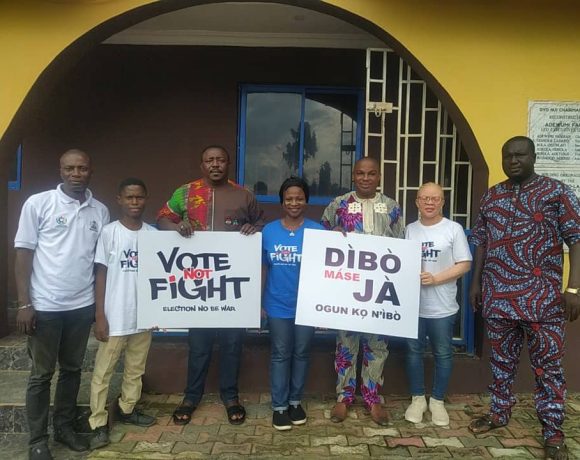
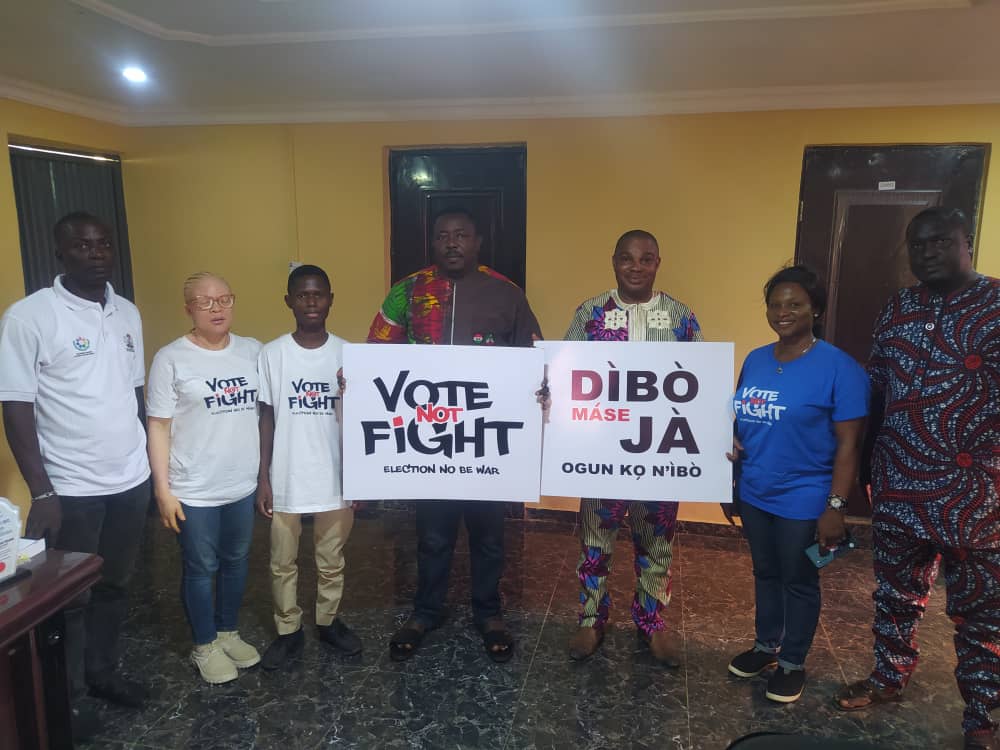
An advocacy visit to the NUJ Chairman Oyo state Council by the Oyo state Vote, not Fight Campaign Team.
For instance, during campaigns ahead of the Osun state governorship election, a couple of months back, there were instances of attacks on the convoy of a sitting governor, and that of a minister in the same state.
Also in Ekiti, during the governorship election;
Despite great logistical organization and peaceful voting, the campaign period was marked by turbulence and several notable interparty clashes.
Civil society and election observer groups concentrated on instances of vote-buying along the highly successful election administration by INEC which resulted in smooth voting, direct online transmission of results, and one of the earliest winner declarations in recent Nigerian history as the result was announced on night of the election.
At this juncture, it should be noted that political violence is nothing but a great threat to public peace and there is no justification for such.
Hence, it is expected that as candidates and their party agents begin to move around cities, nooks and crannies of the country to seek the support of the people it should be done in a peaceful manner.
They should abide by laid down principles and the peace pact signed on behalf of their parties in a bid to realize their aspirations.
Relevant agencies, non-governmental organizations, stakeholders, and individuals should collaborate with security operatives in protecting lives and property during campaigns.
Above all, there can never be peace in an atmosphere of violence and rancour, all Nigerians especially political parties should embrace peace as this watchword at this time.
Write-up:
Taiwo Akinola
Subscribe to our Telegram Channel and join our Whatsapp Update Group
I pledge to Nigeria my country, to be faithful, loyal and honest. To serve Nigeria will all my strength, to defend her unity, uphold her honour and glory, so help me God.
Nigerian Pledge
No matter where we are on the face of the planet, there’s really no place like home.
Nigeria remains our home, I know a lot of people have been saying all manner of negative things like, “What’s there to celebrate?”, “Are we truly independent?”, “There’s no hope for this country!”, “Nigeria is a scam! e.t.c.
I totally agree that Nigeria may not yet be where we desire, but let’s appreciate how far we have come, let’s continually play our part in pushing for the progress and unity of this great country.
Together we can truly bring about the positive transformation of our nation if we truly want to, let’s not be discouraged.
I know a lot of things are not going the way we went them but let’s not lose hope, let’s keep the faith in the glorious future of our dear country.
Let’s desist from all acts capable of causing retrogression and moves capable of bringing the image of the country into disrepute.
Nigeria will be great again.
We shall surely overcome all obstacles.
Avoid corrupt practices and playing politics of bitterness, tribalism, and violence, especially as the general elections in 2023 move closer.
Let’s believe in Nigeria, let’s all work together for the advancement of our Motherland, and let’s build a nation and country future generations will thank us for.
God bless the Federal Republic of Nigeria.
God bless us all.
God bless Nigeria
Nigeria, my beloved country, Nigeria, home if heroes and heroines, Nigeria, heart of Africa. Nigeria, most powerful black nation, Nigeria, promised land of the black race.
l shall ever make thee grow, yeah! At childhood, youth, Adolescence and adulthood, I shall ever think of thee. All my life, I shall make thee grow.
God bless Nigeria The land full of milk and honey, Destined with good nature Blessed with good culture, God bless my country.
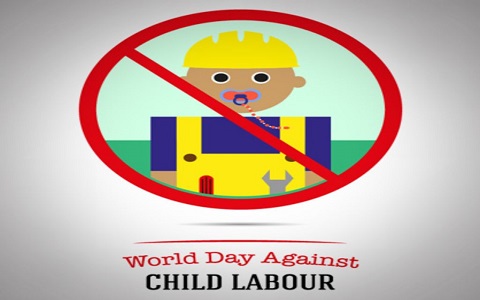
Ogun State government has been urged to implement social protection policies that will address the issue of forced labour among children in the state.
The Chairman, Ogun State Steering Committee on Child Labour, Mr Eshomounu Itemoagbo made the call in Abeokuta at the commemoration of World Day against Child labour.
The Committee Chairman, Mr Itemoagbo, who applauded the government for initiating the Home Grown School Feeding Programme among other interventions to nurture the children, emphasized more efforts in the area of child protection and prevention of school dropout.
Other speakers, including the representative of Child Protection Network, Mrs Ikepo Adebayo, Mr Fashina Adebayo of the Ministry of Women Affairs and the Mrs Tolulope Kowo from the Ministry of Information expressed concern that the rights of children were being trampled upon by those who ought to protect them and appealed to stakeholders to strengthen the war against the right of the child.
They described the theme for this year’s celebration, “Universal Social Protection to End Child Labor” as a clarion call for government, religious bodies, non-governmental organizations and all adults to rise against all forms of child labour.
Cloves are the aromatic flower buds of the clove tree.
They are native to the Spice Islands near China, cloves spread throughout Europe and Asia during the late middle ages as an important part of local cuisine.
Cloves are available throughout the year owing to different harvest seasons in different countries.
Today, cloves remain an important spice that gives many dishes special kick and also serve as herbs which can cure many diseases.
Cloves can be used whole or ground.
People often include ground cloves in spice mixes and whole cloves in recipes to add depth and flavor to a wide variety of foods.
Cloves are low in calories but rich source of manganese and an otherwise insignificant source of nutrients.
It is also a good source of fiber which serves as source for different nutritional benefits.
These small dark brown pods are used to spice up curries, season meats, enrich sauces and even flavor spiced-baked foods.
Cloves are a great source of beta-carotene, which helps give them their rich brown color.
The carotene family of pigments is important antioxidants and pro-vitamins.
Carotene pigments can convert into vitamin A, an important nutrient for keeping your eyes healthy.
Some health benefits of cloves include reduced inflammation, thereby it helps in reducing the risk of diseases such as arthritis and helping to manage symptoms.
According to a 2018 review, clove oil, and specifically the constituent Eugenol, shows advantages over potassium sorbate, sodium benzoate, and other chemical food preservatives in terms of antimicrobial activity, safety, and aroma, making it worthy of consideration as a substitute food preservative.
Medical experts noted that cloves are full of antioxidants, compounds which help the body to fight free radicals that damage the body cells and reduce risk of developing heart disease, diabetes, and certain cancers.
Report also shows that cloves may promote better liver function.
Some trials have shown that the Eugenol found in cloves can help reduce signs of liver cirrhosis and fatty liver disease.
Cloves have been used in traditional Chinese and Ayurvedic medicine to strengthen the immune system, reduce inflammation and aid digestion.
Clove oil is used to kill parasites and repel insects as it contains Eugenol, a powerful germicide, as well as caryophyllene, which has antimicrobial properties.
Clove oil is perhaps best known as a remedy for toothache and dental pain.
The antibacterial properties of clove may help reduce oral bacteria that can lead to the development of plague, gingivitis, and cavities.
As beneficial as cloves are many Nigerians are yet to take advantage of it because they lack knowledge of what it entails and its numerous health benefits.
It behooves relevant stakeholders in the health sector to embark on an aggressive campaign on this medicinal plant to enable people take advantage of the health benefits it has.
Media organisations can partner health institution on regular awareness on clove and its advantages.