Environment

By Maxwell Oyekunle

The African Union, AU, has set water security and sanitation as its central priority for 2026, adopting a theme focused on sustainable water availability and safe sanitation systems to drive the goals of Agenda 2063.

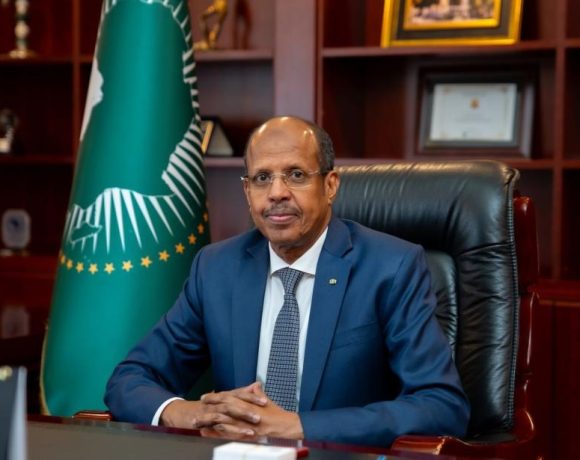
Chairperson of the African Union Commission, Mr Mahmoud Ali Youssouf, said the decision was taken during the bloc’s 39th Ordinary Session in Addis Ababa, noting that water remains fundamental to Africa’s development, public health and economic growth.

Mr Youssouf said water scarcity and poor sanitation continue to hinder progress across the continent, with millions still lacking access to clean water and basic sanitation, particularly in rural communities.

He stated that the situation disproportionately affects women and girls, who often travel long distances to fetch water, limiting opportunities for education and economic participation.

The AU Commission Chairperson warned that climate change is worsening the crisis through increased droughts, floods and changing rainfall patterns, threatening livelihoods dependent on agriculture.

Mr Youssouf added that nearly 60 per cent of Africa’s freshwater resources are transboundary, stressing the need for stronger cooperation among countries to prevent conflicts and ensure equitable use.

He said the African Union is developing an implementation strategy to promote innovation, strengthen water governance and expand sanitation infrastructure, with a focus on community participation and inclusion of youth and women.

Mr Youssouf called on governments, the private sector and development partners to invest in water and sanitation systems, noting that Africa’s growing population will intensify pressure on existing resources.

He maintained that success would be measured by improved access to clean water and functional sanitation systems, rather than policy declarations.

Follow us on Telegram and YouTube, and join our WhatsApp Update Group for more news updates.
Foreign

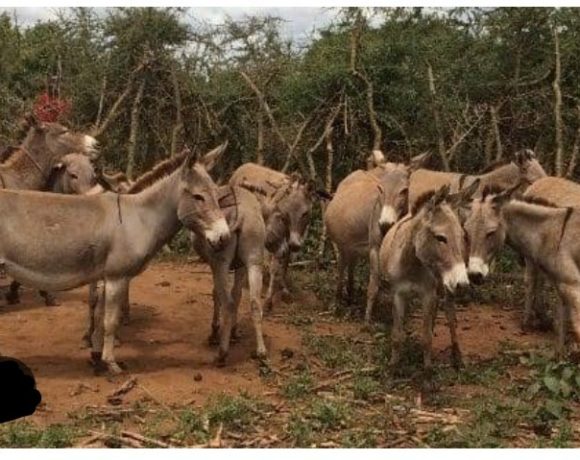
Animal welfare charities have welcomed an Africa-wide ban on the controversial donkey skin trade.

It will make it illegal to slaughter donkeys for their skin in 55 countries across the continent.

Demand for the animals’ skins is fuelled by the popularity of an ancient Chinese medicine called Ejiao, traditionally made from donkey hides.

African state leaders approved the ban at the conclusion of the African Union summit in Ethiopia on Sunday.

The charity, the Donkey Sanctuary, called the the trade “brutal and unsustainable” and said it had decimated donkey populations around the world, particularly in Africa and South America.

Ejiao is believed by some to have anti-ageing and health benefits, although this is unproven. Chinese companies that make it used to use skins from donkeys sourced in China. But when the numbers of the animals in the country plummeted, they looked overseas.

“At first our governments saw this as an opportunity, and many legal slaughterhouses opened in Africa,” explained Dr Solomon Onyango from the Donkey Sanctuary in Kenya.

“But, [here in Kenya], between 2016 and 2019, about half of our donkeys were killed for the trade,” he said.

BBC / Titilayo Kupoliyi

News

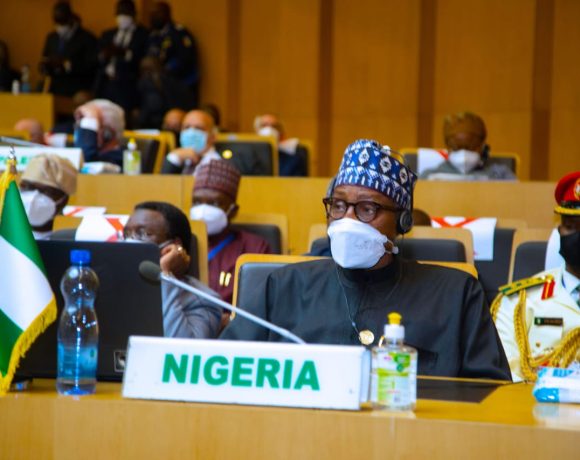
President Muhammadu Buhari Saturday in Addis Ababa, Ethiopia, said Nigeria will continue to pursue peace and progress in Africa, and other parts of the world, by consistently pushing for justice, fairness and inclusiveness in global affairs.

In a sideline meeting with the Prime Minister of Palestine, Mohammad Shtayyeh, at the ongoing African Union meetings, President Buhari said the country remains unwavering in supporting democracy, development and good governance, particularly in ensuring the rights of individuals and institutions.

“As a country we are doing our best, and we will continue doing our best to ensure justice and fairness,” he said.

The President assured the Palestinian leader that Nigeria will be “consistent” in pushing for peace and progress, while upholding the tenets of justice.

In his remarks, the Palestinian leader noted that the situation in the Middle East, particularly relations with Israel, had deteriorated over the years, adding that the world needs to know the facts.

Shtayyeh thanked President Buhari for his leadership role in the continent.

“Your Excellency, we thank you for your wisdom. We need it more now.

“Please continue to stay well and healthy, because we need your wisdom,” he said.

PR/Adewumi Faniran