
Environment

By Rotimi Famakin

Growing urbanization and coastal erosion are critical factors currently affecting ecotourism development and conservation of biodiversity in Nigeria.

Director General, Nigerian Conservation Foundation, NCF, Dr Joseph Onoja stated this while delivering a lecture organized by the Department of Wildlife and Ecotourism Management, University of Ibadan.

Dr Onoja, who explained that there was the need for protected areas to promote biodiversity and fulfil human needs, said land encroachment, wastes deposited by residents due to urbanization and erosion during the wet season, were affecting ecotourism development

NCF Director General, who said the foundation was established in 1980 and registered in 1982, emphasized the need for individuals, institutions and corporate organizations considering conservation areas and ecotourism, to harness large areas as urban development might affect protected areas.

The guest lecturer added that ecotourism not only enhances harmonious human relationship with nature but also constitutes a source of revenue, and reduces air pollution and climate change.

 In his remark, the Dean Faculty of Renewable Natural Resources, Professor Adejoke Akinyele,  represented by Professor Emmanuel Ajani, said the lecture was timely as attention was being shifted to ecotourism due to opportunities that are embedded in the sector.

He said there was a need for partnership with other agencies on conservation so as to replicate the Lekki Conservation Centre in the University of Ibadan.

The Vice-Chancellor, the University of Ibadan, Professor Kayode Adebowale represented by the Dean of Social Sciences, Professor Oluwadayo Sonibare traced the historical background of the department to 1981 when the Faculty of Forest Resources was anchoring two courses in wildlife and fisheries.

Professor Adebowale, who said the institution was working towards developing Oba Dam in the university to become a tourist centre, noted that the university had been at the forefront of championing ecotourism and biodiversity conservation in Nigeria.

Professor Adebowale said the Biodiversity Conservation Club inaugurated on the occasion was the right step as it would register consciousness in the minds of young folk on the need to promote ecotourism and the conservation of biodiversity.

Earlier, the Head of the Department of Wildlife and Ecotourism Management, Professor Abosede Omonona, said the lecture which was third in its series was conceived out of the desire to examine the impact of lecture room teachings on the public. 

  Professor Omonona said feedback from actors in ecotourism would enable the department to have a grasp of the challenges facing the tourism sector, and emphasized the importance of collaboration so as to achieve environmental protection and save natural resources.

She said the inauguration of the biodiversity conservation club on the occasion was a long-conceived idea in view of the creative mind and inherent talents deposited in the students to promote ecotourism and biodiversity conservation.

Subscribe to our Telegram and YouTube Channels also join our Whatsapp Update Group
News Analysis

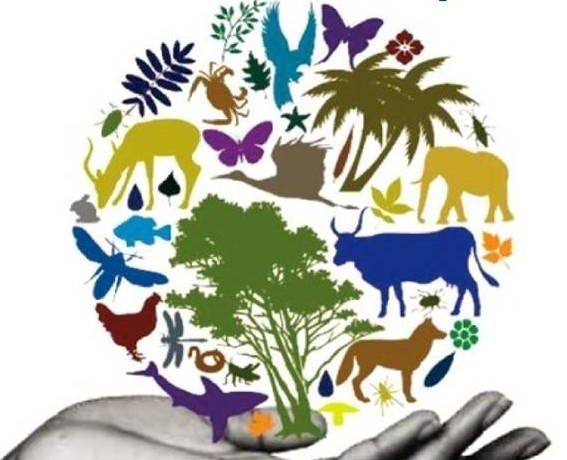
Biodiversity which refers to the variety of plant and animal life in the world or in a particular habitat is important to humans for ecological life support.

Biodiversity is the variability among living organisms from all sources, including terrestrial, marine, and other aquatic ecosystems. 

It gives a functioning ecosystem that provides oxygen, clean air and water, pest control, waste and water treatment as well as supports larger number of plant species and greater variety of crops.

There are three main types of biodiversity which includes; species, genetic and ecological diversity.

Every ecosystem contains a unique collection of species, all interacting with each other. 

Therefore, biodiversity also boosts ecosystem productivity where each species, no matter how small has important roles to play.

A healthy biodiversity provides a number of natural resources for everyone, which includes ecosystem services, biological resources and social benefits.

Biological diversity resources are the pillars upon which civilization is built. For instance fish provide twenty percent of animal protein to about three million people globally.

Furthermore, over eighty percent of human diet is provided by plants.

This is evident as report shows that over eighty percent of people living in rural areas in developing countries rely on traditional plant-based medicines for basic health care.

Though, there is growing recognition that biological diversity is a global asset of tremendous value to future generations, yet the number of species is being significantly reduced by certain human activities like degradation, fragmentation of habitats, pollution, exploitation and introduction of alien species.

Also, loss of diversity threatens all, including people’s health. It has been proven that biodiversity loss could expand diseases transmitted from animals to animals.

On the other hand, if biodiversity is intact, it offers excellent tools to fight against pandemic like those caused by corona virus.

Due to the importance of biodiversity and its preservation to human existence, the United Nations set aside every 22nd of May as the international day for biological diversity to increase understanding and awareness of diversity issues.

This year’s theme is we’re part of the solution which emphasises that the solution is in nature which serves as a reminder that biodiversity remains the solution to several sustainable challenges.

It behoves every individual to play his or her role in conserving biodiversity for a healthy society.

The government both at the federal and local levels should put in place functional legislation that protects natural habitats.

While creation of national parks as well as provision of modern equipment in the parks for effectiveness should be looked into.

Above all, use of alternative energy sources and nature or sustainable products will reduce effects of climate which is a way of conserving biodiversity. 

Titilayo kupoliyi

Environment

National Environmental Standards and Regulations Enforcement Agency, NESREA has advocated the need for the conservation of biodiversity to sustain the environment for human benefit.

The state coordinator of the agency in Oyo State, Mr Toyin Obagiri made the call while speaking with Radio Nigeria on the occasion of world environment day.

Mr Toyin Obagiri, who hinted that in Nigeria bio-diversity conservation and management had been facing a lot of challenges ranging from bush burning, land clearing, over grazing and other environmental pollution said the agency had over time made steps to protect the environment for optimal efficiency.

The NESSREA state coordinator, Mr Obagiri maintained that it was essential for all to show positive attitude to the environment and prioritize the need to sustain it

He added that the environment was an asset of every country hence, it should be treated well.

World Environment Day is celebrated on 5th of June every year.

It is the United Nations’ principal vehicle for encouraging awareness and action for the protection of our environment

Adedayo Adelowo