Foreign

Turkey has issued an international arrest warrant for the founder of a cryptocurrency trading platform.

State media report that Faruk Fatih Ozer fled to Albania with an alleged $2bn from 391,000 investors.

Police also arrested 62 people in simultaneous dawn raids in eight Turkish cities over alleged connections to Mr Ozer’s company, Thodex.

Mr Ozer called the allegations against him “baseless” and said he is in Albania for work meetings.

The Turkish justice ministry has begun legal proceedings to seek the arrest and extradition of Mr Ozer from the Albanian capital Tirana, Andalou reported, adding that Interior Minister Suleyman Soylu had spoken to his Albanian counterpart on the phone.

Interpol issued a red notice for Mr Ozer on Friday after receiving a request from Ankara.

https://buy.tinypass.com/checkout/template/cacheableShow?aid=tYOkq7qlAI&templateId=OTBYI8Q89QWC&templateVariantId=OTV94JNS34IRH&offerId=fakeOfferId&experienceId=EXAWX60BX4NU&iframeId=offer_d775c974438729982894-0&displayMode=inline Increasing numbers of Turkish people are opting to use cryptocurrencies in an attempt to protect their savings from a sharp decline in the value of the local currency, the lira. But the Turkish cryptocurrency market is unregulated.

Last week, Turkey said it would ban the use of cryptocurrencies to pay for goods and services from 30 April.

What happened to Thodex?

Things started to look amiss on Wednesday when Thodex posted a mysterious message saying it needed five days to handle an unspecified outside investment. It then suspended trading.

Investors started to contact the authorities, with complaints against Thodex up by more than 1,160% compared to the previous week.

On Thursday, Turkish security officials released a photo of Mr Ozer, believed to be 27 years old, at Istanbul Airport travelling to an undisclosed location.

It was later confirmed by security sources that he had been in Albania since Tuesday.

In a message posted to Thodex’s official Twitter account that day, Mr Ozer denied the allegations.

He said he was abroad for meetings with foreign investors, and that he would return to Turkey “in a few days and cooperate with judicial authorities so that the truth can come out”.

Then at 06:00 local time (03:00 GMT) on Friday, the police launched raids in eight different Turkish cities, including Istanbul, where they searched the company’s headquarters and seized computers and digital materials.

They had warrants to arrest 78 suspects in total, and have detained 62 so far.

Officials have also frozen Mr Ozer’s bank accounts.

BBC
Economy

Early this month, there was a stir in the world of digital currencies when the central bank of Nigeria, CBN, pulled the plug off trading in Cryptocurrency.

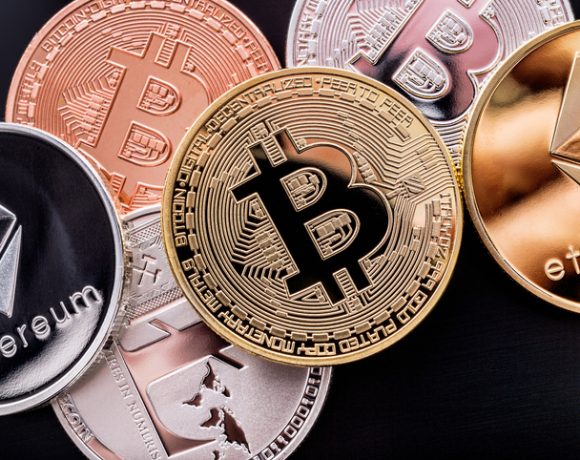
A Cryptocurrency or crypto is a digital asset designed to work as a medium of exchange wherein individual coin ownership records are stored in a ledger existing in a form of computerized database.

The evolvement of crypto is traceable in part to the American cryptographer David Chaum who in 1983 conceived an anonymous cryptographic electronic money called e-cash.  

Unlike conventional currency, crypto does not exist in physical form (like paper money) and not issued by a central authority, thus encryption, which Crypto currency thrives on, prevent oversight, accountability, and regulation.

Records show that in the last five years, Nigeria has traded sixty thousand, two hundred and fifteen bitcoins, valued at more than five hundred and sixty-six million dollars which is the largest volume worldwide on a leading peer-to-peer bitcoin marketplace.

Millions of Nigerians make up the trade in bitcoin. 

For example, between January and September, during the lockdown, a bitcoin platform reported a one hundred and thirty-seven percent increase in new registrations in Nigeria.

Amidst the criticisms and argument that trailed its action, the CBN had sought to clarify its position.

According to the apex financial regulatory body, its pronouncement about Cryptocurrency on February 5, 2021 was not in any way a new restriction as all banks in the country had earlier been forbidden, through CBN’s circular dated January 12, 2017, not to use, hold, trade and/or transact in Cryptocurrencies,

While expressing concern that Cryptocurrencies are issued by unregulated and unlicensed entities, it pointed out the use of Cryptocurrency in the country goes Against CBN key mandates enshrined in the CBN act (2007) as the issuer of legal tender in Nigeria.

 Cryptocurrency is not restricted to Nigeria, how then is crypto viewed in other countries globally and by financial institutions?

 There is a consensus by global financial regulators about the significant risks that transacting in Cryptocurrencies portends which includes loss of investments, money laundering, terrorism financing, illicit fund flows and criminal activities.  

This cannot be far from the truth.

According to reports, the CBN was recently alerted by the FBI that scammers were using Cryptocurrencies to defraud people, as yahoo boys, raked large chunks of money released as stimulus in the wake of the devastating effects of the covid-19, which put many Americans out of jobs.

Also, fraudsters were said to have remitted between $200 and $300 million to Nigeria every week, using Cryptocurrencies.

Incontrovertibly, insecurity remains a daunting concern in the country with mounting attacks from Boko Haram, bandits and other criminal elements, who obviously have financial bulwark for arms purchase.

Besides terrorists, Cryptocurrency, going by its cryptic nature is a safe haven or outlet for drug cartels in receiving clandestine payments with third party, financial regulators effectively sidestepped.

It is quite essential that government keep track of nefarious activities to tackle growing security and economic threat.

In the light of this, government need to significantly sensitize Nigerians on how skewed the demerits of Cryptocurrency are compared to its perceived advantages.

To further strengthen the justification for the step taken on crypto, CBN might need to constantly engage Nigerians on air and online with emerging facts and trend in Cryptocurrency demerits.

 Simeon Ugbodovon