Agriculture

By Lanre Omotoso

Desertification and drought must be tackled to prevent the desertification of fertile lands in the country.

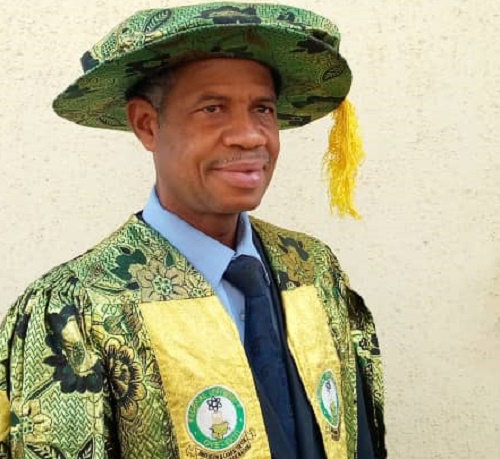
A lecturer in the Department of Soil Science and Land Resources Management, Federal University Oye-Ekiti, Professor Olubunmi Shittu gave the advice in Ado Ekiti to commemorate the day. 

Professor Shittu identified deforestation, overgrazing, and inappropriate farming systems as factors responsible for desertification.

While attributing drought to a shortage of rainfall, occasioned by climate change, the soil scientist stressed the need to plant more trees so as to reduce the negative effects of desertification and drought on the ecosystem.

He emphasized the effects of desertification and drought including dry vegetation, and low water levels of rivers and lakes, which would translate to food shortages, if not properly tackled.

Professor Shittu noted that most of the agricultural machinery was not adapted to the country’s loose soil, hence the need to modify them to suit the soil content of the nation, to reduce erosion.

Since 1994, June 17 had been the World Day to Combat Desertification and Drought to draw public attention that 23 percent of the land globally is no longer productive, while 75 percent has been transformed from its natural state. 

Subscribe to our Telegram and YouTube Channels also join our Whatsapp Update Group
Foreign

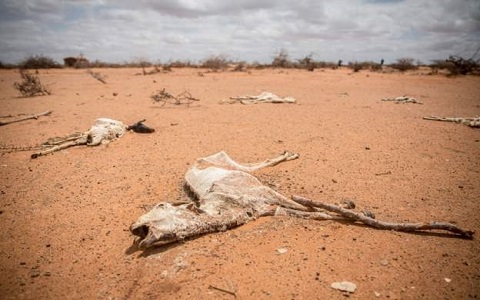
The worst drought in four decades is raging through the Horn of Africa.

The World Food Programme says up to 20 million people in Kenya, Ethiopia and Somalia are at risk of starvation by the end of the year.

Somalia is bearing the brunt with half of the population now hungry.

Hundreds of thousands of people are abandoning their homes in rural Somalia and heading to camps for the internally displaced.

Their fields are bare, crops have failed, and dead livestock is strewn along the roads. This is the worst drought in the last decade according to experts, and famine is looming.

There are thousands of children who are unaccompanied in the camps. Older siblings have taken the role of caregivers, as their fathers have gone to towns to look for food, and the mothers are stuck in hospitals where the rate of severe malnutrition is at an all-time high.

Deaths are now being reported. In one centre in Baidoa, at least 26 children died between May and June, according to records.

“Some of the girls I used to play with are still alive. Some died, while others have moved to the capital city Mogadishu where they work as house helps,” 13-year-old Fardhosa tells the BBC in a makeshift hut at the camp in Baidoa.

The charity Save the Children says they are seeing an increase in psychosocial stress among children and their caregivers.

“Negative childhood experiences result in… children needing psychosocial support… Parents say children are becoming violent and aggressive,” says Mahamoud Hassan, the organisation’s Somalia country director.

BBC/Simeon Ugbodovon