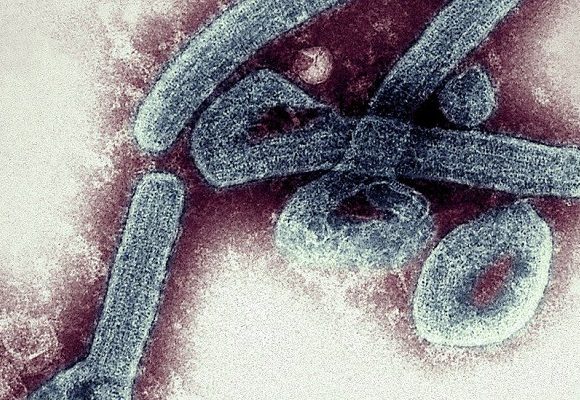
Guinea health officials have confirmed West Africa’s first case of Marburg, a highly infectious disease in the same family as the virus that causes Ebola.
According to the World Health Organisation (WHO), the virus needs to be “stopped in its tracks”.
Marburg virus disease is transmitted to people from fruit bats and spreads between humans through the transmission of bodily fluids, although cases are extremely rare with the last major outbreak in Angola in 2005.
It is a severe, often fatal illness that causes fever and bleeding disorders.
Samples taken from the patient in Guinea, who has since died, were tested in the country’s laboratories and returned a positive result for the Marburg virus.
It was identified in Guéckédou, the same region where recent Ebola cases were found in an outbreak that is now over.
WHO’s Africa Director Dr. Matshidiso Moeti said the virus had the potential to “spread far and wide”.
But she praised “the alertness and the quick investigative action by Guinea’s health workers”.
Efforts are now underway to find people who may have been in contact with the man who died.
Four high-risk contacts, including a health worker, have been identified, in addition to 146 others who could be at risk, expert Dr. Krutika Kuppalli, who has been following the case, told the BBC.
More than 200 people died from the Marburg virus outbreak in Angola in 2005.
FRCN, Abuja
Guinea health officials have confirmed West Africa’s first case of Marburg, a highly infectious disease in the same family as the virus that causes Ebola.
According to the World Health Organisation (WHO), the virus needs to be “stopped in its tracks”.
Marburg virus disease is transmitted to people from fruit bats and spreads between humans through the transmission of bodily fluids, although cases are extremely rare with the last major outbreak in Angola in 2005.
It is a severe, often fatal illness that causes fever and bleeding disorders.
Samples taken from the patient in Guinea, who has since died, were tested in the country’s laboratories and returned a positive result for the Marburg virus.
It was identified in Guéckédou, the same region where recent Ebola cases were found in an outbreak that is now over.
WHO’s Africa Director Dr. Matshidiso Moeti said the virus had the potential to “spread far and wide”.
But she praised “the alertness and the quick investigative action by Guinea’s health workers”.
Efforts are now underway to find people who may have been in contact with the man who died.
Four high-risk contacts, including a health worker, have been identified, in addition to 146 others who could be at risk, expert Dr. Krutika Kuppalli, who has been following the case, told the BBC.
More than 200 people died from the Marburg virus outbreak in Angola in 2005.
FRCN, Abuja