
By Maxwell Oyekunle
When it comes to eggs, the humble chicken reigns supreme. Yet one question continues to puzzle many food lovers: if turkey meat is widely consumed around the world, why are turkey eggs almost impossible to find in supermarkets?
The answer has little to do with taste and everything to do with economics, biology and modern farming practices.
Far from being inedible, turkey eggs are considered a delicacy by those who have tasted them. Larger than chicken eggs, they have thicker shells, richer yolks and a creamier flavour that many food enthusiasts consider superior for baking and gourmet dishes.
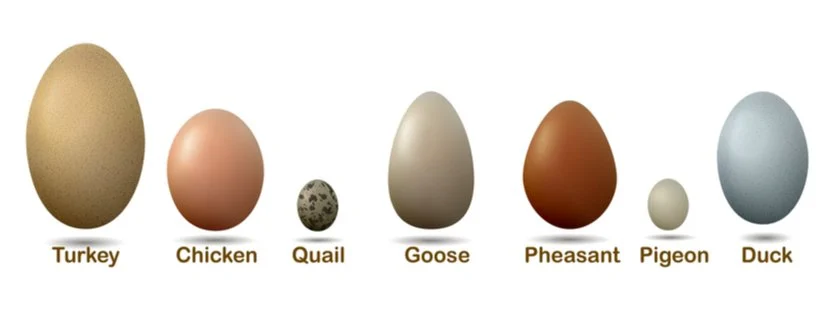
Despite these qualities, turkey eggs remain a rarity in commercial food markets because turkeys simply do not produce enough eggs to make large-scale production profitable.
While a modern laying hen can produce between 250 and more than 300 eggs annually, a turkey hen typically lays only 80 to 120 eggs in a year. Turkeys are also seasonal layers, producing most of their eggs during spring and early summer.
The birds themselves are more expensive to raise. Turkeys require more space, consume more feed and take longer to reach maturity before laying their first eggs.
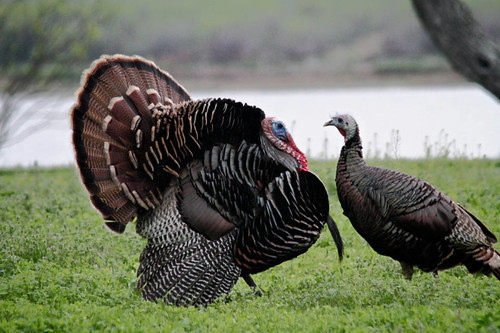
Where chickens begin laying at about five to six months of age, turkeys often take around seven months or more, increasing production costs for farmers.
Agricultural experts say these factors make turkey eggs significantly more expensive to produce than chicken eggs.
For most farmers, dedicating resources to chicken egg production offers far greater returns.
Selective breeding has also played a major role.
For centuries, chickens have been bred specifically to maximise egg production, creating highly efficient laying breeds. Turkeys, on the other hand, have largely been bred for meat production, meaning most turkey eggs are reserved for hatching future birds rather than being sold for consumption.
Although some small-scale farms and heritage turkey breeders market turkey eggs to chefs and specialty food consumers, the trade remains limited due to the economic disadvantages.
The story of turkey eggs highlights a broader reality of modern agriculture: the foods most commonly found on supermarket shelves are often not the rarest or most flavourful, but the ones that can be produced most efficiently and affordably.
Turkey eggs may be rich, nutritious and highly sought after by those who have tasted them, but in the commercial race for efficiency, they are outperformed by one of nature’s most productive egg-layers — the chicken.
So while turkey eggs remain one of the culinary world’s hidden treasures, their scarcity is not a question of quality.
So the next time you crack a chicken egg into a frying pan, remember: there is a larger, creamier, and far rarer cousin that most people will never get the chance to taste.
Not because it isn’t good, but because producing it simply doesn’t make economic sense.
Follow us on Telegram and YouTube, and join our WhatsApp Update Group for more updates.