By Rotimi Famakin
The National Horticultural Research Institute, NIHORT, has trained farmers in Osun State on converting plantain and banana waste into organic soap to promote environmental sustainability and boost income generation.
The training forms part of NIHORT’s efforts to reduce environmental degradation and support the global drive to curb ozone layer depletion.
Leaders of farmers’ groups selected participants based on residents’ responses across the benefiting communities.
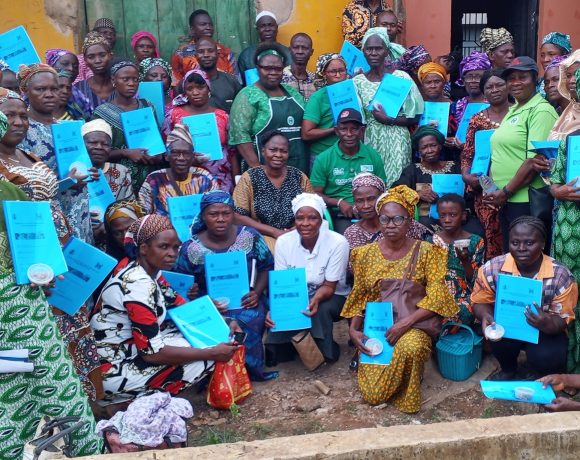
At Ansaruldeen Grammar School, Atile, Ikire in Irewole Local Government Area, seventy-five residents participated, while twenty-seven farmers were trained at Esa Oke Farm Settlement in Obokun Local Government Area.
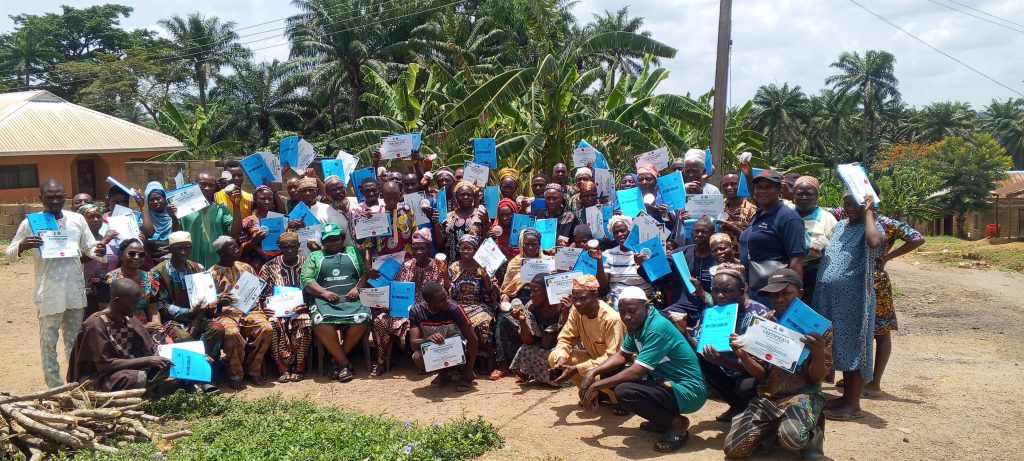
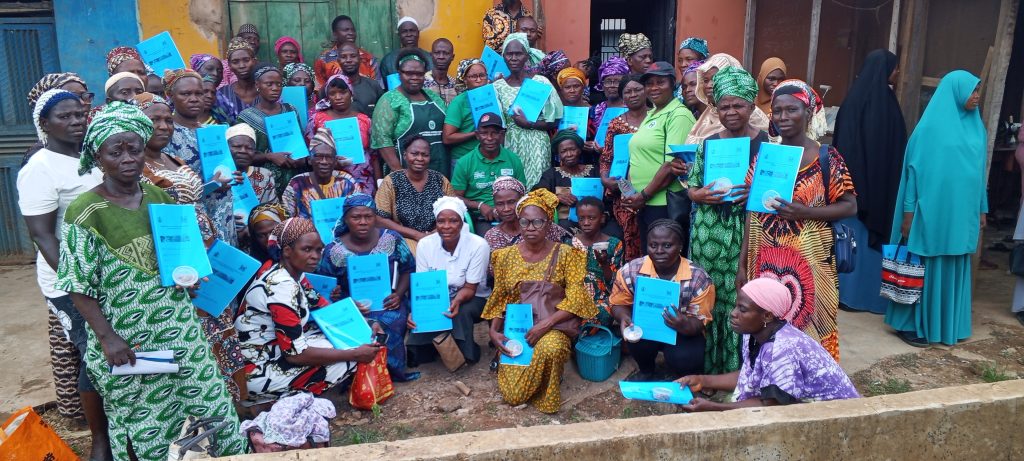
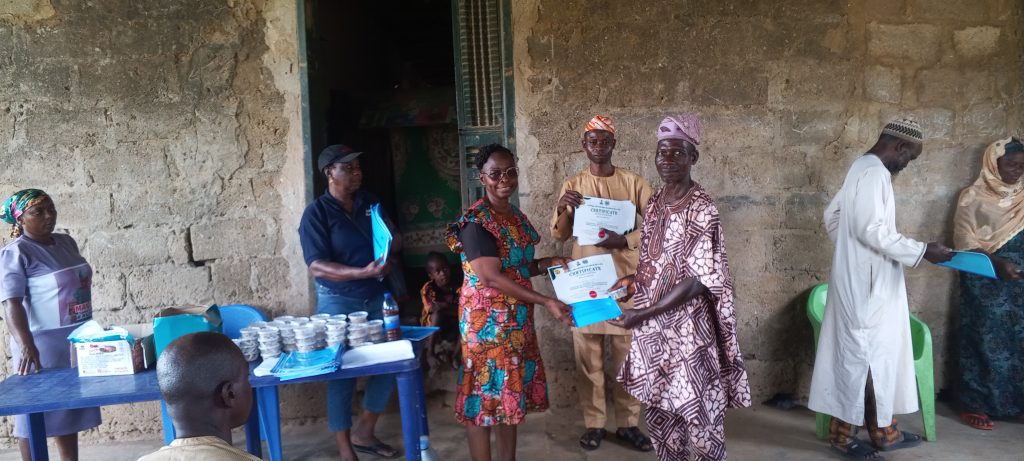
Seventy-seven participants drawn from five local government areas converged on Ile-Ife, while fifty-seven farmers attended the session in Orile Owu, Ayeda’ade Local Government Area.
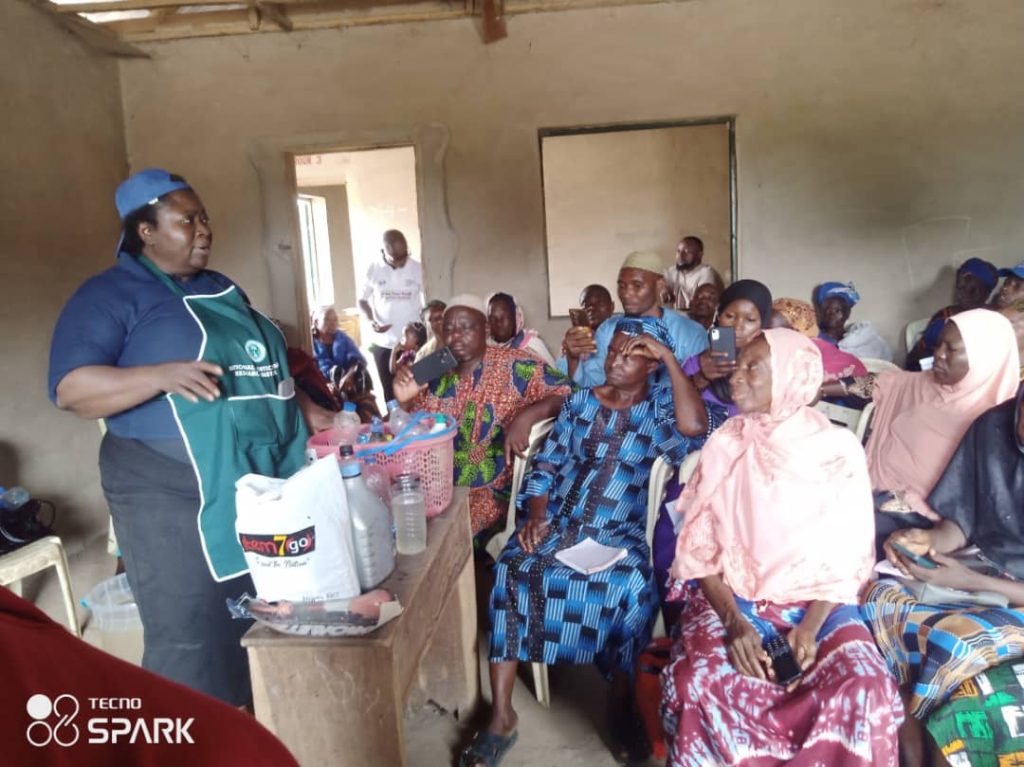
Facilitators administered pre-test questionnaires before exposing participants to theoretical and practical sessions, followed by post-test assessments.
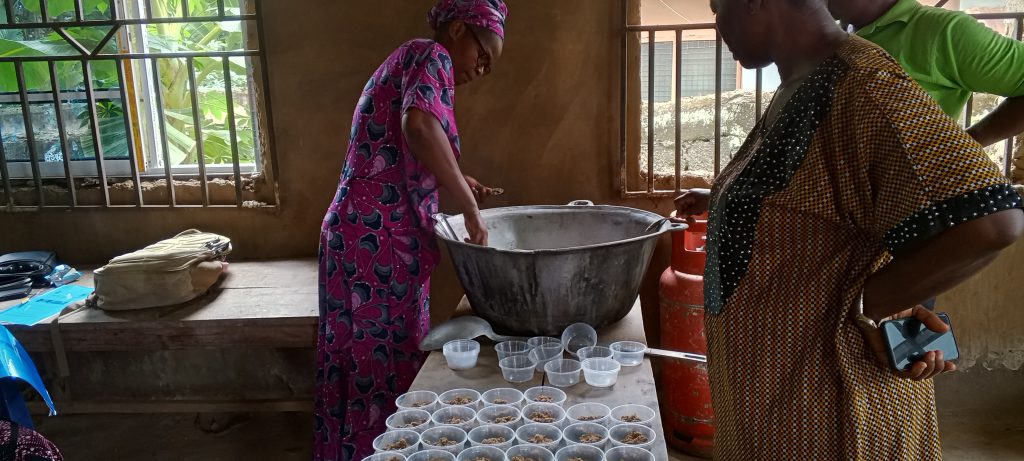
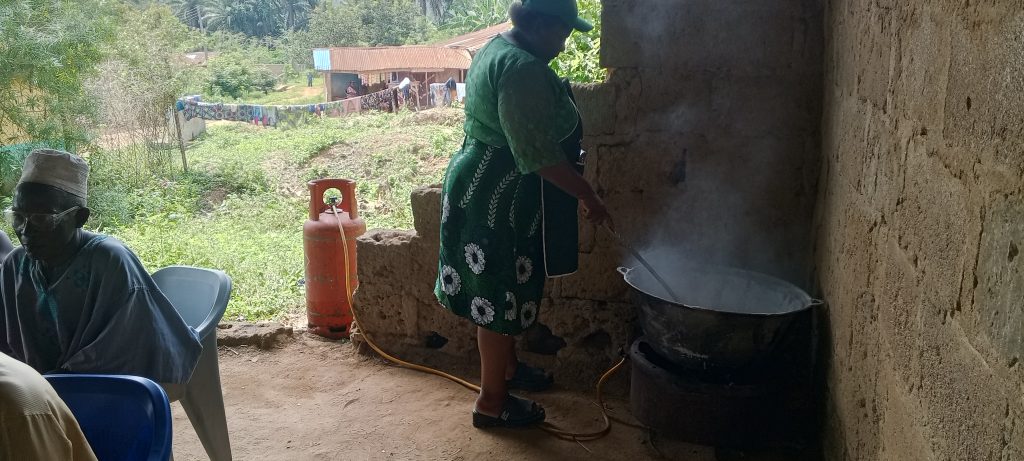
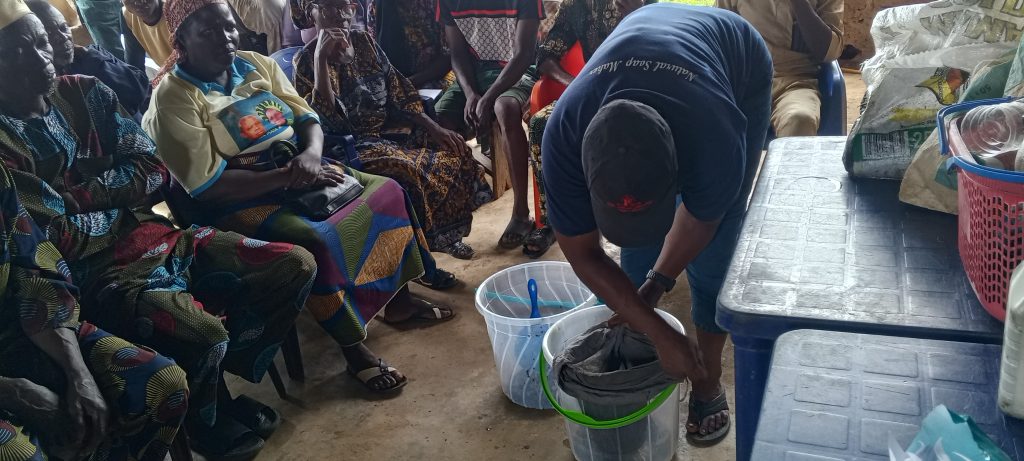
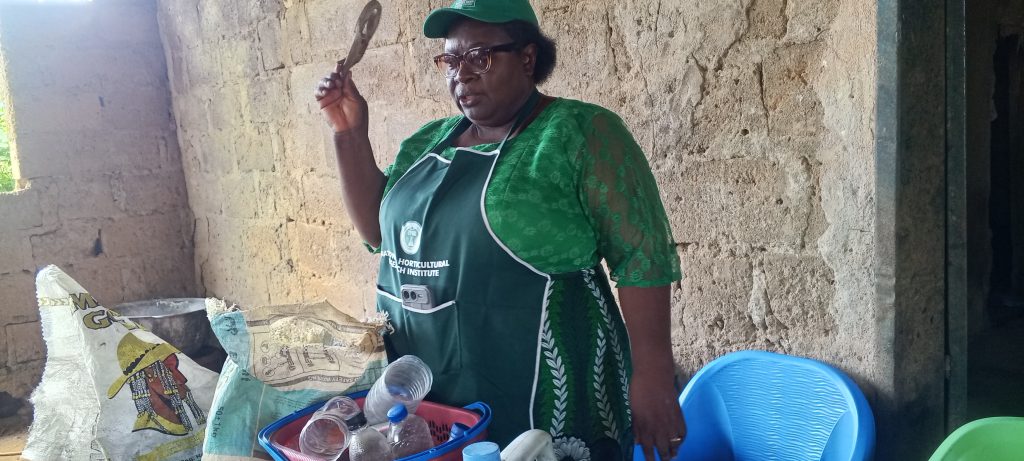
Principal Research Officer, NIHORT, Mrs Adebisi Akinrinola anchored the training on soap production using the saponification process.
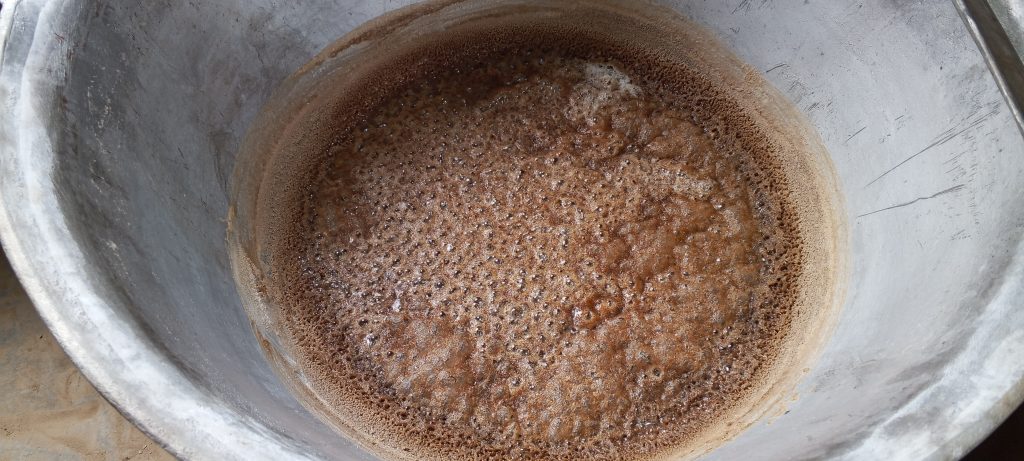
The process involves burning plantain and banana stalks into potash, extracting alkali, and cooking it with oil over several hours to produce raw soap pellets, which can be processed into liquid or paste soap.
Participants in Ile-Ife, drawn from Ife-East, Ife-Central, Ife-South, Ife-North and Ife Area Office, converged on Akogun Olusidodo Compound Hall, while those in Orile Owu gathered at Ejemu Compound Hall.
In her remarks, Director of Research, NIHORT, Dr Oluyemisi Adebisi-Adelani said improper disposal of plantain and banana waste contributes to environmental challenges.
“I’m so happy. It is a thing I have been thinking, envisioning. Last year we came and we talked about our new product, natural from plantain and banana because they have a lot of wastes from ikire, Orile Owu, Ife Esa-Oke, in fact Osun State. They showed their interest and we wrote the proposal and our Executive Director, Professor Mohammed Lawal Attanda followed it up. He gave us the permission to go ahead and this day came and we are here.”
“Yes! Plantain and banana waste when they are disposed it contribute to what is called green house emission which also increase the depletion of the ozone layer. So this training is very important.”
Dr Adebisi-Adelani added that the initiative would provide additional income opportunities for farmers.
“It is another source of income if they can put the training into use”.
She also disclosed that NIHORT has developed improved crop varieties, including HORTITOM 1–7 tomato varieties, HORTPLAN 1 and 2 plantain varieties, HORTBAN 1 and 2 banana varieties, and HORTIONI 1 to 6 onion varieties adapted to Nigeria’s climate.
Some beneficiaries, including Rofiat Bakare and Azeezat Aribidesi, expressed appreciation to NIHORT and pledged to apply the knowledge.
“We thanked NIHORT; in fact they taught us a lot. They taught us that in waste to wealth we can use banana and plantain wastes and make organic soap which is very good to our skin and serve as our source of income. I’m ready to make use of the training effectively to increase my source of income and to improve my own health”.
The four-day training, held from the 14th to the 17th of the month, began in Ikire and ended in Orile-Owu, with participants expressing appreciation through songs and solidarity choruses.
Edited by Taiwo Akinola
Follow us on Telegram and YouTube, and join our WhatsApp Update Group for more updates.