Feature

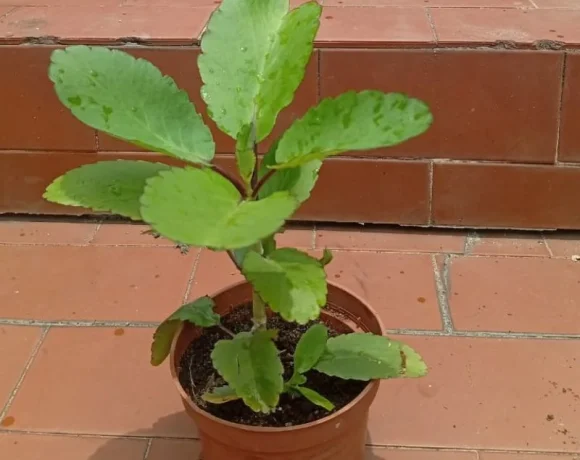
Miracle leaf, scientifically known as Bryophyllum pinnatum or Kalanchoe pinnata, has gained widespread recognition in traditional medicine due to its remarkable healing properties.

For generations, the plant has been used in various cultures to treat ailments ranging from wounds and infections to hypertension and kidney-related conditions.

Rich in bioactive compounds, miracle leaf is believed to possess anti-inflammatory, antimicrobial, antioxidant, and analgesic effects, making it a valuable natural remedy in herbal medicine.

Its growing popularity in modern health research further highlights its potential in managing both acute and chronic diseases.

Miracle leaf (primarily Bryophyllum pinnatum or Kalanchoe pinnata) is highly valued in traditional medicine for its broad pharmacological potential, ranging from wound healing to managing chronic conditions.

According to medical findings, there are major health benefits about this miracle leaf, that one needs to take cognizance of, such as:

  • Wound Healing and Skin Care: Crushed leaves are commonly applied topically to treat wounds, boils, bruises, and insect bites due to their antimicrobial and anti-inflammatory properties.
  • Kidney and Urinary Health: It is a well-known traditional remedy for kidney stones and urinary insufficiency. Decoctions are often used to support renal health and treat urinary tract infections.
  • Respiratory Support: Infusions or teas made from the leaves are used to treat asthma, coughs, colds, and shortness of breath.
  • Digestive Relief: The plant is used to manage gastric ulcers, heartburn, andbloating. Some studies indicate it may also help manage symptoms of ulcerative colitis.
  • Metabolic and Heart Health: Extracts have shown potential in lowering blood sugar (antidiabetic) and managing high blood pressure (mildly sedative and diuretic).
  • Anti-inflammatory and Pain Relief: It is used as an alternative treatment for arthritisand rheumatism, as well as to alleviate headaches and body pain.

Nutritional and Chemical Profile:

this is another area whereby the miracle leaf is functional .

The therapeutic efficacy of miracle leaf is attributed to its rich content of bioactive compounds:

  • Antioxidants: High levels of flavonoids (like quercetin) and phenolic acids help protect cells from oxidative stress.
  • Bioactive Substances: Contains steroids, glycosides, alkaloids, and tannins that provide antibacterial and antifungal effects.

Safety and Precautionary Measures:

As much important as the miracle leaf is, after talking about the benefits and its importance to human life, its precautionary measures and safety cannot be over-emphasized. Below here are some vital points to consider vivdly.

Pregnancy: It is generally advised not to consume miracle leaf during pregnancy.

  • Consultation: While many benefits are supported by ethnopharmacological knowledge, clinical trials in humans are still limited.
  • Always consult a healthcare professional before using it as a primary treatment.

Credit: Zenodo/Taiwo Akinola

Feature

By Taiwo Akinola

Every individual possesses unique gifts and abilities. While some people make use of only a small portion of their potential, others strive to maximize the talents they have been blessed with. The earlier you discover yourself and understand your purpose, the better your chances of making a meaningful impact in life.

Self-discovery is important because it shapes how people remember your contributions and the difference you make in their lives. To truly discover yourself, there are certain steps you should consider.

First, find a quiet and private place where you can reflect deeply on your strengths and weaknesses. Understanding yourself is the foundation of growth.

Second, identify the things you are naturally good at and focus on the areas where your abilities stand out the most. These are often clues to your purpose and passion.

Third, carefully weigh your options and determine which path can help you achieve your goals effectively. This may require learning from or studying people who have succeeded in similar fields before you.

Fourth, choose a path that gives you fulfillment and satisfaction despite the challenges you may encounter. In many cases, true fulfillment comes before financial rewards. The joy of discovering and developing your purpose often becomes the greatest motivation.

Do not allow the remaining years of your life to pass without making a positive impact on society and finding fulfillment in the process.

Follow us on Telegram and YouTube, and join our WhatsApp Update Group for more updates.

Feature

By Taiwo Akinola

Rounded Figure, according to a layman’s understanding, could be referred to as ages that are even, for example: 10, 20, 30, 40, 50, 60, 70, 80, 90, 100, among others.

These ages are not just numbers; they tend to mark transitions in responsibility, identity, and social expectations.

Across cultures, they help structure how individuals reflect on growth and set new goals.

According to findings, in early life, childhood milestones are gradual rather than tied to rounded figures.

However, adolescence—around 15 to 20—becomes a turning point.

This stage is associated with identity formation, emotional development, and increasing independence.

By age 20, many individuals are expected to begin defining their path in education, career, or skill development.

The age of 30 is widely regarded as the first major “rounded” milestone of adulthood.

At this stage, society often expects a level of stability—such as a defined career path, financial responsibility, and in some cases, family life.

It is also a period of self-assessment, where individuals measure early ambitions against actual achievements.

At 40, many people encounter what is sometimes described as “midlife reflection.”

This milestone often brings deeper evaluation of purpose, accomplishments, and personal satisfaction.

Individuals may seek a balance between professional success and personal fulfilment, sometimes making significant life changes.

The age of 50 represents maturity and consolidation.

By this point, experience and wisdom are more pronounced.

People often focus on legacy, mentoring younger generations, and maintaining health and well-being.

It is also a time to prepare for eventual retirement, both financially and psychologically.

At 60 and beyond, life enters a stage often associated with retirement or reduced professional engagement.

This period emphasises reflection, rest, and the enjoyment of long-term achievements.

Social roles may shift toward advisory positions within family and community structures.

In essence, rounded ages serve as psychological checkpoints.

They encourage reflection, reassessment, and planning.

While not everyone experiences these milestones in the same way, they remain useful markers for understanding human development and the evolving stages of life.

Follow us on Telegram and YouTube, and join our WhatsApp Update Group for more updates.