Agriculture

By Oluwatoyin Adegoke

The Federal Government is working with the Ogun State government and other relevant stakeholders to support Cassava farmers with knowledge-based trainings and provision of farm input.

The collaboration, anchored by the Federal Ministry of Agriculture and Rural Development is also aimed at reducing the loss of resources occasioned by the adverse effects of climate change on farming activities.

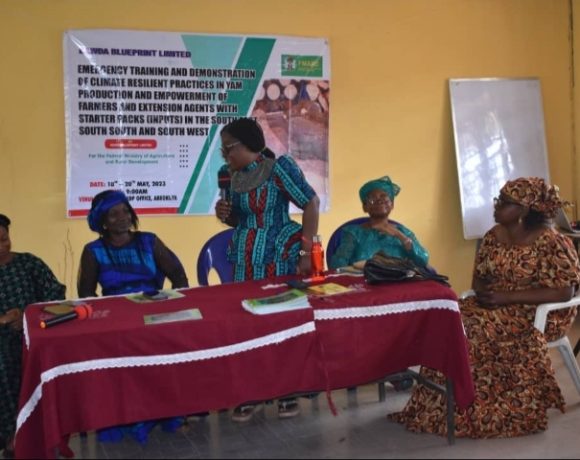
The Ministry’s Director in Ogun State, Dr Ayo Ajayi and a representative from Abuja, Mrs Esther Moyo made these known in Abeokuta at a training on promoting climate resilient practices among Cassava farmers.
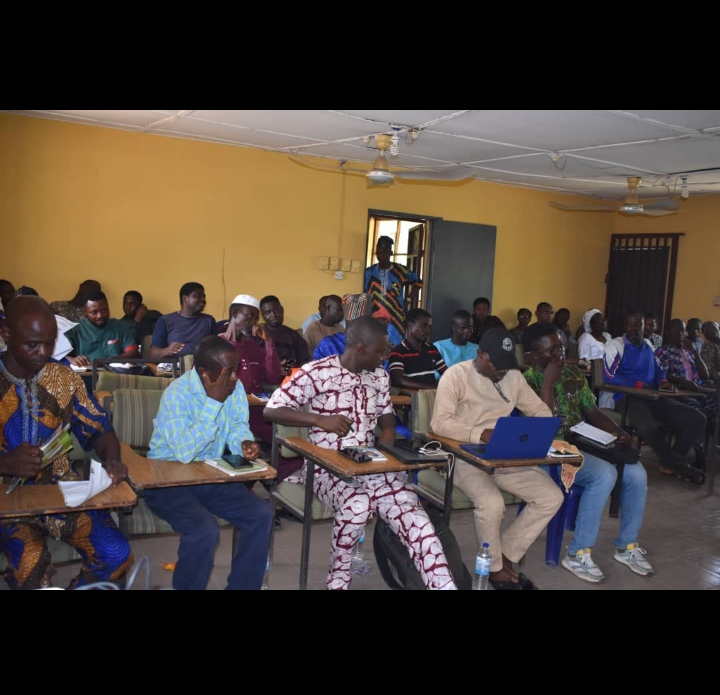
Dr Ajayi and Mrs Moyo explained that the training and empowerment for both the cassava farmers and agricultural extension workers were necessary to enable the farmers to adopt smart initiatives to improve their yields for enhanced rural and national economy.

Also, the Acting Programme Manager, Ogun State Agricultural Development Programme, OGADEP, Mrs Solape Awe and the Programme’s Director of Extension Services, Mrs Abiola Sobukonla said the agency would reach out to cassava farmers across the state through the participants, identified as early adopters of new trends.

In the course of the training, the resource person, Dr Modupe Abidemi encouraged the cassava farmers to brace up to the challenge of working with weather forecasting tools, ensuring proper management of soil and water and sticking to the use of high quality planting materials.
Agriculture

Rice farmers in Ogun state has called on the federal government to expand the numbers of benefitiaries for the free inputs support for rice farmers in the state.

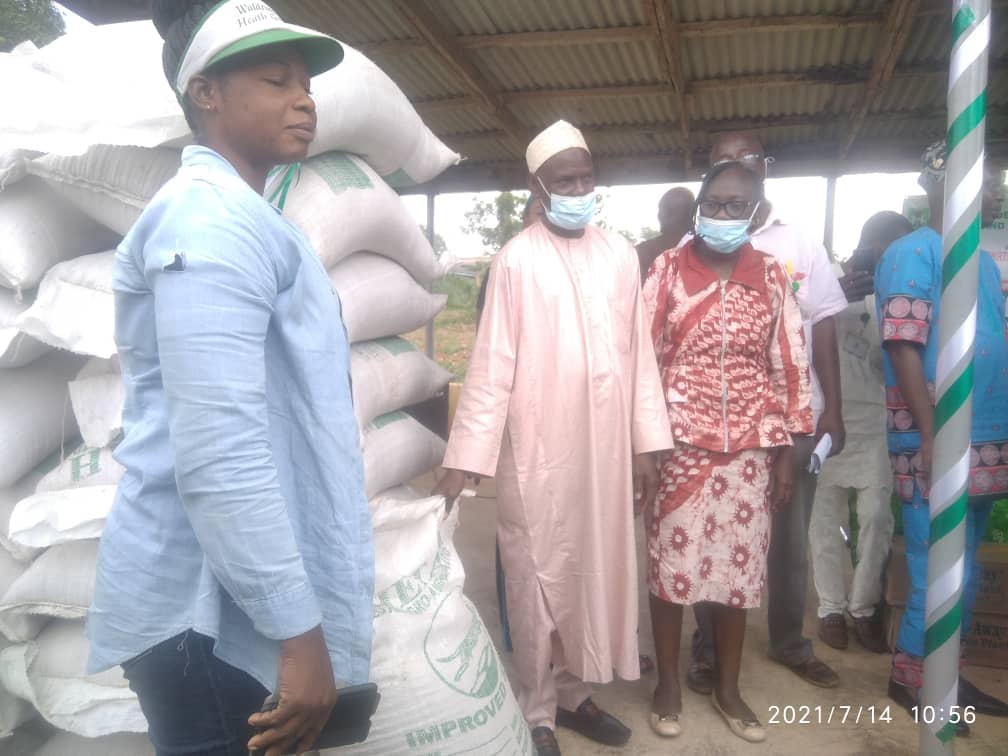
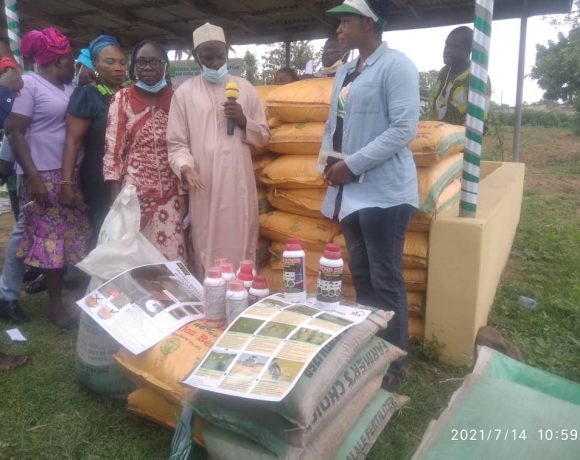
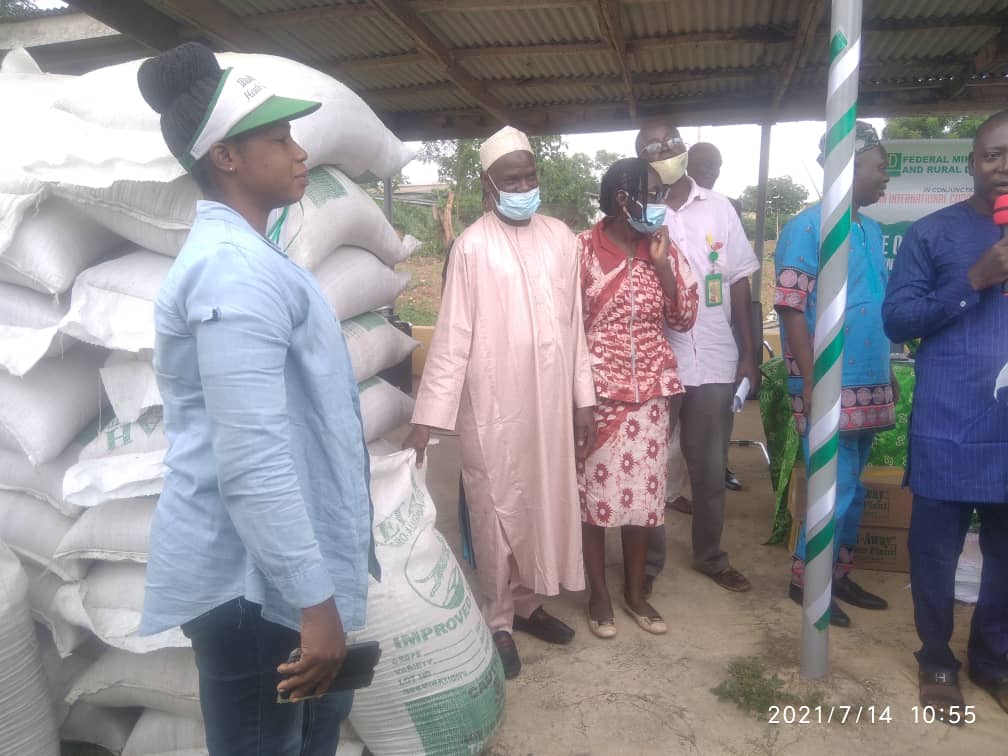
The farmers while speaking with Radio Nigeria after the distribution of the support at the Kotopo, Abeokuta office of the Federal Ministry of Agriculture and Rural Development said the one hundred and fifty beneficiaries would judiciously utilise the inputs.

Radio Nigeria Correspondent reports that the rice farmers trooped out in large numbers to be part of the distribution.

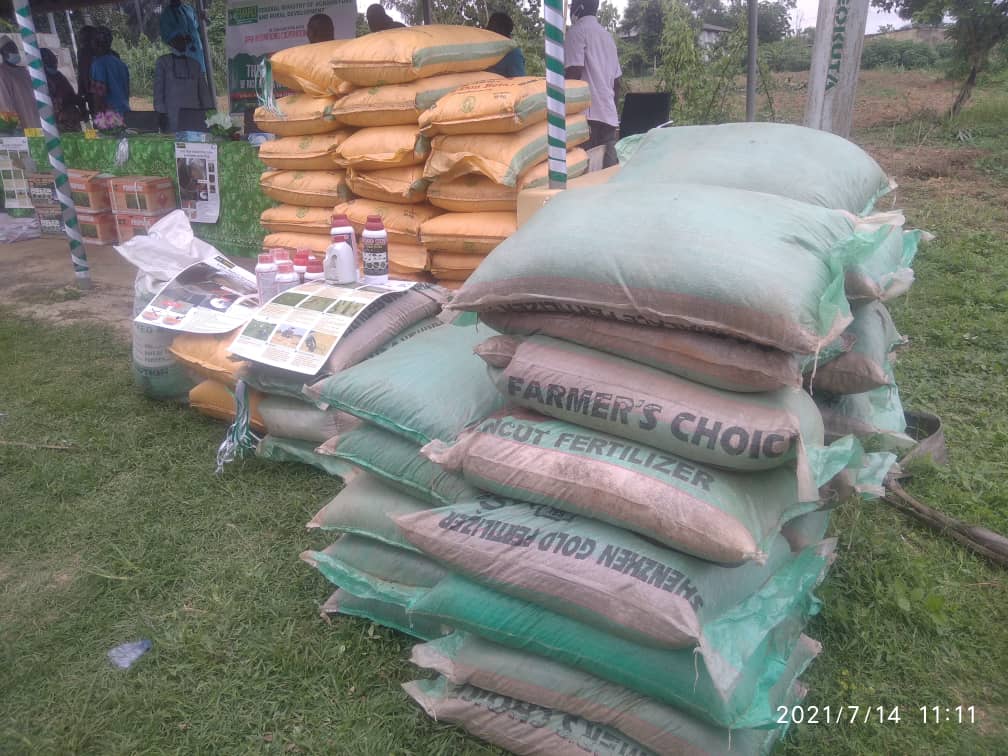
Inputs distributed to the rice farmers expected to be used in cultivation of one hectare of land include one bag of fifty kilogramme certified rice seed, four bags of NPK fertiliser, two bags of Urea fertiliser, and one litre of growth enhancer.

Other input received by the one hundred and fifty rice farmers across Ogun state include four litres of pesticides and five litres of pre and post emergence herbicide.

The Minister of Agriculture and Rural development represented by an assistant director at the ministry, Mallam Bashir Usman hinted that the rice farmers are expected to enhance food security of the nation with their produce and also to increase their income.

The minister cautioned the farmers against diversion or outright sale of the supplied input as neccessary mechanism had been put in place to monitor and deal with defaulters.

Ogun State Commissioner for Agriculture and Natural Resources, represented by the Programme Manager, Ogun State Agriculture Development Programme , Mrs. Taiwo Ayansanwo said the state government was concentrating efforts on small medium hold farmers noting that the state government was pleased with the efforts of the federal government to empower more farmers.

Some of the farmers while speaking with Radio Nigeria commended the federal government for the support and called for expansion of the number of beneficiaries.

Earlier, the Ogun State coordinator of the Federal Ministry of Agriculture and Rural Development, Mr. Ganiyu Oseni had assured the farmers of prompt monitoring of the support input which he said was facilitated by the Japan International Cooperation Agency, JICA.

Wale Oluokun

Agriculture

One of the cardinal objectives of Federal government is the use of indigenous agricultural raw materials in the food chain production.

Hence, the need for cassava flour use as an alternative flour in bread making came to the fore as master-bakers drawn from Oyo, Ogun, Ondo, Osun, Ekiti, and Lagos States converged in Ibadan for a seminar.

Addressing the bread bakers in the region, the state coordinator, Federal Ministry of Agriculture, Oyo State office, Dr. Florence Kakulu said high quality cassava is grown in Nigeria with huge potential for foreign exchange earnings.

Dr. Kakulu explained that participants would find the programme worthwhile when imputed flour is replaced with cassava, thereby driving higher profits.

The Zonal director, Federal Ministry of Agriculture Rural Development and national resources, Southwest, Dr. Marcus Ogunbiyi, pointed out that the use of high quality cassava flour for bread production has been evolving through high quality inclusive policy.

Dr. Ogunbiyi asserted that these were proven technologies and evidence based facts that Nigeria should keep to maximum of 20% of cassava use while starting with 10% in cassava use.

Director of Agricultural Natural Resources and Rural Development, Mrs. Karima Babangida noted that the policy of 10% cassava inclusion in bread making failed due to a number of factors such as the enzyme intervention which required the use of sophisticated equipment with several millions of naira that could only be afforded by less than 2% of entire bakers in Nigeria.

Mrs. Babangida also said 0.05% out of the 450,000 bakeries in Nigeria make use of cassava on daily basis stressing the need for sincere commitment by all stakeholders to achieve the policy focus of President Muhammed Buhari in cassava flour use for bread in the country.

Some of the participants described the seminar as worthwhile and pledge to adopt cassava flour in bread making.

Rotimi Famakin

Agriculture

The gradual transition into extinction of one of the Africa’s nutritional delicacy, African Yam Beans, known as “Ewa Otili” among the Yorubas have become a great concern to stakeholders in the agricultural sector. 

At a day stakeholders privatization workshop on African Yam Beans held in Ibadan, participants frowned at the way Nigerians abandoned the planting and consumption of Ewa Otili which was attributed to its neglect by policy makers, researchers and farmers.

Some of the participants, who were mostly farmers and agricultural extension workers, advised experts to urgently harness the crop to address the problem of malnutrition in the country. 

They said despite the nutritional value and uniqueness of African Yam beans, its challenges at every stage of the value chain have continued to outweigh its benefits as a result of poor awareness, less research and low acceptability by young farmers. 

The representative from the Federal Ministry of Agriculture, Mrs Adeyemi Abdulateef and Mr Kehinde Bamigbola from Osun State Agricultural Development Programme said AYB is a multi-purpose food crop which can also be produced into snack and baby foods if properly harnessed. 

In an address, a co-investigator on African Yam Beans, Dr Morufat Balogun said, the idea was to improve the adoption of AYB as a food crop as part of efforts aimed at improving food security in Africa. 

Dr Balogun said the survey and suggestions gathered on the crop would be communicated to policy makers for possible investment in value chain development. 

Earlier, while declaring the workshop open, West Africa Director, IITA, Ibadan, Professor Michael Abberton urged participants to intensify awareness campaign on the crop. 

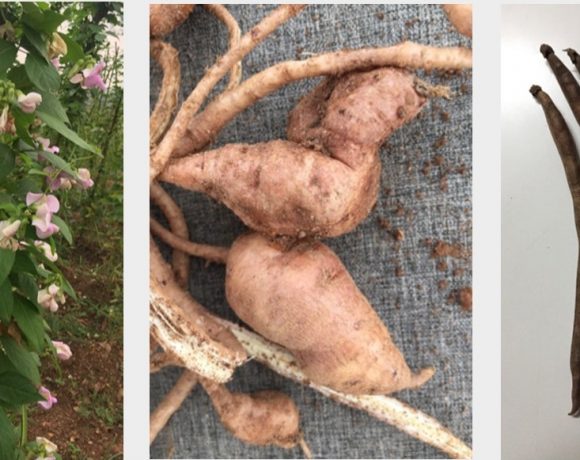
African Yam beans is special food crop that grows the tuber and beans parts at the same time.

Mosope Kehinde

Health

The number two goal of the Global Sustainable Development, SDGs, to improve people’s lives by 2030 is zero hunger.

The goal is targeted at ending hunger, achieving food security, improving nutrition and promote sustainable agriculture.

Little wonder then, why the 2019 World Food Day has, as its theme “Healthy Diets for a Zero-Hunger World”.

The Food and Agriculture Organization, FAO, of the United Nations noted that, urbanisation and available income had affected the diets and eating habits of people across the globe.

It is observed that many people had shifted from eating plant-based and fibre-rich meals to processed foods, and they prefer delicacies from fast food outlets to foods prepared at home.

The country representative of FAO in Nigeria, Suffyan Koroma, while reaffirming the organisation’s commitment to zero hunger, described the day as an opportunity “to reflect on what to eat, how we eat it and where we get it from”.

While commenting on the theme of the 2019 World Food Day, a dietician, Mrs. Oluwatooni Opelami said, good eating habits help prevent frequent visits to hospitals.

She said healthy foods help to keep fit and boost the immune system especially of the young children.

Mrs. Opelami submitted that, nutritious foods are available and affordable, contrary to the belief of some people that, only the wealthy can access them.

Similarly, a nutritionist, Mrs. Oluwatoyin Bolarinwa explained that poor quality diets could make the brain weak and lead to many disorders such as obesity, type-2 diabetes, and cancer.

Mrs. Bolarinwa therefore advised the people to consume foods from natural sources such as legumes, cereals, fruits and vegetables.

Meanwhile, the federal government has reiterated its commitment to ensure food sufficiency and healthy living.

The permanent secretary, Federal Ministry of Agriculture, Mohammed Bello-Umar at a rally to mark the World Food Day, in Abuja, said the ministry would open up lands for agricultural activities.

He noted that there was no need to import rice, because the country had attained self-sufficiency in rice production.

Statistics reveals that, globally, more than 670 million adults are obese, in addition to 120 million children between the ages of 5-19 years in similar condition, while ironically, over 820 million people still suffer from hunger.

The 2019 World Food Day is calling for action across sectors to make healthy and sustainable diets, affordable and accessible to everyone.

Afolasade Osigwe