Foreign

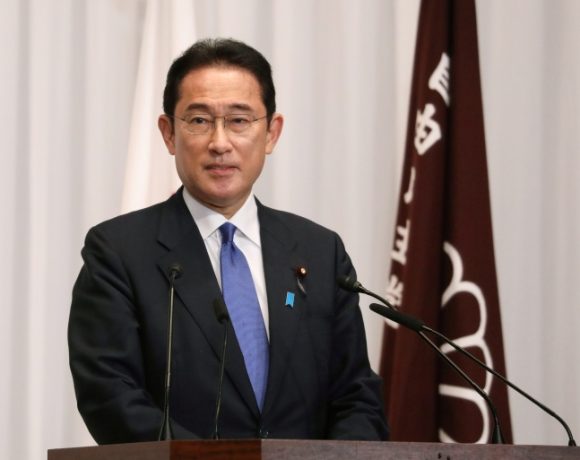
A man has been sentenced to 10 years in prison for the attempted murder of Japan’s former prime minister Fumio Kishida in 2023.

Ryuji Kimura, 25, hurled a pipe bomb at Kishida as the country’s leader approached a crowd for a speech during an election event in the city of Wakayama.

Although Kishida was unharmed, the explosion of the homemade device caused minor injuries to a police officer and a member of the public.

The attack shocked Japan as it came less than a year after former Prime Minister Shinzo Abe was shot dead at an outdoor election campaign event.

Kimura, who was sentenced on Wednesday, claimed during questioning that his intention was not to kill Kishida but to object to the country’s election age regulation which prevented him from getting into politics.

The minimum age to become a member of parliament in Japan is 25 for the House of Representatives and 30 for the House of Councillors.

Kimura further added that he threw the bomb to bring attention to a civil lawsuit he filed in 2022, claiming the age restriction was unconstitutional, which was dismissed.

Kimura’s defence argued he should not face a charge of attempted murder, as he did not expect the bomb to cause injuries, and that a three-year prison sentence would be reasonable given the extent of those injuries.

The court stated, however, that the explosives were powerful enough to cause fatal damage.

When handing down the ruling, presiding Judge Keiko Fukushima noted that “targeting a serving prime minister caused significant anxiety to society as a whole.”

In addition to the attempted murder charge, Kimura was also found guilty of violating explosives regulations and firearms control laws.

His 10-year sentence is five years less than what prosecutors had sought.

While violent attacks are rare in Japan, anxiety around politicians’ security has surged in the wake of Abe’s assassination in 2022.

The attempted attack on Kishida, which came less than a year later, raised questions as to why there was not a tighter security presence around the country’s leader at that time.

BBC/ Oluwayemisi Owonikoko

Subscribe to our Telegram and YouTube Channels and also join our Whatsapp Update Group
Foreign

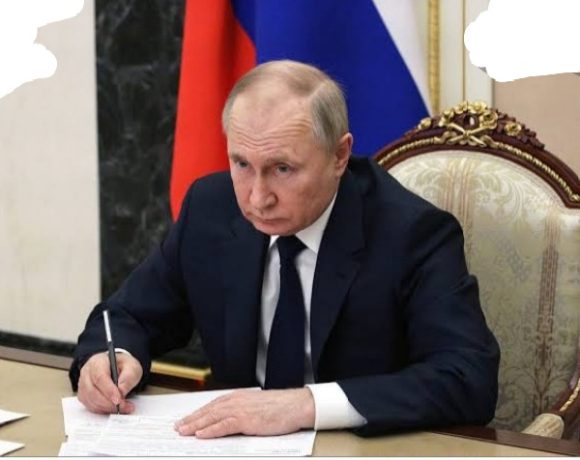
Japan’s Prime Minister, Fumio Kishida, has described the Russian President’s sabre rattling about nuclear weapons as “deeply disturbing.”

Kishida on Saturday warned that Russia using nuclear weapons would be seen as an “act of hostility against humanity,” as Japan remains the only country to have ever been hit with a nuclear bomb.

“Russia’s act of threatening the use of nuclear weapons is a serious threat to the peace and security of the international community and absolutely unacceptable,” said Kishida.

In May next year, Kishida is expected to host leaders from the G7 countries in Hiroshima, where a US nuclear bomb was dropped on August 6, 1945, resulting in the deaths of 140,000 people.

The Japanese city of Nagasaki was hit three days later.
Speaking in Australia, Kishida said the 77-year period of no nuclear weapons use “must not be ended.”

“If nuclear weapons were ever used, that would be an act of hostility against humanity, the international community will never allow such an act,” he said.

Since Russia invaded Ukraine in February, President Putin has made several thinly veiled threats about his willingness to deploy tactical nuclear weapons.

AFP / Titilayo Kupoliyi

Subscribe to our Telegram Channel and join our Whatsapp Update Group

News

Japan says it will lift tough Covid restrictions on foreign tourists, reopening the borders after two and a half years.

Speaking at the New York Stock Exchange, Prime Minister, Fumio Kishida, said the pandemic had interrupted the free flow of people, goods and capital that had helped the nation flourish.

“But from October 11, Japan will relax border control measures to be on par with the US, as well as resume visa-free travel and individual travel,” said Kishida, who is in the city for the United Nations General Assembly.

Japan, along with China, has been a holdout in continuing tough restrictions on visitors, as much of the world has moved on from the pandemic.

But unlike China, Japan never imposed a strict lockdown during the crisis.

Tourists who come to Japan will enjoy a weak yen, which has plummeted so low against the dollar that the finance ministry intervened in the currency market Thursday for the first time since 1998.

The return of the visa-waiver program suspended in March 2020 will restore the ease of access that saw a record 31.9 million foreign visitors to the country in 2019.

Since June, Japan has allowed tourists to visit in groups accompanied by guides, a requirement that was further relaxed to include self-guided package tours.

The cautious approach to reopening has been deliberate, said James Brady, Japan analysis lead at US-based consultancy Teneo.

Kishida “took office a year ago knowing that perceived mishandling of the pandemic had been a key factor in undermining public confidence” in his predecessor’s government, Brady told AFP.

“He has been extremely careful not to repeat those mistakes.”

Japan has recorded around 42,600 coronavirus deaths in total, a vastly lower rate than many other countries and 90 percent of residents aged 65 and over have had three vaccine shots.

There is no law requiring people to wear masks, but they are still near-ubiquitous in public places like trains and shops, with many Japanese willing to sport masks when ill even before the pandemic.

On the streets of Tokyo, members of the public hailed the announcement.

Culled/Titilayo Kupoliyi

Subscribe to our Telegram Channel and join our Whatsapp Update Group