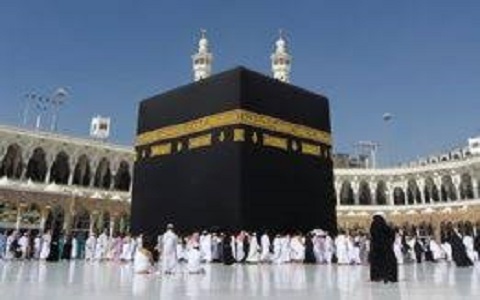
Pilgrimage to Mecca, Saudi Arabia known as Hajj, is one of the four pillars of Islam.
During this period, millions of Muslims all over the world converge on Mecca for the week of Hajj to perform a series of rituals in line with the teaching of the Quran.
However, this yearly routine was cancelled this year to non-Arabians due to the outbreak of Covid-19 in order to curb the wide spread of the virus.
In this special report, Radio Nigeria correspondent takes a look at the effects of the Hajj Cancellation on the economy, Islam and the Muslim Ummah.
The literal meaning of the word Hajj, is known to be “heading to a place for the sake of visiting”.
In Islamic terminology, Hajj is a pilgrimage made to Kaaba, the House of Allah in the sacred city of Mecca, in Saudi Arabia.
The Hajj is one of the largest annual gatherings of Muslims in the world yearly with about two point five million pilgrims from all over the world.
But due to the outbreak of Covid-19 pandemic, the authorities of Saudi Arabia had placed a ban on non-residents of the country from participating in this year’s pilgrimage to prevent the spread of Covid-19.
According to Minister of Hajj and Umrah in Saudi Arabia, Dr Mohammad Saleh Baten, there are many preventive and precautionary measures as well as protocols put in place to ensure a safe Hajj exercise for the approved ten thousand residents that would perform this year’s Hajj.
Parts of the preventive measures included testing of the pilgrims before reaching the holy sites, acceptance of only people below the age of sixty-five years of age and monitoring of their health status daily.
Also, hospitals have been prepared for any emergency that occurs during the pilgrimage while social distancing measures would be enforced.
Upon all these, the questions on people’s tongues is that, has the Hajj ever been cancelled before?
The Chairman, Oyo State Pilgrims Welfare Board, (Muslim Wing), Professor Saeed Malik said this year’s Hajj cancellation was not the first in the history of Islam.
Professor Malik noted that the board had provision for a refund for intending pilgrims that request for such since they could only perform Hajj next year.
Does the cancellation of Hajj for non-residents of Saudi Arabia due to the Covid-19 pandemic comply with the Islamic teachings?
Chief Imam, Ansarudeen Society of Nigeria, Oyo State Chapter, Dr Bashir Olanrewaju said Islam supports any system that guards against the spread of any pandemic which might pose a threat to the lives and property of the people.
Dr Olanrewaju, therefore, called on Muslims to always prioritize prayers that to put an end to the ravaging coronavirus pandemic.
Some Muslims in Ibadan who had paid for this year’s Hajj said the cancellation came as a shock to them but had taken the development as the wish of Allah.
The respondents thereby prayed Allah to spare their lives to be part of the Hajj exercise next year.
Rasheedah Makinde