By Oluwasheun Olayanju
Introduction
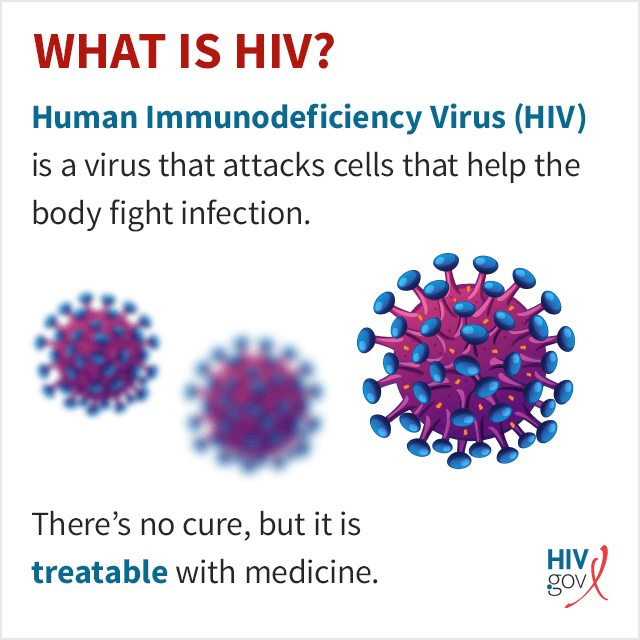
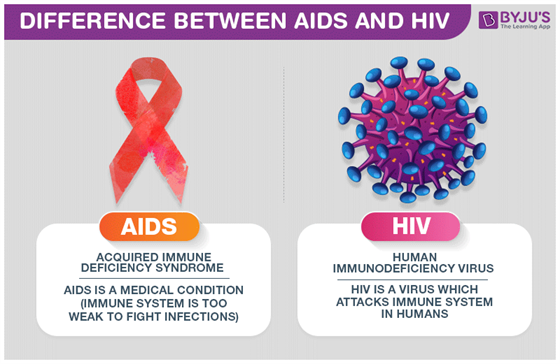
HIV/AIDS may no longer dominate global headlines as it once did, but the crisis is far from over.
Despite advancements in treatment and prevention, the virus continues to affect millions worldwide.
Sub-Saharan Africa, particularly Nigeria, remains a hotspot, grappling with high infection rates, especially among young people.
As complacency grows, the virus spreads silently through communities.
This article explores the ongoing impact of HIV/AIDS and stresses the importance of awareness, prevention, and responsible behavior.
The Global HIV/AIDS Epidemic: Where We Stand
As of the end of 2023, HIV/AIDS remained one of the world’s most pressing health challenges, with approximately 40 million people living with the virus.
That year alone, 1.3 million new infections were reported globally.
While antiretroviral therapy (ART) has made significant strides in reducing infections, the epidemic persists.
Sub-Saharan Africa bears over two-thirds of the global HIV burden—a stark reminder of the region’s vulnerability.

HIV/AIDS in Nigeria: The Alarming Reality
Nigeria ranks second worldwide for the largest number of people living with HIV, with 1.9 million individuals affected.
Although the prevalence rate decreased to 1.3% in 2022, vulnerable groups—such as young women, sex workers, and people who inject drugs—remain disproportionately impacted.
The National Agency for the Control of AIDS, NACA, highlights higher mortality rates in rural areas and northern regions, where healthcare access is limited.
Young women in Nigeria face an alarming reality.
Girls and women aged 15–24 are nearly twice as likely as their male peers to contract HIV, driven by socio-economic inequalities, cultural stigma, and inadequate sexual education.
This emphasizes the urgent need for targeted awareness campaigns and youth-centred interventions.
Expert Warnings: The Fight Is Not Over
A retired associate professor of Medical Microbiology and Infection Control, Dr Hannah Dada-Adegbola, emphasizes that while treatment has advanced, the threat remains.

“We’ve come a long way with HIV treatment, but the virus has not gone away. Too many sexually active young people engage in risky behaviours without fully understanding the consequences. We need to emphasize that HIV is still a danger, especially for those who believe they are not at risk,” she says.
Dr Dada-Adegbola also warns that younger generations, who did not witness the devastating peak of the epidemic, underestimate the risk.
“No demographic is excluded. We need educational campaigns targeting schools, universities, and rural areas where infection risks are high”, she stressed.
The Dangers of Careless Sexual Behavior
Unprotected sexual activity is a major driver of new HIV infections, particularly among young people.
Risky practices—such as multiple partners, inconsistent condom use, and infrequent HIV testing—fuel the epidemic.
Adding to this is the rise of dating apps and casual relationships, coupled with limited access to comprehensive sexual education.
Many young people are unaware that HIV can remain asymptomatic for years, leading to unintentional transmission.
The Youth at Risk: A Call for Action
In sub-Saharan Africa, young women aged 15–24 account for 25% of new HIV infections despite representing only 10% of the population.
In Nigeria, many young people lack access to the information and resources they need to protect themselves.
Stigma also plays a significant role in discouraging testing and treatment.
Fear of judgment prevents many from seeking care, further exacerbating the problem.
The message is clear: HIV does not discriminate, and every individual must take proactive steps to protect themselves.
What Can Society Do?
Addressing the continued threat of HIV/AIDS requires a unified approach.
Here are key strategies to combat the epidemic:
1. Revamp Public Awareness Campaigns: Use social media, YouTube, and mobile apps to educate youth about the dangers of HIV and the importance of responsible sexual behaviours.
2. Improve Sexual Health Education: Schools and communities must adopt comprehensive programs that teach HIV prevention, safe sex practices, and regular testing.
3. Increase Access to Healthcare: Only 87% of people living with HIV in Nigeria have access to antiretroviral treatment. Expanding affordable testing and treatment services is critical.
4. Break the Stigma: Normalizing conversations about HIV testing and sexual health can help reduce the stigma that prevents people from seeking care.
5. Expand Awareness of PrEP: Pre-exposure prophylaxis (PrEP), a medication that prevents HIV infection, must be made more accessible and widely known in Nigeria and across Africa.
The Road Ahead: A Global Responsibility
The fight against HIV/AIDS is a global issue requiring international collaboration.
Organizations like UNAIDS and The Global Fund have made significant strides, but achieving the goal of ending HIV by 2030 requires sustained effort.
To succeed, health inequalities must be addressed, access to care expanded, and HIV services integrated with other public health initiatives.
Ending the epidemic depends on keeping HIV at the forefront of global health discussions and ensuring no one is left behind.
Conclusion
HIV/AIDS may no longer dominate the news, but its impact remains devastating—especially in Nigeria and sub-Saharan Africa.
Complacency, ignorance, and careless sexual behavior have allowed the virus to persist.
As a society, we cannot afford to ignore the crisis.
By staying informed, practising safe sex, and encouraging regular HIV testing, we can protect ourselves and our communities.
HIV is still here, and it remains dangerous. Let us act now to ensure a healthier future for all.
Subscribe to our Telegram and YouTube Channels and also join our Whatsapp Update Group