Cancer, a chronic disease characterized by uncontrollable growth and spread abnormal cells in the body is fast becoming a big health epidemic in Nigeria.
Statistics from the World Health Organisation, W.H.O., revealed that eighty thousand Nigerians die from cancer yearly while two hundred and forty people die from the disease every day.
Data from the W.H.O. also showed that Nigeria has the highest cancer death rate in Africa and one hundred thousand new cancer cases are diagnosed every year globally.
Cancer patients experience excruciating pains, grapple with problems such as high cost of treatment, discrimination, abandonment and lack of prompt access to care.
Unfortunately, due to inadequate information about the disease, those diagnosed often believe it was the end of life.
This belief most times leaves those suffering from cancer distressed and sometimes depressed.
Some also withdraw from families and society to avoid stigmatisation while others lose confidence and self-esteem.
It has been proven that early detection of cancer could save people from the stress of coming down with its complications.
For instance, when women notice small painless lumps in the breast or difficulty in urination by men, it should be critically examined by professionals to ensure that it is not cancerous.
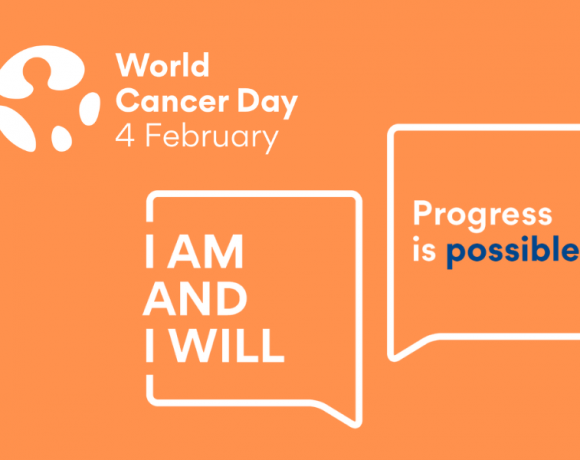
It is for this reason that February 4th is set aside to raise awareness and to encourage prevention as well as treatment of cancer.
The goal of the day led by the Union for International Cancer Control is to significantly reduce illness and death caused by cancer.
It also serves as an opportunity to rally international communities to end the injustice of preventable suffering from cancer.
The theme for this year “I Am And I Will” is about the actions that would lead to progress in reducing the global impact of cancer.
So every action no matter big or small would make lasting positive change.
Sadly, the global COVID-19 pandemic has affected activities of most organisations involved in cancer control, treatment and management.
Despite this setback, however, the cancer community has continued to show resilience in providing services in terms of screening, diagnosis and treatment.
It is important therefore for government to continue to invest in the control of cancer as well as its management.
The National Health Insurance Scheme, NHIS, should be extended to cover all Nigerians.
Also, the cost of chemotherapy treatment which is on the high side should be reviewed.
There is need to train more specialists in the oncology field to increase access to care by cancer patients.
Furthermore, government should provide good diagnostic centres with increased capacity to reduce waiting period for treatment.
Pressure should be mounted by stakeholders on the producers of cancer drugs to manufacture them in Nigeria for easy accessibility.
Increased vaccination of girls against human papilloma virus, HPV, will also reduce the incidences of cervical cancer.
Individuals on their part should desist from lifestyle that could expose them to the risk of cancer, such as smoking, having multiple sexual partners, eating wrong diets, processed foods and use of oral contraceptives for a long period.
The theme, “I Can And I Will” is a clarion call for everyone to collectively reduce deaths from cancer.
Anthonia Akanji