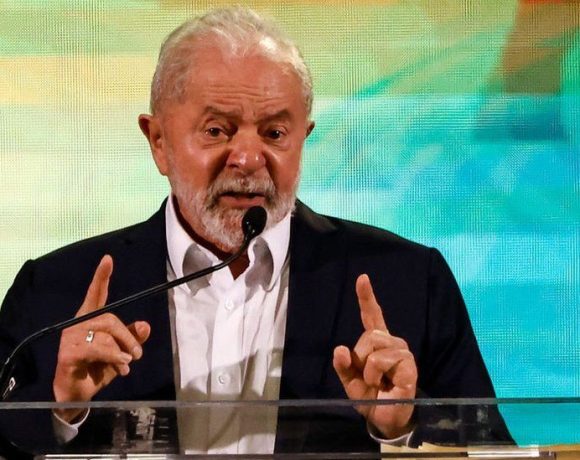
Brazil’s president, Luiz Inácio Lula da Silva, has sacked the country’s army chief, two weeks after rioting in the capital.
General Julio Cesar de Arruda had only been in the role since 30 December – just before former president Jair Bolsonaro’s mandate ended.
President Lula has said he suspects members of the armed forces colluded with protesters.
He has dismissed dozens of military officers in recent days.
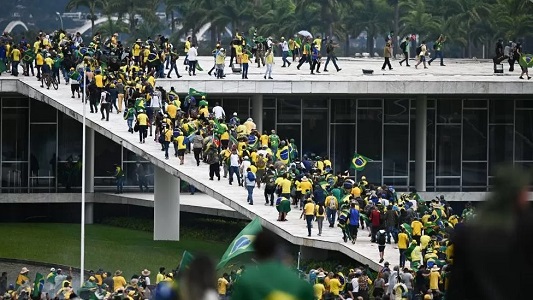
Thousands of supporters of Mr Bolsonaro stormed government buildings in Brasília on 8 January after managing to march, largely unchallenged, through the city.
Several police officers were injured in the violence and the presidential palace, Congress and Supreme Court were vandalised after rioters forced their way in. Some 2,000 people were detained on the day, Brazil’s federal police reported, and nearly 1,200 remain under arrest.

The Supreme Court is investigating what happened and is including Jair Bolsonaro in the probe. Prosecutors said the far-right former leader may have incited the riot after posting a video that questioned the legitimacy of last year’s presidential election.
He has denied any involvement in or responsibility for the uprising by his supporters.
General Arruda is being replaced by a military commander close to the president – General Tomás Ribeiro Paiva. He made a speech earlier this week urging soldiers to accept the result of the presidential election.
Unsubstantiated allegations of fraud in October’s election were a driving motivation for many Bolsonaro supporters involved in the storming. Many were also enraged that President Lula, who was found guilty of corruption in 2017 and spent time in prison before his convictions were annulled, was back in power.
President Lula blames Mr Bolsonaro directly for the rioting, but also points the finger very firmly at collusion by “people inside the armed forces”.
Mr Bolsonaro was previously an army captain and known to have the support of certain figures in the military. Lula’s sacking of the army commander and removal of dozens of officers responsible for presidential security could be seen as steps towards rebuilding trust in the military personnel who surround him.
After this tumultuous start, Lula now faces the challenge of trying to govern in a bitter and thoroughly polarised atmosphere.
On Friday, Brazil’s Defence Minister, José Múcio, said it was time to turn the page and focus on the country’s future – adding that the military as an institution was not involved in the rioting.
Meanwhile, Jair Bolsonaro remains in Florida, where he has been since he refused to attend President Lula’s inauguration ceremony.
Last week, the former justice minister and a key ally of Mr Bolsonaro, Anderson Torres, was arrested after being accused of “sabotaging” police efforts to protect the buildings in Brasília.
BBC/Simeon Ugbodovon
Subscribe to our Telegram and YouTubeChannels also join our Whatsapp Update Group