By Olaitan Oye-Adeitan
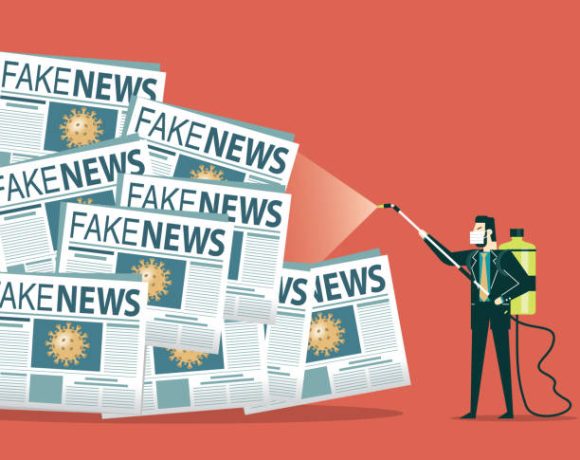
Prompt publication and reportage of accurate and ethically verifiable stories is crucial in stemming the tide of misinformation and disinformation flooding social media.
The Executive Director, of the Centre for Media and Society, CEMESO, Dr Akin Akingbulu made the assertion at a virtual meeting held for media professionals and relevant stakeholders on “Networking and Dialogues on Misinformation and Disinformation Issues”.
Dr Akingbulu explained that the meeting was part of the European Union’s intervention to build the capacity of the media and broadcast regulators to confront the bug of misinformation and disinformation towards a stronger and more robust democracy in Nigeria.

The CEMESO Director described false narratives as threats to national peace and progress.
He said misinformation and disinformation were also capable of exacerbating and delegitimising electoral processes., “It holds a significant threat to the fabric of the society sowing discord and inciting violence, jeopardizing peace and encouraging diminished public participation in electoral processes”.
According to him, CEMESO has trained over 200 journalists to empower the media and the public with credible information”.
He therefore called for deliberate efforts by the media to strengthen the resilience of democratic society by changing the ugly narrative.
The Programme Manager, CEMESO, Mr Timothy Bamidele listed the six thematic areas the EU intervention programme covered including improving the quality of electoral administration in Nigeria, Combating hate speech and misinformation, as well as providing support to political parties, electoral body, media, women youths and the marginalized groups.
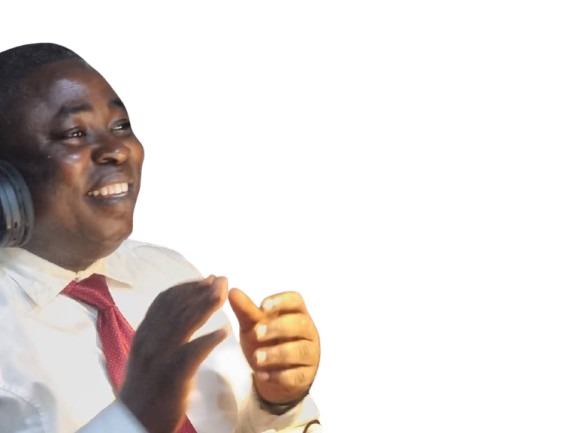
Mr.Bamidele however observed that the media did not always provide fair coverage of elections.” This is to ensure that journalists are well trained to perform optimally”.
Mr Bamidele wants the National Broadcasting Commission, NBC, to ensure that it lived up to its mandate of regulating activities of the media.
In a remark, a representative of the INEC Resident Electoral Commissioner in Ondo State, Dr Tope Akanmu, said the damaging effect of misinformation and information was not only felt in politics and electoral processes but in all aspects of human life.
He called for concerted efforts by the media to increase their production of timely and correct information.
Also, in a message to the meeting, President of the International Press Council, IPC, Mr. Lanre Arogundade was optimistic that the forum would have a positive impact on information dissemination.
Contributions from participants were pointers to the fact that the media must really wake up to its responsibility of presenting unbiased information by digging deeper into issues and being empowered with the right tools to fact-check stories before being published.
It would be recalled that the Centre For Media and Society, CEMESO had been holding a series of trainings for the media and other key players in line with the European Union’s agenda of building sustainable democracy in Nigeria among other pertinent goals.
Subscribe to our Telegram and YouTube Channels and also join our Whatsapp Update Group