Health

By Fasilat Lawal

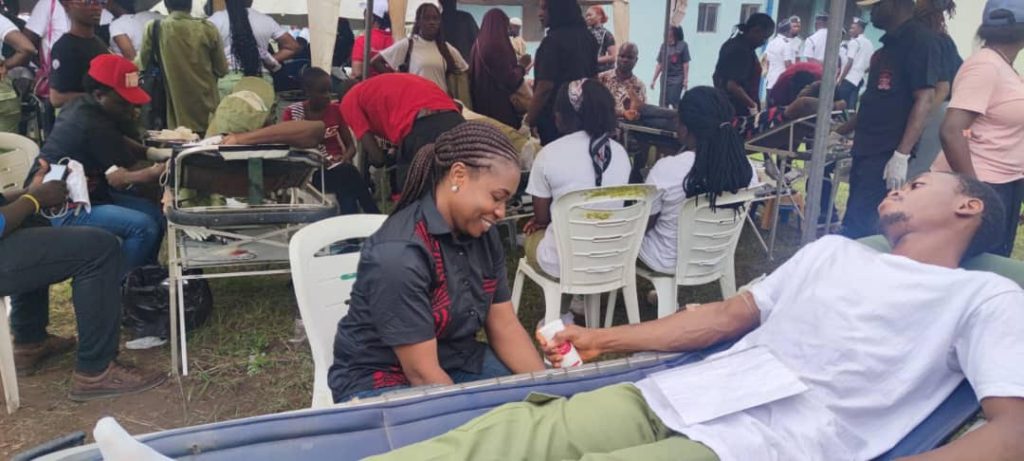
Nigerians should continue to support blood donation as it is a critical life-saving humanitarian service.

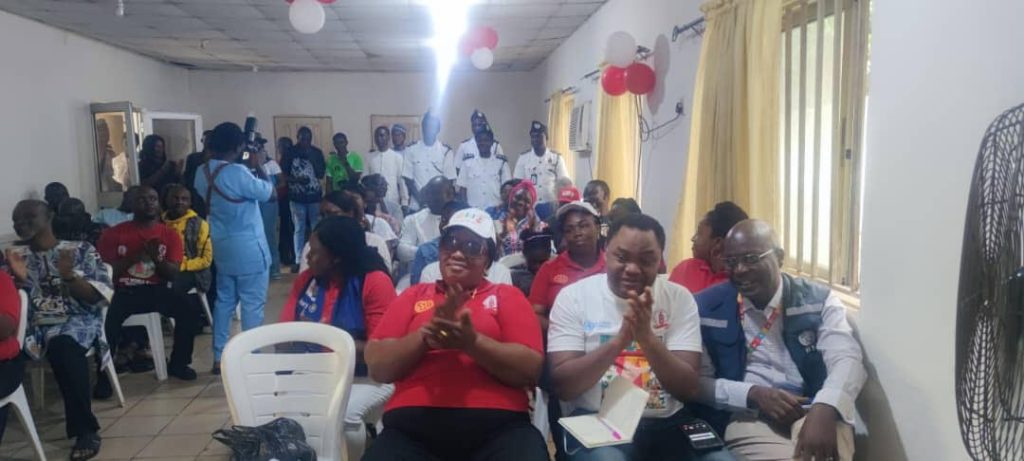
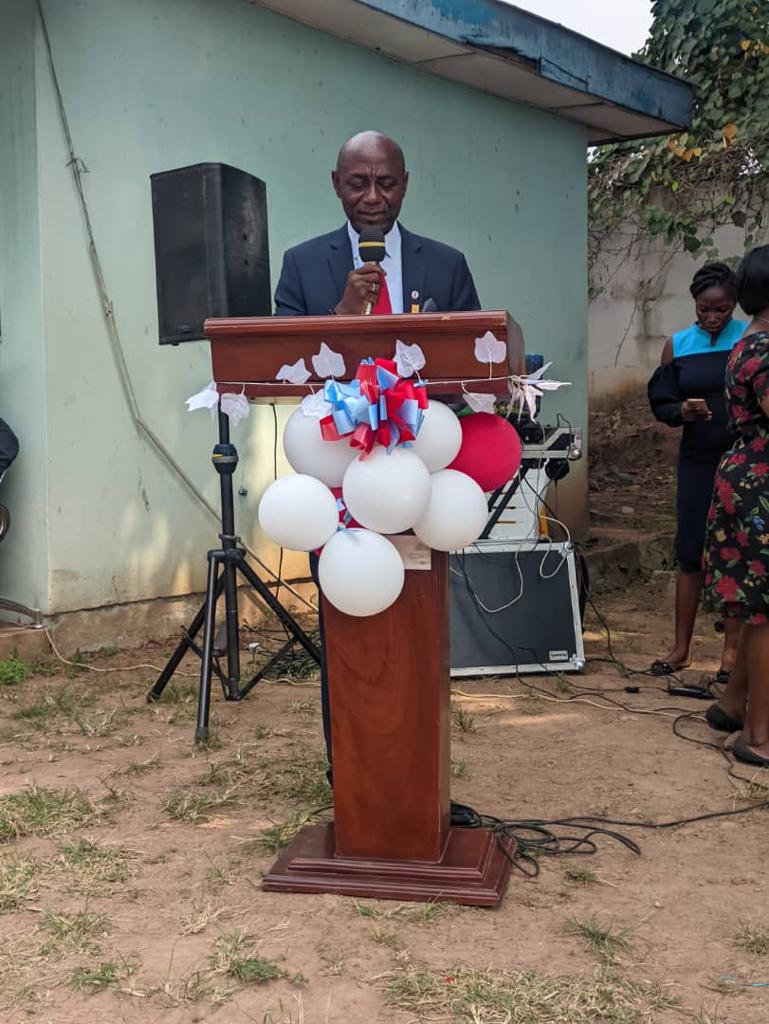
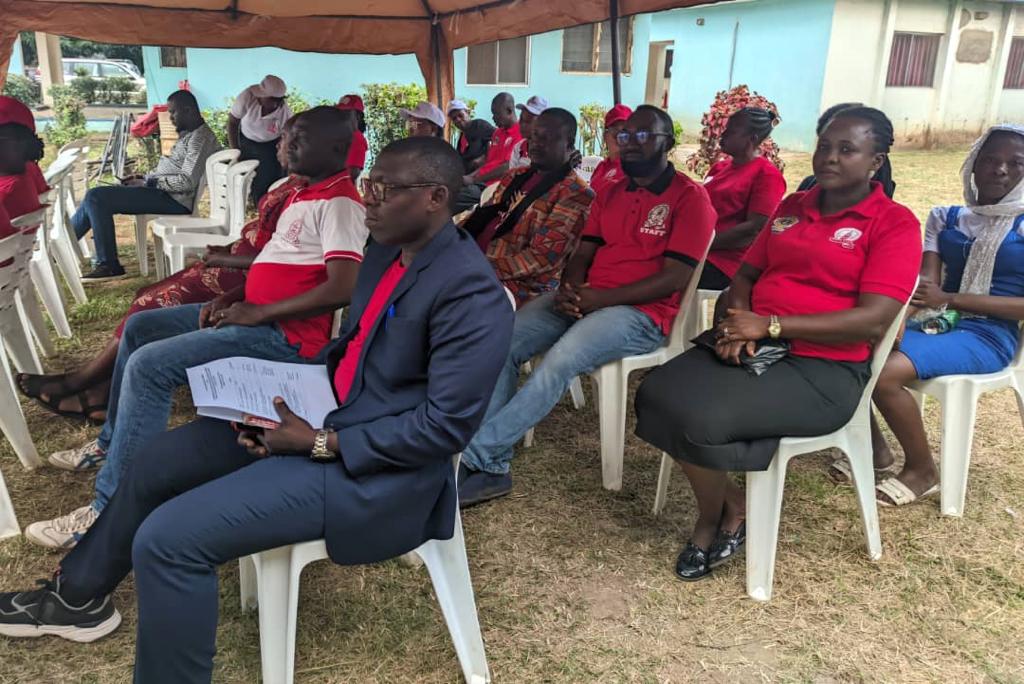
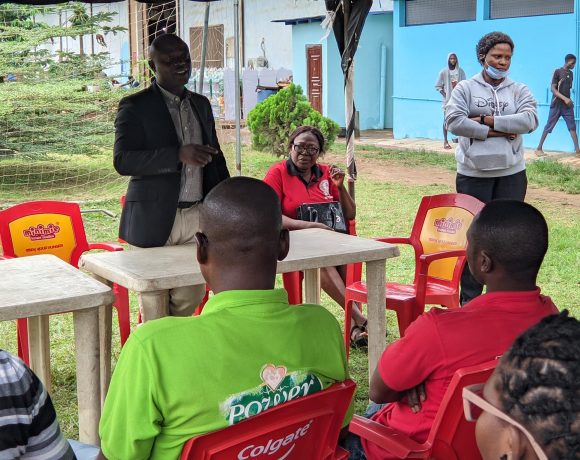
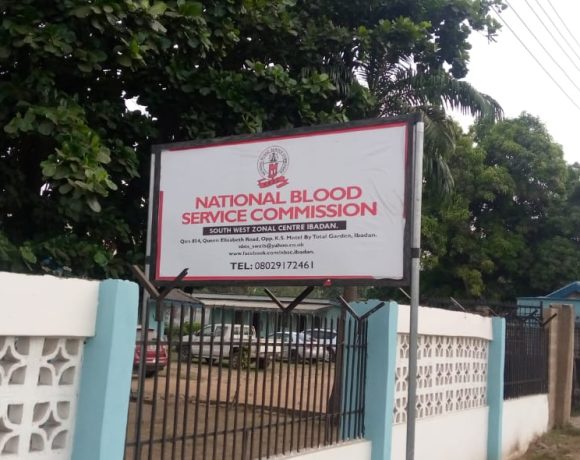
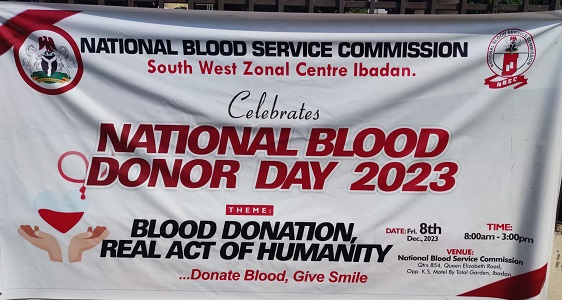
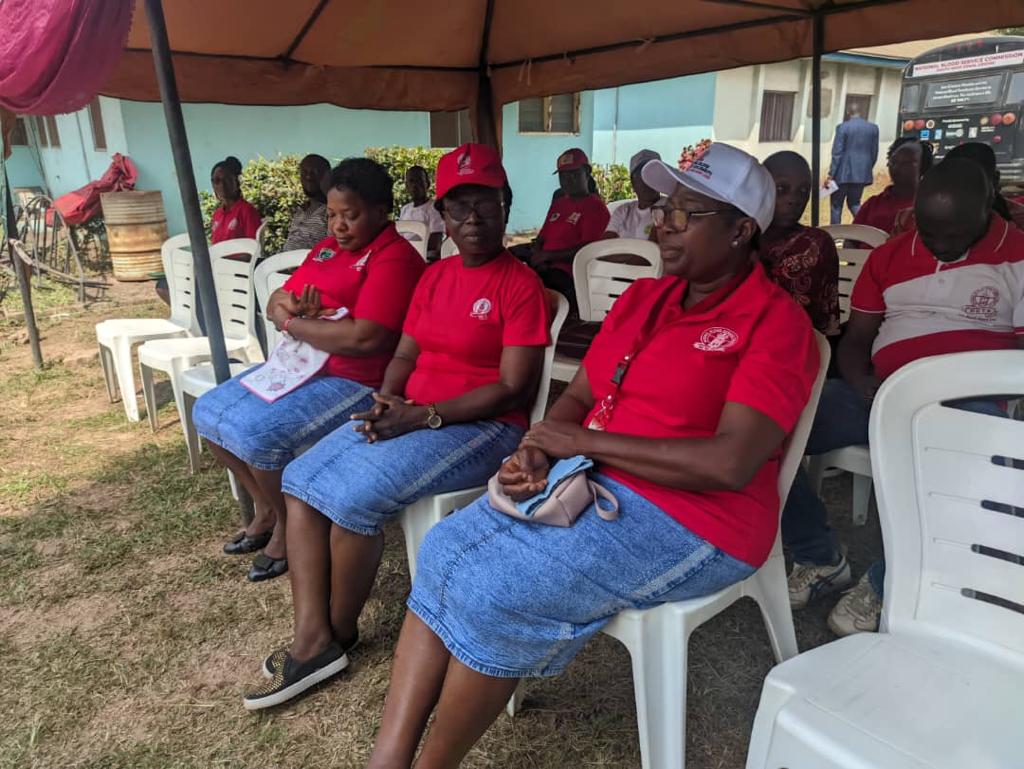
The Acting Zonal Director, Southwest National Blood Service Commission NBSC Ibadan Dr Oladapo Aworanti, a Consultant Hematologist, stated this at the NBSC office, Total Garden Ibadan to mark National Blood Donor Day.

Dr Aworanti explained that the NBSC would like more Nigerians to come forward and donate blood to help those in dire need of it.

While urging those willing to donate to shun any myths or misconceptions about voluntary blood donations, Dr Aworanti explained that the donation process involved thorough testing to ascertain if willing donors are fit to donate to safeguard their health.

“These are the challenges we face if you speak to people to donate blood they would tell you how much blood do I have? which is wrong. We will get you tested before you can donate, and during testing, you will get the advantage of knowing your blood group along with any other relevant information.

The Acting Zonal Director of NBSC Ibadan said this year’s event which is the second edition in the country was meant to create more awareness on blood donation so that NBSC would have more blood at its banks, especially when needed in emergency cases.

 “We are moving towards the end of the year and lots of activities happen towards the end of the year, we don’t want a situation where we won’t be able to save blood.

“You can see what happened in Kaduna’s recent bomb explosions. NBSC supported the victims. If we don’t have blood in our commercial Banks and blood banks, where we keep blood how can we donate and save lives? ”Hence the need to create more awareness“

Speaking on the theme ‘Blood Donation the Real Act of Humanity, Dr Aworanti emphasized that donors are life savers, pointing out that NBSC was working on a modality of appreciating them.

“NBSC is working on a modality that will send a thank you message to appreciate and inform donors that their service to humanity saved a particular age group. I think this would make the  donors to come back and donate.”

The Consultant Hematologist said further that the Commission would soon embark on public school sensitization, appealing to Nigerians not to monetize their blood, but to visit appropriate facilities for voluntary blood donation.

Dr Aworanti added that with the creation of National Blood Donor Day, the statistics of blood donors in the country had slightly increased, and expressed hope that with more sensitization, there would be sufficient units of blood at blood banks.

Also, a Rotarian, Mrs Kemi Akinpelu decried the low rate of blood donation in the country, stressing that sensitizing the public would lead to more donations.

Two donors, Mr Akamu Nurudeen and Mr Oladeji  Olatunji who spoke to Radio Nigeria expressed happiness for donating blood to save lives:
“When I donate blood I don’t feel sick and avoid heart attack “
I look healthy when I donate blood”
National Blood Donor Day was instituted last year by former President Muhammad Buhari to boost blood donation in the country.

Subscribe to our Telegram and YouTube Channels and also join our Whatsapp Update Group 
Health

By Fasilat Lawal

Voluntary non-remunerated blood donors form the backbone of the health care sector in Nigeria.

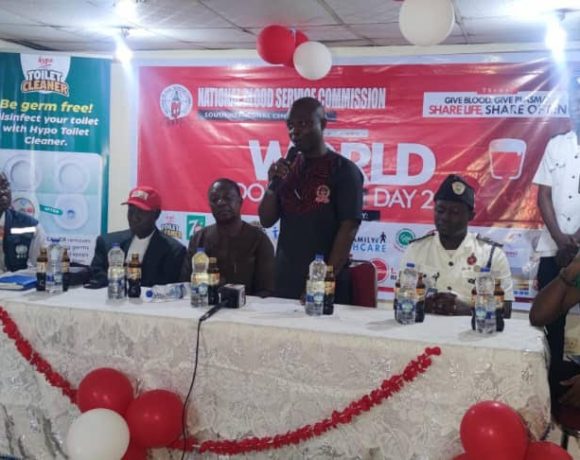
Acting Zonal Director, National Blood  Service Commission South West Center, NBSC, Dr Oladapo Awonranti declared this at a news briefing to commemorate this year’s World Blood Donor Day held at the Total Garden Ibadan.

Dr Aworanti explained that Voluntary donors had to be celebrated and appreciated as they continued to give ailing citizens another chance to live, ñoting that despite recent challenges, donors have been supportive, describing them as champions.

He said NBSC had improved considerably at both the national level and regional level, citing an example of a recently purchased cold centrifuge that had started producing blood components Red cells, FFP, and platelets to boost service delivery in the country.

He added that the foundation for safe blood and blood products rested on effective and efficient donor selection and enjoined functional blood banks to abide by the regulatory role of the transfusion services in the country.

In their separate submission, Public Health Officer of World Health Organization, WHO, Mr Katibi Mustapha and National President Ahmadiya Muslim Youth Organization Oyo State, Mr Akinyemi  Abdul Raqb who said their  Organizations were ready to partner NBSC for safe blood, blood products and render service to humanity in the country, urged people to continue to donate blood to be healthy.

Earlier, blood donors had expressed readiness to donate more blood to save lives,  followed by road Walk which took off from the commission’s office at the total garden and terminated at Gate.

Subscribe to our Telegram and YouTube Channels also join our Whatsapp Update Group
Health

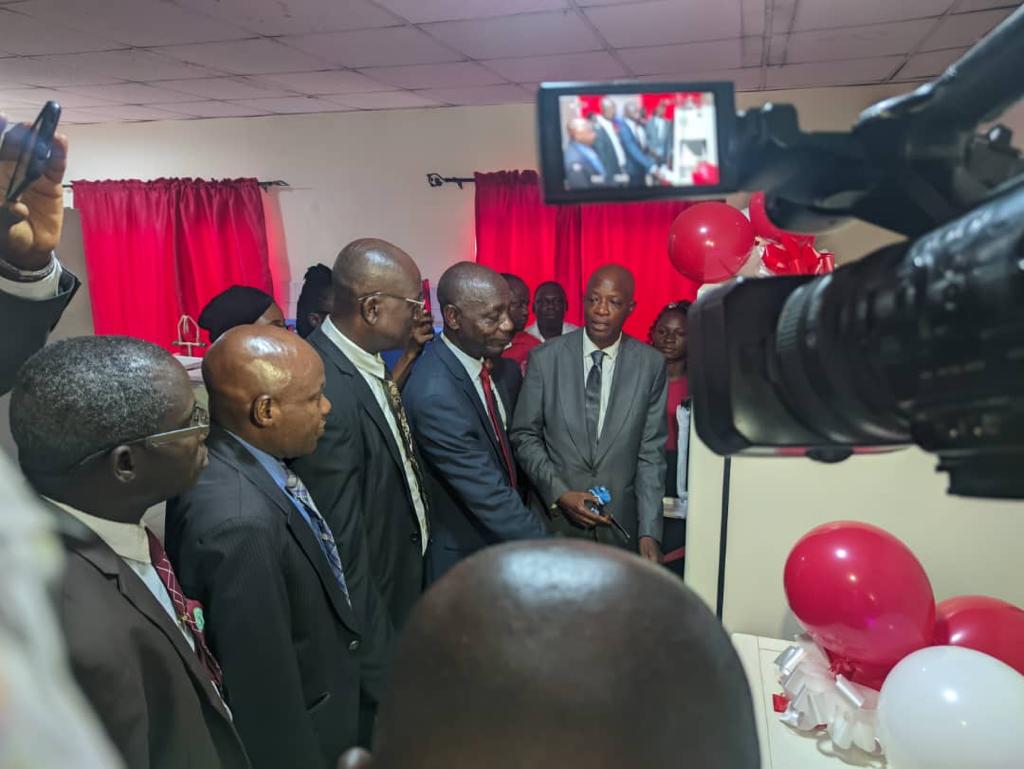
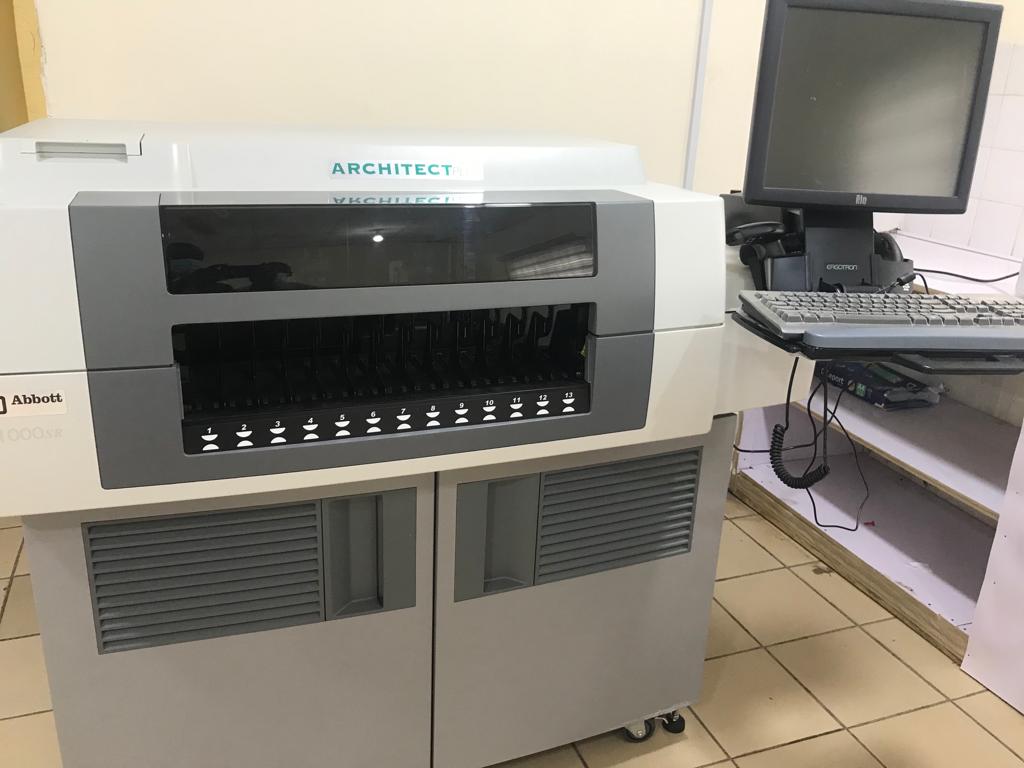
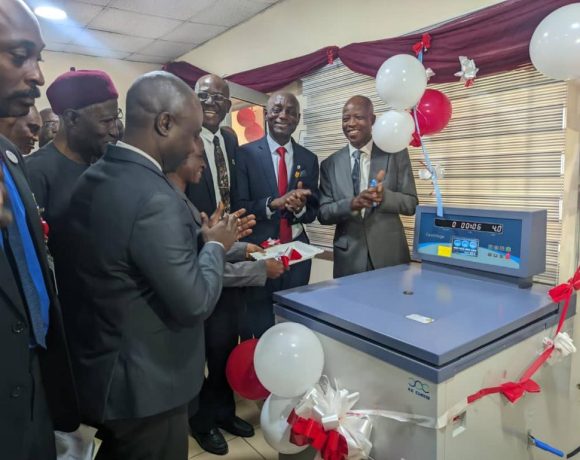
A component production machine known as Cold Centrifuge has been inaugurated in Ibadan.

The Cold Centrifuge is to produce blood components which would in turn improve blood screening services in the country.

Minister of Health, Dr Osagie Ehanire who stated this while inaugurating the equipment explained that the centrifuge would separate the four components of blood in the human body to give a specific requirement instead of exhausting the whole blood.

Dr Ehanire who was represented by Director General, National Blood Service Commission, NBSC, Dr Omale Amedu, hinted that the commission had approved the categorization of blood establishment into primary, secondary and tertiary levels based on the structure range of personal, equipment, products and the services rendered.

The minister noted he had given the approval to constitute a regulatory task force to effectively carry out this regulation to ensure that all blood screening establishments in the country were authorized to be in the business.

In an address of welcome, the Zonal Director of the National Blood Service Commission, NBSC, South-West Zonal Centre, Dr Oladapo Aworanti expressed satisfaction that the components production equipment would meet international standards.

In a goodwill message, Secretary to Oyo State Government, SSG, Mrs Adeosun Olubanwo represented by the permanent secretary, Ministry of Health, Dr Ayoola Adebisi lauded the initiative and described the event as unique while noting that one of the cardinal programmes of Governor Seyi Makinde’s administration was the provision of good healthcare.

He explained that the state had digital blood-transforming equipment across the health facilities to complement the effort of the NBSC.

Goodwill messages were sent by Chief Medical Directors of hospitals in Ibadan, Lagos, and Ekiti States and other stakeholders.

The high point of the event was the inauguration of the NBSC Tertiary Education Blood Safety Club.

Fasilat Lawal

Subscribe to our Telegram and YouTube Channels also join our Whatsapp Update Group
Health

To ensure an adequate supply of blood to the nation’s health facility, the federal government has declared December 8th as Nigeria’s National Blood Donor Day.

Reacting to this, the Acting Zonal Director, National Blood Service Commission, NBSC, South West Zonal Center, Ibadan, Dr Oladapo Aworanti said the step was to increase the act of voluntary blood donation and to appreciate donors.

Contrary to insinuations that setting aside another day for blood donation apart from International Day was a duplication of efforts, Dr Aworanti explained that the measure was to increase the blood pool across the country and to ensure the availability of blood in December when blood donation is reduced.

Dr Aworanti mentioned also that December was significant due to the festivities, increased vehicular movement and likelihood of road crashes.

Anthonia Akanji

Health

The Acting Zonal Director, National Blood Service Commission, NBSC Southwest, Dr Oladapo Aworanti has advised  Nigerians not to engage in activities that could make them need blood during this festive season.

He said motorists particularly should not drink while driving while everyone should be cautious in all their activities.

The NBSC boss explained that this warning became necessary because the units of blood generated monthly could still not sustain blood needs in hospitals.

“Things has really improved compared to what it was as NBTS. The maximum blood donation for a month then was about two hundred to two hundred and thirty units but the figure is more than four hundred monthly now”.

On the service charge per unit of blood, Dr Aworanti said the amount remained eight thousand naira in Ibadan and all NBSC centre’s across the country.

The NBSC boss explained that very soon, laboratories involved in blood transfusion would need to be registered and accredited as a way to guarantee the safety of blood for recipients.

While appreciating Radio Nigeria and other media organizations for their support, Dr Aworanti called on Nigerians to embrace voluntary blood donation as a way of life.

Anthonia Akanji.