Persons affected by leprosy want the government to lead the campaign against the stigmatization of people with the disease.
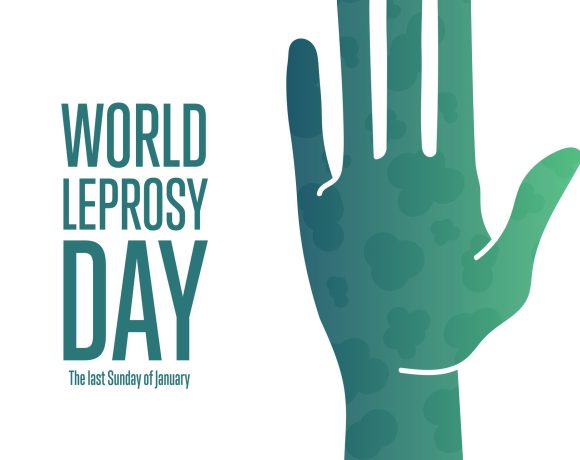
Program Officer, the Leprosy Mission Nigeria, Kwara State, Mr Muyiwa Nafiu made the call in commemoration of this year’s, World Leprosy Day in Ibadan.
He explained that discrimination against persons afflicted by leprosy and their families had remained a major challenge.
Mr Nafiu urged Nigerians to erase the belief that the disease is contagious and hereditary stressing that it is one of the Neglected Tropical Diseases, NTDs, caused by bacteria.
He called on people to seek early care if they suspect or see any signs of leprosy, saying the disease is curable and treatment is free at government facilities.
Mr Nafiu, therefore, appealed to governments at all levels to create adequate awareness of leprosy in the country as people are still contracting it and also give necessary support to those affected.
World Leprosy Day is observed on the last day Sunday of January annually to create awareness about the disease.
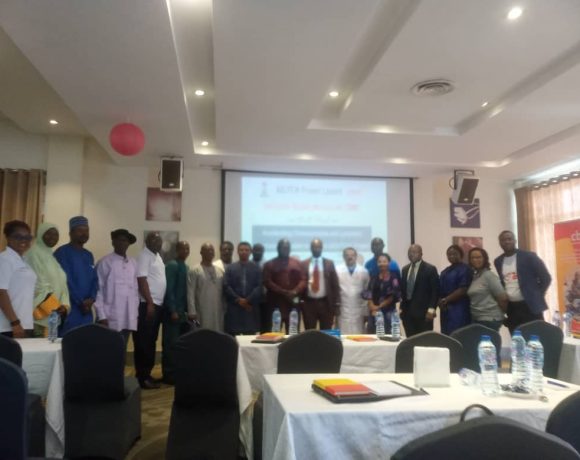
National Coordinator, Neglected Tropical Disease,(NTD) Elimination Program, Federal Ministry of Health, Dr Nsebong Akpan said the federal government is collaborating with the Christian Blind Mission, CBM to eliminate Neglected Tropical Diseases.
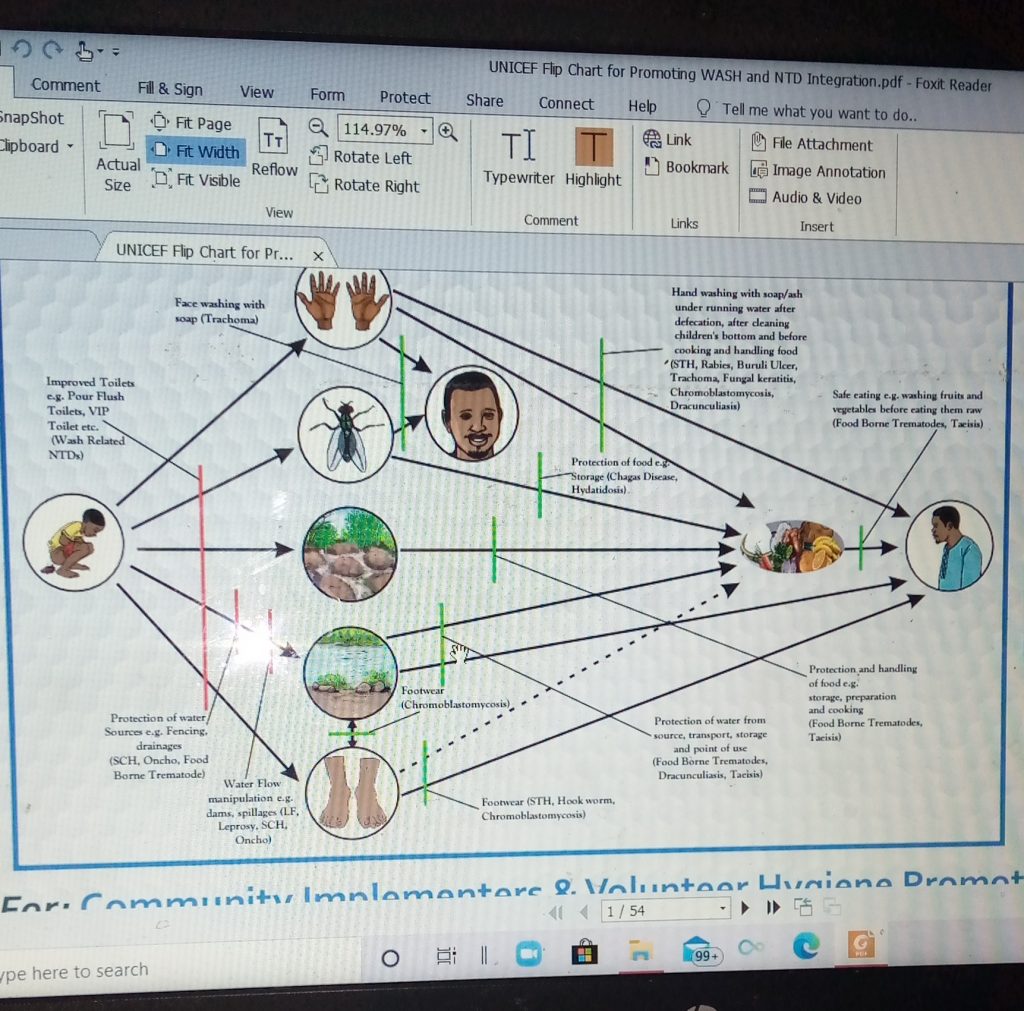
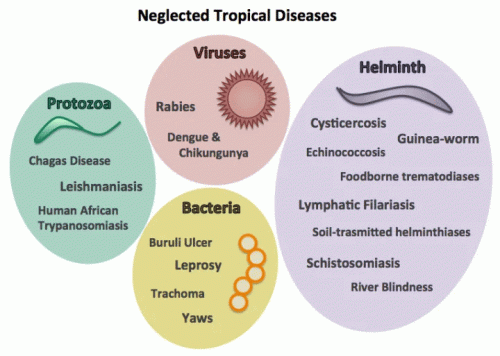
NTDs are found in several countries in Africa, Asia, and Latin America. NTDs are especially common in tropical areas or subtropical regions where people do not have access to clean water or safe ways to dispose of human waste.
Examples are Dracunculiasis (Guinea Worm Disease), Lymphatic Filariasis, Onchocerciasis, Schistosomiasis, Soil-transmitted Helminths (i.e., Ascaris, Hookworm, and Whipworm), Trachoma
This he said was important in view of the record that about one hundred and twenty-two million Nigerians are suffering from these diseases
“a great number of Nigerians have these diseases but they are not cognizant of them, It is hoped that the country will eliminate the disease in less than ten years It takes teamwork to do this and everyone has a role to play”
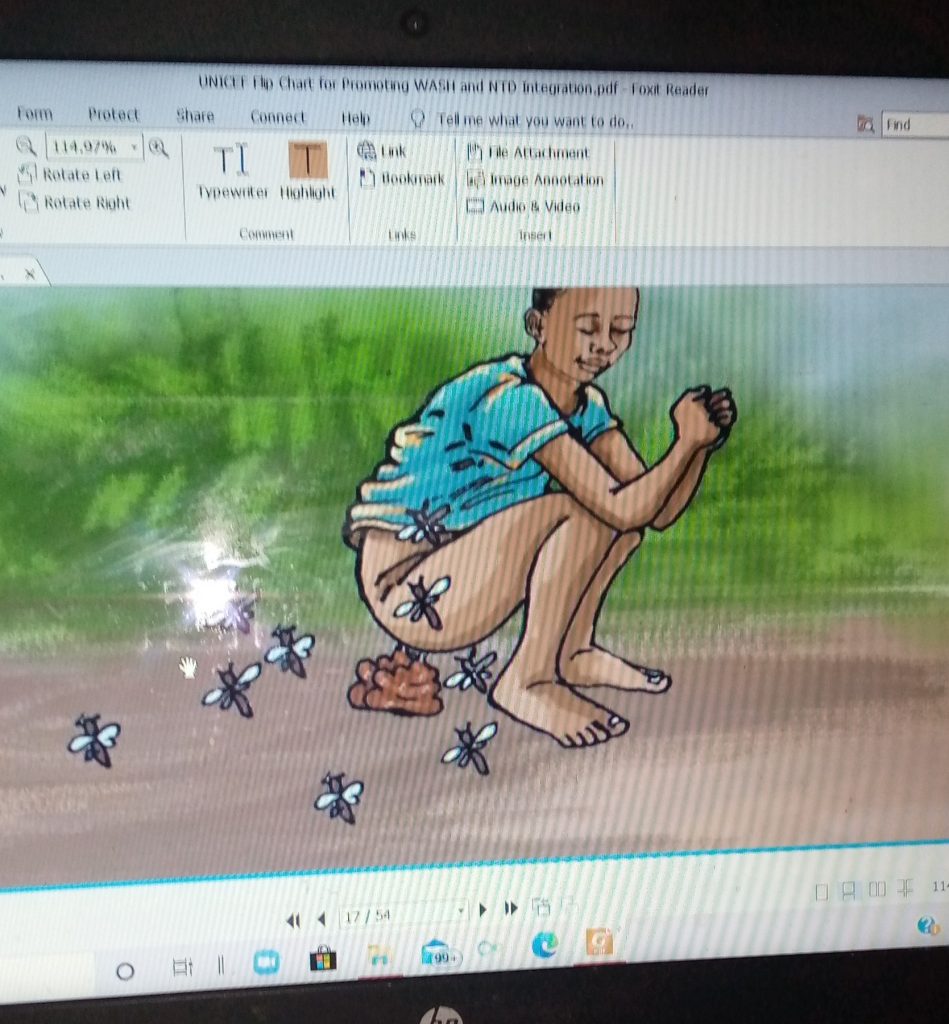
Dr Akpan noted that those mainly affected are the poor and downtrodden, those living in rural communities, slums and shanties as well as those who practice open defecation.
Statistics show that about fifty-two point seven million people are at risk of Onchocerciasis or River Blindness while an estimated one point three six million people are at risk of Lymphatic Filariasis in Nigeria.
Although some states have made significant progress in the control of Onchocerciasis, Lymphatic Filariasis, Schistosomiasis, soil-transmitted helminth infections and trachoma, some states are still lagging behind.
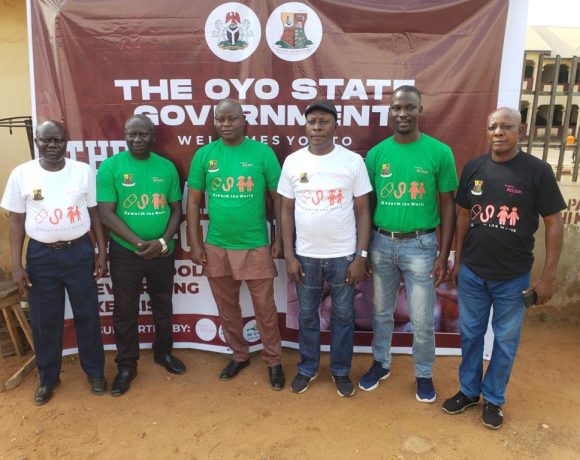
In a bid to eliminate these diseases in four states of Oyo, Ogun, Rivers and Bayelsa, the federal government formally launched the “Accelerating Onchocerciasis and Filariasis Elimination in Nigeria Project in Ibadan, Oyo State in support of the Christian Blind Mission, CBM.
Apart from preventing these diseases as a public health problem, the project is also aimed at scaling up plans to meet the 2030 target stipulated by the World Health Organization, WHO, for disease elimination milestones.
In a remark Director, Inclusive Eye Health and NTDs at CBM, Dr Babar Qureshi promised that the mission will continue to work until everyone was protected against these diseases.
CBM is an international development organization working to transform the lives of people with disabilities.
About one point six million school-age children in 26 Local Governments in Oyo State are at risk of endemic diseases of Schistosomiasis.
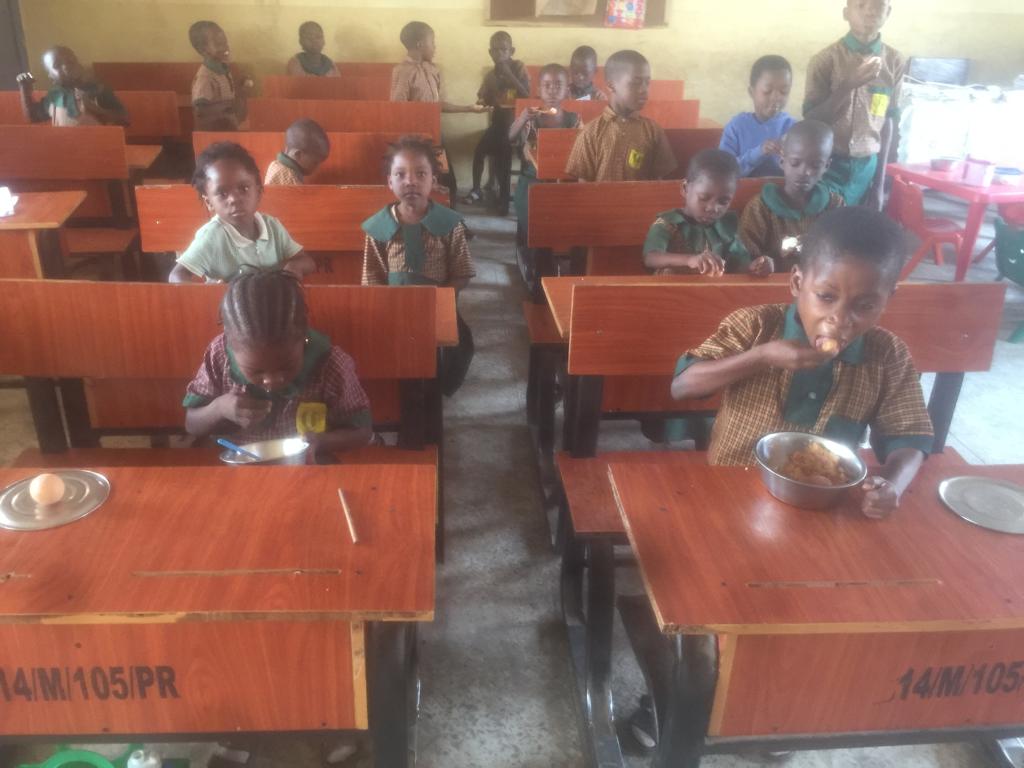
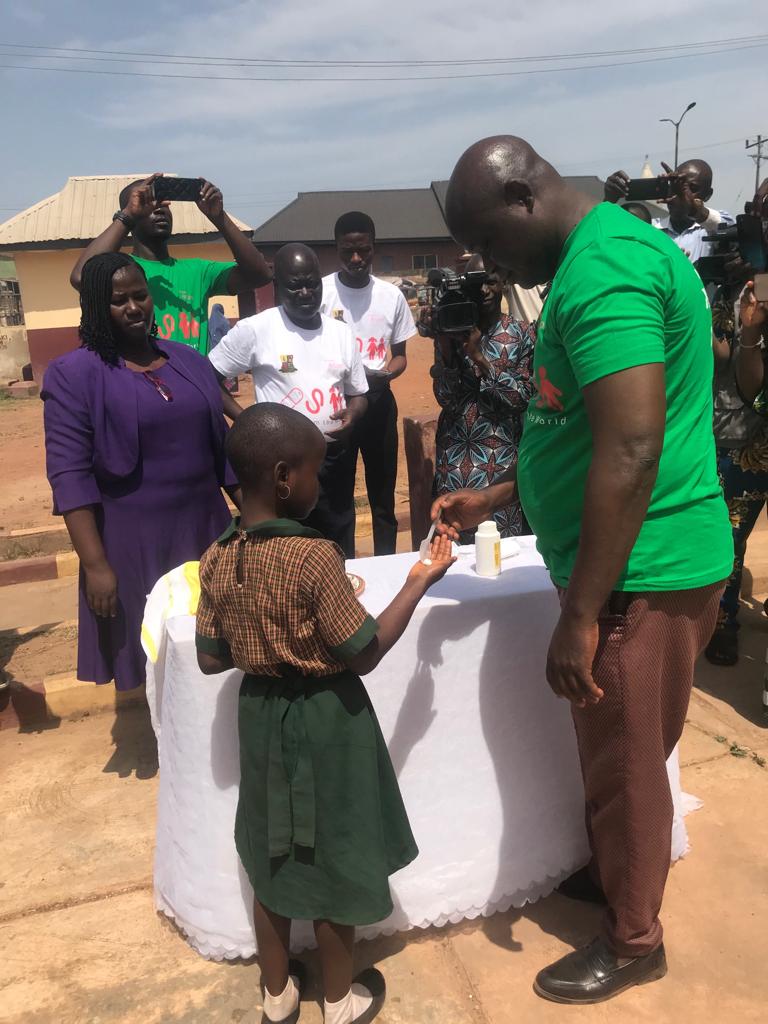
National Coordinator of the NTDs, Dr Ńṣe Akpan stated this at the Flag off of the deworming exercise for beneficiaries of National Home Grown School Feeding programme held at IDC primary School, Gbagi, Ibadan.
Dr Akpan represented by Mr Rotimi Adegojun said NTDs intended to treat school children from 5 to 14 years and those who had not enrolled for Schistosomiasis.
“Federal Ministry of Health would continue to make this project an annual event, we want to deworm all our children in Oyo State both the enroll and non enroll no one will be left out”.
Also, speaking, the Zonal Coordinator, Neglected Tropical Diseases South
West, Dr Ogunmola Olusola, who affirmed that most states in the country were affected with tropical diseases noted that with the deworming exercise in Oyo State, the endemic would reduce.
He said, “deworming activities take place almost every year in all the local governments, there 32 local governments in Oyo State that are endemic and almost all the country”.
In a remark, the Minister of Humanitarian Affairs, Disaster Management and Social Development, Hajiya Sadiya Farouk explained that National Home-School Grown School Feeding Programme was one of the clusters under the Federal Government National Social Investment Programme aimed at providing one free nutritious meal a day to pupils of primaries 1 to 3 in public primary schools in the country.
Hajiya Farouk who was represented by Director, Social Development, Mr Taiwo Bashorun who noted that the Objectives of the NHGSFP were to increase school enrolment attendance and retention, improve the nutritional and health status of school children, stimulate local agriculture production and economy, provide empowerment opportunities for cooks.
The Minister urged all partners and stakeholders involved to act with greatest sense of diligence and professionalism to ensure children receive free deworming medications.
Also, the Commissioner for Education, Science and Technology, Mr Rahman Abdulraheem, represented by Mrs Felicicia Oyerinde said cases of absenteeism at school had reduced
She added that 17th November and March 17th had been declared as deworming day to appreciate the support of School Home Grown Programme to improve the health of children.
Commissioner for Health, Dr Olabode Oladipo represented by Dr Oyewole Lawal while flagging off the deworming exercise said the routine was to complement the Federal Government’s efforts at feeding the school children and making them healthy.
Dr Oladipo explained that the programme was in partnership with Federal Ministry of Health, Ministry of Humanitarian Affairs Management Disaster and Social Development, Oyo State Ministry of Health and Evidence Of Action Nigeria.
As the world marks the day set aside for neglected tropical diseases, the Ogun State government has trained community mobilisers including teachers to sensitize households on the diseases.
The Ogun State Commissioner for Health, Doctor Tomi Coker made this known in Abeokuta while briefing newsmen on the commemoration of the day by the ministry.
The commissioner stated that eighty per cent of the Ogun State population were at the risk of having onchocerciasis and lymphatic filariasis while Abeokuta North and Odeda Local Government Areas have the highest prevalence of Schistosomiasis in Nigeria quoting the report of the Federal Ministry of Health.
Doctor Coker who noted that the diseases are preventable and curable stated that the state government would continue to collaborate with relevant bodies to ensure that the people are sensitised to end the neglect of tropical diseases.
Representatives of the supporting partners of the Ogun State Ministry of Health in their various remarks commended the state government on its handling of various interventions in the state.
Six of the seventeen diseases classified as neglected tropical diseases are prevalent in Ogun State which includes Onchocerciasis, Inarun, Lymphatic Filariasis, Iwuse, Schistosomiasis, Atosi Aja, Soil-Transmitted Helminthiasis, Aran Inu, Leprosy, Ete, And Buruli Ulcer, Egbo Adaajina.
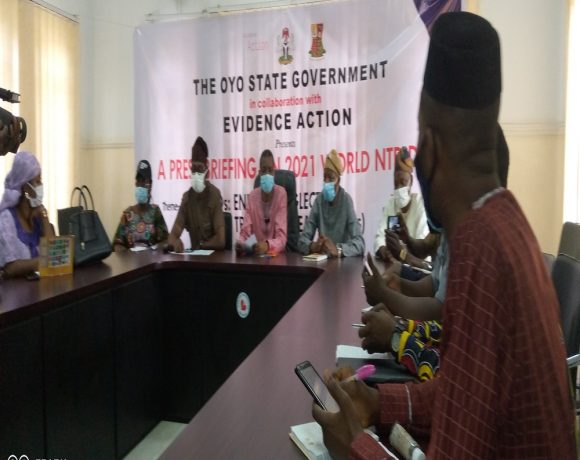
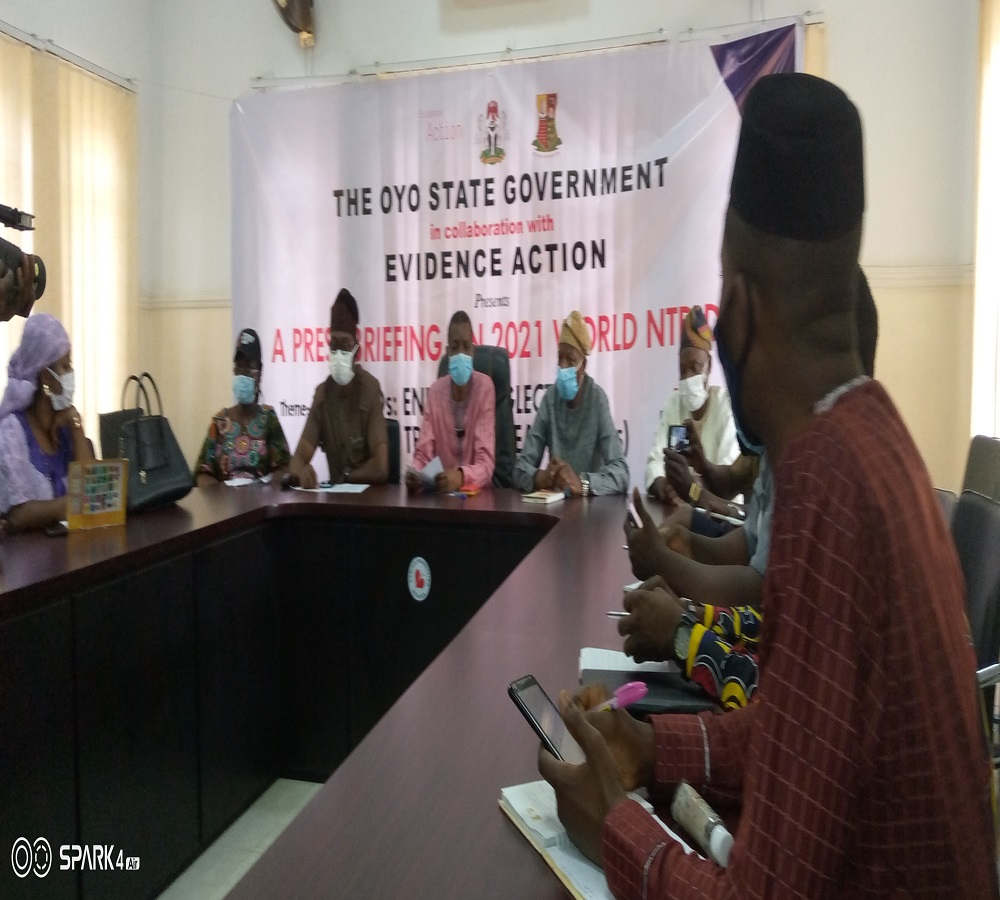
As the 2021 World Neglected Tropical Diseases Day is being commemorated, stakeholders advocate collective efforts to its end.
Neglected Tropical Diseases, NTDs, impose significant health, social and economic burden on over a billion people across the world in terms of direct health costs, loss of productivity and reduced socioeconomic and educational attainment.
To this end, Commissioner for Health in Oyo State, Dr Bashir Bello called on Nigerians to collectively fight the disease.
Noting that some of the NTDs are endemic in Oyo State, Dr Bello said they could lead to disability, stigmatization and even death if left untreated.
Executive Secretary, Oyo State Primary Health Care Development Board, Dr Muideen Olatunji said Onchocerciasis, which is transmitted through the bite of a female black fly is endemic in twenty eight local government areas; Lymphatic Filariasis, transmitted through exposure to the bite of an infected mosquito (Culex, anopheles or Aedes) in ten LGAs; Schistosomiasis, which can be gotten from contaminated water in twenty eight local government areas and Soil Transmitted Helminths, contacted through injection of contaminated food, water and Soil is endemic in all the thirty three local government areas of the state.
The good news, however, according to the executive secretary is that drugs are available and are distributed by government in the affected local government with support from Evidence Action.
Commissioner for Education, Barrister Olasunkanmi Olaleye represented by Director, Schools, Mrs Christianah Bolaji said time was now to end NTDs as they interfere with nutrient uptake in children leading to anaemia, malnourishment and impairment of mental and physical development.
He pointed out that Oyo State School Deworming programme had conducted five rounds of treatment for intestinal worms in both public and private schools in the state during which children from ages five to fourteen were given drugs free of charge.
The Ogun State Government has called for a community dialogue approach to enable rural communities to have a better understanding of reducing neglected tropical diseases, NTDs through proper sanitation and a healthy environment.
The state’s NTD coordinator at the Ministry of Health, Dr Islamiat Shoneye made the call when she led other members of her team on an advocacy visit to Paramount FM in Abeokuta.
Our correspondent Olajumoke Idowu completes the story.