By Oluwayemisi Owonikoko
Nigeria is a known agrarian economy nation before the discovery of crude oil in commercial quantity in a village called Oloibiri in present day Bayelsa state and in the Niger Delta in 1956.
According to the Organization of Petroleum Export Countries (OPEC), Nigeria currently has the world’s tenth largest crude oil reserves and is the world’s thirteenth-largest producer of crude oil.
Based on this rating which makes Nigeria the largest oil producer on the continent, oil revenue has played a pivotal role in shaping Nigeria’s economy, accounting for a significant portion of its national income to finance its annual budget as it is usually calculated by the price of the crude oil at the international market.
It is now so unfortunate that the expectation of the nation based on international oil market permutation is repeatedly dashed as most time either due to the crash in crude oil price or inability to export enough to finance its budget thus resorting to borrowing.
Although it is beyond the nation to control the oil price, it can control the quantity being exported which is being confronted by a major problem that is, crude oil theft.
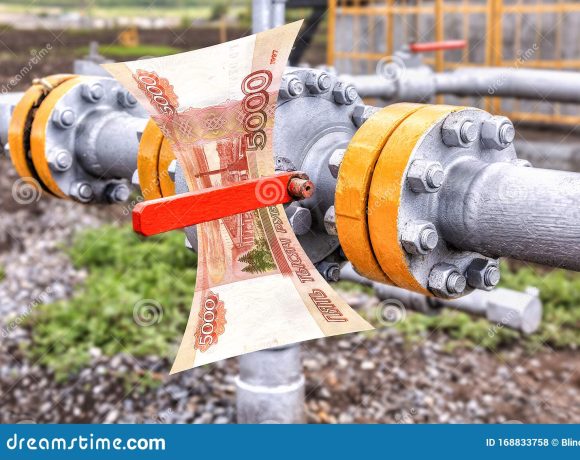
Crude oil theft in Nigeria is a complex and multifaceted issue which involves the illegal extraction, refining, and smuggling of crude oil and petroleum products, often perpetrated by organized criminal networks.
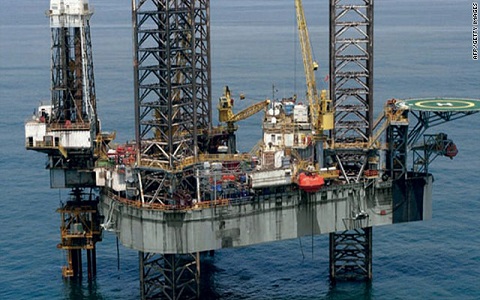
The thieves employed various tactics such as pipeline vandalism, illegal bunkering, and even direct attacks on oil installations, to steal and divert oil for their personal gain.
Various investigations have revealed that 619.7 million barrels of crude oil valued at 46.16 billion dollars equivalent to 16. 25 trillion naira were stolen between 2009 and 2020.
Recently, the Nigerian National Petroleum Company Limited (NNPCL) disclosed that Nigeria recorded a total of 240 crude oil theft incidents in one week.
According to NNPCL, between the 15th and 21st July 2023, oil theft incidents were recorded at various parts of the Niger Delta.
One of such cases was reported in July this year when a private security contractor, Tantita Security Services intercepted a suspicious vessel with a cargo of crude oil on board.
This persistent problem of oil theft has had severe consequences on the Nigerian economy, hindering growth, fostering corruption, and depriving the nation of much-needed resources for development.
It has also resulted to revenue loss, budget constraints and fiscal instability not only that, it has led to environmental degradation.
Most time, the proceeds from oil theft are often allegedly used to fund criminal activities, including insurgency, terrorism, and other forms of organized crime resulting in the security challenges being faced in some parts of the country.
To address this menace, federal government should strengthen the security measures around oil facilities and installations to prevent further theft of crude oil.
There is also the need to collaborate with international partners to frustrate activities of the syndicates which could be done through information sharing, capacity building and joint surveillance.
Above all, engaging local communities and providing alternative livelihood options can help reduce their reliance on oil theft for income generation.
Subscribe to our Telegram and YouTube Channels also join our Whatsapp Update Group