
Foreign

Australia has recorded its first diphtheria death in almost a decade as the country grapples with the worst outbreak of the vaccine-preventable disease in decades.

In March, the Northern Territory, NT, declared an outbreak of diphtheria with cases also in Western Australia, South Australia and Queensland. Cases started rising in late-2025 with a sharp increase in February.

This year, there have been 245 cases, marking the largest outbreak in Australia since 1991, mainly in remote Indigenous communities.

On Tuesday, NT’s health minister said autopsy results from an overseas lab found diphtheria was the cause of a man’s death in April at Royal Darwin Hospital, the first such case since 2018.

In recent weeks, the government has ramped up vaccination efforts in areas most at risk and the number of new cases was now falling, health officials said on Tuesday.

“Our government has taken this situation very seriously, and we are working hard to understand the causes and working to contain the situation,”NT Health Minister Steve Edgington said.

According to report, since 30 March, there have been 10,407 vaccinations.

Between January last year and May this year, the NT reported 163 diphtheria cases with 48 respiratory cases and 115 cutaneous cases, which is spread via skin contact.

BBC/Taiwo Akinola
Foreign

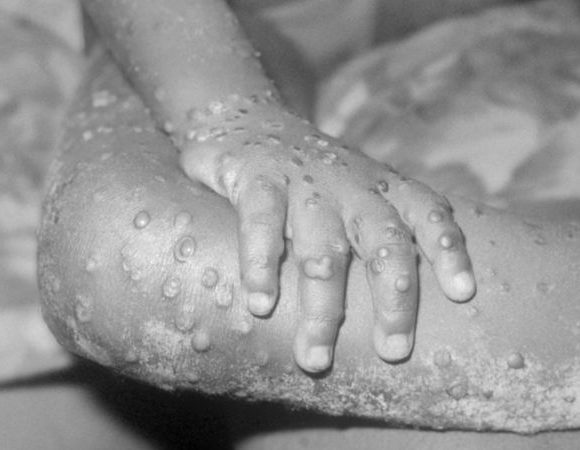
The World Health Organization, WHO, says Monkeypox can be contained in countries outside of Africa where the virus is not usually detected.

More than 100 cases of the virus – which causes a rash and a fever – have been confirmed in Europe, the Americas and Australia.

That number is expected to rise still, but experts say the overall risk to the broader population is very low.

Monkeypox symptoms include a high temperature, aches, and a rash of raised spots that later turn into blisters.

The virus is most common in remote parts of Central and West Africa.

“This is a containable situation,” the WHO’s emerging disease lead Maria Van Kerkhove said at a news conference on Monday.

“We want to stop human-to-human transmission. We can do this in the non-endemic countries,” she added – referring to recent cases in Europe and North America.

The virus has now been detected in 16 countries outside Africa.

Despite being the largest outbreak outside of Africa in 50 years, monkeypox does not spread easily between people and experts say the threat is not comparable to the coronavirus pandemic.

“Transmission is really happening from skin-to-skin contact, most of the people who have been identified have more of a mild disease,” Ms Van Kerkhove said.

Another WHO official added that there was no evidence the monkeypox virus had mutated, following earlier speculation over the cause of the current outbreak.

Viruses in this group “tend not to mutate and they tend to be fairly stable”, said Rosamund Lewis, who heads the WHO’s smallpox secretariat.

Meanwhile, The Nigeria Centre for Disease Control, NCDC, has said there are no specific treatments available for the monkeypox infection.

The centre also urged Nigerians to take certain measures to prevent contracting the disease.

However, the Minister of State for Health, Dr Olorunnimbe Mamora, has allayed the fears of Nigerians, saying the NCDC is doing everything possible to mitigate the spread of the disease.


BBC /Taiwo Akinola