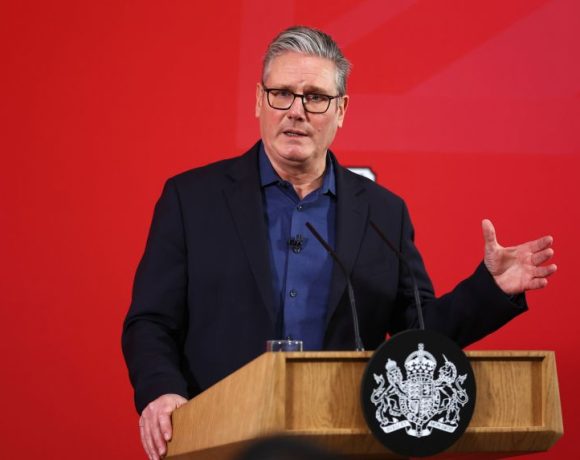
The United Kingdom is considering introducing a ban on social media use for children under the age of 16 as part of wider efforts to address concerns about excessive screen time and online safety.
As reported by Economic Times on Monday, the proposal, discussed by Prime Minister Keir Starmer, forms part of ongoing consultations on how to regulate children’s access to platforms such as Instagram and TikTok.
Starmer said the government is also reviewing measures including app curfews, time limits, and restrictions on algorithm-driven feeds, which he described as contributing to “addictive scrolling” behaviour among young users.
“We’re consulting on whether there should be a ban for under 16s. But equally important, the addictive scrolling mechanisms are really problematic and they need to go,” Starmer said.
The government says the aim is to better understand how social media use affects children’s sleep patterns, education, and family life, while also addressing growing concerns from parents about online habits.
Technology Secretary Liz Kendall said the consultation on children’s online safety has already received tens of thousands of responses, with submissions still open for public input.
“We want to hear from parents, teenagers, and families about their experiences and views on curfews, AI chatbots, and addictive features,” Kendall said.
The debate comes as several countries move to tighten rules on children’s social media access. Australia has already implemented a ban for users under 16, while other nations such as Greece and Indonesia have introduced similar restrictions.
The UK government says no final decision has been made, but the consultation process will help shape future policy on how social media platforms operate for younger users and whether stricter age-based limits should be introduced.
Punch/Adetutu Adetule
Follow us on Telegram and YouTube, and join our WhatsApp Update Group for more updates.