Foreign

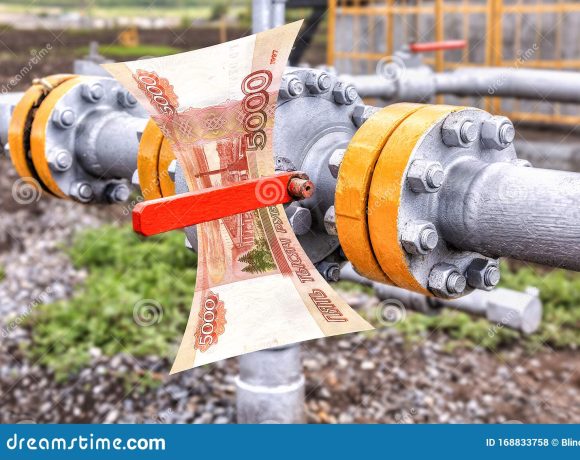
Oil prices have risen after major producers agreed to continue to cut output and the G7 and its allies agreed to cap the price of Russian oil.

Brent crude rose by about 0.6% to above $86 a barrel on Monday morning.

On Friday, the G7 agreed to cap the price of Russian oil at $60 a barrel to raise pressure on Russia over the invasion of Ukraine.

Meanwhile, oil producers’ group OPEC said at the weekend it would stick to its policy of reducing output.

OPEC is a group of 23 oil-exporting countries, including Russia, which meets regularly to decide how much crude oil to sell on the world market.

“This decision by OPEC to keep the quota where it is is by itself an implicit sort of support to the oil market,” Kang Wu of S&P Global Commodity Insights said.

Analysts said oil prices had also been boosted by the easing of Covid restrictions in some Chinese cities, which could lead to an increase in demand for oil.

More cities in China, including Urumqi in the North-West, have said they will loosen curbs after mass protests against the country’s zero-Covid policy.

BBC/ Oluwayemisi wonikoko

Subscribe to our Telegram and YouTubeChannels also join our Whatsapp Update Group
Foreign

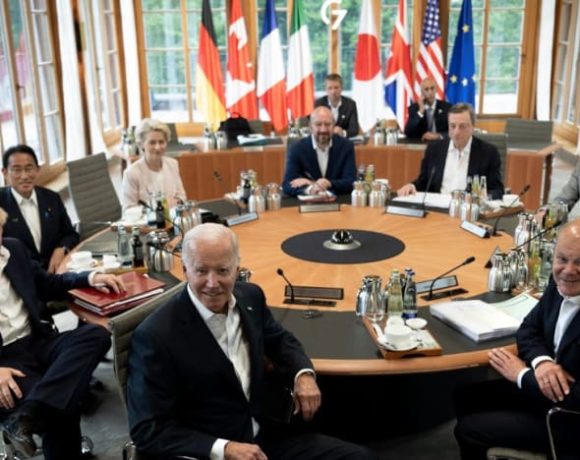
The G7 leaders have agreed to explore price caps to reduce soaring oil prices instigated by Russia’s invasion of Ukraine. 

A price cap is aneconomic regulation that establishes an upper limit on the prices of a particular commodity or service.

The leaders are from Canada, France, Germany, Italy, Japan, the United Kingdom and the United States. 

The development is on the heels of numerous sanctions on Russia to weaken the economic position of the Kremlin. 

In a communiqué issued after the leaders’ meeting in Elmau, Germany, on Tuesday, the leaders said the action would also help guarantee energy supply.

The price cap is motivated by concerns that Russia is benefiting from high energy prices despite its war in Ukraine.

Crude oil prices have soared above $100 a barrel since the war started.

“We will take immediate action to secure energy supply and reduce price surges driven by extraordinary market conditions, including by exploring additional measures such as price caps,” the communiqué reads.

“We reaffirm our commitment to phase out our dependency on Russian energy, without compromising on our climate and environmental goals.”

The group also said they would continue to impose severe and enduring costs on Russia to end the war in Ukraine. 

“Beyond its direct implications, Russia’s aggression is impeding the global recovery and dramatically worsening energy security and access to food globally,” the leaders said. 

“To this end, we remain steadfast in our commitment to our unprecedented coordination on sanctions for as long as necessary, acting in unison at every stage, and will reduce Russia’s revenues, including from gold.”

On Sunday, the leaders had announced plans to ban the import of Russian gold to intensify sanctions on the Kremlin.

Cable/Taiwo Akinola