Health

By Mosope Kehinde

Speaker, Oyo State House of Assembly, Mr Adebo Ogundoyin says the assembly will work with other arms of government to pass laws that will protect the rights of Sickle Cell patients and improve their living conditions.

Mr Ogundoyin made the promise while speaking at a sensitisation and empowerment programme organized by the Ogundoyin family to mark the 2024 sickle cell day in honour of their late father, an Ibarapa born philanthropist, Chief Adeseun Ogundoyin.

The Speaker, who said such legislation would help people living with Sickle Cell condition to live a productive and fulfilling life, hinted that the programme was also to honor the resilience of every individual who has fought against the disease.

Mr Ogundoyin explained that 70% of the world’s cases of the disease occur in Africa with Nigeria having the highest number of carriers worldwide, and stated the need for policies that would reduce the economic burden put on families by Sickle Cell patients 

Also speaking, chairman on the occasion, the deputy governor of Oyo State, Barrister Bayo Lawal described late Adeseun Ogundoyin as a dogged business mogul, who lived an impactful life despite his condition.

Barrister Lawal advised the children to imbibe the courage and resilience exhibited by their late father.

One of the sickle cell patients at the event, Mr Peter Ajiboye appealed to governments at all levels and well-to-do individuals to support Sickle Cell foundations so as to help patients manage their health status.

Highlights of the event were five million naira donation by the Ogundoyin family to support sickle cell patients, presentation of over five hundred medical kits, and the unveiling of a memoir of late Adeseun Ogundoyin.

Subscribe to our Telegram and YouTube Channels and also join our Whatsapp Update Group

Health

Sickle cell disease is an inherited blood disorder, marked by flawed haemoglobin, which is a red protein responsible for transporting oxygen in the blood of vertebrates.

Sickle cell disease thus interferes with the delivery of oxygen to the tissues.

 World Health Organisation (WHO) report indicates that about five per cent of the world’s population carries trait genes for haemoglobin disorders, mainly sickle-cell disease and thalassaemia.

Globally, over 300,000 babies with severe haemoglobin disorders are born annually with Sub-Saharan Africa having 75 per cent of the figure.

Nigeria is said to carry 66 per cent of the chunk according to American Centre for Disease Control and Prevention (CDC).

By implication, Nigeria has a significant number of persons suffering from sickle cell disease.

In view of these statistics, a nongovernmental organization, Care and Support for Sickle Cell Patients wants government and people to apportion funds to care for people living with sickle cell diseases.

The founder of the organization, Professor Adeyinka Falusi at a stakeholders’ forum on sickle cell forum in Ibadan noted that support for people living with sickle cell should come from all and sundry.

Professor Falusi pointed out that caring for persons living with sickle should not be left only to wealthy individuals in society.

Similarly, the Director of operations of the foundation, Mr Abayomi Odetunde urged parents to endeavour to check the genotype of their children before they grow up and subsequently get married to reduce cases of sickle cell diseases in the country.

The event was also attended by people living with sickle cell diseases

Lilian Ibomor

News Analysis

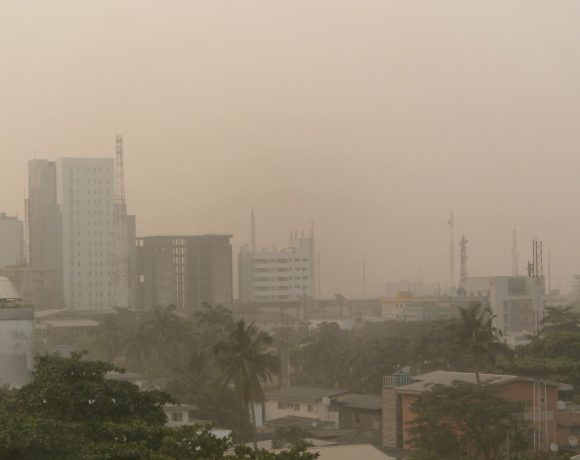
The Harmattan season is usually anticipated from the end of November lasting through the month of March of the New Year.

This however varies from year to year and from one part of the country to another.

Characterised by dusty dry wind, the weather is sometimes cold and hot or cold completely depending on the region.

Because the wind is dust-laden, people suffer from dryness of the throat, dry skin, cracked lips, catarrh, cold, cough and nosebleeds.

When dust particles overruns the body systems, the probability also for developing chronic respiratory problems such as asthma, pneumonia, bronchitis is high.

Cold, an upper tract infection induced by the weather could cause cough, sore throat, runny nose sneezing and fever.

These symptoms are synonymous with the symptoms of COVID-19 hence the apprehension in some quarters.

Be that as it may however, the onus lies with everyone to ensure adequate protection against these diseases as the temperature fluctuates between high and low.

For those who feel discomfort due to dry skin, the time is now to ensure regular hydration of the system and use of moisturizers.

To prevent nasal congestion, intake of more fluids, fruits and vegetables rich in Vitamin C will help to boost the immune system against diseases as suggested by medical experts.

Since people in the extreme ages such as the very young and old are more vulnerable at this time, more should be done in terms of warm clothing, and warm foods to protect them.

Asthma patients will do well by having their inhalers handy and keeping away from dusty places which could trigger attacks.

Wearing of facemasks is already in vogue as a means to prevent spread of COVID-19, more Nigerians should imbibe this practice for the overall protection.

Moreover, wearing of protective clothing, covering the head, chest and eyes is necessary especially when outdoors.

For people living with sickle cell disease, the Harmattan period is dreaded as it triggers crisis.

Sickle cell though a genetic disease, the cold dry weather reduces the blood oxygen at this time.

More attention should therefore be paid to these category of people to ensure they are in good health.

Nigeria is blessed with an array of seasonal fruits and eating them unwashed could lead to sickness.

Washing the dusts off fruits before consumption is mandatory.

Also, to prevent dehydration often experienced at this time people should keep bottles of water handy to address the situation.

Since the Harmattan season is inevitable, to scale through unhurt, protection and prevention remained key.

Anthonia Akanji

News

Sickle Cell Disease continues to be a major global public health issue and a major killer of infants and children in the developing world.

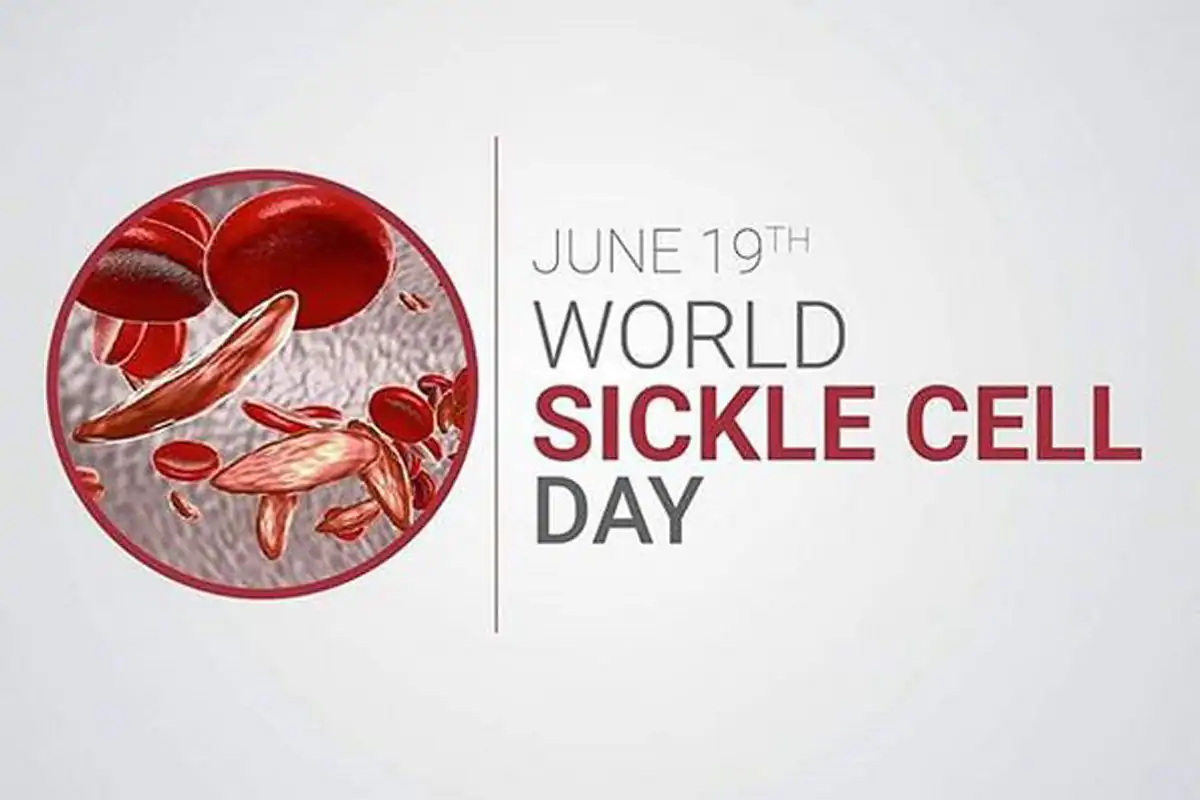
In recognition of sickle cell disease as a public health problem and one of the world’s foremost genetic diseases, United Nation’s set aside every 19th June as World Sickle Cell Day.

Health correspondent, Titilayo Kupoliyi beams searchlight on causes and management of sickle cell disease.

Titilayo Kupoliyi