News

By Titilayo Kupoliyi

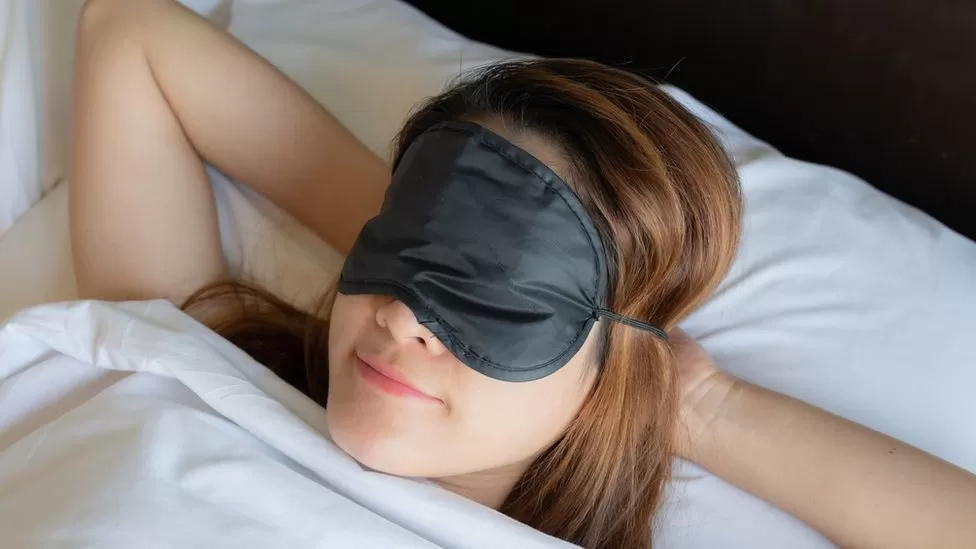
Sleep plays a crucial role in tissue repair, hormone regulation, and overall health.

Getting enough sleep boosts brain power, improves weight management, and reduces stress and inflammation.

Most adults need between seven and nine hours of sleep per day.

Getting less than six or seven hours of sleep can affect one the next day.

Chronically missing out on sleep increases the risk of disease.

It is the same for animals to sleep to remain healthy, sleeping standing up might not be for humans, but for certain animals it could be life saving.


In order to sleep while standing up, you need legs that can be aligned vertically, so you don’t need to use muscular effort to keep them straight.

You also need knees that ‘lock’ in place.

Sleeping upright is advantageous for large animals that would be slow to lumber to their feet if attacked.

If they are already standing it means they can flee quickly from a potential predator.

For smaller animals, the reduction in leg springiness outweighs this benefit.

Often, these herds will also have one member who serves as a look out and can raise the alarm.

Horses, Bison , Zebras and Elephants sleep standing up.

Cows can too, but mostly choose to lie down.

Giraffes also sleep standing up, but only for short periods of time.

Some birds also sleep standing up; these birds include Geese, Song birds, Cranes, flamingos and Ducks.


Many birds roost in trees at night using an arrangement of their leg tendons that causes their body weight to pull the claw shut around the branch. Whether this counts as standing up is a matter of semantics.

discoverwildlife.com

Subscribe to our Telegram and YouTubeChannels also join our Whatsapp Update Group
Health

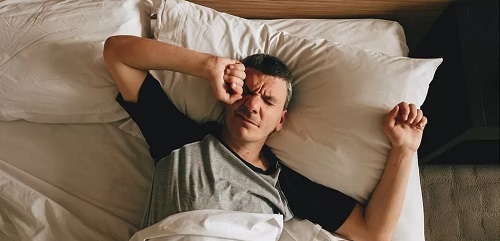
At least five hours of sleep a night may cut the over-50s’ chances of multiple chronic health problems, researchers say.

Ill health can disrupt sleep – but poor sleep may also be a forewarning or a risk itself, they say.

There is evidence sleep helps restore rest and rejuvenate the body and mind – but why the “golden slumber number” might matter remains unclear.

The PLoS Medicine study tracked the health and sleep of UK civil servants.

All of the about 8,000 participants were asked: How many hours of sleep do you have on an average weeknight?”

Some also wore a wristwatch sleep tracker.

And they were checked for chronic conditions, including diabetes, cancer and heart disease, over two decades of follow-up:

  • Those who slept five hours or less around the age of 50 had a 30% greater risk of multiple ailments than those who slept seven hours
  • Shorter sleep at 50 was also associated with a higher risk of death during the study period, mainly linked to the increased risk of chronic disease

Experts generally recommend about seven or eight hours, the researchers, from University College London and Paris Cité University, say.

Scientists do not know for sure, but it is clear that sleep helps the brain process memories and is good for mood, concentration and metabolism.

Sleep is also an opportunity for the brain to be cleared of waste.

Good-sleep tips

  • Tire yourself out during the day by keeping busy and active but slow down towards bedtime
  • Avoid daytime naps
  • Establish a good night-time routine and make sure your bedroom is relaxing and conducive to sleep – thick curtains or blackout blinds, a comfy room temperature and bedding, and no big distractions, such as scrolling on a smartphone in bed
  • Reduce or eliminate caffeine and alcohol close to bedtime
  • If you can’t nod off, don’t force it or become frustrated – get up and do something relaxing for a bit, such as reading a book, and then return when sleepier
  • If you work antisocial shifts, try a short sleep before your first run of nights, to transition. If you are coming off nights, try a nap to see you through and then go to bed early that evening
  • Surrey Sleep Centre director Prof Derk-Jan Dijk told BBC News: “This work reinforces that getting only short sleep is not good for us. Generally, it’s not healthy – although, for some, it may be OK.
  • “The big question is why do some people sleep less. What is causing it and is there anything we can do about it? Sleep is a modifiable lifestyle factor to a certain extent.”
  • Long stretches of bad sleep can severely affect well-being.
  • GPs now rarely prescribe sleeping pills, which can have serious side effects and cause dependency.
  • But sleep problems can often be resolved and support is available.

BBC/Simeon Ugbodovon

Subscribe to our Telegram Channel and join our Whatsapp Update Group