Foreign

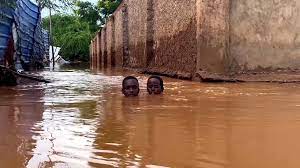
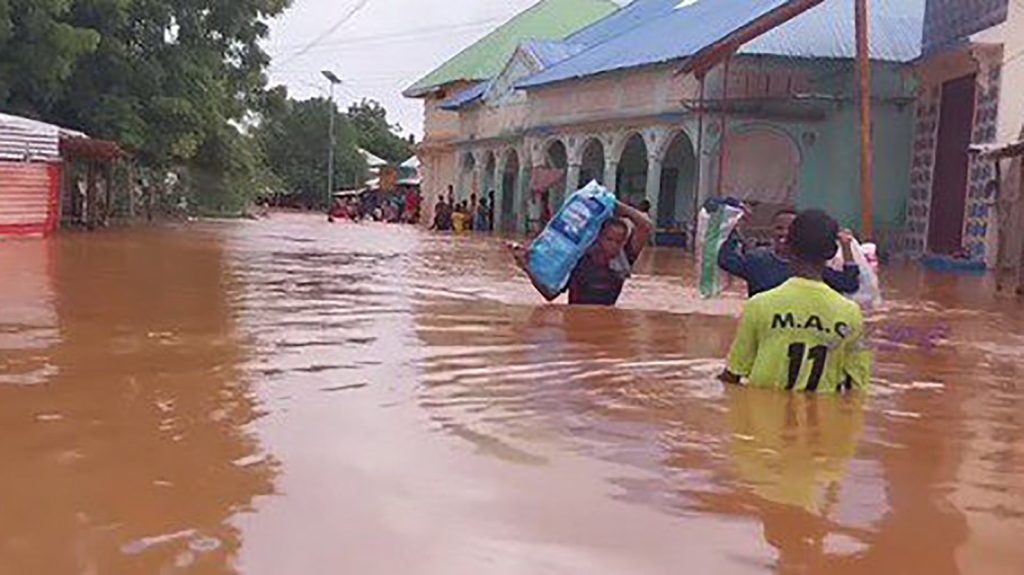
Flash flooding in Somalia has killed 50 people and driven nearly 700,000 from their homes, a government official said.

 With heavy rains starting Tuesday, it is expected to worsen the country’s plight.

The Horn of Africa region is experiencing torrential rainfall and floods linked to the El Nino weather phenomenon, claiming dozens of lives and causing large-scale displacement, including in Somalia, where the downpours have destroyed bridges and inundated residential areas.

Fifty people died in the disaster… while 687,235 people were forced to flee their houses,” Somali Disaster Management Agency Director Mohamud Moalim Abdullahi said at a press briefing on Monday.
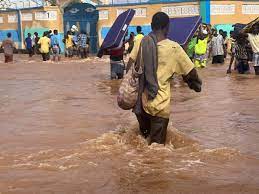
The expected rains between 21st and 24th of November… may cause more flooding which could cause death and destruction,” he added.

On Saturday, the UN humanitarian agency OCHA said the number of people displaced by heavy rains and floods in Somalia “has nearly doubled in one week”, while 1.7 million people overall have been affected by the disaster.

In addition, roads, bridges and airstrips have been damaged in several areas, affecting the movement of people and supplies and leading to increased prices of basic commodities,” OCHA said.

British charity Save the Children on Thursday said more than 100 people, including 16 children, had died and more than 700,000 forced from their homes in Kenya, Somalia and Ethiopia due to flash flooding.

The Horn of Africa is one of the regions most vulnerable to climate change and extreme weather events are occurring with increased frequency and intensity.

The region is emerging from the worst drought in four decades after multiple failed rainy seasons that left millions of people in need and devastated crops and livestock.

Humanitarian groups have warned that the situation is only likely to worsen and called for urgent global intervention as El Nino is expected to last until at least April 2024.

Punch/ Oluwayemisi Owonikoko

Subscribe to our Telegram and YouTube Channels and also join our Whatsapp Update Group 
Foreign

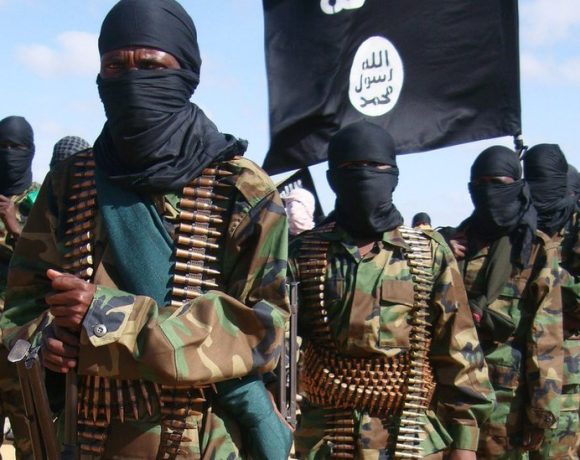
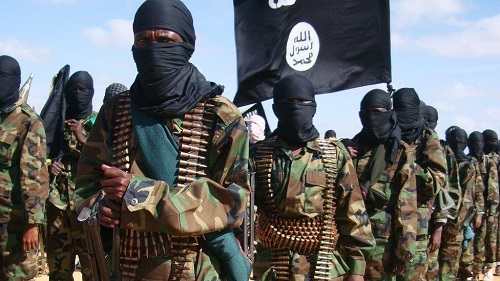
At least 20 people, including women and children, have been killed and food aid destroyed after militants attacked several vehicles in Somalia’s central Hiiraan region.

“They put a bomb while people were in the car and blew it up,” the region’s governor told the BBC Somali service.

Islamist militant group al-Shabab has said it was targeting a government-affiliated armed group.

The al-Qaeda-linked militants want to overthrow the central government.

Al-Shabab controls much of southern and central Somalia, but has been able to extend its influence into areas controlled by the government based in the capital Mogadishu.

Two weeks ago its fighters stormed a hotel in the capital and killed more than 20 people.

The Governor of Hiiraan, Ali Jeyte Osman, said the death toll from Friday’s attack could rise amid reports that up to 27 people had been killed.

“Some are injured and some ran away when the shooting started. The dead bodies are still being collected, including women and children,” he said.

Mr Osman accused the militants of being at war with the civilian population in the region, accusing them of burning villages and destroying water wells.

Local clan leader Mohamed Abdirahman described the attack as horrible, adding that such an atrocity had never happened in the region before.

“These were innocent civilians who did nothing to deserve this,” he was quoted by AFP news agency as saying.

Somalia President Hassan Sheikh Mohamud vowed that his government would “leave no stone unturned” in the fight against “terrorism” in the country.

In a statement al-Shabab said the lorries it attacked were carrying food supplies for a group of local fighters who have been backing the government’s offensive against them.

An ongoing drought in the Horn of Africa has displaced hundreds of thousands of people in Somalia with the UN warning recently that worst was yet to come.

BBC/Simeon Ugbodovon

Foreign

The worst drought in four decades is raging through the Horn of Africa.

The World Food Programme says up to 20 million people in Kenya, Ethiopia and Somalia are at risk of starvation by the end of the year.

Somalia is bearing the brunt with half of the population now hungry.

Hundreds of thousands of people are abandoning their homes in rural Somalia and heading to camps for the internally displaced.

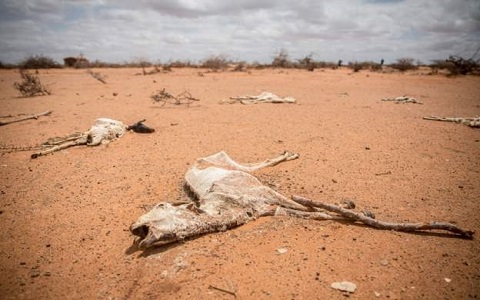
Their fields are bare, crops have failed, and dead livestock is strewn along the roads. This is the worst drought in the last decade according to experts, and famine is looming.

There are thousands of children who are unaccompanied in the camps. Older siblings have taken the role of caregivers, as their fathers have gone to towns to look for food, and the mothers are stuck in hospitals where the rate of severe malnutrition is at an all-time high.

Deaths are now being reported. In one centre in Baidoa, at least 26 children died between May and June, according to records.

“Some of the girls I used to play with are still alive. Some died, while others have moved to the capital city Mogadishu where they work as house helps,” 13-year-old Fardhosa tells the BBC in a makeshift hut at the camp in Baidoa.

The charity Save the Children says they are seeing an increase in psychosocial stress among children and their caregivers.

“Negative childhood experiences result in… children needing psychosocial support… Parents say children are becoming violent and aggressive,” says Mahamoud Hassan, the organisation’s Somalia country director.

BBC/Simeon Ugbodovon

Foreign

Al-Shabab militants have targeted an African Union base in central Somalia that houses Burundian soldiers.

News agencies are quoting witnesses as saying there was heavy fighting at the base, which is some 130km (80 miles) north-east of the capital, Mogadishu.

“The terrorists attacked the Burundian army base… there was heavy fighting and casualties inflicted on both sides, but we don’t have more details about this incident so far,” local military commander Mohamed Ali told the AFP news agency.

“They launched the attack with a car bomb blast before a heavy exchange of gunfire broke out,” he added.

The African Union force – now known as Atmis – is made up of soldiers from several African nations: Uganda, Burundi, Djibouti, Kenya and Ethiopia.

It supports the Mogadishu government in its fight against al-Shabab militants.

BBC/Simeon Ugbodovon