Economy

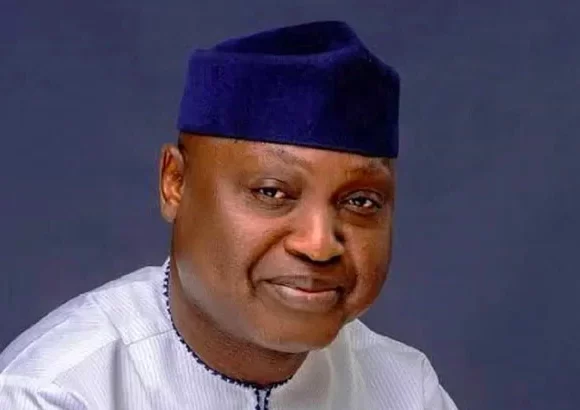
The Ekiti State Governor, Biodun Oyebanji, has directed a three-man committee to meet with the leadership of the organised labour to finalise proposals for palliative measures aimed at cushioning the effects of the subsidy removal on the citizens.

The committee and the labour leaders were given one week to report back to the governor, who would then make a formal pronouncement on the options that were considered implementable.

The Chief Press Secretary to the governor, Yinka Oyebode, in a statement on Friday, said government alone could not decide on palliative measures, hence the involvement of the leadership of organised labour.

According to Oyebode, Oyebanji said the palliative measures to be put in place would also take care of pensioners and people in the informal sector of the economy.

He noted that the governor, at the meeting with the leadership of the organised labour, also commended the leadership of labour unions in the State as well as the citizens for their understanding, stressing that the government was determined to ease the pains occasioned by the subsidy removal.

In attendance at the meeting were the State Chairman of the Nigeria Labour Congress, Olatunde Kolapo; the Chairman, Trade Union Congress, Sola Adigun; and the Chairman of the Joint Negotiating Committee, Babatope Ajoloko, and other officials of the unions.

The government’s three-man committee included the State Commissioner for Finance and Economic Development, Akin Oyebode (Chairman), the Head of Service, Bamidele Agbede and the Commissioner for Health and Human Services, Oyebanji Filani.

Punch / Oluwayemisi Owonkoko

Subscribe to our Telegram and YouTube Channels also join our Whatsapp Update Group
Energy

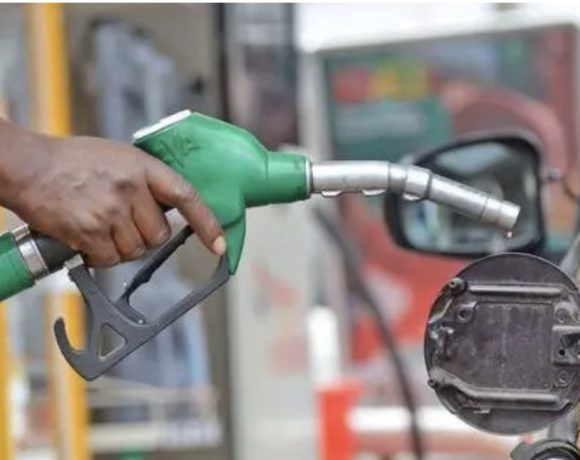
The Nigerian Midstream and Downstream Petroleum Regulatory Authority, NMDPRA, has disclosed that the average daily consumption of fuel in Nigeria has fallen by no fewer than 28 percent since President Bola Ahmed Tinubu announced the scrapping of fuel subsidies.

According to new figures released to Reuters by NMDPRA, the average daily petrol consumption fell to 48.43 million liters (13 million gallons) in June, as against the previous average of 66.9 million.

The fuel regulatory industry added that since the scrapping of the subsidy, neighboring countries like Cameroon, Benin, and Togo, which relied on petrol smuggled out of Nigeria, have experienced a collapse in their black market.

It will be recalled that President Tinubu announced the removal of fuel subsidies, which had kept petrol prices low for decades, during his inaugural speech on May 29, 2023.

 In his democracy day speech, June 12, the President admitted the decision to remove fuel subsidies would impose an extra burden on the masses, but appealed to the good people of the country to bear the brunt of the decision as it will “save our country from going under.

The removal of the fuel subsidy, which tripled the price of petrol, has affected virtually every part of the economy, leading to an increase in the prices of goods and services across the country.

According to the World Bank in June, despite having spent $2.41 billion on the subsidy in the first five months, Nigeria could save up to $5.10 billion this year from the removal of fuel subsidies and foreign exchange reforms.

The Nigerian government spent no less than $10 billion (£7.8 billion) on the subsidy last year.

Tribuneonline/Ibrahim Adeyemo

Subscribe to our Telegram and YouTube Channels also join our Whatsapp Update Group
Economy

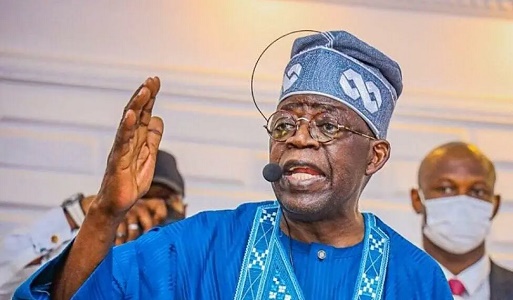
The Coalition of Northern Group, on Tuesday in Kaduna, has aligned on the fuel subsidy removal as announced by President Bola Tinubu on May 29.

The CNG, a coalition of 150 Civil Society Organisations in the North, also knocked the former President, Major General Muhammadu Buhari, for allegedly pursuing unpopular deregulation programmes.

The coalition maintained that, the $15.6 billion spent annually on subsidies could build a railway from Lagos to Kano, Port-Harcourt to Maiduguri, and Lagos to Calabar combined.

Spokesman of the CNG, Abdul-Azeez Sulieman while reading from a Communique after a One-Day Town Hall Meeting in Kaduna, insisted that, the N2.91 trillion spent by the Federal Government on petrol subsidy between January and September 2022, was largely responsible for the country’s dwindling public finances.

According to the communique, available data has exposed the unforgivable level of disabling corruption perpetrated with the subsidy regime in favour of a few individuals at the expense of public projects that cost less than Nigeria’s $15.6bn annual subsidy.

It added that, the amount spent annually on subsidy was far more than what is required to build a railway from Lagos to Kano, Port-Harcourt to Maiduguri, and Wembley-like stadiums in each of Nigeria’s six geo-political zones.

The Communique partly read, “Successive governments in Nigeria have tried and failed to remove or cut the subsidy, which has greatly constrained Nigeria’s development goals, as the subsidies mostly only benefit a few wealthy households.

“Concerned by the backlash from some quarters that followed the announcement of the withdrawal of the subsidies by the President, CNG convened a one-day stakeholder roundtable of all its 150 affiliates and other northern interest groups at the Arewa House, Kaduna today, June 6, 2023.

Punch/Taiwo Akinola

Subscribe to our Telegram and YouTube Channels also join our Whatsapp