Foreign

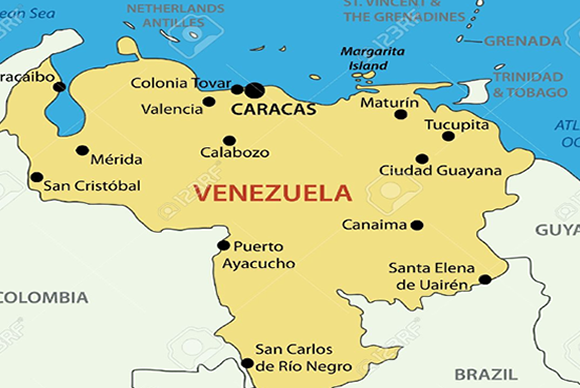
Venezuela’s Supreme Court has annulled a controversial article of the military justice code that had criminalised homosexuality within the armed forces.

The court annulled the provision, which had provided for a penalty of up to three years in prison, “for lacking sufficient clarity and legal precision with regard to the conduct it intended to punish,” the court stated on its website.

It had called for punishment against members of the military who committed “sexual acts against nature” but failed to define what that meant, the statement said.

The article was not compatible with the constitution or progress in human rights, the court added.

Members of the LGBTQ community in conservative Venezuela welcomed the decision.

“After so many years of struggle we have achieved the nullity of the article of the military justice code,” activist Leandro Viloria told AFP.

A military officer who was expelled after the armed forces learned he was gay told AFP that the annulment of the article opens the possibility for him to request his reinstatement.

“Now it is a matter of evaluating if given that situation my reinstatement proceeds — at least with this the fear will disappear,” he said, speaking under condition of anonymity.

AFP / Titilayo Kupoliyi

Subscribe to our Telegram and YouTubeChannels also join our Whatsapp Update Group
News Analysis

There are so many bizarre cultures in the world so difficult to understand but still interesting enough to capture the interest of other people in its controversy.

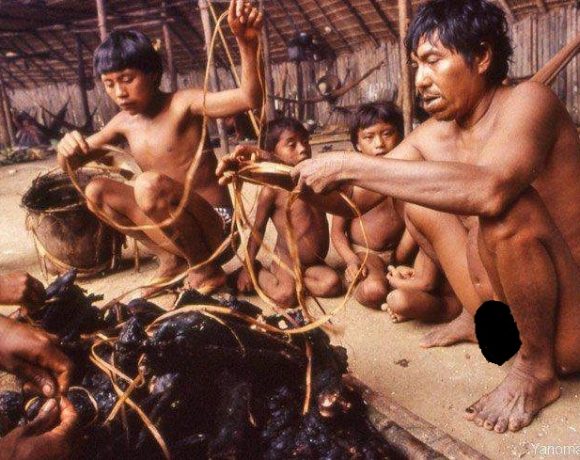
The Yanomami tribe in South America are also known as Yanam or Senema are found in Venezuela and parts of Brazil. This tribe is not easily influenced by modernization or westernisation but rather still practice their culture.
This tribe has a weird burial ritual akin to cannibalism called Endocannibalism.

Endocannibalism is the practice of eating the flesh of a dead person from the same community, tribe or society.

The Yanomami are a native tribe that believe that the soul needs to be protected after the body dies. They believe that the soul can only rest properly and make its transition only when the body has been burned and the body eaten by the living relatives.

Unlike the conventional burial ceremony of interment, this native Indian tribe burn the body of the dead person and paint their faces with the grime from the burnt body. They sing and cry to express their grief over the loss of the relative.

In the second phase of the burial, they gather the bones remaining from burning the bodies and turn them into powder mixing it with the ashes from the burnt bodies.
They mix this into banana which is used to make banana soup, a local delicacy common to this tribe and give it to everybody to eat.

They believe that completing this burial ritual is the only way the soul can attain eternal peace.
But in a case where an enemy kills the relative or village member, only the women eat the ashes and after then a form of revenge is exacted on the culprits however the ceremony is done on the same night the villagers are to revenge through perhaps a raid on the enemy territory.

Titilayo Kupoliyi