Health

By Fasilat Lawal

Voluntary non-remunerated blood donors form the backbone of the health care sector in Nigeria.

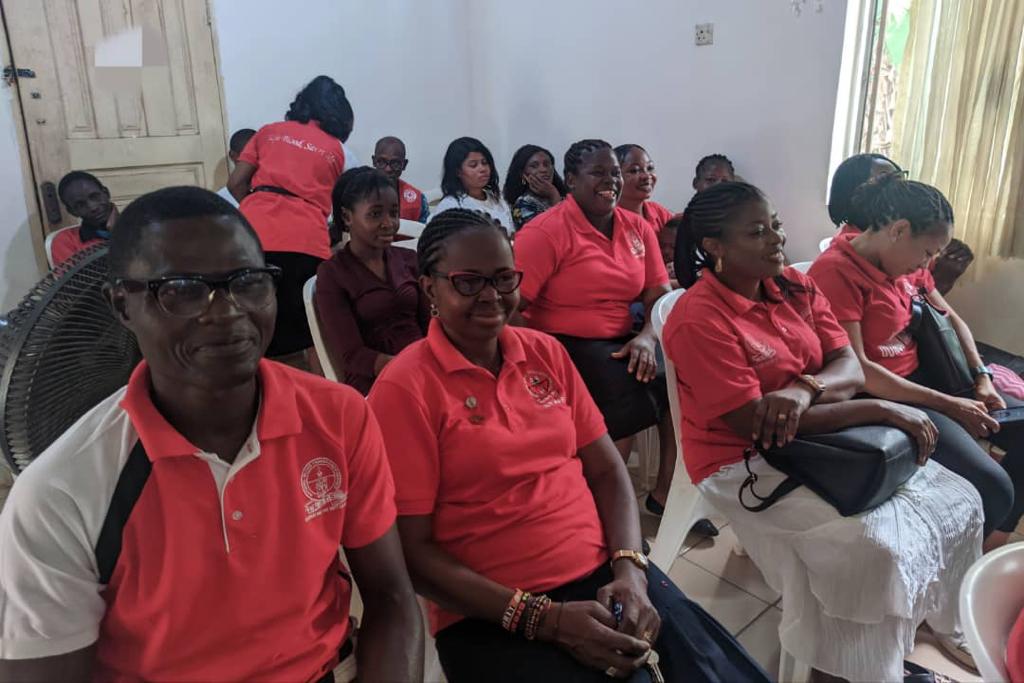
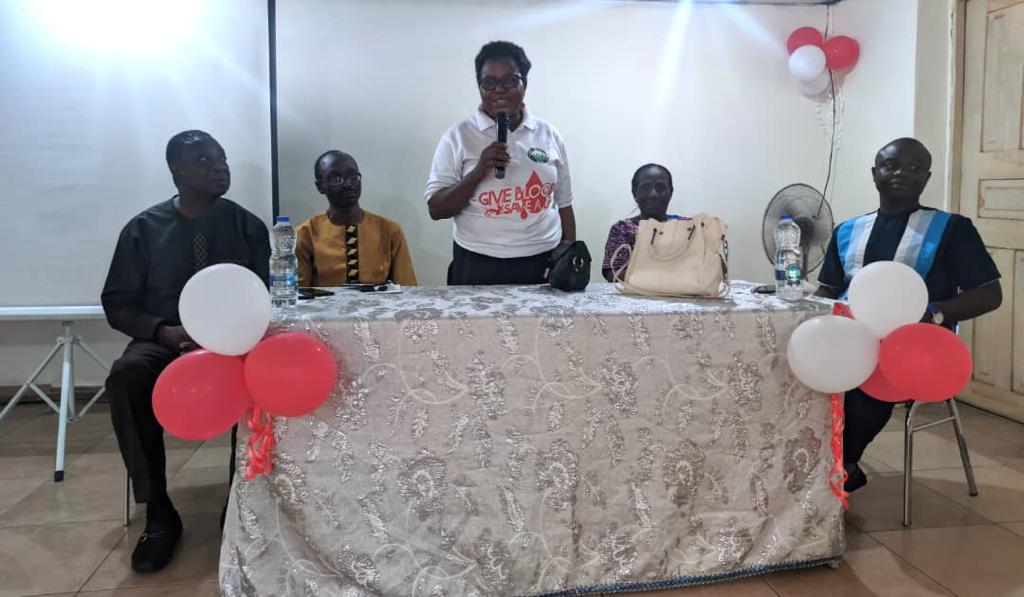
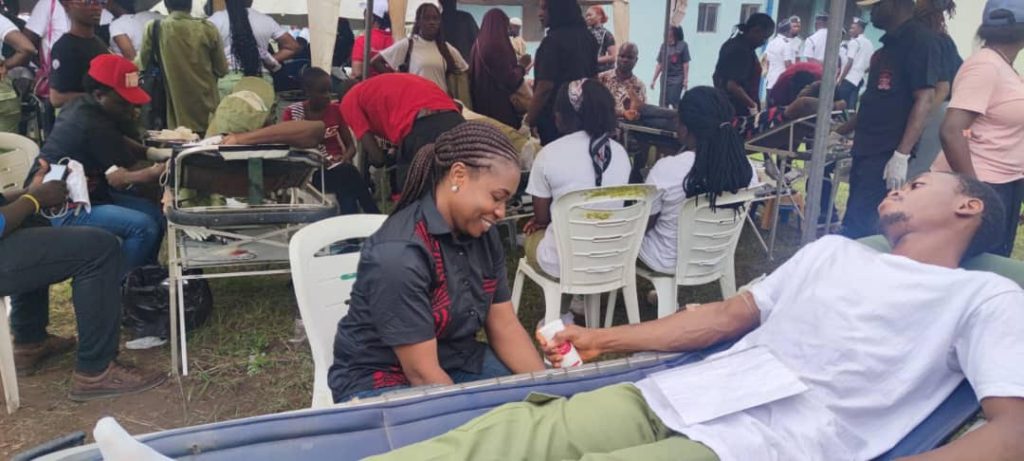
Acting Zonal Director, National Blood  Service Commission South West Center, NBSC, Dr Oladapo Awonranti declared this at a news briefing to commemorate this year’s World Blood Donor Day held at the Total Garden Ibadan.

Dr Aworanti explained that Voluntary donors had to be celebrated and appreciated as they continued to give ailing citizens another chance to live, ñoting that despite recent challenges, donors have been supportive, describing them as champions.

He said NBSC had improved considerably at both the national level and regional level, citing an example of a recently purchased cold centrifuge that had started producing blood components Red cells, FFP, and platelets to boost service delivery in the country.

He added that the foundation for safe blood and blood products rested on effective and efficient donor selection and enjoined functional blood banks to abide by the regulatory role of the transfusion services in the country.

In their separate submission, Public Health Officer of World Health Organization, WHO, Mr Katibi Mustapha and National President Ahmadiya Muslim Youth Organization Oyo State, Mr Akinyemi  Abdul Raqb who said their  Organizations were ready to partner NBSC for safe blood, blood products and render service to humanity in the country, urged people to continue to donate blood to be healthy.

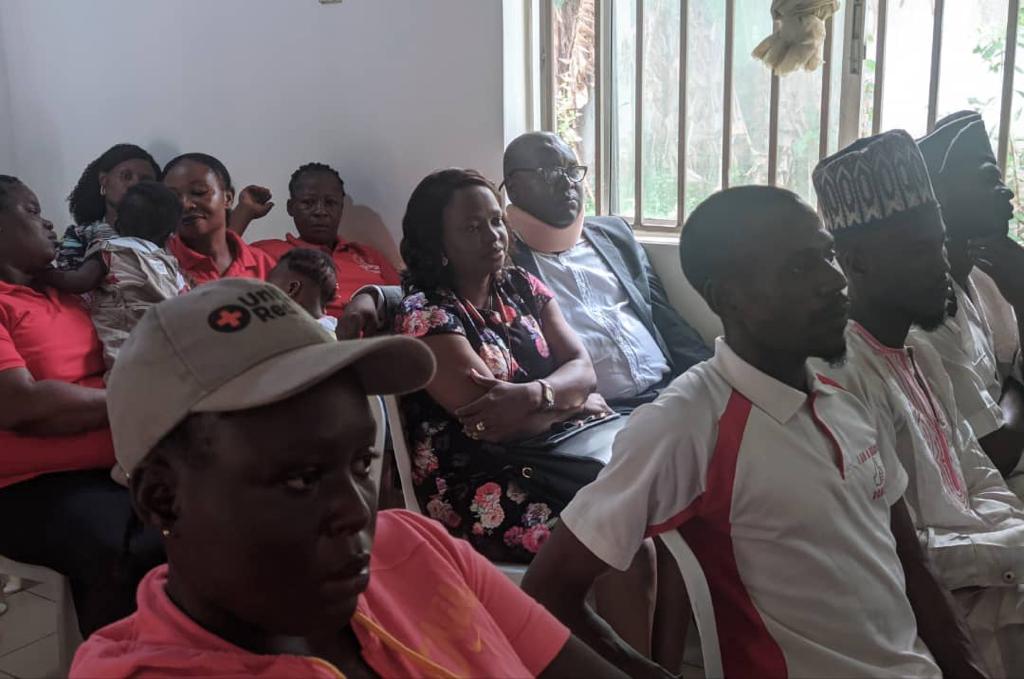
Earlier, blood donors had expressed readiness to donate more blood to save lives,  followed by road Walk which took off from the commission’s office at the total garden and terminated at Gate.

Subscribe to our Telegram and YouTube Channels also join our Whatsapp Update Group
Health

Nigerians have been advised to imbibe the culture of donating blood regularly and voluntarily to save lives.

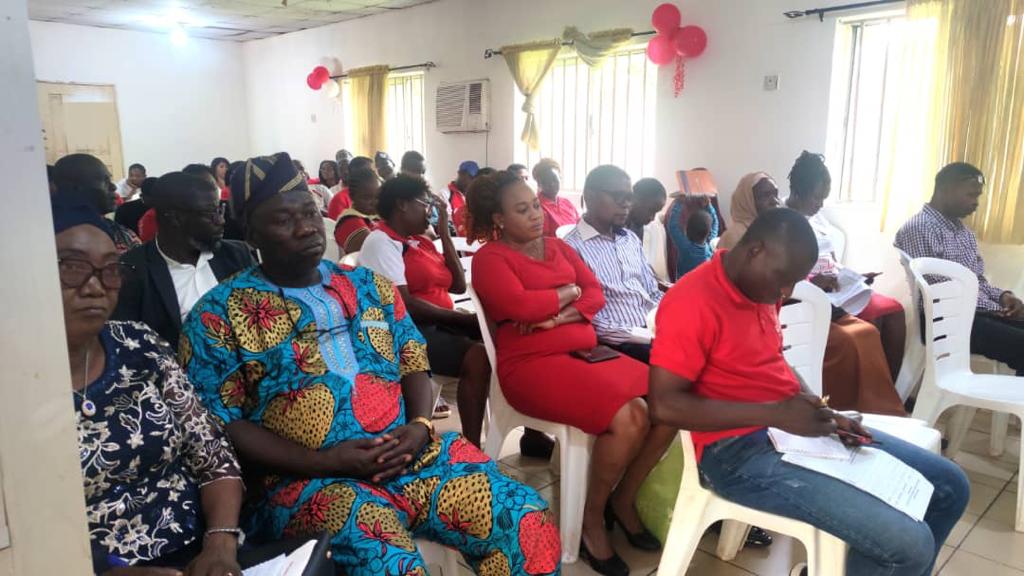
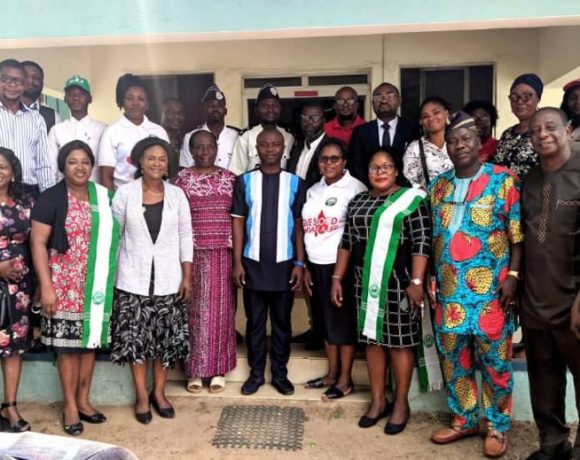
A medical practitioner at the Department of Haematology, University College Hospital, Ibadan, Dr Taiwo Kotila, gave the advice at an interactive session among stakeholders in blood transfusion ahead of this year’s World Blood Donor Day.

Dr Kotila, who is the resource person at an interactive session, held at National Blood Service Commission, Southwest Zonal Centre Ibadan, explained that blood donation was a challenge yet to be overcome in the country. 

She noted that failure to decongest excess blood in the human body would not give way to new blood formation in the body.

Earlier, in an address of welcome, the Zonal Director, National Blood Commission, Southwest Zonal Centre, Dr Oladapo Aworanti affirmed that the interactive session was organized to deliberate among stakeholders in the health sector on ways to increase blood donation and to create more awareness about it.

The interactive witnessed questions and answers sessions, with stakeholders calling for adequate public sensitization on the benefits of blood donation.

Fasilat Lawal

Health

On 14th June every year, global attention is given to the act of blood donation.

This is to raise awareness on the need for safe blood and blood products needed for transfusion.

The day also brings to the fore the important roles played by voluntary unpaid blood donors towards improved health care delivery.

Moreover, the observance of world blood donors’ day provides an opportunity to ginger government and relevant stakeholders to provide adequate resources to promote collection of blood from voluntary non remunerated donors.

Millions of lives are saved yearly through transfusion while at the same time improving the quality of lives of patients who are terminally ill.

Blood is vital also for treating the wounded during emergencies like natural disasters, accidents, and armed conflicts. it is essential for maternal and prenatal care.

Although the need for blood is universal, access to blood by all who need it, is not.

Many countries of the world and Nigeria experience blood shortages in critical times.

Statistics show that only four percent of the Nigerian population donates blood voluntarily while more than ninety percent of annual blood donation is from commercial blood donors.

With this figure, the likelihood of transfusing infections like hepatitis b and c, HIV and syphilis are high.

To prevent this from happening, there is need to raise aggressive campaign against such practices while encouraging more Nigerians to embrace voluntary blood donation.

At present, the country contributes about twenty five percent to global maternal mortality rate.

However, adequate blood supply from non remunerated donors will lead to reduction in maternal and child mortality rates.

Kudos must be given to blood donors who have continued to provide services despite the outbreak of the covid 19 pandemic. More donors are still needed to come on board

Focusing on the slogan” gives blood and keep  the world beating”, this year attention is given to the essential contribution blood donors make to keep the world pulsating by saving lives.

Donating blood is not as scary as some people presume a mini physical examination will be carried out first to ensure that the donor is healthy and have enough blood to donate.

Secondly, only a pint of blood per person will be collected and afterwards, the donor gets some refreshments to get back to his normal life.

There is no gainsaying the fact that blood transfusion remains a cornerstone for effective health care delivery in any country.

To this end blood transfusion centers across the country should be adequately funded while there should be constant power supply to preserve the products.

Now, more than ever before is the time to donate blood, hence, people who are willing to make the world a better place to live in should give it a consideration.

In the words of mother Theresa “don’t look for big things, just do small things with great love”

You never can tell who the beneficiary of that donated blood could be.

Anthonia Akanji

Health

Timely availability of blood and blood products is essential in all health facilities in which transfusion is performed, hence the need for blood donation.

To this end, World Health Organisation, WHO, set aside every 14th of June as World Blood Donor Day.

The day is to celebrate voluntary unpaid blood donors and raise awareness on same.

In this special report, health correspondent, Titilayo Kupoliyi x-rays importance of blood donation.