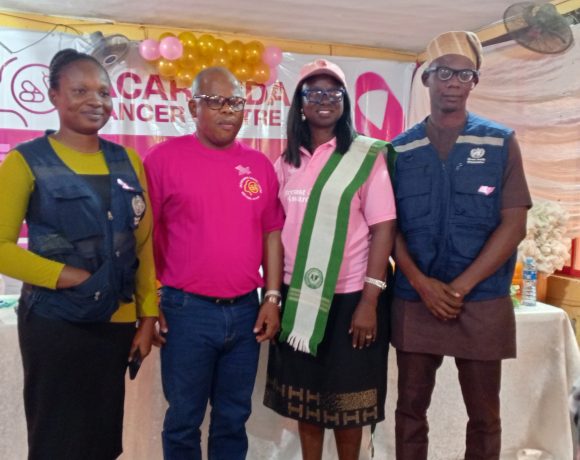
The World Health Organization, WHO, reaffirms its commitment to promoting breast cancer awareness and early detection across Nigeria, labeling the disease a pressing global public health challenge for women.
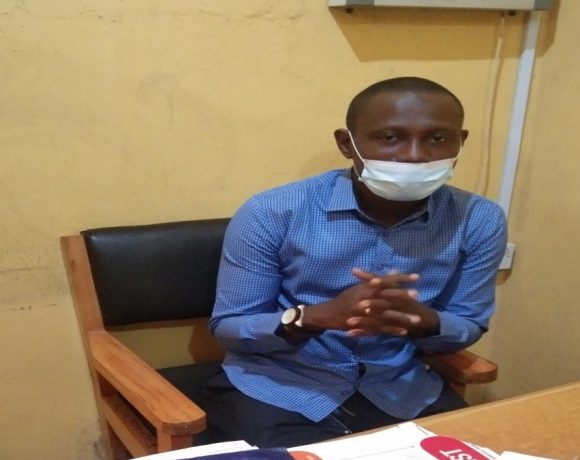
Speaking at a breast cancer awareness program in Abeokuta organized by a non-governmental organization, WHO Representative Dr. Goodness Ojo pledged the organization’s support for ongoing efforts to educate communities, encourage regular screening, and promote healthy lifestyles.
Dr. Ojo promised that the WHO would continue providing technical support and advocacy to sustain awareness campaigns.
In a lecture, President of the Medical Women’s Association of Nigeria (Ogun State Chapter), Dr. Adeola Ekundayo, emphasised the need to prioritise women’s health.
She noted that breast cancer remains a leading cause of maternal morbidity and mortality.
Dr. Ekundayo called for expanded community awareness, particularly among young people, to help them recognize risk factors and seek timely medical attention.
Also speaking, Secretary of the Association of Radiation and Clinical Oncologists of Nigeria (Ogun State Chapter), Dr. Bolaji Salako, stressed the necessity of continuous collaboration and support for patients and their families.
The Executive Director of the hosting non-governmental organization, Dr. Kehinde Ololade, advocated for the inclusion of comprehensive cancer care in Nigeria’s health insurance schemes.
Dr Ololade argued this would make treatment more affordable and accessible, noting that many patients still pay out of pocket.
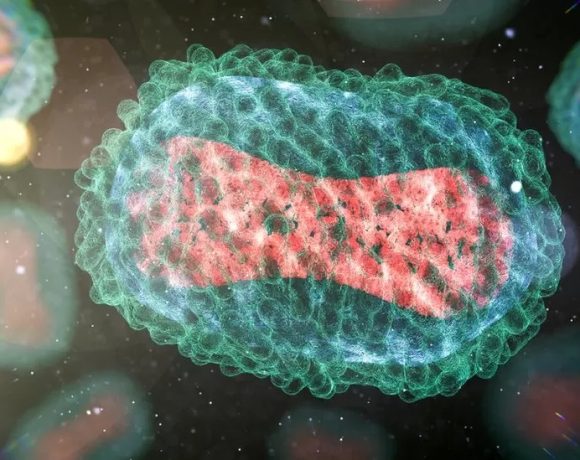
Monkeypox will now be known as mpox, the World Health Organization (WHO) has announced, after complaints over racist and stigmatizing language linked to the virus’s name.
The old term will be used alongside the new one for a year, before being phased out.
Mpox was decided on after lengthy discussions between experts, countries and the general public.
It can easily be used in English as well as other languages, the WHO said.
Human monkeypox was first identified in 1970 and named after the disease caused by the virus was discovered in captive monkeys more than a decade before.
Since then, the WHO has introduced advice on naming diseases.
It stresses the need to minimize unnecessary negative impacts on trade, travel, tourism or animal welfare, and to avoid causing offence to any cultural, social, national or ethnic groups.
During the Covid pandemic, it recommended that variants were referred to using letters of the Greek alphabet because they were “non-stigmatizing” and easy to pronounce.
This year, there has been an unusual spread of mpox virus a member of the same family of viruses as smallpox – in many countries outside central and west Africa, where it is often found.
Cases of mpox have been reported in 29 countries in Europe, as well as Canada, Australia and the US, prompting huge demand for a vaccine to protect those most at risk.
In July, the WHO declared a global health emergency because of the worldwide surge in people developing symptoms, including a high fever and skin lesions or rash.
However, cases of the disease have been declining for several months now around the world.
The UK has reported more than 3,500 cases since May, but a rollout of vaccines helped drive down cases following a peak in July.
Most people affected were men who have sex with men.
Infants and young children have the greatest nutrient needs at any time in life.
Poor nutrition at a young age causes irreversible mental and physical damage.
World Health Organization, WHO, recommends children reduce their daily intake of free sugars to less than 10 percent of their energy intake as it reduces the risk of obesity and tooth decay.
Sugar has been linked to a rise in childhood obesity, emotional disorders and learning issues.
Dr Ajibolu Oke of the Oyo State Hospital Management Board points out that when a child consumes too much sugar, it leads to obesity, the risk of high blood pressure later in life, elevated cholesterol levels and also the risks of developing Type 2 diabetes.
According to him, some signs one should note when a child is consuming too much sugar include increased hunger or weight gain, fatigue and low energy, cravings for sweets, acne and wrinkles on the face and high blood pressure.
Dr Ajibolu recommends that children under the age of 2 should not consume sugar at all and children above 2 years should not have more than 25 grams of sugar, which is 6 teaspoons of sugar per day.
Excessive sugar intake can lead to major effects on sleep in children and restlessness during the day.
Steps parents should take to decrease sugar intake in their children include substituting soft drinks with lemon water, giving them healthy snacks, especially when they engage in sports.
Some healthy snacks in Nigeria include peanuts, kulikuli, dankwa, corn, coconut, kokoro, cashew nuts and tiger nuts.
They should celebrate special occasions with an activity rather than sugary foods or drinks; and not give children sugary snacks before bed, a minimum of an hour before their bedtime is advisable
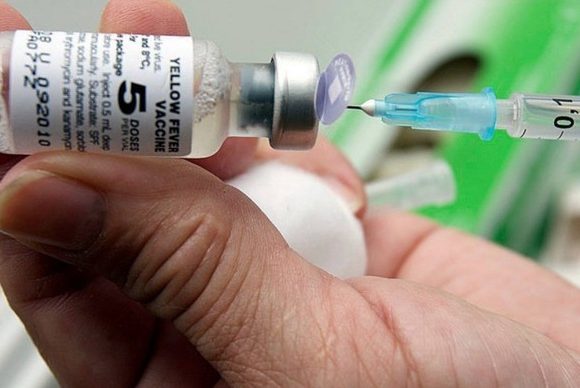
The World Health Organization has said that 160 million Nigerians are at risk of yellow fever.
The WHO said with Nigeria’s population of about 200 million, the figure makes up around 25 percent of all the people at risk in Africa.
Yellow fever is an acute viral hemorrhagic disease transmitted by infected mosquitoes.
The “yellow” in the name refers to jaundice that affects some patients.
Symptoms of yellow fever include fever, headache, jaundice, muscle pain, nausea, vomiting, and fatigue.
According to the Medical Officer, WHO Nigeria, Dr. Anne Eudes Jean Baptiste, said, “yellow fever is dangerous because a small percentage of patients will go through a more toxic phase of the disease. By then, they will experience fever, and have system failure, mainly in the kidney and liver. They may experience bleeding coming from the mouth, nose, and eyes and within 7 to 10 days, half of them will die.”
The WHO also said Nigeria is at risk of both Urban and Sylvatic (jungle) exposure to the disease.
Sylvatic exposure is the transmission of yellow fever from mosquitoes that have bitten animals and non-human primates, workers in mining and agriculture are particularly vulnerable to this type of transmission.
In 2017, there was a resurgence in yellow fever in Nigeria after 15 years. This is due to gaps in the detection of the disease rather than lack of transmission of the virus and the cyclical nature of Sylvatic transmission. As surveillance and laboratory testing have been strengthened, improved information about the distribution of the disease in humans has become available.
The global health body, however, said Nigeria has vaccinated over 45 million people against yellow fever during the covid-19 pandemic, and reports revealed that Nigeria has recorded no fewer than 1,005 suspected yellow fever cases so far in 2022.
The cases were reported from 36 states including the FCT in 390 local government areas.
According to the Director General of the Nigeria Centre for Disease Control, Dr. Ifedayo Adetifa, there is strengthened surveillance for the disease.
“Despite the ongoing covid-19 pandemic, we have given out over 66 million doses in 2020 and 2021 to protect people from yellow fever outbreaks”.
This achievement has been possible through routine immunization, as well as mass vaccination campaigns that identify gaps in the population and proactively target vulnerable communities,” he said.
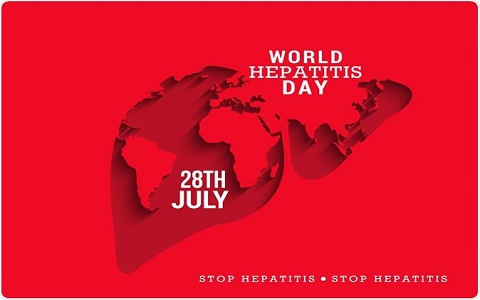
To achieve the World Health Organization’s, WHO, 2030 target of elimination of hepatitis, there is a need for strong political will from the government and other stakeholders to help provide free drugs for Hepatitis patients.
A Senior Registrar, Gastro/ Pathology Unit, Department of Internal Medicine, University of Osun, Uniosun, Doctor Yusuf Raheem stated this in an exclusive interview in Osogbo with Gold FM.
Doctor Raheem described hepatitis as a viral infection that affects the liver primarily, which could be contacted through unprotected sex from multiple partners, sharp objects, improperly screened blood, mother to child transmission amongst others.
The medical practitioner noted that in some cases the symptoms of Hepatitis might not manifest.
Doctor Raheem, who explained that based on a 2019 study by Nigeria HIV/AIDs Indicator and Impact Survey, the prevalence of hepatitis B is more t than Hepatitis C across the country, urged whoever possesses such signs and symptoms to visit a health care specialist.
The theme for this year’s Hepatitis Day is “bringing care for hepatitis closer to you”
Primary prevention and health education are keys to reducing malaria prevalence in society.
A consultant family physician at the University of Osun Teaching Hospital, UniOsun, Osogbo, Doctor Babajide Seriki disclosed this in an interview with Gold FM on the occasion of World Malaria Day.
While commending the state government for the availability of malaria drugs in government hospitals and the distribution of mosquito nets to residents, Doctor Seriki said the World Health Organization, WHO has approved a vaccine for malaria called Mosquirix.
He explained that cases of malaria are usually on the increase during the rainy season considering the dirty and bushy environment, hence the need to ensure regular cutting of grasses and prevention of stagnant water that could breed mosquitoes around the environment.
Doctor Seriki added that the elderly, pregnant women and under 5 children were at more risk of malaria, hence the need for people to embrace personal and physical hygiene.
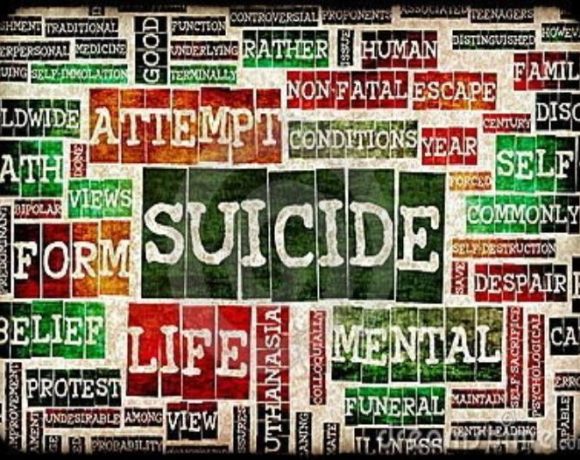
It is not unusual to hear of suicide by an adult or youth attributed to one cause or the other.
However, the phenomenon is also being witnessed among teenagers.
In this report, Oluwatumininu Balogun examines why some teens commit suicide and how to prevent its prevalence.
According to the World Health Organization 2021 report, more than 700,000 people die due to suicide annually.
In Nigeria, according to statistics by Suicide Research Prevention Initiative, SURPIN, it is recorded that about one-fifth of suicide cases seen at its affiliated institution are those aged between 13-19 years and over 50 per cent of the crisis calls received through its hotlines are from those aged between 13-29 years of which 27.8 per cent were students.
However, why concern has become heightened is the occurrences of suicide by teenagers.
For example, on July 12, 2020, a student of Government Science School, Andaha, near Akwanga, Nasarawa State, ingested a pesticide to kill herself after she got pregnant for a boy she had met during the COVID-19 lockdown.
Similarly, on May 14, 2019, a 17-year-old boy committed suicide in Jos, Plateau State by drinking pesticide over poor performance in the 2019 Unified Tertiary Matriculation Examinations (UTME).
Also, earlier this year, a video showing a polytechnic student in Osun State filming herself while attempting to kill herself due to illness and depression went viral.
But for the timely action of social media users, who alerted her roommates and family for prompt intervention.
Radio Nigeria interacted with some teenagers, and they seem quite aware of what triggers suicide among their peers.
“Suicide can be caused through negative peer pressure or having a friend that treats you in a negative way”, Efunsan Omotolani said.
“Suicide can be caused by depression, pressure from friends, family and other things”, Adekoya Precious said.
A clergy, Pastor Mrs Titilope Agbaje and an Imam, Alhaji Adisa AbdulHakeem who said God opposed suicide, highlights causes and what should be done.
Pastor Mrs Agbaje said negative effects of comparison, lack of confidence in one’s self, pride and overrating oneself can also lead to suicide.
Alhaji AbdulHakeem said people should not kill themselves and they should not kill one another, as Allah is most merciful to them”
A psychologist, Dr Oluwafisayo Adebimpe, highlights what prompts suicide among teenagers.
“Most of the teenagers who commit suicide has a dysfunctional family background, some are exposed to violence and abuse of any sort (domestic, sexual abuse etc), through peer pressure”.
Dr Adebimpe said given these circumstances, it is vital that society prioritize mental programmes and that teenagers passing trauma should be urged to visit mental health experts for encouragement, adding that early intervention is made by religious and traditional institutions.
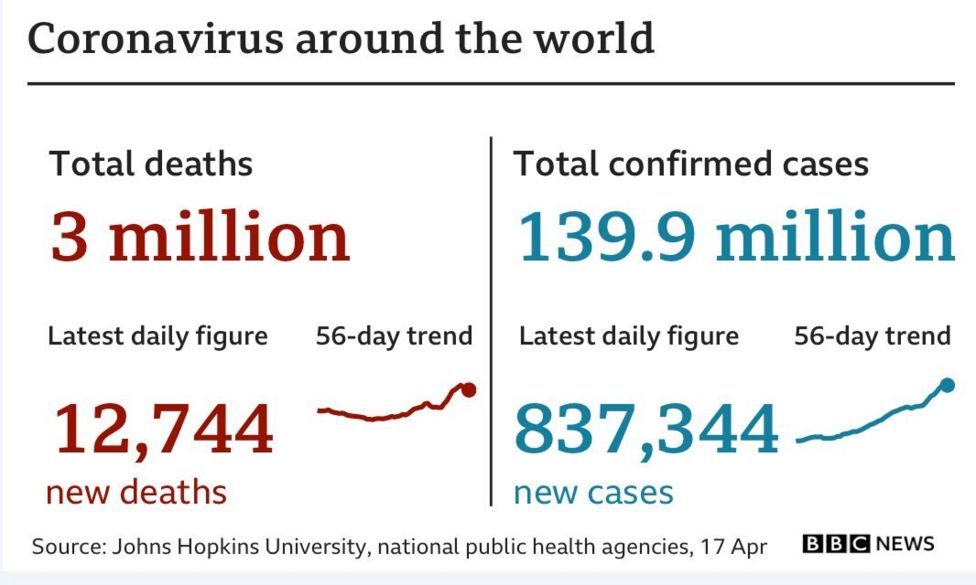
The number of people who have died worldwide in the Covid-19 pandemic has surpassed three million, according to Johns Hopkins University.
The milestone comes the day after the head of the World Health Organization (WHO) warned the world was “approaching the highest rate of infection” so far.
India – experiencing a second wave – recorded more than 230,000 new cases on Saturday alone.
Almost 140 million cases have been recorded since the pandemic began.
WHO chief Dr Tedros Adhanom Ghebreyesus warned on Friday that “cases and deaths are continuing to increase at worrying rates”.
He added that “globally, the number of new cases per week has nearly doubled over the past two months”.
The US, India and Brazil – the countries with the most recorded infections – have accounted for more than a million deaths between them, according to Johns Hopkins University.
Last week saw an average of 12,000 deaths a day reported around the world, according to news agency AFP.
However, official figures worldwide may not fully reflect the true number in many countries.
What’s happening in India?
Up until a few weeks ago, India appeared to have the pandemic relatively under control. Cases had been below 20,000 a day for much of January and February – a low figure in a country of more than a 1.3 billion people.
But then infections began to rise rapidly: Saturday saw a record set for the third day in a row, with more than 234,000 cases reported.
Hospitals are running low on beds and oxygen. Sick people are being turned away, and some families are turning to the black market to get the drugs they need. A BBC investigation found medication being offered at five times the official price.
The capital Delhi has gone into lockdown over the weekend, with restrictions put in place in several other states, as officials try to stem the tide.
It has led Prime Minister Narendra Modi to plead with people to refrain from gathering.
Where else are cases rising?
Brazil – which has recorded the third highest number of cases and, at 368,749, the second highest number of deaths – is still struggling to control the outbreak.
On Friday, the health ministry announced more than 85,000 new cases over the previous 24 hours and 3,305 deaths.
Papua New Guinea has also been highlighted as a cause for concern. The World Health Organization head, Dr Tedros Adhanom Ghebreyesus, noted “the potential for a much larger epidemic” in the Pacific nation following a sharp increase in cases.
He added that the country – which has received 140,000 vaccine doses through Australia and the Covax scheme – is a “perfect example of why vaccine equity is so important”.
How is vaccination going globally?
More than 860 million doses of coronavirus vaccines have been administered, in 165 countries worldwide.
However, Dr Tedros told UN officials on Friday: “Vaccine equity is the challenge of our time – and we are failing.”
Some countries have secured and delivered doses to a large proportion of their population.
Countries with high vaccinations rates, such as the UK and Israel, have seen their numbers of new infections drop sharply. A leading Israeli doctor said this week he believes the country – where more than half the population has been vaccinated – may be close to reaching “herd immunity”.
But many more countries are still waiting for their first shipments to arrive.
That is leading to warnings about growing “vaccine inequity” – jabs not being being shared fairly between rich and poorer countries.
Dr Tedros pointed out that in high-income countries, one in four people have received a vaccine, compared with only one in 400 in poorer countries.
The WHO is working on a global scheme, Covax, to get rich countries to share their jabs with lower income countries. Covax plans to deliver about two billion vaccine doses globally by the end of the year, but many vaccines require two doses per person.
Scientists are also worried about how effective the current jabs will be against fast-spreading new variants of the disease.
Research is ongoing into updated jabs that work against the variants and some countries are considering whether booster shots will be needed.
Experts are closely studying them to understand if vaccines may need to be updated to be more effective. Some countries are considering whether booster shots will be needed.
Professor Adam Finn, a member of the UK’s Joint Committee on Vaccination and Immunisation (JCVI), said he expected a “gradual erosion” of vaccine protection as the virus evolves, but immunity from vaccines “won’t just disappear”.
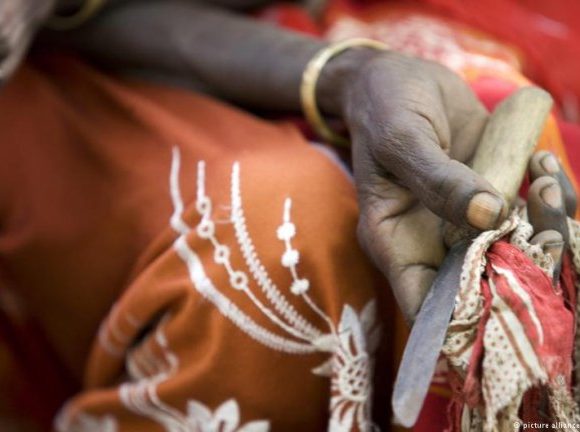
World Health Organization W.H.O defines female genital mutilation or cutting, FGM, as the partial or total removal of the female external genitalia or injury to the female genital organs for non- medical reasons.
Female genital cutting is mostly carried out on young girls between infancy and age fifteen.
The practice is prevalent in Nigeria, Egypt, Mali, Eritrea, Sudan, Central Africa Republic and northern part of Ghana with the highest prevalence rates in Somalia and Djibouti where FGM is virtually the norm.
Female genital cutting is not without consequences which can be short or long term, the short term include severe pain, shock caused by pain, excessive bleeding, difficulty in passing urine and faeces, infections like tetanus and death.
Long term include cysts, complications in child birth, traumatic stress disorder, psycho-sexual problem, increased risk of new born deaths and vaginal problems which include painful menstrual blood scar tissue and keloids.
As a result of the effects of female genital cutting, the United Nations General Assembly designated February sixth as the International Day of Zero Tolerance for Female Genital Mutilation.
The day is to amplify and direct efforts on the elimination of this harmful practice.
Though, the practice has been in existence for more than a thousand years, hence might be difficult to end in a single generation.
Theme for this year isno time for global inaction, unite, fund, and act to end female genital mutilation.
The theme emphasized the need for global solution to the scourge that FGM has become and the need to collaborate and work together with stakeholders to end the practice of FGM in the communities.
Since 2008, the United Nations Fund for Population, UNFPA in partnership with United Nations International Children’s Emergency Fund, UNICEF, had been at the fore front of eliminating female genital mutilation.
Commendably, the programme has seen significant achievements; for instance, over three million girls and women have benefited from female genital mutilation related protection and care services.
Also, thirteen countries have established legal frameworks for banning female genital mutilation and have established national budget lines funding programmes to address it.
Despite all these, female genital mutilation is still prevalent in some countries.
The sustainable development goals in 2015 called for an end to fgm by 2030 as stipulated in its sustainable development goal five as such is imperative for all countries where fgm is practiced to key into it.
It is worth mentioning that former president dr. Goodluck Jonathan in 2015 signed a federal law banning female genital mutilation.
Though, the practice has reduced, machineries must be put in place for its total eradication.
The World Health Organization (WHO) has said it is in “close contact” with UK officials over the emergence of a new variant of coronavirus.
The new variant is spreading more rapidly than the original version, but is not believed to be more deadly.
Large parts of south-east England, including London, are now under a new, stricter level of restrictions in a bid to curb the rapidly spreading virus.
There is no evidence to suggest the new variant reacts differently to vaccines.
On Sunday, the Netherlands introduced a ban on passenger flights from the UK because of the new variant. The ban will remain in place until 1 January, the Dutch government said.
The move comes after sampling of a case in the Netherlands earlier this month revealed the same new variant of coronavirus as that found in the UK.
Pending “greater clarity” on the situation in the UK, it said “the risk of the new virus strain being introduced to the Netherlands should be minimised as much as possible”.
The Dutch government also said it would work with other European Union member states in the coming days to “explore the scope for further limiting the risk of the new strain of the virus being brought over from the UK”.
What do we know about the new variant?
The WHO tweeted that it was in contact with UK officials over the new variant.
It said the UK was sharing information from ongoing studies into the mutation, and that the WHO would update member states and the public “as we learn more about the characteristics of this virus variant [and] any implications”.
Although there is “considerable uncertainty”, UK Prime Minister Boris Johnson said the new variant may be up to 70% more transmissible than the old one.
But officials say there is no current evidence to suggest the new variant causes a higher mortality rate or that it is affected any differently by vaccines and treatments.
“I think this is a situation which is going to make things a lot worse, but there are some really optimistic things if you look once we get the vaccine out, assuming the vaccine works against this, which at the moment is the working assumption,” said England’s chief medical officer, Prof Chris Whitty.
Europe has seen an increase in weekly cases of Covid-19 for the first time in months as restrictions are eased, the World Health Organization (WHO) says.
In 11 countries, which include Armenia, Sweden, Moldova and North Macedonia, accelerated transmission has led to “very significant resurgence”, said Regional Director Dr Hans Henri Kluge.
His warnings about the risk of resurgence had become reality, he said.
If left unchecked, he warned health systems would be “pushed to the brink”.
“In several countries across Europe, this risk has now become a reality – 30 countries have seen increases in new cumulative cases over the past two weeks.
“In 11 of these countries, accelerated transmission has led to very significant resurgence that if left unchecked will push health systems to the brink once again.”
The 11 countries were later identified by the WHO as Armenia, Sweden, Moldova, North Macedonia, Azerbaijan, Kazakhstan, Albania, Bosnia-Herzegovina, Kyrgyzstan, Ukraine and Kosovo.
Dr Kluge said countries such as Poland, Germany, Spain and Israel had responded quickly to dangerous outbreaks associated with schools, coal mines, and food production settings, and brought them under control through rapid interventions.
Despite warning about resurgences, he said the WHO anticipated that the situation would calm down further in the majority of countries over the summer.
“But we have indeed to prepare for the fall, when Covid-19 may meet seasonal influenza, pneumonia, other diseases as well, because ultimately the virus is still actively circulating in our communities and there is no effective treatment, no effective vaccine, yet.”