Health

Malaria is a life-threatening disease spread to humans by some types of mosquitoes. It is mostly found in tropical countries, and it is preventable and curable.  

The mild symptoms are fever, chills and headache, while severe symptoms include fatigue, confusion, seizures, and difficulty breathing.

Infants, children under 5 years, pregnant women, travellers and people with HIV or AIDS are at higher risk of severe infection.  

Malaria is one of the endemic diseases that are common in Nigeria and other African countries.

According to world malaria report, there were 247 million cases of malaria in 2021 compared to 245 million cases in 2020.

The estimated number of malaria deaths stood at 619, 000 in 2021 compared to 625, 000 in 2020.  

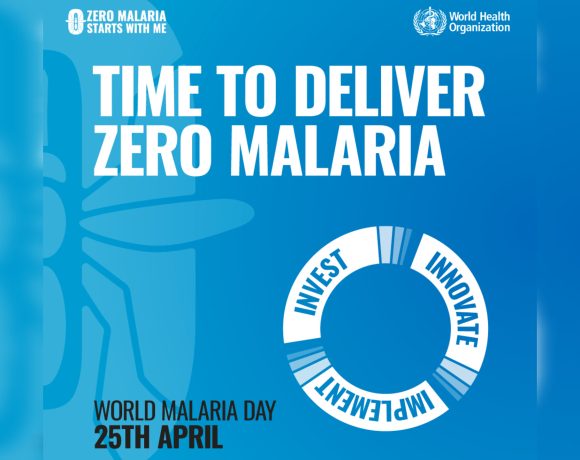
World Malaria Day is commemorated every 25th of April by the World Health Organization, WHO.

The annual event is a global effort, to raise awareness of Malaria and funds for the treatment and prevention of the disease.  

The day is also to highlight the need for better political intervention in malaria control and prevention as well as the continuing great achievements in the fight against Malaria. 

This year’s theme, “Time to deliver zero malaria: invest, innovate, implement”, underscores the urgent global desire and determination to use diverse means to bring this century-long battle to a conclusive end.  

The fight against malaria has been a long-drawn battle, with diverse results.

At the dawn of this century, the United Nations Millennium Development Goals pushed forward a renewed effort towards the fight against malaria.  

This effort culminated in several campaigns aimed at fighting the disease as well as renewed political will and determination.

In November 2018, the W.H.O. and Roll Back Malaria Partnership to End Malaria launched the high burden to high-impact country-led approach as a mechanism to support the 11 highest-burden countries to get back on track to achieve the 2025 milestones through galvanizing political will, mobilizing resources and community responses.  

Since 2015, the baseline date for WHO’s global malaria strategy, 24 countries have registered increases in malaria deaths. 

In the eleven countries that carry the highest burden of malaria worldwide, cases increased from 150 million in 2015 to 163 million cases in 2020, and malaria deaths increased from 390, 000 to 444, 600 in the same period.   

In general, mosquitoes have a short lifespan of about four weeks and breed in blocked gutters, refuse heaps, blocked drains, stagnant water, pools, and barks of water-bearing plants such as plantains, bananas, coconuts and surrounding bushes.  

Malaria Prevention

Thus, it is safe to describe malaria as a typical filth-borne disease and that water is to mosquito breeding what air is to life.

In recognition of this simple fact, all efforts made towards fighting malaria in Nigeria in the past usually began with the quest for the control of the existence of mosquitoes by ensuring that the conditions that led to their multiplication did not exist at all. 

Despite these efforts, malaria has continued to constitute a global health challenge with Nigeria having the world’s highest malaria burden.

To get back on track, WHO and its partners recognized the need to ensure better and more equitable access to all health services by strengthening primary health care and stepping up both domestic and international investments.  

It is therefore pertinent to posit that the most effective way of containing the multiplying cases of malaria in Nigeria in particular and in other areas of the world, must begin with the control of the factors that lead to the incidence of malaria – the mosquitoes.  

And the best way to do this is to put in place policies to ensure that the physical environment is kept clean always through the removal of all overgrown weeds, destruction and removal of all objects capable of holding water to deny mosquitoes stagnant water they need to lay their eggs and breed, sleeping under mosquito treated nets among others.   

This will ensure that Nigerians and the entire nation remain free from the scourge that is called malaria fever.

FRCN/Adetutu Adetule

Subscribe to our Telegram and YouTubeChannels also join our Whatsapp Update Group
Health

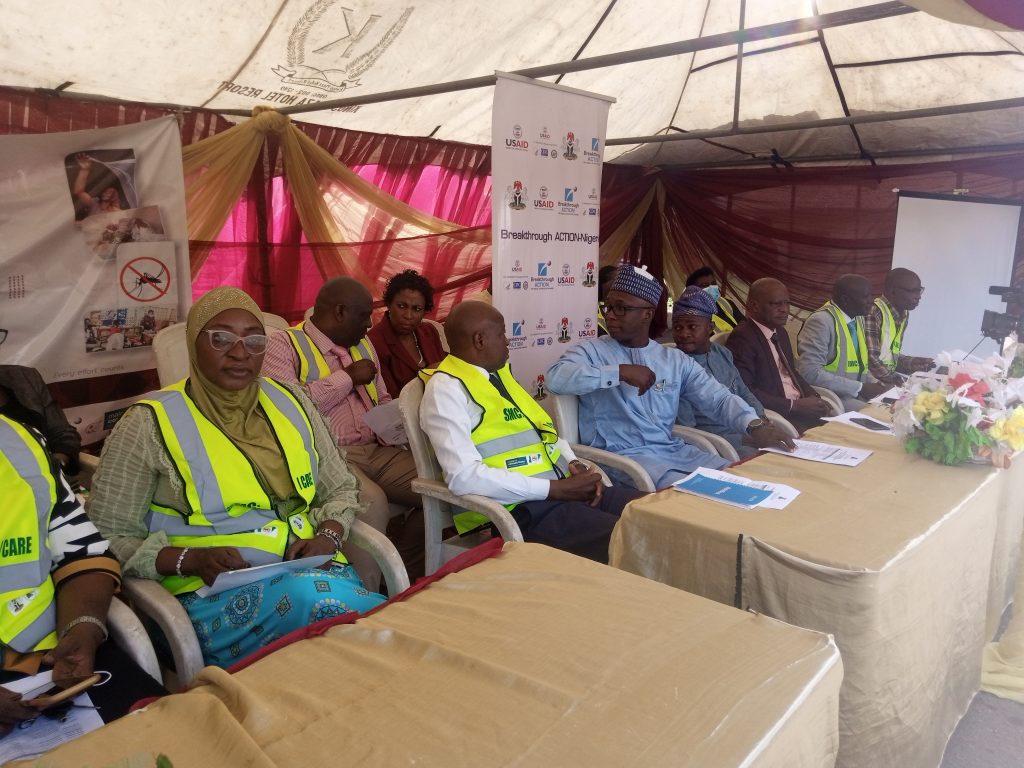
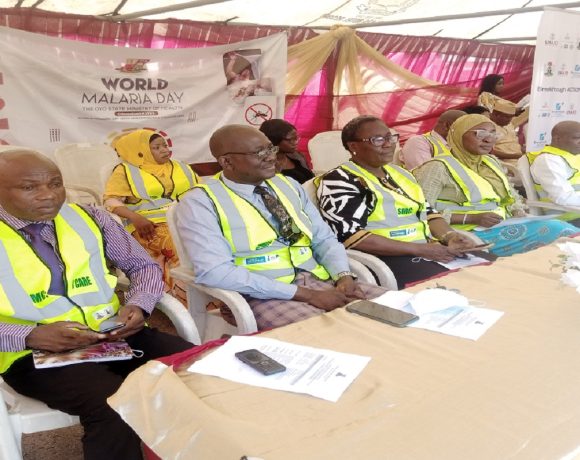
Oyo state government wants effective collaboration between health care providers and the world health organization, W H O, to reduce the scourge of Malaria.

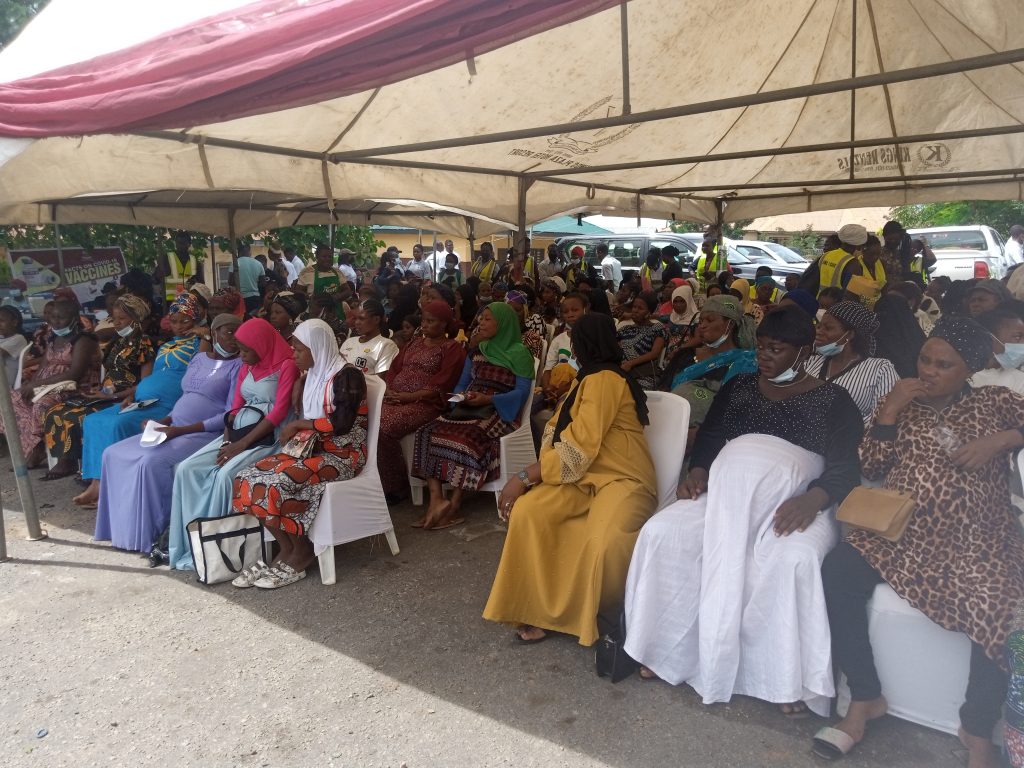
The State Commissioner for Health, Dr Taiwo Ladipo stated this in Ibadan at a programme to commemorate this year’s World Malaria Day.

Dr Ladipo expressed concern that despite the fact that Malaria is preventable, it has continued to have a devastating effect on people especially children under age five.

The Commissioner Malaria claimed about 300,000 children live in Nigeria annually while it accounted for seventy per cent of hospital attendance in all age groups.

According to the Commissioner, the World Health Organization, W H O, has observed that between 2000 and 2015, there was a steady advance in lowering the global burden of Malaria, but such was stalled in recent years in some Sub Sahara African countries and Nigeria.

Dr Ladipo, therefore, called for urgent action to set the World back on a trajectory toward achieving the 2030 targets of the WHO global Malaria strategy.

In an address, Chairman of Ibadan North local government, Mr Saheed Yusuf appreciated all the Stakeholders on Malaria prevention and called for more support for the state government.

The State Coordinator, Breakthrough Action Nigeria, Oyo State office, Mrs Oluwatoyin Afachang, observed that expectant mothers and children were more vulnerable to malaria, noting that efforts are ongoing in the communities to ensure early detection of malaria symptoms, provide access to free malaria tests and treatment.

She added that efforts were equally geared toward early enrolment of expectant mothers for antenatal care and free malaria prevention drugs.

Mrs Afachang emphasized the need for everyone to cultivate the habits of using insecticide mosquito nets, refrain from self-medication and complete antimalarial drugs when tested to prevent resistance.

Nafiu Busari

Health

The Nigeria Association of Women Journalists, NAWOJ, joins the rest of the world to mark the World
Malaria Day observed annually on April 25.
On this Day, NAWOJ stresses the urgent need for the Federal Government to develop a strong
political will towards eliminating malaria in the country.
According to the 2019 World Malaria Report, by the World Health Organization (WHO), Nigeria had
the highest number of global malaria cases (25 % of global malaria cases) in 2018 and accounted for the highest number of deaths (24 % of global malaria deaths).
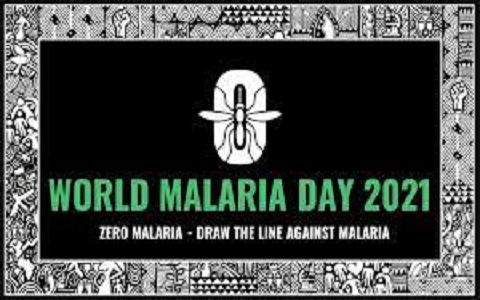
NAWOJ frowns at this alarming figure, noting that this year’s theme: “Zero Malaria, Draw the Line
Against Malaria,” is an indication that malaria is preventable. Therefore, every malaria death is
unacceptable.
It notes that as a country that bears the brunt of malaria burden, Nigeria should therefore be leading the cause to stamp out malaria by 2030.
NAWOJ emphasised the need for a strong primary health care system that must ensure access to malaria prevention, diagnosis and treatment services.
NAWOJ urges Nigerians, as individuals, to take personal responsibility to eliminate malaria in the country, as zero malaria in the country begins with every Nigerian.
It is imperative for Nigerians to imbibe the culture of sleeping under insecticide treated mosquito
nets, particularly pregnant women and children from age zero to five, while eliminating mosquito
breeding sites as well as proper sanitation of surroundings will help in the fight against the deadly disease.
NAWOJ, therefore, calls on women groups, non governmental organizations and other concerned
bodies to intensify advocacy and awareness campaigns to enlist the support of all and sundry in the fight against the disease.

Funmi Adekoya

News Analysis

Malaria is a life threatening disease caused by parasites that are transmitted to people through the bites of infected female anopheles mosquitoes.

The scourge is said to account for tens of thousands’ of deaths annually.

For example, according to the World Health Oraganisation, W.H.O report, four hundred and nine thousand died of the disease in 2019 with another estimated two hundred and twenty nine million cases of malaria worldwide.

Malaria is the 3rd leading cause of death for children under five years worldwide, after pneumonia and diarrhea.

It causes severe flu-like symptoms such as high fever, vomiting and muscle pain.

It is however preventable and curable but if left untreated can quickly develop into life threatening conditions such as organ failure, often leading to death.

It is a major public health problem in Nigeria where it accounts for more cases and deaths than any other country.

According to the Nigeria malaria fact sheet, there are estimated 100 million malaria cases with over 300,000 deaths per year, while malaria also contributes to an estimated 11 percent of maternal mortality.

World Health Organisation report indicates that most cases of malaria occur in Sub-Saharan African, South East Asia, Western Pacific, Eastern Mediterranean, and the Americas are most at risk.

It is instructive to note that contracting malaria is often a function failure on the part of people to adhere to rules of hygiene, especially in relation to the environment.

Anopheles mosquitoes are known to lay their eggs in water and these eventually hatch into larvae and later adult mosquitoes.

Quite unhygienic practices of people provide the breeding ground for this  growth, and these occur as a result of allowing stagnant waters around homes, unclear drainages, leaving around disused cans, bowls, where water settles.

Grasses left un-weeded and un-cleared bushes are also fertile ground for growth of mosquitoes.

Over the years, there have been concerted efforts to educate people on avoidance these unhygienic practices including other malaria eradication measure such as the use of insecticide treated net and inside residual spraying.

Hence, World Malaria Day which takes place on the 25th of April each year, is an internationally recognized day to raise awareness about malaria prevention and highlighting the global efforts to control malaria and celebrating the gains that have been made so far.

This year’s theme which is ‘Zero Malaria-Draw the Line Against Malaria’ is to highlight successes of countries in the fight against malaria, inspire a new group of countries that have the potential to eliminate the disease by 2025 and demonstrate that zero malaria is within the reach of all countries.

According to the World Health Organisation in 2018, twenty seven countries worldwide reported fewer than 100 cases of malaria and are on track to become malaria free over the next few years.

In 2018, Uganda reported 1.5 million fewer cases compared to the year before while india reported 2.6million fewer case over the same time period.

In 2020, it was reported that 1.5 million cases and 7.6 million deaths have been averted in the last two decades due to the global response and control of the disease.

Nigeria has also not lagged behind in the crusade to stem the tide of deaths from malaria.

Despite this achievement, government would still have to do more to ensure the number of Nigerians subjected to the scourge of malaria is drastically reduced.

Above all, militating elements such as lack of political will, drug resistance, poor funding and global warming should be tackled with a complete integration of people, resources and policy to achieve the desire target of a malaria free society.

 Olusola Otunuga