Tuberculosis, TB, is a contagious infection that usually attacks lungs and also spreads to other parts of the body, like brain and spine.
It is a type of bacteria called mycobacterium.
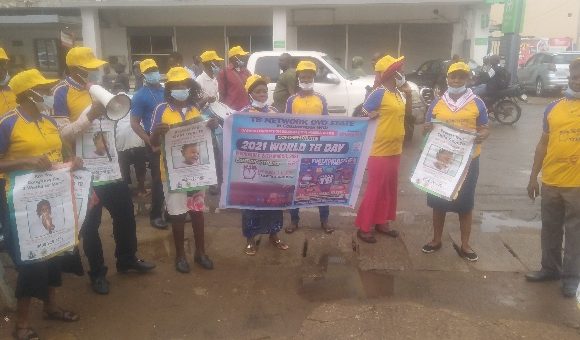
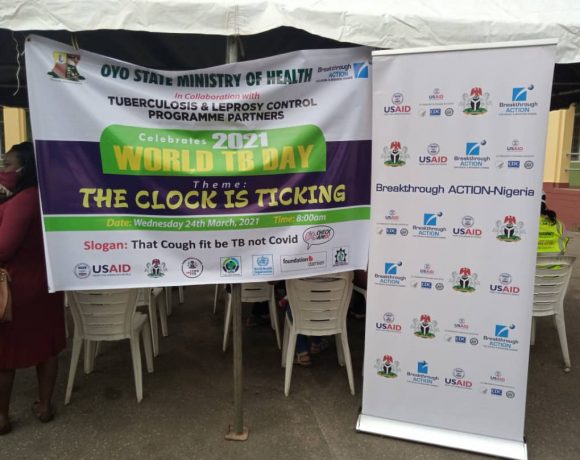
Due to the nature of the disease, every 24th of March is commemorated as the World Tuberculosis Day.
It is a day set aside to raise public awareness about the devastating health, social and economic consequences of tuberculosis, and to step up efforts to end the global tuberculosis epidemic.
The date marks the day in 1882 when Dr. Robert Koch announced that he had discovered the bacterium that causes tuberculosis, which opened the way towards diagnosing and curing the disease.
The day was created by the World Health Organization, WHO, to spread knowledge and awareness of tuberculosis, an infectious disease that kills millions every year.
Tuberculosis is easily curable, but it can lie dormant and undetected for years.
Recently, according to the Coordinator, National Tuberculosis and Leprosy Control Programme, Dr. Chukwuma Anyaike Nigeria has been ranked number one in Africa and sixth in the world on the Tuberculosis Mobility Index.
He explained that Nigeria accounts for 11% of the global gap between TB incidences and notified cases.
Dr. Chukwuma noted that out of 440,000 estimated new TB cases in Nigeria in 2019, only 120,266 were reported to the National Tuberculosis and Leprosy Control Programme with 27% treatment coverage.
It is estimated that close to three million people with TB are not diagnosed or reported annually around the world.
The Covid-19 pandemic is in its second year and is unfortunately taking increasing medical resources and attention away from providing necessary life-saving diagnosis, medicine and care to people suffering from tuberculosis (TB).
The Covid-19 pandemic has shown that people with TB are among the most marginalized and vulnerable, facing barriers in accessing care.
This is alarming as every single day 4,000 people die and 27,000 people get sick with TB.
TB remains the biggest infectious killer disease that really needs attention.
However, Nigeria has a lot to do as it has less than two years left to fulfill W.H.O’s promises and take action on the commitments made at the United Nations High-Level Meeting (UNHLM) on TB in 2018.
Despite the high rate of TB in some countries the W.H.O. through its global interventions has saved 63 million lives from the scourge.
The theme for this year’s TB day – “The clock is ticking” – conveys the sense that the world is running out of time to act on the commitments to end TB made by global leaders.
As W.H.O. is calling for action on several fronts to ensure that the commitments made to end TB are achieved, Nigeria needs to borrow a leave from developed countries that had won the battle.
To curtail the spread of tuberculosis in Nigeria, there is need for innovative approaches to TB, detecting new cases, arresting them through treatment and avoiding stigmatization as a strategy.
Also government, NGOs, health workers and other stakeholders must join the efforts of changing Nigeria’s negative record and fighting the menace before 2022.
It is imperative for Nigeria to follow W.H.O. new guidelines on TB systematic screening along with an accompanying operational guide.
Nigerians should not take TB for granted as it is deadly and has no respect for any person whether rich or poor though there is hope if people do the right thing to arrest the menace in the country.
Ending TB, requires concerted action by all sectors to provide the right services, support and enabling safe environment in the right place, at the right time.
Above all, everyone has a role to play in ending TB, do your part!
Olukemi Akintunde