By Olumide Ogunbiyi
Policymakers, activists, traditional leaders, and development partners have called for technology-driven action to eliminate female genital mutilation, FGM, describing it as a persistent human rights violation that demands scalable, innovative solutions.
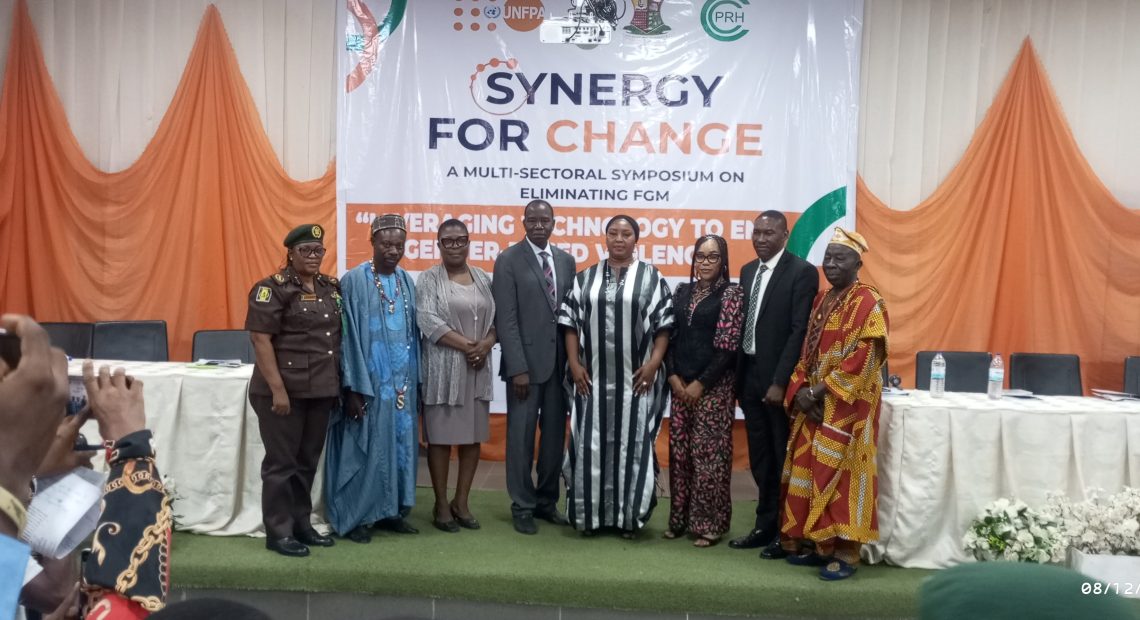
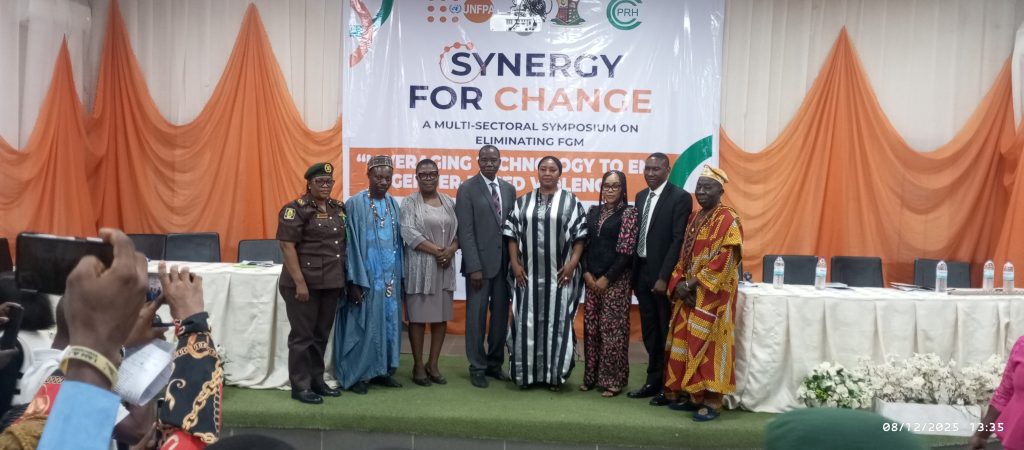
The call dominated a multi-sectoral symposium in Ibadan held as part of activities marking the 16 Days of Activism Against Gender-Based Violence (GBV).
The event, themed “Leveraging Technology to End Gender-Based Violence,” took place at the Oyo State Local Government Training Centre, Government Secretariat, Agodi.
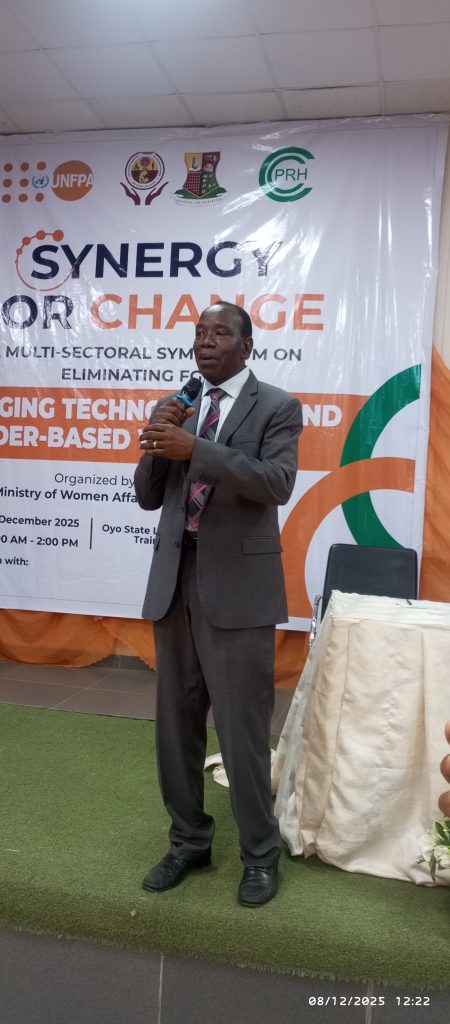
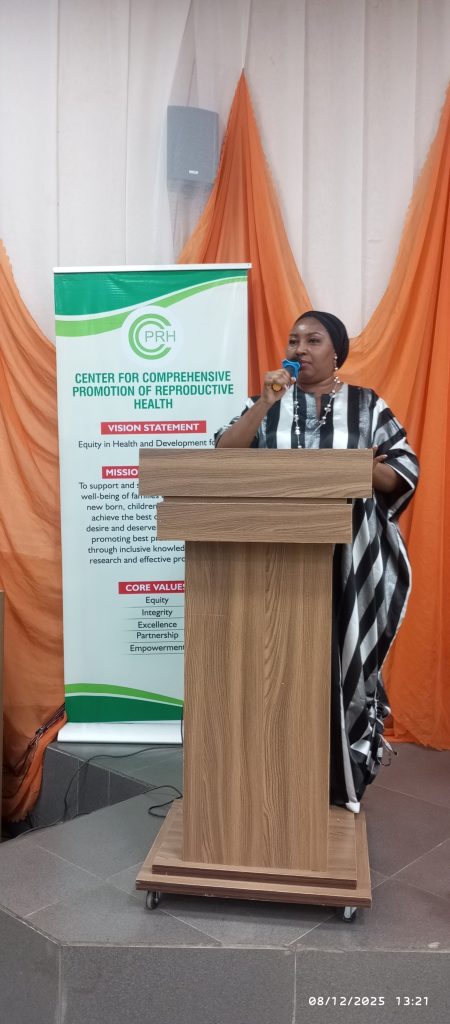
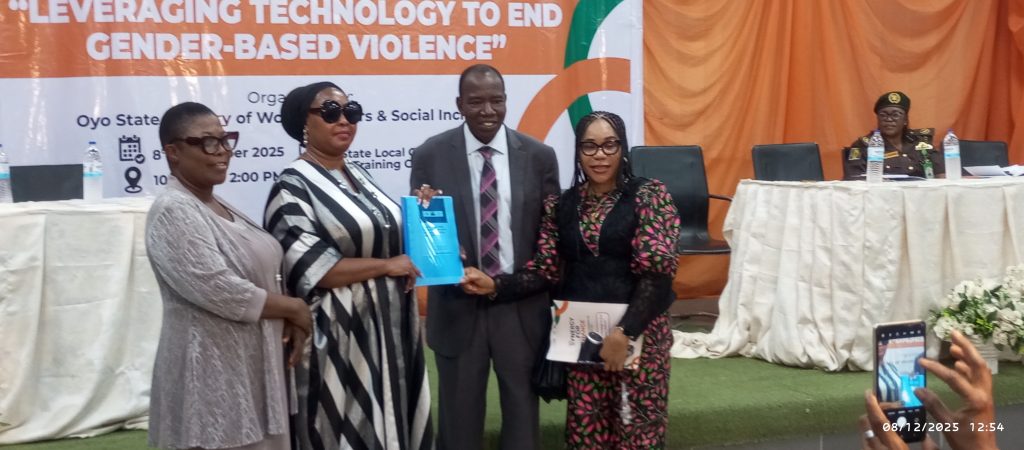
Delivering the keynote address, Commissioner for Women Affairs and Social Inclusion, Mrs Toyin Balogun, said FGM remains both a public health emergency and a gross violation of women’s rights despite progress in legislation and advocacy.
“While progress has been made through legislation and advocacy, the deep-rooted cultural beliefs sustaining FGM require smarter, more scalable interventions. Technology offers us unprecedented tools for education, reporting, and support,” she said.
Mrs. Balogun commended collective efforts that have reduced FGM prevalence in Oyo State from 68 percent to 18 percent, describing the development as evidence of the effectiveness of coordinated action.
Also speaking, UNFPA Gender/FGM Analyst for the South West, Mrs Uzoma Ayodeji, said Nigeria remains one of the countries with the highest number of FGM cases globally, with notable prevalence in several states, including parts of Oyo.
“Technology can bridge gaps in data collection, real-time monitoring, and access to sexual and reproductive health services for survivors,” she said.
Earlier, Director of the Centre for Comprehensive Promotion of Reproductive Health (CCPRH), Emeritus Professor Oladosu Ojengbede, presented a draft action plan to the commissioner.
He explained that the proposal outlines a coordination framework, a Ministry/SGBVRT-led technical review, and pathways for integrating digital platforms into both review and implementation.
“We must ensure that technology does not only gather data but triggers action and accountability,” Professor Ojengbede said.
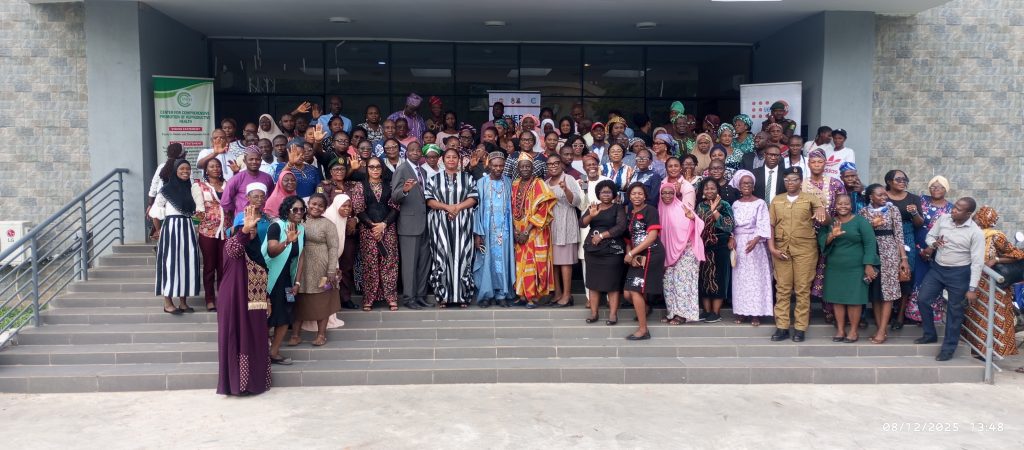
Traditional institutions and community-based organisations at the symposium pledged to intensify awareness campaigns using WhatsApp groups and other digital platforms to amplify anti-FGM messaging.
Participants drawn from the health, education, justice, and traditional sectors also examined integrated approaches to prevention, reporting, and survivor support.
The symposium was organised by the Oyo State Ministry of Women Affairs and Social Inclusion in collaboration with CCPRH, with support from the United Nations Population Fund (UNFPA).
As the 16 Days of Activism continue, Oyo State has positioned itself as a leading force in the fight against gender-based violence, leveraging innovation, collaboration, and sustained political commitment.
Edited by Maxwell Oyekunle
Follow us on Telegram and YouTube, and join our WhatsApp Update Group for more news updates.