By Titilayo Kupoliyi
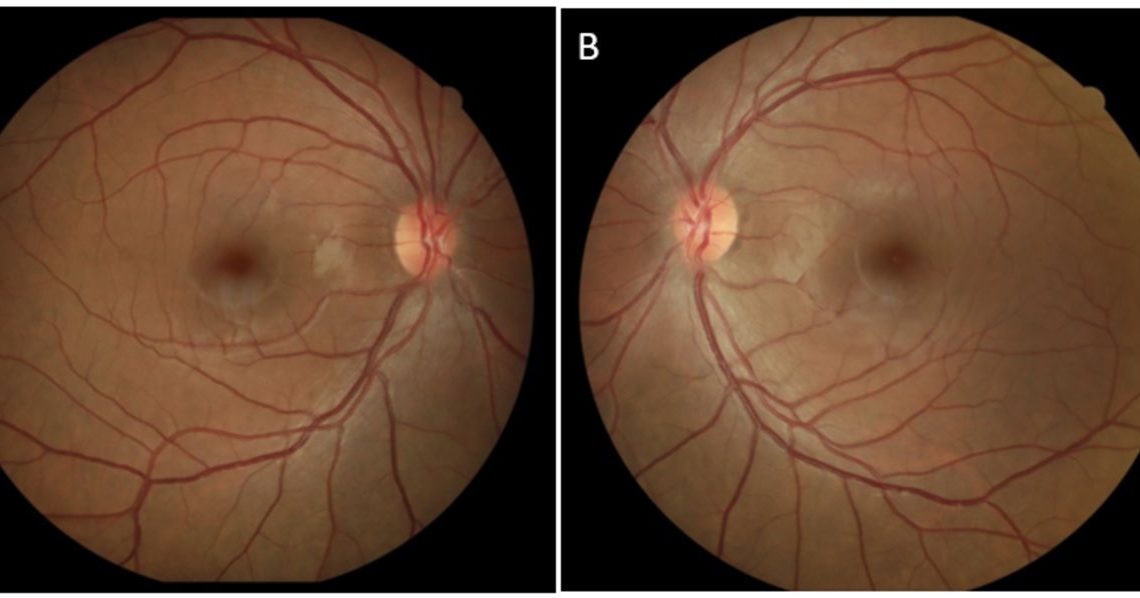
Postpartum blindness is medically described as a visual disturbance or acute vision loss that usually occur in women between the first six to eight weeks after child birth.
The symptoms include blurry vision, flashes, or spots.
A Medical Doctor, Gbolahan Dairo, said postpartum blindness was a rare but severe medical emergency, transient in nature and may be associated with severe childbirth complications.
He explained that this condition could affect the brain, blood circulation and heart.
He listed major causes of Postpartum blindness to include; Pre- eclampsia, (High blood pressure in pregnancy), protein in urine and Eclampsia which is seizures that occur in pregnant women with pre-eclampsia.
Symptoms of Postpartum blindness include loss of blood supply to the brain, particularly after severe blood loss, retinal detachment(separation), Hemorrhage(bleeding), damage to the eyes often from high pressure and
Severe anemia due to blood loss during delivery.
Some women share their experiences on the medical condition:
Tochi Ujunwa says “I lost my sight two weeks after giving birth.
Rsther Akomaya had this to say ” I went blind two weeks after giving birth but thank God I regained my sight”.
Chioma Okonkwo-Okon ” I experienced a temporary vision issue, when I gave birth to my last baby, but my sight was restored within a few minutes “.
Tolulope Odumusi “pre-eclampsia almost got me blind. Mt first six months was a blur vision”.
Chinyere Nnokwam ” I lost my sight when I was giving birth. The midwife checked my blood pressure and it was normal ” God restored my sight immediately my child came”.
Dr Dairo however said Postpartum blindness could be managed through
treatment of pre-eclampsia and prevention of eclampsia during pregnancy, monitoring of vital signs during pregnancy – Blood Pressure, Urinalysis, Packed Cell Volume (PCV), Pelvic scan.
“Health education on Nutrition during pregnancy, use of skilled staff during delivery, treatment of anemia during pregnancy and after delivery are also vital in the management of Postpartum blindness”.He said
Dr Dairo noted that comprehensive maternal healthcare, continuous monitoring and timely response to any unusual symptoms after childbirth was key in preventing maternal morbidity and death.

Also to prevent Postpartum blindness, the medical practitioner emphasised that, government had a role to play.
According to Dr. Dairo, government is greatly needed in the strengthening of maternal care by making it more affordable and accessible, equipping labour ward with modern equipments and supporting mandatory laboratory investigations for all pregnant mothers.
“Promoting best practices – Training health staff on essential interventions such as infection control management of postpartum bleeding, and early, management of Hypertension in pregnancy. Establishing screening programmes for pre-eclampsia or eclampsia in pregnancy and nutritional assessment for all pregnant mothers,
Ensuring access to postnatal (period within 8 weeks after delivery of baby services. – mother and baby care
Education awareness- Educating families on the importance of hospital deliveries and warning signs of post- natal blindness.Establishment of National Programs: Developing national and state-level blindness-prevention committees to coordinate, monitor, and assess eye health policies, such as the National Program for Control of Blindness”, Dr Dairo suggested.
Due to low level of awareness on the medical condition, people often associate it spiritual forces.
Dr Dairo therefore suggested that aggressive campaign be embarked upon by government to enlighten people on the illness.
Dr Dairo however, pointed out that it was imperative for families of any patient who suffered Postpartum blindness to be supportive financially, physically and psycologically as it would aid the healing of the patient.
Follow us on Telegram and YouTube, and join our WhatsApp Update Group for more updates.