
By Taiwo Akinola
Colours are more than visual experiences. They communicate emotions, shape perceptions, influence behaviour, and often tell stories without uttering a single word.
Among the vast spectrum of colours that surround humanity, purple occupies a unique and fascinating place. It is a colour that effortlessly combines strength with serenity, luxury with humility, and mystery with wisdom.
According to findings, purple remained one of the most symbolic colours, representing royalty, spirituality, creativity, dignity, and transformation. Its influence extends beyond fashion and art into religion, psychology, culture, medicine, and everyday human experiences.
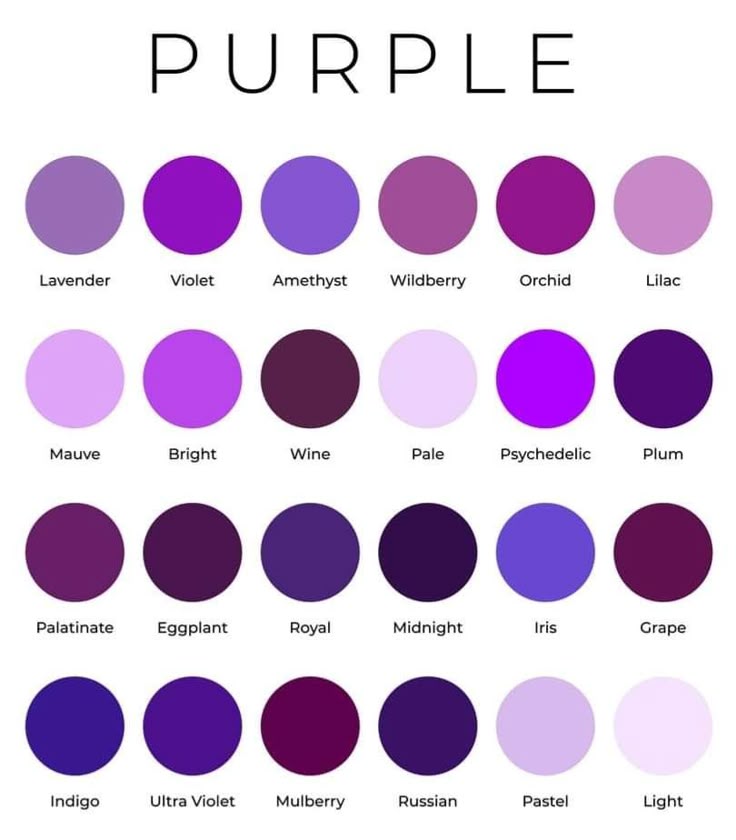
Purple is formed by blending the passionate energy of red with the calming stability of blue. This remarkable combination gives the colour its balanced personality. It embodies both excitement and peace, making it one of the most emotionally complex colours in nature. Unlike colours that carry singular meanings, purple adapts to different contexts while maintaining an aura of distinction and sophistication.
Historically, purple was one of the rarest and most expensive colours to produce. In ancient civilizations such as Phoenicia, Rome, and Byzantium, purple dye was extracted from the mucus of sea snails found along the Mediterranean coast. Producing even a small amount required thousands of these molluscs, making the dye incredibly valuable. As a result, purple garments became symbols of wealth and authority. Kings, emperors, queens, high-ranking nobles, and religious leaders were often the only people permitted to wear purple. In many societies, laws even restricted ordinary citizens from wearing the colour, reinforcing its association with prestige and leadership.
Although modern technology has made purple easily accessible, its connection with royalty remains deeply rooted. Across the world, purple is still commonly used during coronations, state ceremonies, academic graduations, and religious celebrations. Universities frequently use purple to symbolize wisdom and scholarship, while judges, bishops, and other dignitaries wear purple robes to reflect honour, responsibility, and moral authority.
Beyond royalty, purple holds deep spiritual significance.
In Christianity, purple is prominently displayed during the seasons of Advent and Lent. During Advent, it symbolizes preparation, hope, and anticipation of Christ’s birth. During Lent, it represents repentance, sacrifice, humility, and spiritual reflection before Easter.
The colour encourages believers to pause from the distractions of everyday life and reconnect with their faith through prayer, self-examination, and renewal.
Other religions also associate purple with spiritual enlightenment and higher consciousness. In Buddhism and Hinduism, shades of purple are often connected with meditation, inner wisdom, and the awakening of the human spirit. Across many spiritual traditions, purple serves as a reminder that true fulfilment extends beyond material possessions to include inner peace, compassion, and self-discovery.
Psychologists have long studied the emotional effects of colours, and purple consistently stands out as a colour that stimulates imagination and creative thinking. It is frequently associated with artists, musicians, writers, inventors, and visionaries whose work requires originality and innovation. Exposure to purple is believed to encourage introspection, inspire fresh ideas, and foster emotional balance. For this reason, shades of purple are commonly used in spaces designed for meditation, counselling, artistic creation, and relaxation.
Purple also carries significant emotional symbolism in everyday life. It often represents resilience during difficult times. Just as dawn gradually replaces darkness with light, purple reflects the transition from struggle to hope. It reminds individuals that growth often emerges from adversity and that difficult experiences can lead to greater wisdom and personal transformation.
The colour has become an international symbol for several humanitarian causes. Purple ribbons are widely recognized in campaigns against domestic violence and in advocacy for epilepsy awareness. During Purple Day, celebrated annually on March 26, communities around the world wear purple to support people living with epilepsy and to combat stigma through education and awareness. Similarly, many organisations adopt purple in initiatives promoting gender equality, mental health awareness, and social justice, demonstrating the colour’s role as a symbol of compassion and solidarity.
In human relationships, purple often reflects emotional maturity and balance. Unlike the intensity of red or the cool reserve of blue, purple suggests the harmony that can exist between passion and wisdom. It reminds individuals that love flourishes not merely through emotion but through understanding, patience, forgiveness, and mutual respect. Couples who cultivate these qualities build stronger and more enduring relationships.
Purple’s influence is equally evident in fashion and personal identity. Designers frequently incorporate purple into their collections to evoke elegance, confidence, and individuality. Whether worn in deep royal shades or soft lavender tones, purple often conveys refinement without excessive flamboyance. Many people choose purple clothing or accessories to express creativity, independence, or a sense of uniqueness. It is a colour that quietly commands attention rather than demanding it.
Nature itself offers stunning reminders of purple’s beauty and symbolism. Lavender fields stretching across landscapes inspire calmness and healing. Orchids symbolize elegance and rare beauty. Lilacs represent youthful innocence and new beginnings, while African violets embody faithfulness and devotion. Even breathtaking sunsets often paint the sky in shades of violet and purple, reminding humanity of nature’s ability to transform ordinary moments into extraordinary experiences.
In modern branding and marketing, purple has become a strategic colour. Companies often use it to communicate innovation, luxury, quality, and originality. Technology firms, beauty brands, educational institutions, and wellness organisations frequently incorporate purple into their visual identities because it conveys trust while also suggesting creativity and forward thinking.
Purple also speaks to the human journey itself. Every person experiences seasons of joy, uncertainty, achievement, disappointment, growth, and renewal. Purple captures these transitions with remarkable elegance. It reminds us that life is rarely defined by extremes alone but by the delicate balance between strength and vulnerability, ambition and humility, confidence and compassion.
Perhaps this explains why purple continues to fascinate people across generations and cultures. It is not merely a colour to be admired but a reflection of the richness of human existence. It teaches that true greatness is accompanied by humility, that wisdom often grows from life’s challenges, and that beauty is found not only in perfection but also in transformation.
As society continues to evolve, the symbolism of purple remains timeless. Whether displayed in places of worship, worn during celebrations, used in advocacy campaigns, or admired in nature’s landscapes, purple continues to inspire reflection, creativity, hope, and dignity. It reminds humanity that the greatest treasures are not always material but are found in character, compassion, imagination, and purpose.
Ultimately, purple is far more than a blend of red and blue. It is a visual expression of life’s deepest values—a colour that celebrates courage without arrogance, success without pride, faith without fear, and beauty without vanity. In every shade, purple tells a story of resilience, wisdom, and grace, inviting each of us to live lives worthy of its enduring symbolism.