Renowned Nigerian gospel singer and worship leader, Evangelist Racheal Olatoun Soetan, popularly known as “Evangelist Toun Soetan” was a prominent figure in the development of contemporary gospel music in southwestern Nigeria.
She passed away on Friday in Ibadan at the age of 73, leaving behind a legacy of music, mentorship and spiritual influence that spanned several decades.
Early Life
Toun Soetan was born in Lagos but grew up in the Beere area of Ibadan.
She was one of 28 children in her family.
Though raised in a Muslim family, her life took a decisive turn in 1974 after attending a Christian revival at Oritamefa Baptist Church, where she gave her life to Christ.
That encounter marked the beginning of her lifelong dedication to Christian ministry and gospel music.
Education and Early Career
She studied at the University of Ibadan before committing fully to evangelism and gospel music.
Before devoting herself fully to music ministry, Soetan trained and worked as a teacher, first for 16 years at Oritamefa Baptist School, Total Garden, Ibadan.
She later became co-proprietress of Pathfinder College, a school founded by her husband.
Her passion for music, however, found expression in church choirs and worship gatherings, where her distinctive voice and ministry began attracting wider attention.
As invitations to minister at Christian programmes and revivals increased, she gradually transitioned from teaching into full-time gospel music ministry.
Marriage and Family Life
Toun Soetan was married to Titus Soetan for over 40 years, who supported her ministry and educational initiatives.
Their partnership extended beyond family life into ministry and education.
Friends and colleagues often described their marriage as one built on faith, mutual respect, and dedication to service.
Despite her public ministry, she maintained a relatively private family life.
Rise in Gospel Music
Mama Soetan gained recognition through recordings and worship ministrations that resonated with churches across Nigeria.
Some of her widely known songs, “Iye Re,” “Ke Pe Jesu” and “darling Jesus,” became a popular chorus in Christian worship gatherings.
She later founded Trinity World Evangelical Ministries and established the Trinity School of Worship (TRISOW) in Bodija, Ibadan, where she trained aspiring gospel singers and worship leaders.
Contemporaries in Gospel Music
Evangelist Soetan belonged to a generation of gospel ministers who helped shape the Nigerian gospel music landscape from the late 1970s through the 1990s.
Her contemporaries included notable gospel figures such as Dr Bola Are, Panam Percy Paul, Evangelist Dupe Olulana and Dr Funmi Aragbaye.
Together, they contributed significantly to the growth of gospel music in Nigeria, blending scripture-based lyrics with indigenous musical styles that resonated deeply with Christian audiences.
Ministry and Mentorship
Beyond her music recordings, Evangelist Soetan was widely respected for mentoring younger gospel artists and church music ministers.
Through TRISOW and her ministry platforms, she raised and trained several worship leaders.
She consistently emphasised that gospel music should remain a spiritual calling centred on worship, discipleship and evangelism rather than purely commercial pursuits.
Legacy
For many in the Nigerian Christian community, Evangelist Soetan was regarded as a trailblazer whose songs and teachings helped shape worship culture in churches across the country.
Her death at 73 marks the passing of a revered gospel minister, but her songs, teachings and the many lives she mentored continue to testify to her enduring legacy.
Festus Onigbinde was one of the most influential figures in the development of modern football in Nigeria and a respected technical authority in African football.
Renowned as a tactician, educator and sports administrator, his career spanned several decades, during which he contributed significantly to the growth of football in Nigeria and across the continent.
International Soccer – Friendly – Paraguay vs Nigeria, March 26, 2002 Adegboye Onigbinde, Nigeria Coach (Photo by Adam Davy/EMPICS via Getty Images)
Born in 1937, Onigbinde began his involvement in football as a player before transitioning into coaching, where he built a reputation for discipline, tactical organisation and emphasis on youth development.
His coaching career was closely associated with Shooting Stars Sports Club of Ibadan, one of Nigeria’s most successful football teams.
Under his leadership, the club became a dominant force in Nigerian football and earned continental recognition, helping to elevate the profile of club football in the country.
Onigbinde’s most historic contribution came when he became the first indigenous Nigerian to coach the national team, Nigeria national football team, serving between 1983 and 1984 at a time when foreign coaches largely dominated the role.
His appointment marked a turning point for local coaching development in Nigeria.
Nearly two decades later, he returned to the national team and led Nigeria to qualification for the 2002 FIFA World Cup in South Korea and Japan, marking his second tenure as Super Eagles coach.
Though the team did not progress beyond the group stage, his tenure emphasised discipline, technical organisation and the promotion of domestic players.
LONDON, UNITED KINGDOM: Portrait of Nigerian national soccer team coach Festus Adeboye Onigbinde, taken 26 March 2002 at Loftus Road stadium in London before the start of the friendly soccer match against Paraguay ahead of the 2002 World Cup in Korea and Japan. (Odd Andersen/AFP via Getty Images)
Beyond the touchline, Onigbinde played a significant role in football governance and technical development at continental and global levels.
He served as a Technical Instructor and Coaching Educator for the Confederation of African Football (CAF), where he was involved in training and mentoring football coaches across Africa.
He was also appointed as a member of the Technical Study Group of FIFA, a body responsible for analysing matches and providing technical insights during major international tournaments.
In addition, he served as a CAF Technical Committee member, contributing to policy discussions and development strategies for football on the continent.
Within Nigeria, Onigbinde also played advisory roles in sports administration and was widely respected as a football scholar who advocated structured planning, technical education for coaches and stronger grassroots development.
Outside football administration, he remained active in community leadership and traditional institutions as a High Chief of Modakeke in Osun State, combining his influence in sports with community service and youth development.
Throughout his lifetime, Festus Onigbinde remained a strong advocate for professionalism, discipline and indigenous expertise in football management.
His legacy endures as one of the pioneers who helped lay the technical and administrative foundations of Nigerian football and contributed to the broader development of the game in Africa.
Career Dateline: Major Achievements of Festus Onigbinde
1937 – Born in Nigeria; later rose to become one of the country’s most influential football tacticians and administrators.
1970s – Began building his reputation in Nigerian club football as a coach and technical strategist, particularly with Shooting Stars Sports Club, helping the club establish itself as a dominant force in Nigerian football.
1983–1984 – Appointed first indigenous coach of the Nigeria national football team, breaking the long-standing reliance on expatriate coaches and marking a major milestone in Nigeria’s football history.
1980s–1990s – Served in various technical and advisory capacities in Nigerian football, mentoring coaches and advocating for the development of structured grassroots programmes and local technical expertise.
1990s – Became a Technical Instructor for the Confederation of African Football (CAF), training and mentoring football coaches across Africa and contributing to coaching education programmes on the continent.
1990s – Appointed member of the Technical Committee of Confederation of African Football, contributing to policy discussions and technical development strategies for African football.
Late 1990s–2000s – Served as a member of the Technical Study Group of FIFA, where he participated in the technical analysis of international tournaments and helped shape coaching insights and tactical studies used globally.
2001–2002 – Reappointed coach of the Nigeria national football team and successfully guided Nigeria to qualification for the 2002 FIFA World Cup in Korea and Japan.
2000s – Continued to serve as a respected football educator, technical analyst, and sports administrator, advocating professionalism, long-term planning and grassroots football development in Nigeria.
Later Years – Recognised as a High Chief of Modakeke, Osun State, combining traditional leadership with youth and sports development advocacy.
Legacy
Festus Onigbinde is remembered as:
Nigeria’s first indigenous Super Eagles coach
A CAF coaching instructor and football educator
A member of FIFA’s Technical Study Group
A mentor to generations of African coaches
One of the pioneers of indigenous football management in Nigeria
His contributions helped establish the credibility of Nigerian coaches and strengthened technical development within African football.
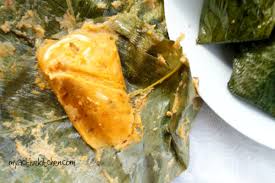
The “act” of using leaves for wrapping food in Nigeria is a cultural tradition that has been practiced for centuries till date.
However, its prevalence is diminishing in urban areas due to the convenience of modern packaging materials and a lack of skill transfer to younger generations.
The particular leaf used for wrapping Moin-moin and other delicacies such as Amala, Pounded yam, Ekuru, Rice, is botanically known as Thaumatology daniellii.
It is called Uma leaf in Igbo language, Ewe Eran among the Yorubas and Katamfe/Katempfe in other African communities.
Research shows that the leaf is medicinal and rich in antioxidant.
The plant grows three to four meters in height, and has large, papery leaves up to 46 centimeters long. In its native range, the plant has a number of uses besides flavouring.
The sturdy leaf petioles are used as tools and building materials, the leaves are used to wrap food, and the leaves and seeds have a number of herbal uses.
These leaves are good for wrapping food items for cooking such as moinmoin (bean pudding), Ogi (corn starch), Eko (steamed corn starch), Ofada rice, pounded yam, cocoyam pudding among others.
It takes skill to put the bean paste into the carefully folded leaves, and ensure that when the wrap is placed in a pot to steam, it doesn’t leak.
The phytochemical analysis shows that the leaves are rich in flavonoid, alkaloids, saponin, tannin anthraquinones, and steroid.
The fact that these leaves contain a sweet protein called thaumatin, explains why foods steamed in them taste better.
From research, moin moin cooked with leaf tastes better than one made with foil, milk tin, nylon, aluminum cups and other wrapping materials.
Aside the flavour, it also extends the shelf life of food.
For instance cornmeal pudding popular called Eko among the Yorubas and Agidi by the Igbos can remain fresh inside leave wrapper for as long as seven days, but when wrapped in nylon, it hardly takes four days before the colour changes.
While report shows that food packed in disposable cup, Styrofoam packs, nylon bags, plastic straws were toxic to human health.
Using nylon (cellophane) bags to cook moin- moin is considered unsafe because the heat from cooking can cause toxic chemicals, such as dioxins and phthalates, to leach into the food. These chemicals can pose significant health risks.
Health experts and food safety agencies have raised serious concerns about this practice due to the potential for hazardous substances to migrate into the meal.
Potential health effects associated with consuming food cooked in nylons or certain plastics include:
Cancer Risk: Dioxins, which may be produced when some nylons or cellophane bags are heated, are a group of highly toxic compounds linked to cancer.
Hormonal Interference: The leached chemicals can act as endocrine disruptors, interfering with the body’s hormones.
Reproductive and Developmental Problems: Exposure to these toxins is associated with potential issues in reproductive and developmental systems.
Immune System Damage: These persistent environmental pollutants (POPs) can also cause damage to the immune system.
Bacterial Contamination: Studies have also shown that moin-moin packaged in nylon bags is more likely to be contaminated with various microorganisms (e.g. Staphylococcus, Bacillus cereus) when compared to other materials, often due to poor hygiene during handling.
Merry Christmas Greetings from all of us at Radio Nigeria Ibadan
Styrofoam and nylon bags for packing foods are not only harmful to human health, the packs also contributes to environmental pollution.
Benefits of wrapping food with moin-moin leaves include:
Cultural Heritage: The use of leaves is an age-long tradition, deeply embedded in local food culture and identity.
Sustainability: It is considered an environmentally friendly and biodegradable alternative to modern single-use plastics and Styrofoam, which have recently faced government bans in some Nigerian states like Lagos.
Though, food wrapped in leaves are healthy, proper handling must be put into consideration.
You must ensure that the leaves are thoroughly washed with clean water to get rid of dirt and germs before they are used.
So, in the festive period, you might want to give cooking moin-moin with leaves a big shot.
A cemetery, burial ground, gravesite, graveyard, or a green space called a memorial park or memorial garden, is a place where the remains of many dead people are buried or otherwise entombed.
The word cemetery (from Greek κοιμητήριον ‘sleeping place’) implies that the land is specifically designated as a burial ground and originally applied to the Roman catacombs.
The term graveyard is often used interchangeably with cemetery, but a graveyard primarily refers to a burial ground within a churchyard.
Globally, concrete burial vaults are common because they provide ground stability, preventing sinking graves, and protecting the casket/body, keeping them contained for proper cemetery maintenance.
They also offer a durable, practical solution for maintaining cemetery landscapes and accommodating traditional burials in a more orderly way.
However, there are unique, privately-run cemeteries in China having glass-covered graves or transparent displays. Examples are those at the Fan Jianchuan Museum Complex or other memorial sites, designed to offer a raw, reflective view of decomposition and mortality to serve as powerful reminder of life’s fragility and the importance of living meaningfully.
These aren’t widespread but are specific, artistic, and philosophical statements in memorial parks, sometimes even showing bodies slowly returning to nature.
This indeed is a shift from the typical traditional concealed interment but such aims at provoking reflection on mortality, encourage purposeful living, and serve as a “never forget” memorial, notes.
The core message is a reminder to everyone on earth about the transient nature of life and the legacy one leaves behind, with a view to encouraging sincere living.
In essence, transparent graveyard of China is to remind us how fragile our lives are and what a brief stopover we have in this earth.
The question is, “What will you be remembered for after your departure on earth”?
The New Yorker
Follow us on Telegram and YouTube, and join our WhatsApp Update Group for more news updates.
Many believe Lions, Tigers or other wild members of the cat family are the most brutal and aggressive, but that is not completely true.
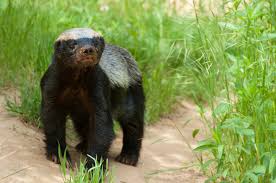
Honey badgers are the most fearless animals in the world.
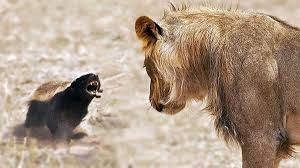
These small thugs will fight off big predators like Lions, Panthers or Hyenas.
It may be small, but it’s so fierce that it sometimes scares away Lions.
Honey badgers are great swimmers; they chase turtles and other sea creatures underwater.
Honey badgers sleep in the dens/ tunnels of foxes, mongooses, or springhares without fear.
Honey badgers are omnivores. They eat pretty much anything.
They go after mammals, birds, reptiles, insects, larvae, plants, fruit, eggs, and roots, and of course, they love honey.
Honey Badgers are known for their remarkable ability to survive snake bites.
To eat, honey badgers will successfully take food away from lions, pythons, foxes and other large predators.
They go into lion’s den to eat.
They eat fearful and venomous African snakes like Mambas and puff adders as sweet meals.
Honey Badgers are also known as “honey eater of the cape.” the Cape of Good Hope in South Africa is one area where they live though they can also be found in the Middle East and India.
Not too long ago, issues surrounding the well-being of the boy child attracted global attention. It was ‘The International Day of the Boy Child’.
The day may not have resonated with many people in some climes as the Girl Child’s Day because the girl child seems to receive more attention and sympathy on issues affecting her well-being.
This is perhaps due to her vulnerability, tender nature, and numerous challenges she encounters, especially from her teens.
But does that mean the boy child does not deserve similar attention?
The boy child is often perceived as stronger, courageous, and resilient right from his childhood, and this can lead to neglect of his emotional well-being and development.
The dedication of May 16 as the International Day of the Boy Child, also known as International Boys’ Day, therefore affords the opportunity to pay attention to the unique challenges faced by boys across the globe, their well-being, development and empowerment to ensure that they grow into capable and responsible individuals.
Interestingly, this day was first celebrated in 2018, thanks to the efforts of Dr. Jerome Teelucksingh from Trinidad and Tobago.
Since then, it has served as a reminder to prioritise the needs of the boy child and support their growth.
While featuring on a Television show, a child rights advocate, Adewumi Alade, emphasised that while every man was once a boy, becoming a good man required intentional guidance and training. “The boy is not just going to become a man, he has to be trained to become a man”.Alade said.
The boy child, as observed by a Psychologist, Maymunah Kadiri, is perceived as a gender meant to shoulder many responsibilities but not equipped for such right from childhood. ” We put too much weight and responsibilities, but are we equipping that gender enough”?Kadiri asked.
Consequently, whenever he is confronted with challenges as an adult, he bottles them up and tries to summon courage all in the name of ” be a man”.
A worrisome dimension is that the boy child also suffers abuse like the girl child. There had been cases of boys who were sexually molested by teachers, house helpers, neighbours or family members. There were reported cases of bullying among schoolmates, all of which pose a threat to the boy child.
That is why it is crucial to stay vigilant and address any threat to their growth and development head-on, as even a moment of carelessness can have lasting consequences on their future.
To be able to achieve this, we must understand that there is a wide range of individual differences between the girl and boy child. Cultural norms and social expectations can also influence how young children behave and develop, as aptly pinpointed by a childhood education specialist in Oregon, Dr Aoife Rose Magee.
Since charity, they say, begins at home, the care of the boy child must start by educating parents that boys require as much care as girls.
We must challenge traditional gender stereotypes that define boys as solely tough and resilient, and instead, foster a more holistic approach that encourages boys to develop empathy, love, responsibility, and emotional intelligence.
Also, empowering the boy child academically, vocationally, and financially, early in life, is key to helping him become self-sufficient and successful as a male adult.
However, we cannot close our eyes or stand akimbo to the alarming rate at which teenage boys are given to drugs in the present society.
There is therefore a need for community-based programs that teach boys how to be meaningfully engaged and the importance of expressing their emotions in healthy ways. This can help reduce rates of depression and substance edd xe abuse among boys.
We should also note that every child needs affection, love and care. A boy who is nurtured in this garden would equally be able to give the same to others. They’ll grow into better partners, fathers, community members and leaders in their various capacities.
The Pig (Sus domesticus), also call swine or hog, is an omnivorous, domesticated, even-toed, hoofed mammal. It is named the domestic pig when distinguishing it from other members of the genus Sus. Pigs are gentle creatures with surprising intelligence. Studies show that they’re smarter than dogs and even 3-year-old children. And it will interest you that, just as you sing to your babies, petting them to sleep, mother pigs also sing to their babies. They dream and like sleeping nose to nose. Pigs are one of the few animals that many do not like,and that’s because of the way it plays with its body in the mud. Well, many do not know why pigs go to the mud. This is why; Pigs can’t sweat, and because of this reason, they need help by staying in cool places on hot days, hence the mud. Contrary to general belief, Pigs are one of the cleanest animals, they keep their toilets far from their living or feeding area. Unlike the dogs and cats. The natural lifespan of a pig is 15-20 years.
Newborn piglets learn to run to their mothers’ voices, and can recognise their own names by the time they’re 2 weeks old.
Think that pigs are slow and lumbering? As it turns out, they’re not at all! Adult pigs can run at speeds of up to 11mph, or in other words, they can run a seven-minute mile. If you’ve ever suggested that someone was ‘sweating like a pig’, then you’d be wrong. Pigs have hardly any sweat glands, and one of the best ways for them to cool down is to wallow in all of that glorious mud. A pig’s squeal can be as loud as 115 decibels, that’s 3 decibels higher than the sound of a supersonic airliner. And when they’re not squealing, they’re talking. Pigs communicate constantly with each other, and more than 20 different vocalisations have been identified; from wooing a mate to saying ‘I’m hungry!” And when they’re not either squealing or talking, pigs will eat almost anything including human bones. When kept in a group they will snuggle close to one another, and prefer to sleep nose-to-nose. studies have also shown that, much like humans, they dream. And dreaming isn’t the only way in which pigs are similar to humans their genetic makeup is also very close to our own. Because of this, stem cells from pigs are being used by scientists to research cures for human diseases. To track the cells once they’ve been injected, Chinese geneticists have crossed a pig with a jellyfish, producing piglets whose tongues and trotters glow fluorescent green in UV light. Aside from their life-saving abilities, the pig is also associated with fertility and virility in China. This has led to statues of pigs being displayed prominently in the bedrooms of Chinese couples who are trying to have children. However, it should be noted that the anger of a pig is terrific. No human should experience it.
Millie and Christine McKoy were African American conjoined twins born on July 11, 1851, in Columbus County, North Carolina to Jacob and Monemia McKoy, who were slaves.
They were conjoined at the lower spine and shared one pelvis, but each sister had two arms and two legs.
They were known as “The Carolina Twins” and “The Two-Headed Nightingale,” who were exhibited as circus and sideshow attractions in the United States and Europe, eventually becoming successful performers.
The twins’ unusual anatomy attracted curious visitors, and they were sold to a showman at ten months old and later exhibited as “The Carolina Twins” and “The Two-Headed Nightingale” in circuses and sideshows.
They were sold three times between the ages of 6 months and 6 years.
They were educated, able to read, write, speak multiple languages, sing, and play the piano.
They were known for their singing abilities and were often billed as “The Two-Headed Nightingale”.
The twins toured extensively in the United States and Europe, becoming well-known and successful performers.
They were reunited with their mother, Monemia, in Birmingham, England, after being separated from her for most of their young lives.
In 1869, the twins issued their autobiography, “History and Medical Description of the Two-Headed Girl”. After a thirty-year career, they retired to North Carolina, where they purchased the property where they were born.
Sadly, a fire in 1909 destroyed their home, leaving them in financial ruin. Millie died of tuberculosis in October 1912, and Christine died the following day after being heavily sedated by doctors. They were buried in a double coffin.
Aged 61, the twins’ grave marker was made of two lead sheets shaped into two arches joined by a bridge inscribed “A soul with two thoughts. Two hearts that beat as one”.
Jock Itch is called “Kyanda a gaba” in Hausa, while the Ibos call it “Ọrịa Ụkwụ Ọkara”. Among the Yorubas is known as “ibotan”
Jock itch is an infection caused by a mold like fungus or yeast. The jock itch rash is often found in the genitals, buttocks, and the thigh regions. It is more common among athletes and people who sweat a lot.
The red, ring-shaped rash is very itchy and thrives in these warm, moist areas of the body. The rash is caused by the same fungus that causes athlete’s foot, tinea cruris.
Tinea is another name for the fungal infection known as ringworm. Because of this, jock itch may be referred to as ringworm of the groin. Ringworm also causes athlete’s foot and barber’s itch.
Like other tinea infections, jock itch is caused by an overgrowth of the tinea fungus. This fungus lives on the skin in small amounts, but can multiply and grow quickly in warm, moist areas.
Jock itch is caused by a ringworm fungal infection. This fungus is highly contagious and can be spread easily from person to person through use of shared clothing and towels. The infection can also live on surfaces like exercise equipment, making it very easy to become infected.
The fungus that causes jock itch thrives in warm, moist environments. People with increased risk for jock itch are those who often spend a lot of time sweating due to exercise or their weight.
Other risk factors for developing jock itch include:
Gender: Men are more likely than women to develop jock itch Weight: Overweight people have more skin folds, which are the best climate for fungal infections including jock itch to occur Sweating profusely: If a person sweats a lot, their skin is more suited for fungus to grow Age: Teenagers are more likely to develop jock itch Wearing tight clothing and underwears: Tight fabrics trap moisture against skin and create a prime environment for fungus to grow Having a Weak Immune System: People with weakened immune systems are more likely to develop fungal infections like jock itch than others Having diabetes: People with diabetes are more prone to skin infections including jock itch. Jocky itch can be prevented by keeping the groin area clean and dry, wearing loose-fitting clothing, and practicing good hygiene. Keep the area clean and dry Wash the groin area daily, especially after showering, swimming, or exercising Use a clean towel to dry off completely Use drying powder after showering or exercising Avoid sharing towels or clothing Wear loose-fitting underwear, shorts, and pants Choose cotton or other breathable fabrics Avoid tight-fitting clothing that can trap moisture Practice good hygiene Wash workout clothes, underwear, socks, and towels after each use Wear waterproof shoes in public showers and locker rooms Treat athlete’s foot to prevent it from spreading to the groin Use a separate towel for your feet Put socks on before underwear if you have athlete’s foot Use home remedies Apply rubbing alcohol to prevent or stop fungal growth Use essential oils like tea tree, bitter orange, peppermint, or eucalyptus Apply garlic, which contains ajoene, to prevent or stop bacterial growth If you have jock itch, you can treat it with topical or oral antifungal medications.
Mayoclinic.org
Subscribe to our Telegram and YouTube Channels and also join our Whatsapp Update Group
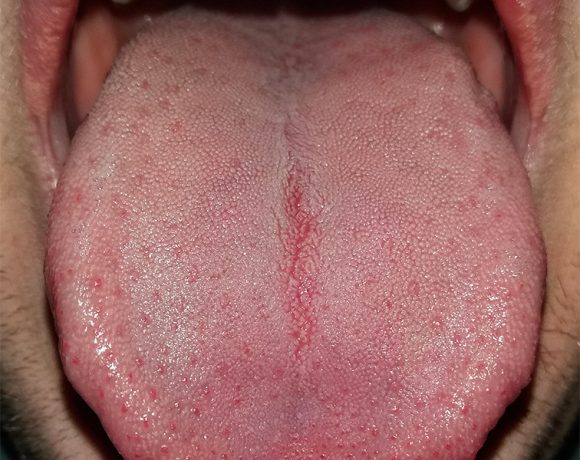
Tongue is a small sense organ but the most deadly. This part of the body has the ability to build or destroy. Unfortunately, people often talk down on others despite its effects on them. The Bible in Psalm 34:12-13 says “Whoever of you loves life and desires to see many good days, keep your tongue from evil and your lips from telling lies.” Also, Proverbs 10:11 – “The mouth of the righteous is a fountain of life…” Proverbs 10:19 – “Sin is not ended by multiplying words, but the prudent hold their tongues.” Despite numerous bible verses on the need for people to tame their tongues because of its potency, most parents use negative words on their children/wards, yet expect them to excel in life. As a parent, you can’t continue depositing negative words in your children/wards and expect them excel or navigate life successfully. Furthermore, there is an adage that says whatever one sows, he or she reaps. It behoves on every parent to cultivate the habit of speaking right to their children/wards as this plays a key role in navigating their directions in life.
Proverbs 18:21 butresses the need for speaking right, It says life and death are in the power of the tongue, and those who love it will eat its fruit. As parents, it is important to pray and speak rightly everytime under any circumstance to see the expected results in children/wards
Also, people should cultivate the attitude of using edifying words in relatting with others as abusive words can have negative psychological effects on people which might lead them to suicide, low self esteem and depression.
Hence, people should consciously strive to speak right as it has its impact on the hearer, this is as highlighted in Proverbs 12:18 “Some people make cutting remarks, but the words of the wise bring healing.” Above all, some tips for controlling the tongue include thinking before you speak, speaking the truth in love, listening more than you talk, and apologizing when necessary.
A woman’s hair is her beauty as a popular maxim says hair is a source of pride and expression of identity.
Infact, some African societies regards the hair as a sacred symbol believed to connect people with the divine. Hairstyles could also tell a lot about someone’s age, marital status, wealth, and rank in a society. It is of utmost importance to note that, African women use various natural materials, techniques to style and adorn their hair. These materials include clay, oils, herbs, shells, beads, feathers, and metal. They also develop tools such as combs, pins, and razors to shape and cut their hair. Some of the most common and distinctive hairstyles in pre-colonial Africa were:
Afro: A round and voluminous hairstyle that showcases the natural texture and curl pattern of the hair. It was worn by both men and women of various ethnic groups such as the Wolof, Mende, Mandingo, and Yoruba.
Braids: A hairstyle that involves dividing the hair into sections and weaving them together in various patterns and sizes. Braids could be worn in simple or complex designs, and could be decorated with beads, shells, or other accessories. Braids were popular among women and children of many cultures such as the Fulani, Hausa, Zulu, and Ndebele.
Cornrows: This type of braids are plaited close to the scalp in straight or curved lines.
Cornrows could be worn in geometric or symbolic patterns, and could also be used to create other hairstyles, such as buns, mohawks, or crowns. Cornrows were worn by both men and women of various cultures such as the Ewe, Ashanti, Igbo, and Yoruba.
Locs: A hairstyle that involves matting or locking the hair together into sections that hang down from the scalp. Locs could be formed naturally or intentionally, and could vary in thickness, length, and shape. Locs were worn by both men and women of various cultures, such as the Maasai, Nubian, Berber, and Rastafari.
Sadly, however, the arrival of European colonizers and traders in Africa had a profound impact on the culture and identity of African people, including their natural hair. The Europeans imposed their own standards of beauty and civilization on Africans, and often discriminated, oppressed, and enslaved them based on their physical appearance. As a result, many Africans were forced or coerced to change their natural hair styles and adopt more European ones such as straightening, cutting, or covering their hair. Some Africans also internalized the negative stereotypes and prejudices of the Europeans, and developed a sense of inferiority and shame about their natural hair.
In the 1700s, traders used to shave their slaves’ heads as a way of erasing their cultural identity, and this was a huge dehumanizing act that damaged their connection with their culture.
As a result, many African women make us of hair relaxer to straighten their hair, which according to report is injurious to their health.
A study published last in 2024 from Boston University suggests that Black women who have used relaxers more than twice a year or for more than five years have a 50% increase in uterine cancer risk.
It is therefore, not out of place if women go back to the roots and embrace hair care routines as obtainable in the olden days for a healthier hair.
While crocodiles, caimans, alligators, and gharials may look alike at first glance, they are distinct species with unique characteristics.
These reptiles belong to the order Crocodylia, but their differences are rooted in anatomy, behaviour, and habitat.
Crocodylidae family
Crocodiles are typically the largest and most aggressive of the group, known for their long, pointed V-shaped snouts and sharp teeth.
They inhabit both freshwater and saltwater environments, which distinguish them from other species.
Found in regions ranging from Africa to Australia, crocodiles are particularly notable for their abilities to live in brackish waters, thanks to specialized salt glands that allow them to excrete excess salt.
Their size varies greatly, with some species growing over 20 feet long.
Alligatordae family
Alligators are generally found in freshwater environments such as rivers, lakes, and swamps.
They have broader, U-shaped snouts and their teeth are less visible when their mouths are closed.
While alligators are mostly found in the southeastern United States and China, they are less aggressive toward humans compared to crocodiles.
The American alligator can grow up to 13-15 feet, though they are smaller on average than their crocodile counterparts.
Caimaninae family
Caimans are closely related to alligators but tend to be smaller.
These reptiles inhabit rivers and wetlands in Central and South America, with several species growing up to 13 feet long, though most remain much smaller.
Caimans have similar U-shaped snouts, but they tend to be more nimble and adaptive in their environment.
They often coexist with other reptiles, including crocodiles, in tropical regions.
Gavialidae family
Gharials stand apart from the other three due to their distinctive, long, narrow snouts, which are highly specialized for catching fish.
Native to the Indian subcontinent, gharials are mostly found in rivers, where they are excellent swimmers.
These reptiles are highly endangered, with fewer than 250 individuals remaining in the wild.
Their long, slender snouts, lined with sharp teeth, are a unique adaptation for a diet focused primarily on aquatic prey.
Diet
All four are carnivorous, but gharials primarily eat fish, while the others are more opportunistic feeders with broader diets, including larger land animals.
Each of these reptiles plays an important role in their respective ecosystems, maintaining a balance in both freshwater and coastal habitats.
Thirteen people have died in flooding and landslides in El Salvador and Guatemala as heavy rains pound Central America, authorities from the two countries said.
In El Salvador, the hardest hit country so far, five people died Monday in a landslide in the western district of Tacuba, in the department of Ahuachapan, Civil Defence chief Luis Amaya said.
Those deaths follow two fatalities recorded on Sunday after a tree and a pole fell on a car that was travelling on a highway in the capital.
Another four people were killed in flooding and landslides between Friday and Sunday, Amaya added.
On Sunday, Congress approved a state of emergency to facilitate the mobilisation of resources.
President Nayib Bukele said on X that he had asked Congress to make Tuesday a federal holiday to avoid commutes and “reduce the risk of tragedies.”
Rains have been slamming both countries since Saturday.
In Guatemala, a 59-year-old woman and a 68-year-old man died on Sunday in the village of Chacaya, in the western municipality of Sacapulas, when they were buried by a collapsed wall, authorities said.
Dozens to hundreds die each year in Central America as the rainy season leaves extensive damage to countries’ infrastructure.
Additionally, the death toll from a landslide in Ecuador rose from six to seven people, with 22 others injured, authorities said Monday.
The landslide was triggered by heavy rains in the tourist Tungurahua province in southern Ecuador.
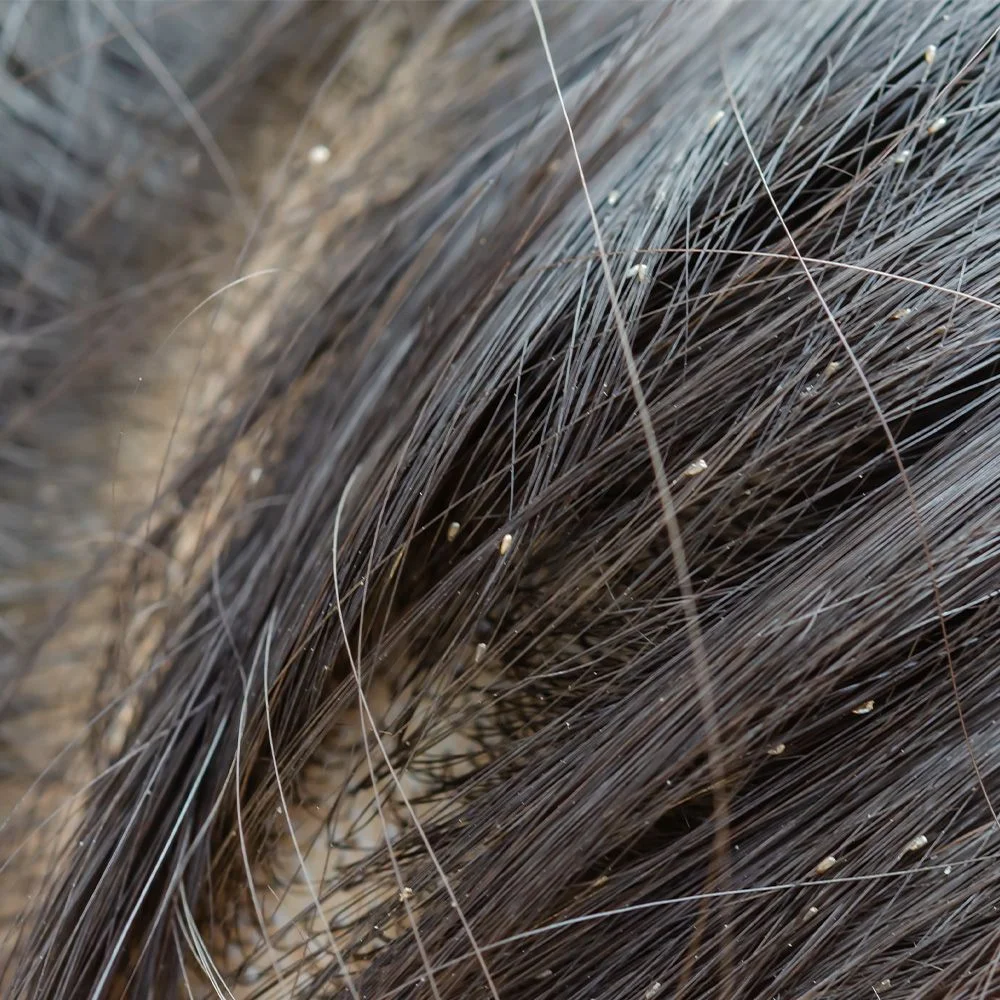
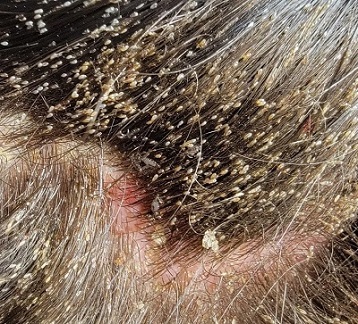
Now and then, her right hand swings to her head, scratching away at her hair vigorously.
Her target is louse (plural lice), the common name for any member of the clade Phthiraptera, which contains nearly 5,000 species of wingless parasitic insects.
Lice easily find the hair of children habitable as most of them play with sand, making it dirty, hence breeding lice.
Though, head lice can affect anyone but occur most often among children between the ages of 3 to 11years old.
And most times children with bushy unkempt hair are susceptible to having hair lice.
Yoruba call hair lice, ina-ori, Hausas call it kurajen gashi, and is known as ntutu isi by Igbo.
Hair lice feed on blood from the human scalp.
VeryWell Health
According to experts, the insects usually spread through direct transfer from the hair of one person to another in cases where sharing of items including combs, brushes and hats are involved.
The most common symptom of head lice is itching, especially on the back of the head and neck and near your ears — areas where lice are more likely to live.
Symptoms of head lice include:
• Feeling like something in your hair is moving (tickling).
• Itching.
• Sores from itching and scratching.
• Difficulty sleeping.
Head lice are most active at night, which can disrupt sleep.
Frequent itching can break the skin on your head, which can lead to an infection.
Head lice can’t fly or jump, so they spread by crawling from person to person during close contact. Although rare, head lice can spread through personal items like towels, sheets, hairbrushes or hats.
To prevent hair lice however, it is imperative people keep their hair clean always while shunning the attitude of sharing instruments like combs, brushes etc
You can check for lice at home if you suspect your child has head lice by running a fine-toothed comb or a special head lice comb slowly through your child’s hair to locate nits or head lice.
Lice Doctors
Lice Home Remedies
There are quite a few natural options that you can choose from when treating your household for lice.
Many of these options work well in the form of a hair mask and shampoo, and all options work best if followed with an apple cider vinegar rinse and a daily combing with a good nit comb to remove any eggs that might be left on your scalp.
Lice eggs take 7 days to hatch, so it’s important to be consistent with these treatments and comb for at least 7 days to be sure that you haven’t missed any eggs.
Olive Oil/Coconut Oil
Gentle, conditioning of the hair, and antibacterial, coconut and olive oil make great natural options to rid the scalp of lice and the itching they cause.
Carrier oils are most commonly used to get rid of lice by combining them with essential oils, which are then applied to the hair and left on for hours to smother and kill all of the adult lice. After shampooing the oil out of the hair, it is best to follow with a raw apple cider vinegar rinse and comb with a nit comb.
Raw Unfiltered Apple Cider Vinegar
While it won’t kill the adult lice, raw apple cider vinegar is the perfect conditioning rinse to use after any of the other natural lice treatments chosen for use. Raw apple cider vinegar is acidic enough to break the glue that binds lice eggs, kills baby lice (called nits), and repel any lice from wanting to live on thehead. After shampooing, spray apple cider vinegar rinse onto the head, completely saturating hair and scalp. Do not rinse out. Follow with a nit comb on wet hair.
Aloe Vera Gel
This stuff rocks in so many ways for the hair, but yet another use of it is to help kill lice on the head (read more ways to use aloe vera here). Just like the carrier oils, aloe vera gel can be used to smother and kill lice. Not only will it condition the hair, but its acidity level also helps to remove the nit eggs. Apply to the hair just as you would the carrier oils, cover the head with a shower cap and letting dry completely before rinsing. Follow with raw apple cider vinegar rinse and comb with a nit comb.
Soapnuts
Soapnut liquid can be used to shampoo and soak the hair, helping to rid your scalp of lice. When used frequently during an outbreak of lice, soapnuts can also be effective lice repellent. Follow with a raw apple cider vinegar rinse and a nit comb after application. Check out my DIY Herbal Goddess Soapnuts Shampoo recipe!
Lemon Juice/Lemon Peel Tea
Just like apple cider vinegar, lemon juice is very acidic and can help loosen and remove eggs and nits from the scalp. The peel of lemons and oranges contains their essential oils. These two citrus essential oils are rich in the chemical constituent d-limonene, a fabulous insecticide that will dissolve the husk of all bugs, good or bad. I use sweet orange essential oil when cleaning my home during the summer to keep fleas away!
Essential Oils
There are many essential oils that can be used to help prevent and kill lice, many of which have been specifically tested for use against lice and lice eggs.
Essential oils that have shown a high percentage of effectiveness are anise seed, cinnamon leaf, tea tree, oregano, red thyme, sweet orange, clove, eucalyptus, geranium, lemongrass, peppermint, and nutmeg.
Essential oils are extremely potent combinations of chemical constituents and great care should be taken when using them. Not all essential oils are safe for all ages, so if treating for lice on children, it is important to make sure that extra precautions are taken for safe use. Do not use essential oils on anyone without diluting them in oil first.
Crickets are medium-sized to large insects. Like their relatives the grasshoppers and katydids, they have chewing mouth parts, and their back legs are larger and stronger than the other two pair.
They have rounded heads, antennae that are long and thin, and their wings bend down on the sides of their body. Unlike katydids, crickets often look flat, or at least the top of their body is flattened.
Cricket called “Irẹ̀” in Yorùbá Language, Kurket in Hausa and Mbụzụ/Abụzụ in Igbo Languages.
Unknowingly to many, edible crickets are packed with numerous nutritional values.
Although, small in size, they are packed mighty nutritional punches.
Crickets are a good source of protein, fat, vitamins, minerals, and fiber and may help promote gut health.
Also, they could be a more environmentally friendly protein source than other animal proteins such as chicken.
In addition to protein, crickets are high in many other nutrients, including fat, calcium, potassium, zinc, magnesium, copper, folate, biotin, pantothenic acid, and iron.
Report shows that the iron content of crickets is 180% higher than that of beef; crickets were higher in calcium and the B vitamin riboflavin than meat products like chicken, pork, and beef.
Interestingly, crickets are a rich source of fiber, a nutrient that other sources of animal protein lack.
Additionally, crickets provide fat, mostly in the form of polyunsaturated fatty acids. Studies have linked these to health benefits, including improvements in risk factors for heart disease.
Farming insects such as crickets for food may be more sustainable and environmentally friendly than raising animals such as chicken, pigs, and cattle.
For example, some reports showed that broiler chickens were associated with 89% higher greenhouse gas emissions than crickets, per unit of edible protein produced.
According to the United Nations Food and Agricultural Organization (FAO), livestock account for 14.5% of all global greenhouse gas emissions.
Reducing your red meat intake and replacing it with more sustainable options like insect or plant protein is a smart way to help the environment.
Including insects as part of the diet may help industrialized countries create a more sustainable food system and make a dent in greenhouse gas emissions.
In addition to protein, crickets contain 2.2x more iron than and more calcium than milk, gram for gram, as well as being packed with B-vitamins.
Omega-3s don’t only come in oily fish, either.
This amazing insect is a dense source of omega-3s, rich in essential fatty acids that help lower risk of chronic diseases such as heart disease, cancer and arthritis.
Omega-3s can also assist memory and cognitive performance.
Crickets are no doubt then true super-food, and it’s time they are rediscovered.
In Sichuan province, in Southwestern China, there is a village shrouded in tales and mysteries, which has baffled even the most dedicated scientists.
The reason is one: in Yangsi almost half of the residents are dwarfs.
While the condition itself may not be uncommon, it is the sheer number of people affected by it that leaves many scholars perplexed.
At one point, around 120 dwarfs were even spotted, which simply could not be a matter of chance. After all, it’s not like all the dwarves in China moved to this village (like they do in Kunming). In fact, they were all born and raised in Yangsi.
Today, 36 of the 80 residents are dwarfs. The tallest is about 1.16 metres high and the shortest is 0.64. The explanation, however, is still neither certain nor consensual.
According to village elders, life in Yangsi used to be peaceful and “normal” until it was “ruined” a few years ago when a “terrible” disease hit the region. It mainly affected children aged between 5 and 7, who simply stopped growing. Some residents, however, claim that the area’s poor feng shui is responsible for the stunted growth.
Others say that when the Japanese invaded China, they released toxic gases that caused this problem. However, during the Japanese invasion, Japanese soldiers did not actually reach Yangsi Village.
From examining the inhabitants to testing the area’s soil and water, scientists tried every possible method to come up with an answer but found nothing out of the ordinary. A single rational explanation has never been discovered for why this isolated village should have such an intense rate of stunting.
There are several theories for the origin of the phenomenon.
As a result, several rather strange theories have emerged, we would say. The most bizarre of all, in fact, involvesthe curse of a black turtle.
According to legend, a black turtle with strange feet was spotted by a man named Wang. Undecided whether to let it go or capture it, the villagers ended up killing the turtle, roasted and feasted on it.
It was then that it all began; the inhabitants then began to believe that it was the turtle’s curse that brought wrath upon the children and future generations.
Still, there is, in fact, nothing to prove it, especially because the village itself and its secrets remained hidden from the world for a long time.
This is because, although the Chinese government has never denied the existence of the village, it has also never authorised any foreigner to visit it. Although the condition was officially recorded in 1951, all that exists from the previous time period are a few photographs of the natives andsome very bizarre rumours.
Today, many of the oldest residents are up to 80 centimetres tall, the new generation appears to be unaffected by the strange phenomenon of dwarfism. Still, several inhabitants left the region live in fear of being affected by the strange condition.
Long-chain fatty acids (saturated and unsaturated).
Squalene.
Wax esters.
Alcohol esters.
Healthy earwax ranges in colour and may be:
Off-white.
Yellow.
Orange.
Light brown.
Dark brown.
Earwax has many purposes. For example, it:
Acts as a waterproof lining for the ear canal.
Carries dead skin cells and other debris out of the ears.
Traps dirt and dust.
Prevents the ears from drying out.
Protects against bacterial and fungal infections.
Two types of glands in the ear canal work together to make earwax:
Sebaceous glands: Attached to tiny hair follicles inside the ears, these tiny glands secrete (release) an oily, lubricating substance called sebum. Sebum lubricates the skin and keeps the ears from drying out.
Ceruminous glands: These glands are modified sweat glands. They secrete peptides and antimicrobial proteins that protect the ears.
Like other secretions, it is something that most of us deal with in private.
Yet, it also holds a fascination for many.
In the past, it has been used as a lip balm and salve for puncture wounds.
But it can do a little more than that. Recent research suggests it can indicate a build-up of pollutants in the body and it could even be used to diagnose certain conditions.
The cells inside the ear canal are unique in the human body, they migrate. “You could put an ink dot on the eardrum and watch it move over a few weeks and it would be ‘carried out’ by the movement of the cells.”
This movement also propels the wax produced by the modified sweat glands which line the ear canal towards the outside.
It’s thought that normal movements of the jaw through eating and talking assist with this movement.
Between 1,000 to 2,000 glands produce anti-microbial peptides whilst sebaceous glands close to hair cells add into the mix alcohols, an oily substance called squalene, cholesterol and triglyceride.
The production of earwax doesn’t vary much between men and women, young or old but in one small study, external its triglyceride content decreased from November to July.
Earwax, like many other bodily secretions, can show traces of certain toxins in the body such as heavy metals. But it’s an odd place to look and no more reliable than a simple blood test.
There are also some rare metabolic disorders that affect earwax. The most notable earwax scientific discovery of recent times is that of a 24cm wax earplug from a blue whale, external.
Healthy ears contain wax, which is produced by a special lining in the ear canal. Wax protects the tissues, and helps prevent infection by trapping micro-organisms, dirt and other irritants.
Wax is constantly travelling towards the outer ear where it can drop out. This process may take a couple of months to complete.
The normal amount of wax produced can vary from person to person. Sometimes wax builds up in the ear and requires treatment.
Symptoms of wax build up
The symptoms of a wax build-up within the ear can include:
In most cases, blockage of the ear canal with wax is harmless.
Risk factors for ear wax blockage
Some people are more prone to ear wax blockage than others. Reasons for this include:
a tendency to produce a lot of ear wax
narrow ear canals
hairy ear canals
overzealous cleaning with fingertips or cotton buds, which pushes wax further down the canals
working in dusty or dirty environments
Inflammatory conditions of the skin or scalp.
Minimise ear wax build-up
It is not possible to reduce the amount of ear wax you produce or to widen your ear canals. However, there are ways to reduce the incidence of wax build-up, including:
Avoid cleaning the ear canals with cotton buds or fingertips, as any object poked into the ear can compact the wax and cause damage to the ear canal.
Use wax-softening drops or olive oil twice a week, or according to the manufacturer’s instructions.
Limit ear cleaning to the outer ear only.
Treat any associated inflammatory skin conditions.
Mongolia is a landlocked country in East Asia, bordered by Russia to the north and China to the south.
With a population of 3.17 million people and more than 80 million livestock animals, Mongolia is the world’s second-largest producer of cashmere wool.
Surprisingly, despite the country’s sparse population, Mongolia Produces 50 percent of the world’s cashmere.
The report states that Mongolia has 30 million goats and because of the cold weather and spacious nature, the goats grow the best hair in the world.
The fur from the goats is taken to the factory to be transformed into cashmere, the fur is cleaned, dried, and knitted and the final product is cashmere.
Cashmere is one of the softest, smother warmest, most breathable, and long-lasting fabrics in the world.
This ancient fiber has long been associated with luxury, with earliest documented usage dating back to the 18th century, when Cashmere shawls were being exported to the Western world, particularly France and Britain.
In the 13th century, several caves were discovered in Mongolia, with representations of wild goats domesticated by man. It is very likely that even in earlier centuries, cashmere goats were raised by herders not only for their meat but also for their warm wool.
Today, the global demand for cashmere has been growing steadily across all sectors of the market, especially in Europe, where Italy and the UK are the main importers from China and Mongolia.
The cashmere sector is contributing to 5% of the Mongolian GDP and about 100 textile industries (95 Micro, Small, and Medium Enterprises) are providing more than 20,000 jobs to people, mostly in the capital city.
The increase in consumers’ spending on luxury goods has, however, brought significant negative social, environmental, and economic impacts on the environment, herders, producers, and buyers.
Still, in the transition towards a free market, Mongolian herders face difficulties in adjusting their productive systems to create value, preserve their natural resources, and altogether secure their livelihoods and resilience.
Loss of traditional know-how on collective rangeland management, collapsing extension services, lack of market opportunities, and dysfunctional value chains have contributed to an under-performing livestock sector.
To cope with economic uncertainties, herders have adopted a quantitative strategy, increasing their herds’ size as a safety net for food and livelihoods.
As of 2020, herd size is estimated at 80+ million while carrying capacity is estimated at 45 million.
Its venom is so dreadful that even larger prey animals like water buffaloes may succumb to their wounds after escaping an initial attack from it.
This venom prevents a prey’s blood from clotting, causing massive blood loss and induces shock.
This is what an encounter with the Komodo dragon can lead to!
The Komodo dragon (Varanus komodoensis), also known as the Komodo monitor, is a member of the monitor lizard family Varanidae
They have long, flat heads with rounded snouts, scaly skin, bowed legs, and huge, muscular tails, reaching up to 10 feet in length and more than 300 pounds, Komodo dragons are the heaviest lizards on Earth.
The dragon is the largest extant species of lizard, growing to a maximum length of 3 m (9.8 ft), and weighing up to 70 kg (150 lb).
As a result of their size, Komodo dragons are apex predators, and dominate the ecosystems in which they live.
Komodo dragons hunt and ambush prey including invertebrates, birds, and mammals.
Komodo dragons’ group behavior in hunting is exceptional in the reptile world.
Komodo dragons have thrived in the harsh climate of Indonesia’s Lesser Sunda Islands for millions of years.
They prefer the islands’ tropical forests but can be found across the islands.
Though these athletic reptiles can walk up to seven miles per day, they prefer to stay close to home, rarely venturing far from the valleys in which they hatch.
The diet of Komodo dragons mainly consists of Javan rusa (Rusa timorensis), though they also eat considerable amounts of carrion. Komodo dragons also occasionally attack humans.
Once a year, when they’re ready to mate, female Komodo dragons give off a scent in their feces for males to follow. When a male dragon locates a female, he scratches her back and licks her body. If she licks him back, they mate.
Males also sometimes wrestle one another to earn mating rights. Pregnant females then lay about 30 eggs, which they bury in the earth until they hatch eight months later.
When there aren’t any males around, female Komodo dragons have other means of reproducing: As they have both male and female sex chromosomes, female dragons can reproduce asexually in a process called parthenogenesis.
Mating begins between May and August, and the eggs are laid in September; as many as 20 eggs are deposited at a time in an abandoned megapode nest or in a self-dug nesting hole.
The eggs are incubated for seven to eight months, hatching in April, when insects are most plentiful.
Young Komodo dragons are vulnerable and dwell in trees to avoid predators, such as cannibalistic adults.
They take 8 to 9 years to mature and are estimated to live up to 30 years.
Komodo dragons were first recorded by Western scientists in 1910. Their large size and fearsome reputation make them popular zoo exhibits.
In the wild, their range has contracted due to human activities, and is likely to contract further from the effects of climate change, due to this, they are listed as endangered by the IUCN Red List.
They are protected under Indonesian law, and Komodo National Park was founded in 1980 to aid protection efforts.
Palm oil has been used in the skincare industry for many years due to its numerous benefits for the skin.
Palm oil has been used for beauty treatments for thousands of years, and is found in many products today, from soaps and shampoos to cosmetics and lotions.
Red palm oil can be applied directly to the skin while doing a light massage, and a little water can be added to make the substances in it work optimally.
Regular massaging of the body and face while applying red palm oil, can also help lock in moisture.
However, remember that red palm oil could leave yellowish stains on clothes or furniture in your home, so you should be careful when using it.
In addition to body and facial skincare, palm oil can also be used for hair care. You can apply a spoonful of red palm oil to your hair and use it as a mask before shampooing, as it can help protect your hair from sun exposure and exposure to chlorine, salt, or other harmful substances.
Apart from being used as a mask, it can also be used as a conditioner after shampoo or hair vitamins is applied when hair is half dry.
This treatment can also make your hair feel soft. If you have curly hair, red palm oil is also great for your hair.
Before palm oil is processed, it is yellowish-red in colour, which indicates a high carotenoid content.
Carotenoids are one of the most potent substances in protecting your skin from the sun and preventing exposure to UV radiation.
According to the US National Centre for Biotechnology Information, (NCBI), palm oil is one the most abundant natural sources of tocotrienols and tocopherols, part of vitamin E.
Red palm oil also contains Coenzyme Q10 (CoQ10), a natural antioxidant in every human body cell that declines with age. Therefore, increasing the intake of CoQ10 in skin care can help prevent premature aging and make skin look healthy.
Research has shown that CoQ10 can also protect the skin and increase elasticity and collagen content in the skin, which is why it is a popular ingredient in body and facial skincare products.
Benefits of Palm Oil for Skin
Moisturizing: Palm oil is a rich source of vitamin E, which is known for its moisturizing properties. It helps to nourish and hydrate the skin, leaving it soft and supple.
Anti-aging: Palm oil contains antioxidants that help to protect the skin from damage caused by free radicals. Free radicals can accelerate the aging process, leading to wrinkles and fine lines.
Healing: Palm oil contains beta-carotene, which is converted into vitamin A in the body. Vitamin A is essential for skin health and helps to promote healing of the skin.
Cleansing: Palm oil can be used as a natural cleanser to remove dirt and impurities from the skin. It is gentle on the skin and does not strip the skin of its natural oils.
Skincare Products that use Palm Oil
Soap: Palm oil is commonly used in soap production due to its cleansing and moisturizing properties. It helps to create a rich lather and leaves the skin feeling soft and smooth.
Body lotion: Palm oil is a common ingredient in body lotions and creams due to its moisturizing properties. It helps to hydrate the skin and lock in moisture, leaving the skin feeling soft and supple.
Lip balm: Palm oil is used in lip balm production due to its moisturizing properties. It helps to nourish and hydrate the lips, leaving them soft and smooth.
Sunscreen: Palm oil is used in sunscreen production as it helps to protect the skin from UV damage. It also helps to keep the skin hydrated and prevent dryness.
Palm oil has numerous benefits for the skin, including moisturizing, anti-ageing, healing, and cleansing.
However, it is important to use organic and sustainable palm oil in skincare products to ensure that its production is environmentally and socially responsible.
There are a number of brands of palm oil on the market. These include Omnl, 100% pure unrefined red palm oil with a rich, authentic taste with no artificial additives; traverse bay bath and body palm oil, an organic palm oil, also perfect for crafting skincare products; chanty Manteca de Corojo palm oil, with moisturizing properties and delightful scent, the ideal choice for natural skincare solution.
Claim: A Facebook user, Very Dark Man, has claimed that a two-headed man has arrived in Nigeria.
Verdict: Misleading. Available findings showed that the image is an artistic work produced by Onilogbo Hakeem Effect for a movie scene in the Anikulapo series, Rise of the Spectre.
Full Text
Nigeria has creative customs and artistic talents among its citizens. The concept of art can be found in how humans express their feelings, knowledge, and ideas. Sometimes, it is used for creative expressions in movies.
On March 6, 2024, a Facebook user, Very Dark Man, recently posted an image of a two-headed man claiming that he had just arrived in Nigeria.
Screenshot from Very dark Man Facebook page
Source : Very Dark Man page
A screenshot of the post on the Very Dark Man page on Facebook on March 5, 2024. Indications on the profile picture show that the profile is not for the popular Very Dark Man.
“See Gobe! Man wey get two heads don land for Naija! Wonders no go ever finish Dem don discover a man with two heads for Naija. Some people dey talk say na film scene, but we never sabi for sure. Dis tori don scatter ground. We go update una as e dey unfold. Video on my Facebook stories,” he said.
The post has received several engagements, including 998 likes, 416 comments, and 118 shares.
While some readers do not believe the assertion, some appear to think that it might be true.
Patience Peter commented: “Wetin I they see for India don reach Nigeria. God abeg ooo” suggesting belief in the narrative.
Another commentator, Phina Ebi said: “Conjoin twins.”
Due to some readers’ comments that suggest that they believed the narrative, DUBAWA conducted this verification to set the record straight.
Verification
DUBAWA investigation revealed that the artwork originated from famous pyrotechnics and a prop expert, Onilogbo Hakeem Effect. He posted the image on his Facebook page on March 5, 2024, and a video of the art on his Instagram page. The video background also reflected a movie scene, and Hakeem Effect’s caption revealed it is an artistic work for Kunle Afolayan’s movie Anikulapo Series.
“Anikulapo series of the spectre, if you can think the impossibilities @hakeemeffect will bring to life. Thanks to Kunle Afo for thinking out of the box,” part of the Onilogbo Hakeem Effect caption with the video reads.
Hakeem Effects [Hakeem Onilogbo Ajibola] is a Nollywood make-up artist specialising in special effects. He is also the founder and chief Executive of “Trick International,” a special effects and prosthetics company serving a range of productions in the Nollywood Film Industry. He has worked on films like Omo ghetto, King of Boys, and the Sagaf. One of his latest works was on the Anikulapo film.
“Anikulapo: Rise of the Spectre” is a six-part epic TV mini-series based on the successful 2022 movie “Anikulapo”, directed and produced by Kunle Afolayan. The film was launched on Netflix on March 1, in over 190 countries across the globe.
Conclusion
The images in question do not depict a two-headed man arriving in Nigeria. It is an artistic work, used to represent a character in the Anikulapo series. The claim is, therefore, misleading.
The researcher produced this fact-check for the DUBAWA 2024 Kwame KariKari Fellowship, in partnership with Olufisoye Adenitan, FRCN positive fm Akure Ondo state Nigeria, to facilitate the ethos of “truth” in journalism and enhance media literacy in the country.
Hug is a physical embrace of one another in a way of showing pleasantries, calming down a distressed person, showing affection, among others.
People hug in places such as churches, open places, corporate environments, to mention but a few.
According to research, the effect of a hug builds trust, a sense of safety and belonging.
This helps with open and honest communication.
Hugs instantly boosts oxytocin levels, which heals feelings of loneliness, rejection, isolation, and anger.
Medical findings show that holding a hug for an extended time lifts serotonin levels, and also elevates mood.
The psychology behind hugs tells us that, when we hug, our bodies release oxytocin, a hormone produced by the pituitary gland that increases bonding, social behavior and closeness between humans that have trust for one another.
Hug builds confidence, and also creates unexplainable happiness in human.
Is hugging an opposite sex unacceptable in the society?
A particular thing could have different meanings to different people, however, from this perspective, hugging an opposite sex is not an offense.
It varies, in western countries, to them, hug is a norm, while some countries frown at it, on religious grounds, instead, they shake hands and peg it there.
Therefore, some men love hugging beautiful women, which they feel makes them feel so good emotionally.
Some men just hug because, it is in their normal act of greeting either the opposite sex or the same gender.
Handsome man embracing woman calms in difficult moment. Husband hugging wife relieves stress from work or health. Friends and couple relationship concept.
According to the explanation above, hug is not a crime except it is done otherwise.
Kissing Humans is the pucker up for all kinds of reasons.
We kiss for love, to say hello and goodbye touch or caress with the lips as a sign of love, sexual desire, or greeting.
Benefits
Healthier mouth – saliva contains substances that fight bacteria, viruses and fungi. Deep kissing increases the flow of saliva, which helps to keep the mouth, teeth and gums healthy. Increased immunity – exposure to germs that inhabit your partner’s mouth strengthens your immune system.
It helps fight cholesterol: Kissing can have a positive impact on your blood lipid levels, according to researchers at the Western Journal of Communication. They say that romantic kissing can decrease serum cholesterol and increase overall relationship satisfaction for couples.
Kissing helps you ascertain how smart your partner is: Sloppy kisses enable you to assess if the person you’re kissing is a potential mate, according to research conducted by Oxford University. Scientists say the chemical makeup of saliva helps your body decide if the person you’re kissing will produce strong offspring.
You experience an adrenaline rush: When you kiss someone for the first time, your body will release a burst of adrenaline (the fight-or-flight chemical) which increases your heart rate, boosts your energy levels and gets the blood flowing.
Plenty of happy chemicals areproduced: It’s not just adrenaline and oxytocin that your body produces. Other chemicals come flooding in too, making you feel happy afterwards. A Harvard professor of psychology, Justin Lehmiller, says when you kiss, your brain is flooded with dopamine — the very same chemical that is released when you do those things that you enjoy doing a lot.
Advantages of kissing
The act of kissing leads to the body producing endorphins or happiness hormones, meaning that the two kissers feel happy and relaxed. Kissing also helps to reduce the body’s cortisol levels, thus indirectly reducing stress
Why should we kiss onthe lips?
Emotional bonding: Lip kissing induces the release of the hormone oxytocin, which has been linked to feelings of affection and attachment with other people. It can help nurture healthy long-term relationships.
Why kissing is important to a woman?
Kissing triggers your brain to release a cocktail of chemicals that leave you feeling oh-so-good by igniting the pleasure centres of the brain.
“Kissing influences neurotransmitters and hormones like oxytocin, dopamine, and serotonin, which also play a significant role in our relationships,” Kirshenbaum says. Oxytocin, for example, is linked with feelings of closeness, intimacy, and security. Showing affection with people you love can boost oxytocin.
Kissing can transmit many germs, including those that cause cold sores, glandular fever and tooth decay. Saliva can transmit various diseases, which means that kissing is a small but significant health risk. It’s not all doom and gloom. Research into passionate kissing has uncovered many valuable health benefits.
Whenever we think of kissing a person, the risk of getting a disease never crosses our minds. A kiss is a display of affection and we hardly associate it with contracting health conditions. Perhaps, this is because the prevalent ideology only bewares us of having sex with someone we don’t know the medical history of. But even before we go for kissing, there’s a need for a similar knowledge. This is because the following health conditions could follow a kiss with an unhealthy person.
What are the side effects of the first kiss?
Influenza
Influenza can be transmitted through an infected person. This can happen when one comes in contact with mucus or saliva. Typically such contact can occur in three ways: sneezing, coughing or kissing. Symptoms include muscle aches, headache, sore throat and fever.
Herpes
Herpes can be transmitted through kissing and can end up giving you cold sores in and around the mouth.
Syphilis
This is another disease that can spread through physical contact, such as kissing and sexual activities. Syphilis can also give you mouth sores. But this is an infection that can be controlled with the help of antibiotics.
Gum diseases
Even though gum diseases do not spread through kissing, the bad bacteria that cause the disease can. Therefore, flossing and brushing are your best buds.
You experience an adrenaline rush: When you kiss someone for the first time, your body will release a burst of adrenaline (the fight-or-flight chemical) which increases your heart rate, boosts your energy levels and gets the blood flowing.
It can expose you to nasty bacteria that make you feel miserable.
“Mouths can serve as a transmission route for germs because there is a close connection with the gastrointestinal and respiratory systems, and these are common sites of infections for germs,” explains Kelly Reynolds, PhD, a microbiologist at the University of Arizona’s Zuckerman College of Public Health. And that goes for people who seem perfectly healthy since humans can shed pathogens through saliva for a few days before and after experiencing symptoms.
As you might imagine, open-mouthed kissing is particularly icky: It transfers more germs than closed-mouth kissing, and the more germs you’re exposed to, the more likely you are to get sick, according to Reynolds.
While not kissing anyone at all is the best protection, simply not kissing people who have a fever (a telltale sign they’re contagious), seem run down, or feel like they’re getting sick can also help. Otherwise, kissing could mean you get a strep or staph bacterial infection, or in some cases, a cold or the flu (although you’re more likely to contract those from inhaling the particles an infected person expels when they cough since germs suspended in the air are more likely to be inhaled deep into the respiratory passage, according to Reynolds).
It can spread viruses like mononucleosis and meningitis that can put you out for weeks, if not months, Bacterial meningitis usually spreads through kissing
They’re two of the most commonly transmitted pathogens via kissing, according to Reynolds. Since the mono virus can persist and cause symptoms like extreme fatigue for upward of six months in some people, and meningitis, the inflammation of the membranes surrounding your brain and spinal cord, can last up to 10 days, sometimes causing permanent and even life-threatening damage, neither conditions are remotely desirable.
It can lead to cold sores.
Kissing can spread cold sores, an infection caused by the herpes virus that’s marked by fluid-filled blisters around the mouth. Since the virus can be contagious regardless of whether sores are visible, kissing someone who doesn’t appear to be affected can still lead to a mouth infection.
It can expose you to blood-borne viruses like HIV.
Kissing can lead to transmission on the off-chance that both you and an infected partner happen to have tears in your gums, which can be caused by brushing too hard, aggressive flossing, or early stages of gingivitis, all of which create an opportunity for blood to be exchanged, according to Reynolds.
It can cause cavities.
Because kissing can expose you to bacteria found in your partner’s dental plaque and cavities, according to Reynolds, cavities are considered contagious. And that’s regardless of whether a partner’s breath seems minty fresh since anyone you kiss can pass an oral infection.
Archaeologists in Turkey say they have discovered the world’s oldest known bread, dating back to 6600 BC.
A largely destroyed oven structure was found in an area called “Mekan 66,” where there are adjoining mudbrick houses, at the archaeological site of Çatalhöyük in the southern Turkish province of Konya, according to Turkey’s Necmettin Erbakan University Science and Technology Research and Application Center (BİTAM).
Around the oven, archaeologists found wheat, barley, pea seeds and a palm-sized, round, “spongy” residue, it said in a press release Wednesday.
Analyses determined that the organic residue was 8,600-year-old, uncooked, fermented bread.
“We can say that this find at Çatalhöyük is the oldest bread in the world,” archaeologist Ali Umut Türkcan, head of the Excavation Delegation and an associate professor at Anadolu University in Turkey, told Turkish state news outlet Anadolu Agency Wednesday.
“It is a smaller version of a loaf of bread. It has a finger pressed in the center, it has not been baked, but it has been fermented and has survived to the present day with the starches inside. There is no similar example of something like this to date,” he added.
Scanning electron microscope images showed air spaces in the sample, with the sighting of starch grains “eliminating our suspicions,” biologist Salih Kavak, a lecturer at Gaziantep University in Turkey, said in the release.
He added that analyses uncovered chemicals found in plants and indicators of fermentation. Flour and water had been mixed in, with the bread having been prepared next to the oven and kept for a while.
“It is an exciting discovery for Turkey and the world,” Kavak said.
The organic matter – both wood and bread – was preserved by thin clay that covered the structure, according to Türkcan.
Çatalhöyük, which is a UNESCO World Heritage site, was home to approximately 8,000 people during the Neolithic period, between around 10,000 BC to 2,000 BC, and is one of the world’s first places of urbanization, according to BITAM.
Research at the well-preserved site has revealed distinctive housing layouts and extensive features such as wall paintings and reliefs – causing it to be considered “the most significant human settlement documenting early settled agricultural life of a Neolithic community,” according to the UNESCO website.
“Çatalhöyük was already the center of many firsts. The world’s first weavings were already in Çatalhöyük when it was excavated. Wooden artifacts were also in Çatalhöyük. Wall paints and paintings were added to this. Konya and Turkey are very lucky in this sense,” Türkcan said.
People have kept camels for more than 4,000 years and still depend on them for survival all over the world.
There are over 160 words for camel in Arabic alone. There are two types of camels: One humped or “dromedary” camels and two-humped Bactrian camels.
Camels have three sets of eyelids and two rows of eyelashes to keep sand out of their eyes.
Camels have thick lips which let them forage for thorny plants other animals can’t eat.
Camels can completely shut their nostrils during sandstorms.
Thanks to thick pads of skin on their chest and knees, camels can comfortably sit in very hot sand.
Their humps let them store up to 80 pounds of fat which they can live off for weeks and even months!
When a camel finally does find water, he can drink up to 40 gallons in one go.
Camels are very strong and can carry up to 900 pounds for 25 miles a day.
The camel can survive up to eight days in 50-degree temperatures without eating or drinking-circumstances that would kill a human in 36 hours.
It usually drinks 4 times in the summer and only once in the winter. Most of the time, the camel is in a state of dehydration but when it gets hydrated, its physiological system quickly adapts to the massive change in body volume.
When the camel does find a source of water it stores it up. Camels can drink up to a third of their body weight of water in ten minutes meaning up to 130 litres in one go.
What is in Camel’s Hump? Contrary to common beliefs, the camel doesn’t store water in the humps, but they consist of about 40 kg of fat! Concentrating body fat in their humps minimizes heat evaporation and creates insulation throughout the rest of their body.
When this tissue is metabolized, it acts as a source of energy and yields more than 1 g of water for each 1 g of fat converted through reaction with oxygen from air.
This process of fat metabolization generates a net loss of water through respiration for the oxygen required to convert the fat.
Camels can travel at up to 40 miles per hour, the same as a racehorse!
Don’t make a camel angry, they can spit as a way to distract whatever they think is a threat camels carry their calves up to 14 months before giving birth.
Some calves are born completely white and turn brown as their adult coat comes in.
Numerous anatomical and physical adaptations have allowed the camel to survive the incredibly harsh environment of the desert.
Heat storage within the body of the camel, selective brain cooling, fur, concentrated urine from unique kidneys, adaptations in the respiratory system, special physical features, unique blood consistency and hormones all serve as important characteristics for the camel in terms of thermo-regulation.
The camel increases its body temperature during the scorching heat of the day.
That way it minimizes water loss from evaporation. At night it cools its body temperature down to 7 degrees Celsius, saving almost 5 litres of water this way.
To protect the brain from overheating, the camel has an ‘air conditioning” system installed.
Special Features The camel’s red blood cells have an oval shape, unlike those of other mammals which are circular. This is to facilitate their flow in a dehydrated state.
These cells are also more stable to withstand high osmotic variation without rupturing when drinking large amounts of water. WOW!
The kidneys of the camel of course play an important role in water conservation.
They have a special shape being able to produce very concentrated urine thus increasing water retention. The concentration of the camel’s urine is higher than seawater, it resembles syrup in consistency.
This also enables the camels to drink salty water without problems. Also, the levels of hormones responsible for water levels significantly increase in the dehydrated camel.
Most of the food sources in the desert are dry and thorny so the camel’s digestive system has been created according to these harsh conditions.
The animal’s teeth and lips are constructed to enable it to eat even sharp thorns with ease. Its stomach, which has a special design of its own, is strong enough to digest almost all plants found in the desert.
How Camels Survive in Sandstorms The eyelids of the camel protect the animal’s eyes from dust and grains of sand.
However, they are also transparent and that enables it to see even with its eyes closed which would come in handy amid a sandstorm. Its long, thick eyelashes are created to prevent dust from getting into the eyes.
There is also a special design in the camel’s nose. When sandstorms blow, it closes its nostrils with special lids. The nostrils are also designed to reduce loss of water through respiration with a unique cooling system and nasal passages that can absorb water that passes through them.
The camel’s feet are specially created for the desert so that it doesn’t get stuck in the sand even if it is carrying hundreds of kilo loads on its back. The animal’s wide toes stop it from sinking in the sand and function just like snowshoes. Its long legs keep its body away from the burning heat of the desert floor.
Protection and Perfection
The camel’s body is covered in thick, hard fur. This protects the animal both from the burning rays of the sun by reflecting the heat and from the desert chill in the night which can go below zero.
Some parts of its body are covered in thick protective layers of skin that come into contact with the ground when it sits on the scorching sand. This prevents the camel’s skin from burning.
These thick layers of skin are not calluses that develop over time; the camel is born with them. The equivalent of a human baby being born with thickened skin on the soles of its feet! This special design brings out the perfection of creation in the camel.
The thickened skin cannot be explained by the logic of the theory of evolution That and all its other extraordinary features reveal one evident truth: That the camel was specifically created by God to help man survive in the desert.