Education

By Adenitan Akinola

The Academic Staff Union of Secondary Schools (ASUSS) has warned that postponing the introduction of Computer-Based Testing (CBT) for the West African Senior School Certificate Examination (WASSCE) until 2030 amounts to abandoning the reform entirely.

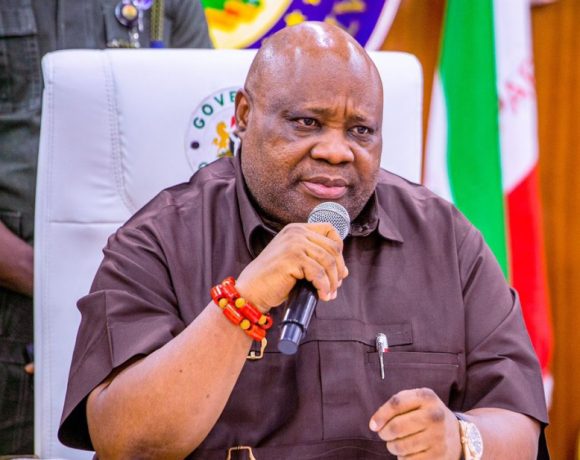
Speaking to journalists in Osogbo, Osun State, National President of ASUSS, Comrade Sola Adigun, described the House of Representatives’ resolution to delay the rollout by five years as “a subtle but effective way of killing a progressive policy that is long overdue.”

“The truth is simple: postponing this programme for another five years is the same as abolishing it completely,” he said. “By 2030, the political will, the officials driving it, and even the urgency will be gone.”

He noted that the Federal Ministry of Education had developed a clear CBT transition plan over the past two years, including nationwide accredited centres and a 2026 deadline that will require schools hosting WAEC examinations to possess computers and power generators.

He praised the initiative as crucial to reducing logistics challenges and curbing widespread malpractice in the current paper-based system, pointing to the “dramatic success” recorded by JAMB since adopting CBT.

Adigun rejected the National Assembly’s justification that poor electricity and internet connectivity in rural areas necessitated the postponement.

“Since the removal of fuel subsidy in 2023, state governments have received massive increases in federal allocations. What have they done with the money to equip schools with computers, generators, and internet facilities?” he asked. “Have they moved closer to UNESCO’s 26 per cent budgetary benchmark for education?”

He urged lawmakers to channel constituency projects into providing digital infrastructure for rural schools rather than using existing gaps as an excuse to delay the digital transition.

“ASUSS is not asking for the programme to be rushed without preparation, but we insist that all hands must be on deck for earnest implementation,” he said. “If we keep waiting for a ‘perfect environment’ that will never come, we will continue raising generations that are digitally illiterate.”

Comrade Adigun warned that further delay would only favour those benefiting from chaos and malpractice.

“Five more years of postponement is not caution, it is surrender. And surrender means the death of the CBT dream for WAEC,” he said.

The House of Representatives had, on 13 November 2025, called for suspending the programme until 2030, over fears of mass failure linked to inadequate infrastructure.

ASUSS has now urged lawmakers to reverse course and support the Federal Ministry of Education in commencing the CBT rollout as scheduled, insisting that “postponement is cancellation by another name.”

Follow us on Telegram and YouTube, and join our WhatsApp Update Group for more news updates.
Education

By Maxwell Oyekunle

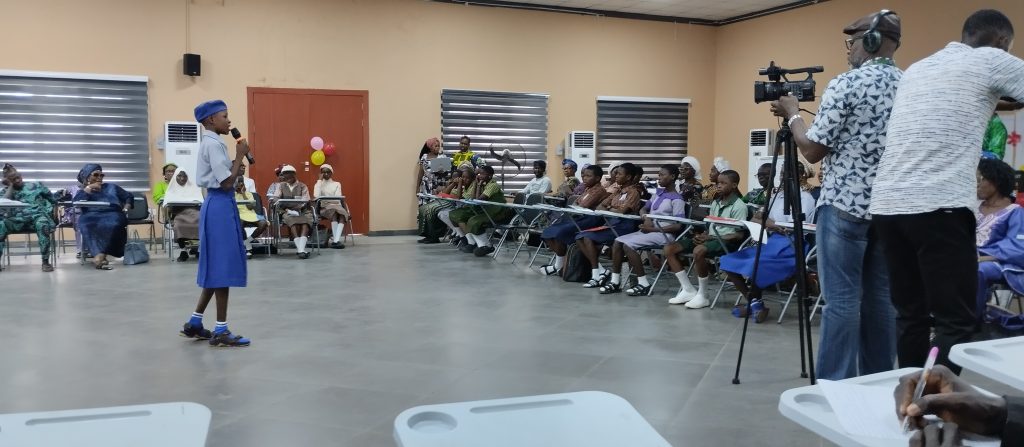
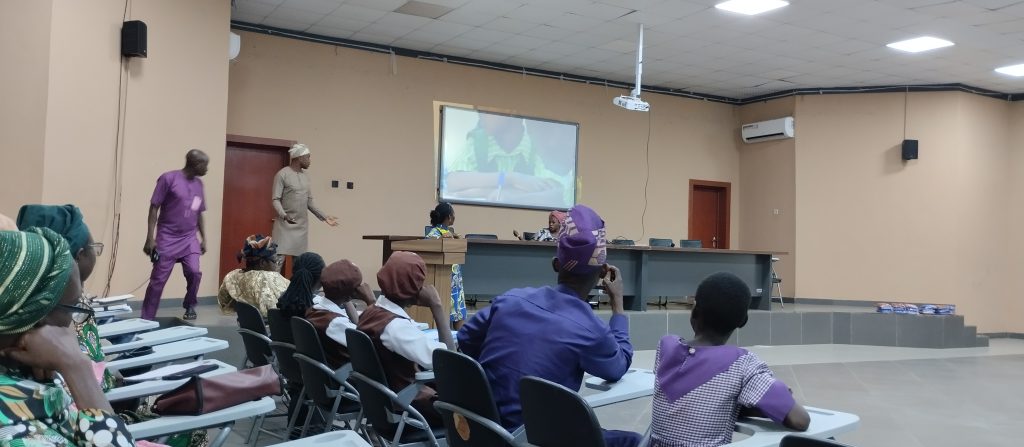
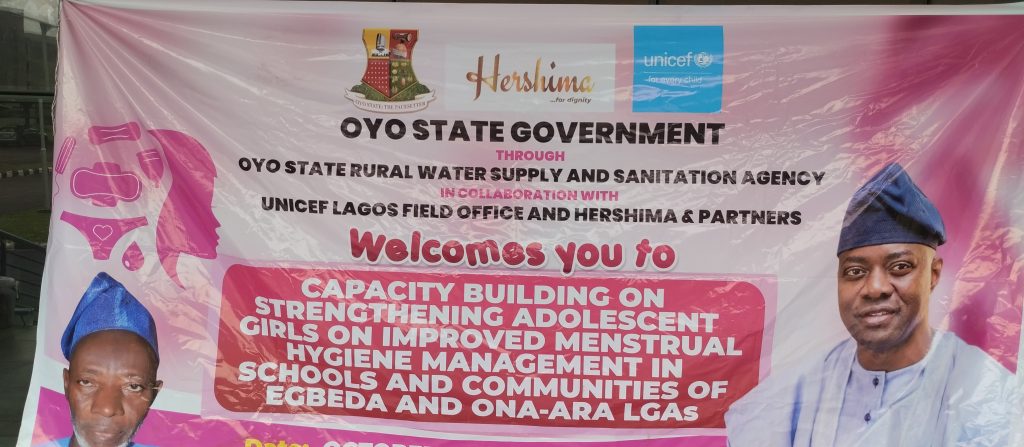
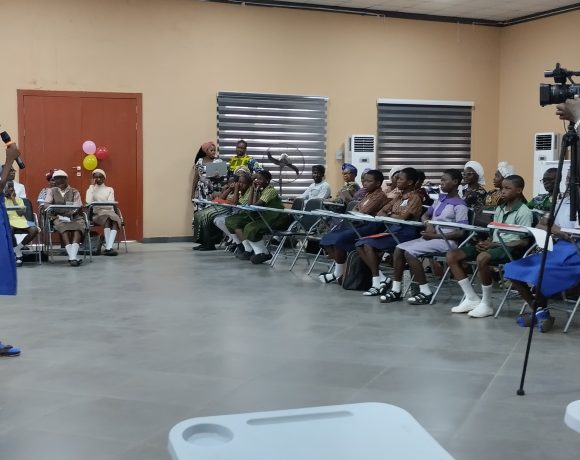
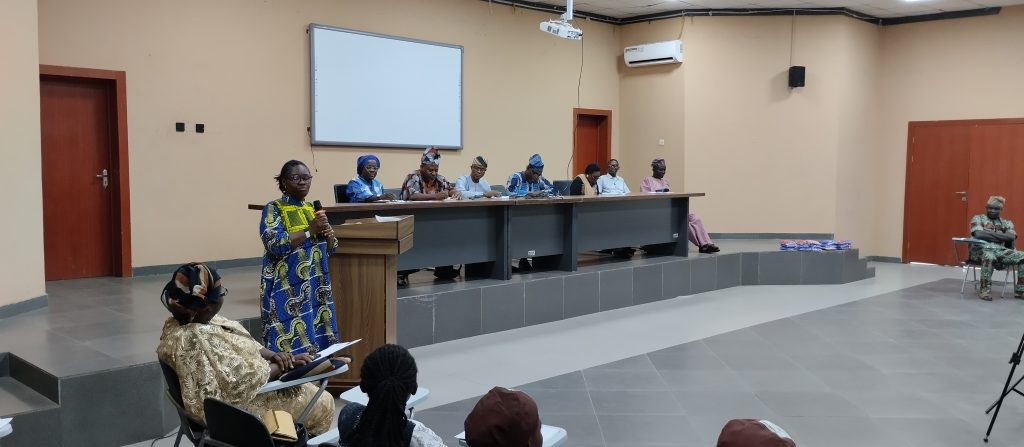
In a bid to promote health, dignity, and confidence among adolescent girls, the Oyo State Government has embarked on a capacity-building programme aimed at improving menstrual hygiene management in schools and communities across Egbeda and Ona-Ara Local Government Areas.

The initiative, implemented through the Oyo State Rural Water Supply and Sanitation Agency (OYORUWASSA) in collaboration with UNICEF Lagos Field Office and Hershima & Partners, forms part of the broader Water, Sanitation and Hygiene (WASH) campaign targeted at young girls and adolescents.

Speaking at the training held at the Local Government Staff Training School, Secretariat, Ibadan, the General Manager of OYORUWASSA, Mr. Adeduntan Mumini, said the exercise is designed to educate girls on managing their menstrual and general health responsibly.

He appreciated UNICEF for its continued funding and technical support to the state government in various developmental areas, noting that the training also engages parents, community, and faith leaders to ensure sustainable impact.

The Lead Facilitator of the training and Chief Executive Officer of Hershima & Partners, Mrs Ada Oko-Williams, described the programme as a success, commending the discipline and focus displayed by the pupils as well as the cooperation of stakeholders, teachers, and principals.

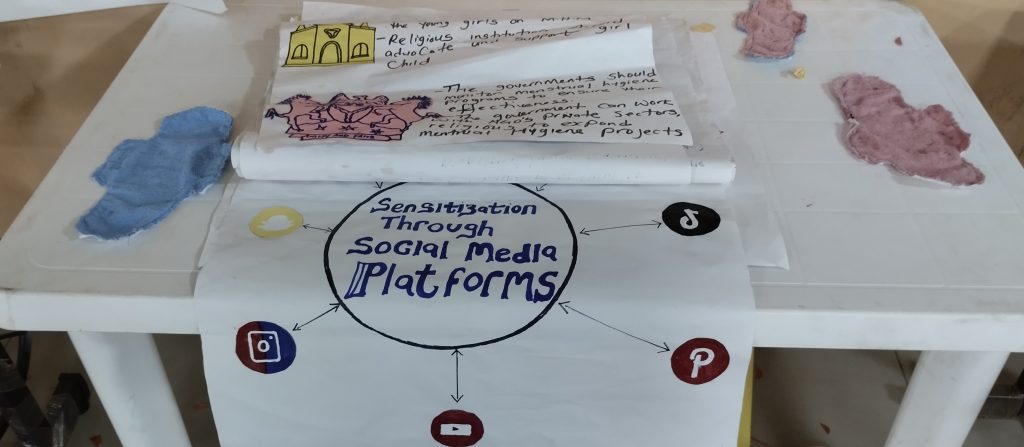
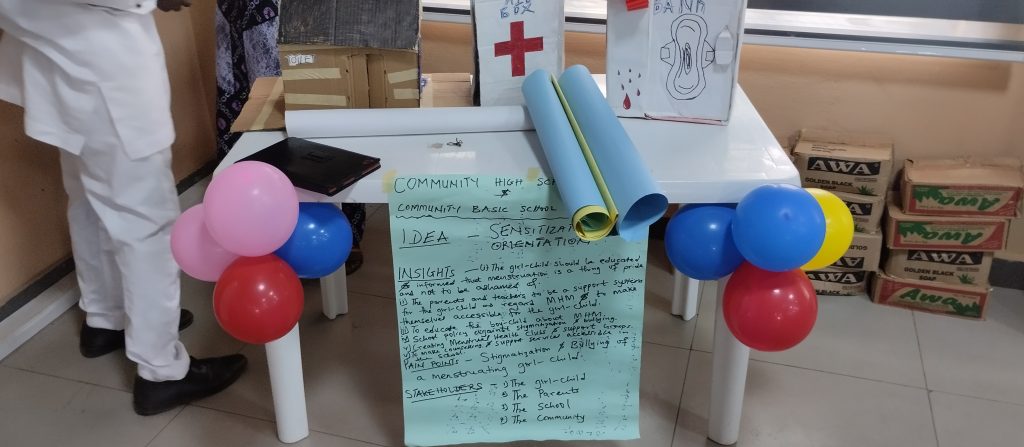
She expressed delight at how quickly the participants embraced the Human-Centred Design Approach, applying it to develop innovative ideas, solutions, and physical products that address challenges in menstrual hygiene management.

Two participating teachers, Mr. Julius Adejumo of Community High School 2, Elekuro, and Mrs. Oluwabunmi Afolabi of Community High School, Sawia, Olorunsogo, said the training has equipped them to better address stigmatization and dispel myths surrounding menstruation.

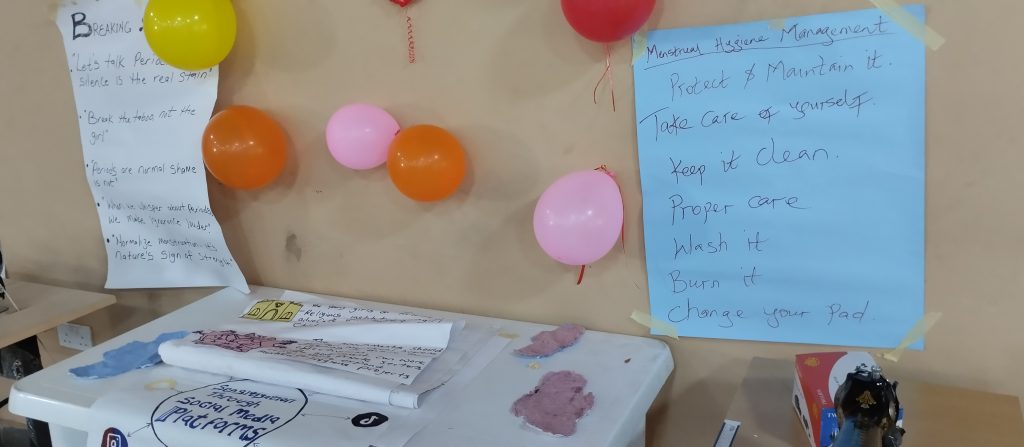
Also sharing their experiences, Opemiposi Abiola and Taiwo Adeleke, both students from participating schools, said they learnt practical ways to maintain menstrual hygiene, produce reusable sanitary pads, and mentor other girls on proper hygiene practices.

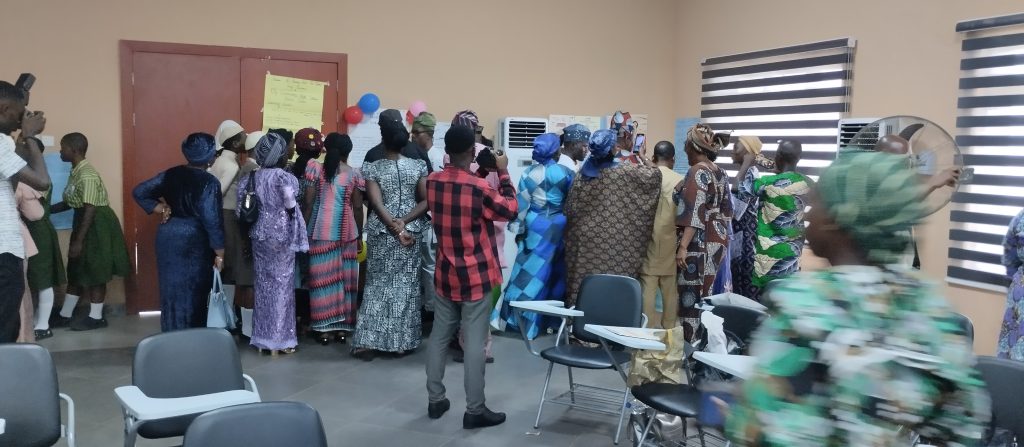
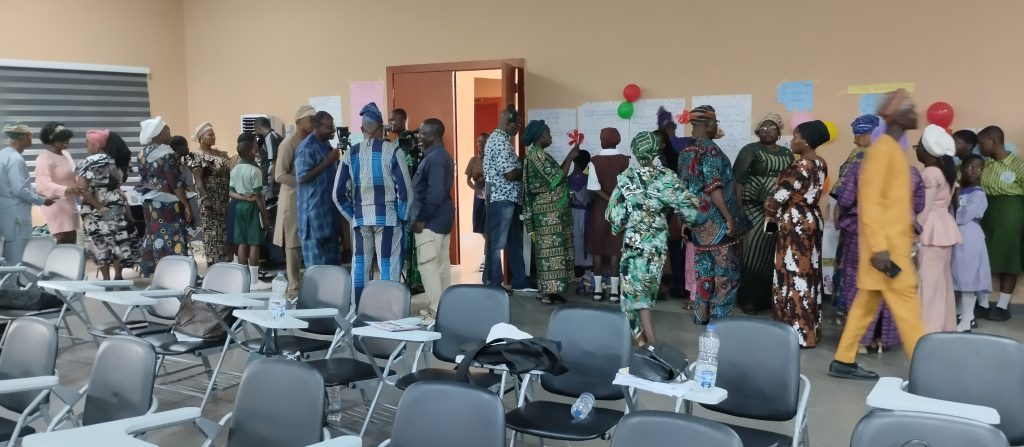
Highlight of the event was the display and demonstration of the innovative ideas, physical products, and solutions developed by the participating students and schools—showcasing their creativity and understanding of menstrual health challenges.

Our correspondent reports that the training underscores Oyo State’s commitment to advancing girls’ education and well-being through inclusive WASH initiatives supported by UNICEF and other development partners.

Follow us on Telegram and YouTube, and join our WhatsApp Update Group for more news updates.
Education

By Bukola Bardi

The Federal Government has reaffirmed its commitment to repositioning secondary education through massive infrastructural development aimed at improving teaching and learning across schools.

The Executive Secretary of the National Senior Secondary Education Commission, NSSEC, Dr Iyela Ajayi, stated this in Akure, Ondo State, during an inspection of ongoing Federal Government projects executed through the commission.

The projects under construction at Oyemekun Grammar School, Akure, one of the oldest schools in Ondo State, include a block of 12 classrooms with modern staff rooms, a 500-seater ultramodern hall, and an e-library.

Dr. Ajayi explained that similar projects were underway in five other states as part of the Federal Government’s commitment to developing the nation’s education sector.

He expressed satisfaction with the quality and pace of work and commended the school’s management for closely monitoring the projects to ensure they met specifications.

“The contractor is doing well; he has made tremendous progress. We are happy with the quality and level of work done so far,” Dr. Ajayi said. “The administration of President Bola Ahmed Tinubu is committed to repositioning senior secondary education, especially through infrastructural development.”

The Principal of Oyemekun Grammar School, Mr. Adeniyi Oluyide, thanked the Federal Government for selecting the school for the projects, noting that the facilities would significantly enhance education in Ondo State.

Earlier, Dr. Ajayi paid a courtesy visit to the Ondo State Commissioner for Education, Professor Igbekele Ajibefun, where he announced plans to open NSSEC’s zonal office in the state.

He also commended the creation of the Ondo State Senior Secondary Education Board.

“Honourable Commissioner, we are confident that the establishment of the Ondo State Senior Secondary Education Board will further strengthen collaboration with the National Senior Secondary Education Commission,” Dr. Ajayi said. “This partnership will accelerate the transformation of senior secondary education across Ondo State, ensuring our youths acquire the knowledge, skills, and character needed to thrive in the 21st century and contribute meaningfully to national development.”

In his response, Professor Ajibefun reiterated the state’s passion for education and readiness to partner with the commission.

“We are happy at the rate NSSEC is moving, and we pledge our total support so that Ondo State can also move at that pace,” he said. “This way, the quality of education in the country will continue to rise.”

The National Senior Secondary Education Commission was established by the Federal Government to, among other mandates, enforce minimum standards for senior secondary schools across Nigeria.

Subscribe to our Telegram and YouTube Channels, and also join our WhatsApp Update Group.

Education

The Minister of State for Health, Dr. Iziaq Salako, has appealed to the striking doctors to suspend the strike, stating that the Federal Government has met most of their demands.

Speaking at a news conference in Abuja, the Minister said the Federal Government has cleared about 60 per cent of the backlog of arrears owed to health workers.

However, the President of the Nigerian Association of Resident Doctors, Dr. Mohammed Suleiman, emphasized the need for further dialogue to holistically address all outstanding issues.

The Nigerian Association of Resident Doctors (NARD) has stated that its nationwide “total, comprehensive, and indefinite” strike, which began on Saturday, will continue until the Federal Government fully meets its demands.

NARD listed several unresolved demands, including unpaid arrears, allowances, and entitlements such as the 25/35 percent CONMESS review, promotion arrears, upgrade arrears, and accoutrement allowance, some of which have been pending for over five years.

The association described these demands as the minimum necessary to sustain the nation’s healthcare system and uphold the dignity of medical practice.

Hours after NARD announced its indefinite strike, the Federal Government stated that it would release ₦11.99 billion within 72 hours to settle part of the salary and allowance arrears owed to medical professionals across the country.

Channels/Adebukola Aluko

Education

By Usman Sani (Kaduna)

The Air Force Institute of Technology, AFIT, has held its eighth joint matriculation ceremony for the 2025/2026 academic session, formally admitting 1,204 new diploma and degree students.

The Director-General of the Air Force Research and Development Institute in Osogbo, Air Vice Marshal Adebayo Kehinde, addressed the students as the event’s Guest of Honour.

AVM Kehinde stated that AFIT occupies a special place in Nigeria’s defence and educational architecture, serving as the intellectual and technological engine room for the Nigerian Air Force.

“AFIT has evolved, over the years, into a centre of excellence in aerospace engineering, avionics, aircraft maintenance, materials science, cyber technology and allied disciplines,” he said.

He described the institute as a strategic asset that sustains the NAF’s operational effectiveness and contributes to national technological self-reliance.

AVM Kehinde charged the students to approach their studies with seriousness and enthusiasm, reminding them, “You are being trained to contribute to the safety, security and prosperity of Nigeria.”

The Commandant of AFIT, Air Vice Marshal Sani Rabe, delivered a welcome address through his deputy, AVM Albert Bot.

He charged the students to be of good conduct and refrain from any acts that could bring disrepute to the institute or their families.

The Commandant disclosed that AFIT, in collaboration with the EFCC, maintains a robust monitoring mechanism to deter and detect cybercrime.

The Provost of the institute, Professor Auwal Kasim, explained that AFIT’s academic programs are tailored to prepare students for contemporary challenges.

He urged them to align with the NAF’s core values: “integrity first, service before self and excellence in all they do.”

Professor Kasim added that the ceremony underscored the institute’s commitment to sustaining synergy between military training and academic excellence.

AFIT is a hybrid institution regulated by the National Universities Commission, NUC, the National Board for Technical Education (NBTE), the Nigerian Air Force, and the Nigeria Civil Aviation Authority, NCAA.

Subscribe to our Telegram and YouTube Channels, and also join our WhatsApp Update Group.

Education

The Academic Staff Union of Universities, ASUU, has announced the suspension of its ongoing two-week warning strike.

The National President of ASUU, Prof. Chris Piwuna, made this known in a press briefing held in Abuja on Wednesday.

According to report, Prof. Piwuna said, the decision stemmed from the meeting of the National Executive Council meeting which was held overnight and ended by 4:00 am on Wednesday.

He noted that, the union decided to embark on the strike due to the failure of the government to meet its demands on time.

“We’ve had useful engagements with representatives of the government to consider the response to the draft renegotiation of the 2009 agreements. However, we are definitely not where we were prior to the commencement of the strike.

“The union acknowledged that the government returned to the negotiation table. While noting that a lot more work is still required, NEC came to the conclusion that the ongoing strike should be reviewed. The decision to review the strike action was a result of efforts by our students, parents, and the Nigeria Labour Congress.

“Consequently, NEC resolved to suspend the warning strike to reciprocate the efforts of well-meaning Nigerians.”

Recall that ASUU declared a total and comprehensive warning strike starting from Monday, October 13.

ASUU is currently demanding the conclusion of the renegotiated 2009 FGN-ASUU agreement, the release of the withheld three and a half months’ salaries, sustainable funding of public universities, revitalization of public universities, and cessation of the victimisation of lecturers in LASU, Prince Abubakar Audu University, and FUTO.

Others included; payment of outstanding 25-35% salary arrears, payment of promotion arrears for over four years and release of withheld third-party deductions (cooperative contributions, union check-off dues).

PUNCH/Taiwo Akinola

Education

The Nigeria Labour Congress, NLC, and its affiliate unions in the education sector have issued a four-week ultimatum to the federal government to resolve all lingering issues affecting the sector, warning that failure to do so would trigger a nationwide workers’ action.

The NLC and the unions also declared a “no pay, no work” stance in response to the Federal Government’s “no work, no pay” policy following the ongoing two-week warning strike by the Academic Staff Union of Universities, ASUU.

Speaking after a joint meeting in Abuja on Monday, NLC President, Joe Ajaero, said the unions had resolved to act as a united front to end the government’s persistent breach of agreements and neglect of the education sector.

Mr Ajaero said the unions involved include the Academic Staff Union of Universities, ASUU, Senior Staff Association of Nigerian Universities, SSANU, Non-Academic Staff Union of Educational and Associated Institutions, NASU, National Association of Academic Technologists , NAAT, Academic Staff Union of Polytechnics, ASUP, Senior Staff Association of Nigerian Polytechnics, SSANIP, Academic Staff Union of Research Institutions, ASURI, and the College of Education Staff Union, COESU, among others.

 “The NLC, after extensive deliberation with the unions in the tertiary institutions on finding solutions to the perennial problems in that sector, has resolved to work with the unions to find a lasting solution to the issues they have been facing all these years,” Ajaero said.

He noted that, the unions agreed to establish a framework for engagement on the implementation of existing agreements, sustainable funding of education in line with UNESCO’s 25–26% budgetary recommendation, and the review of wage structures and allowances for academic and non-academic staff.
“We discovered that those government officials sent to meetings often go there without mandates.

Henceforth, no trade union, whether in tertiary institutions or elsewhere, will go into any meeting with government representatives who lack authority to make binding commitments. You go and finish a negotiation, sign an agreement, and then go back to renege — never again,” he declared.

The NLC President explained that a coordinated team would be established to launch a national campaign for education reform and accountability, saying “We have decided to give the Federal Government four weeks to conclude all negotiations in this sector. They have started talks with ASUU, but the problem goes beyond one union. All other unions are equally involved.

“If after four weeks this negotiation is not concluded, the organs of the NLC will meet and take a nationwide action involving all workers and all unions in the country so that we get to the root of this crisis.”

Rejecting the government’s “no work, no pay” policy, Ajaero maintained that the unions would respond in kind.

“The so-called policy of no work, no pay should henceforth be no pay, no work. You can’t benefit from an action you instigated. We discovered that 90% of strikes in this country are caused by failure to obey agreements,” he said.

“You can’t refuse to honour agreements and then punish the other party. It’s a matter of cause and effect — those who cause the problem should bear the consequences. You can’t beat the child and ask the child not to cry.”

With this declaration, Nigeria’s labour movement appears poised for a major showdown with the federal government unless concrete action is taken to address the lingering crisis in the nation’s education sector.

Vanguard/Taiwo Akinola

Subscribe to our Telegram and YouTube Channels, and also join our WhatsApp Update Group.

Education

By Rotimi Famakin

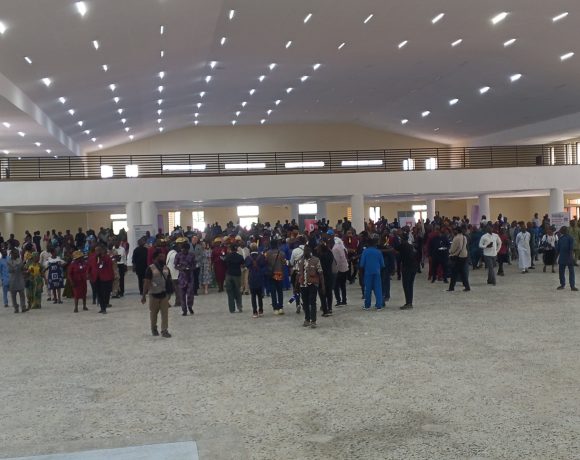
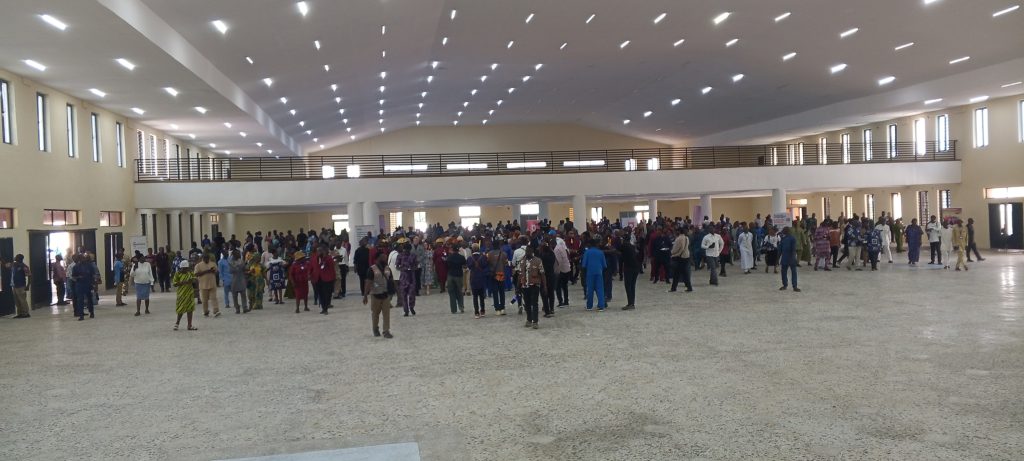
McPherson University in Seriki Sotayo, Ogun State, has inaugurated a 5,000-seat multipurpose hall donated by founder of the technology firm, Information Software Products Limited, Dr. John Obaro.

President of the Foursquare Gospel Church in Nigeria, FGCN, (the body that established the university), Reverend Randy Remington, commissioned the hall on the school’s campus situated at Kilometre 75, Lagos-Ibadan Expressway.

Reverend Remington described the facility as an investment that would positively impact generations and commended Mr Obaro for his contribution.

General Overseer of the Foursquare Gospel Church in Nigeria, Reverend Sam Aboyeji, expressed his appreciation for the donor’s timely intervention.

Reverend Aboyeji noted that inaugurating completed landmark projects was a key part of his mandate.

The Pro-Chancellor of the university, Dr. Babatunde Idowu, described the hall as “marvelous” and praised Dr. Obaro as a man “who thought beyond himself.”

Dr. Idowu also indicated that more similar infrastructure projects are slated for inauguration at the school.

The donor, Dr. John Obaro, explained that he dedicated the multipurpose hall to his parents, Stephen and Hannah Obaro.

He credited their commitment to educating their six children as the force that transformed his life.

In his welcome address, the Vice-Chancellor, Professor Francis Igbasan, commended Dr. Obaro’s gesture.

He stated that the hall would serve as a venue for intellectual engagement, talent nurturing, spiritual rebirth, and other events, providing a conducive environment for students to thrive.

Professor Igbasan detailed that the facility is designed to host conferences, lectures, performances, matriculation, and graduation ceremonies.

He also noted that five other projects at the university still require financial support from the public.

The event concluded with prayers for the new building and special songs rendered for the institution.

Edited By Maxwell Oyekunle

Subscribe to our Telegram and YouTube Channels, and also join our WhatsApp Update Group.

Education

By Titilayo Kupoliyi

Addressing gender inequality in the education sector requires collective effort.
This was the submission of stakeholders at the Oyo School Girls General Assembly, OYSGA, organised by a non governmental organisation, Mentor
ing Assistance for Youth and Entrepreneurs Initiative, MAYEIN, in commemoration of the international girl child day.
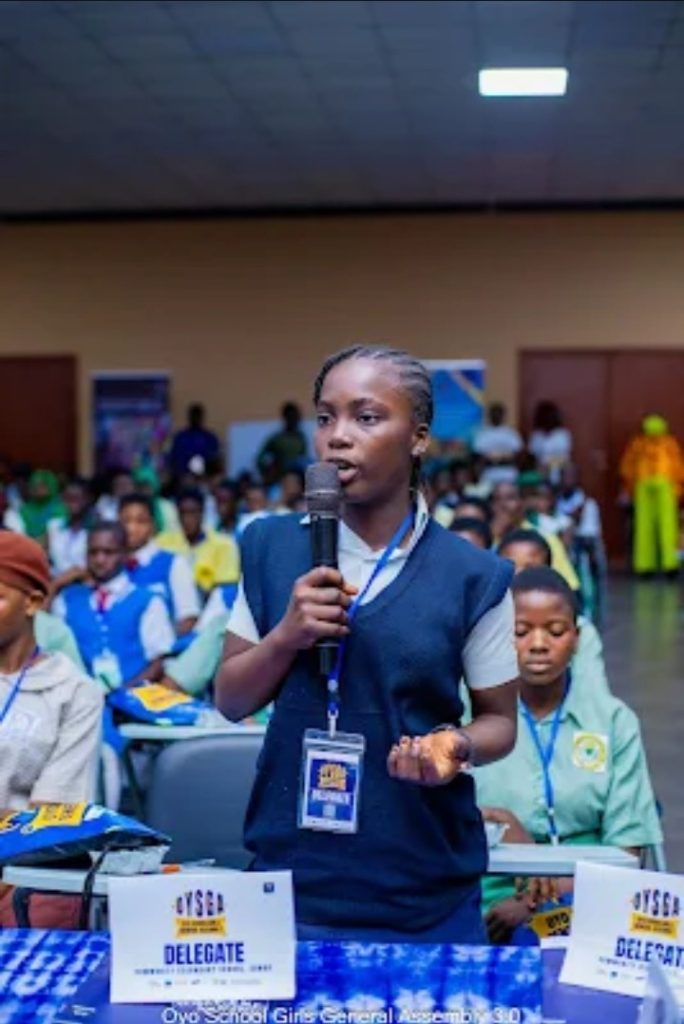
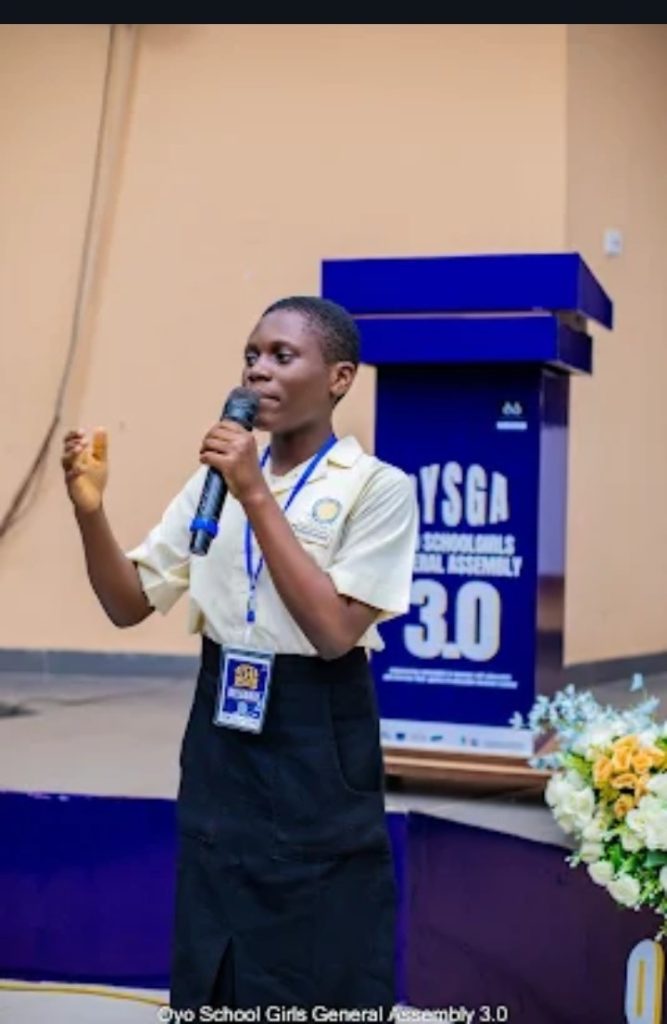
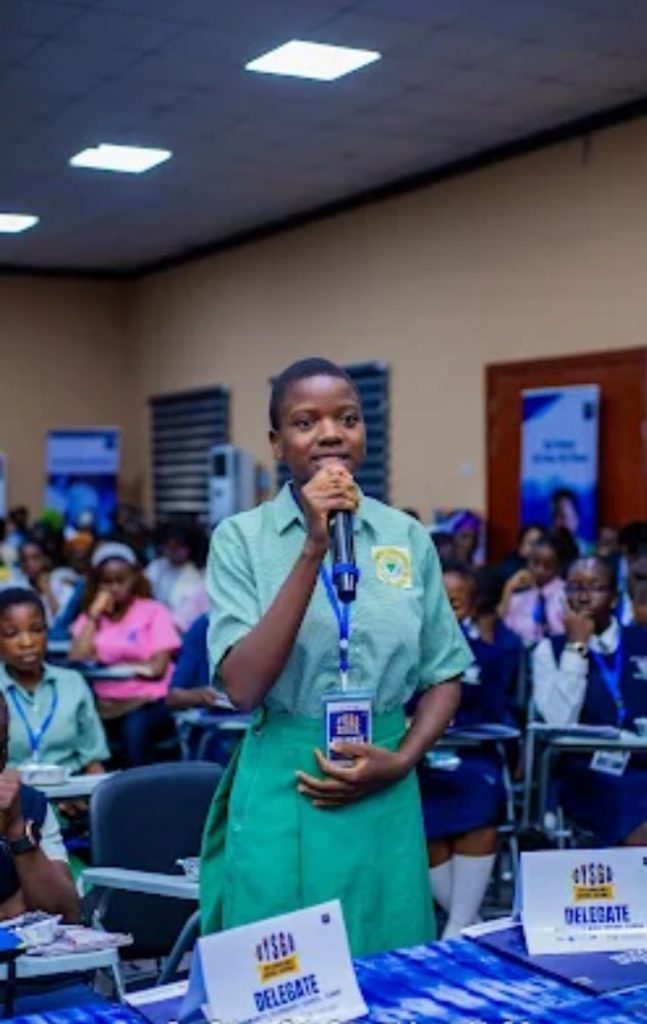
It was the gathering of students, policy makers and other key stakeholders on promoting girl child education.
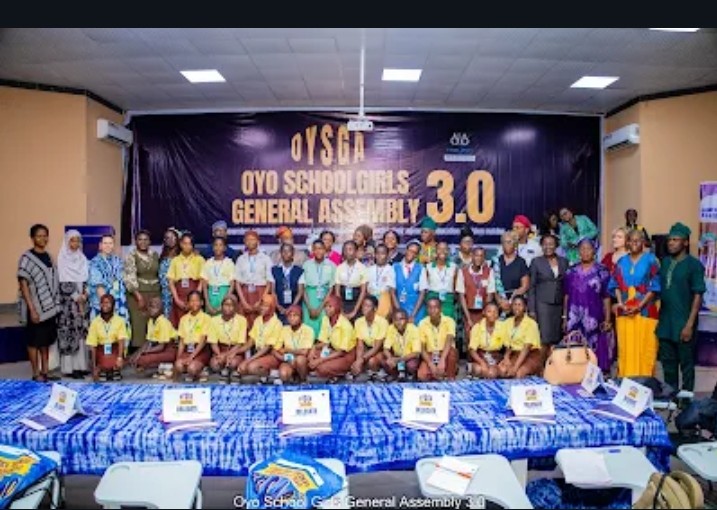
The programme had representatives from Ten Public Secondary Schools as participants and Six from Private Secondary Schools as observers, all from Oyo State.


Participating schools were Samuel Adegbite, Community High School Ajara, St. Louis, Poly High School, Humani Alaga, Oba Akinbiyi, Community Secondary School, Ojoo High School, Mount Olivet and Bishop Onabanjo.
While Ibadan International School, Ijokodo High school Abiodun Metropolitan, Valencia college and The Vale College were observers.

OYSGA which was in two parts, had an approach of in-depth capacity building for 100 schoolgirls, followed by a General Assembly where 10 schoolgirls delegates chronicled challenges faced in their schools.

Some of challenges highlighted included inadequate toilet facilities, non functioning library, non-availability of computer systems, non availability of qualified counsellors and lack of extra curricular activities amongst others.

Three of the students who spoke with Radio Nigeria said the programme was educative and appreciated the organizers.


Commenting, The Executive Director of the organisation, Mrs Ewa Orowale noted that the event also served as the closing session of the school project tagged “Girls in Education Dialogues”.
“It is a project for school girls to know their rights and exercise their agency in education decision making which ensures inclusive and qualitative education for all”.


Policy makers in attendance included Two House of Assembly members representing Ibadan North I and Ibadan North East, Ministry of Education and Women Affairs officials, lawmakers, community leaders and religious leaders, parents, teachers and other key stakeholders in education to discuss the needs and challenges of schoolgirls in the state. 
Resolutions drawn from the Assembly were presented as a policy document to the Oyo State Government and other stakeholders to enable them to address the issues raised by the schoolgirls.


The keynote address was delivered by Professor Omolara Campbell, the Deputy Vice Chancellor of Leadcity University while the Presiding Chairperson of the General Assembly was Olori Adelayo Oriekun, a seasoned lawyer and the Alternate Chairperson of the NBA Women’s Forum, who represented the Nigeria Bar Association, Oyo State Chapter.
To open the Plenary session, a formal address was delivered by Justice Adenike Adeeyo, Head of Oyo State Family Court representing the Chief Justice of Oyo State.

MAYEIN launched its Girls in Education Dialogues project in 2022 after a noticeable gap in access and inclusion in education policies in Oyo State. 
The organization urged the state government, community leaders, parents and other NGOs to adopt a joint stakeholder approach in lending their voices to girls education and development.
The theme for 2025 International Day of the girl child is ‘The Girl I am, The Change I Lead, Girls on the frontlines of crisis”.

Highlights of the event was presentation of certificate to participants, schools and group photographs.

Subscribe to our Telegram and YouTube Channels, and also join our WhatsApp Update Group.

Education

By Oluwatoyin Adegoke

Former President Olusegun Obasanjo opened a new youth centre in Ijebu-Ode, Ogun State.

Chief Obasanjo said he is worried about the number of idle young people on the streets and wants to engage them meaningfully.

The new facility is called the Obanta Centre, is part of the Olusegun Obasanjo Youth Development Centre.

It includes a cinema, a squash court, a lawn tennis court, and an entrepreneurial center.

Chief Obasanjo stated that youth development is central to Nigeria’s progress.

He has built similar centres in Abeokuta, and he noted that the idea is to combine work, recreation, and social interaction for young people.

The Director of the OOPL Youth Centre, Mrs Bisi Kolapo, listed other features of the Obanta Youth Centre to include a football pitch, a swimming pool, a gym, cinema halls, and an event hall.

She added that the centre will provide entrepreneurship training and startup support, as this will help young people build businesses and create jobs.

Chairman of the occasion and Ogbeni Oja of Ijebuland, Chief Sunny Kuku, commended Chief Obasanjo.

Chief Kuku praised the project for combining health, education, and social welfare.

Subscribe to our Telegram and YouTube Channels, and also join our WhatsApp Update Group.

Education

By Olaolu Fawole

As the world marks World Teachers’ Day 2025, educators and stakeholders across the globe are reflecting on the theme, “Recasting Teaching as a Collaborative Profession.”

It is a call to action, urging societies to view education not as the sole responsibility of teachers, but as a shared mission among parents, governments, and communities.

Since its proclamation by UNESCO in 1994, World Teachers’ Day has remained a platform to honour educators and spotlight the conditions that shape teaching and learning.

This year’s theme strikes a particularly powerful chord, emphasizing that no teacher can succeed in isolation.

In Nigeria, where the education system faces deep-rooted challenges, from underfunding and infrastructural decay to poor welfare and insecurity in schools, the idea of collaboration becomes even more urgent.

Teachers continue to bear the brunt of systemic neglect, yet they remain the backbone of human development.

The President of the Academic Staff Union of Secondary Schools (ASUSS), Mr. Sola Adigun, recently echoed this sentiment, noting that teaching “has never been a job for lone rangers.”

He stressed that the progress of any child depends not just on the teacher’s effort but on parents, policymakers, and communities working together to support learning.

This call aligns with UNESCO’s reminder that collaboration empowers teachers, improves classroom outcomes, and strengthens public trust in education systems.

When teachers are heard and supported, not just supervised, their creativity and commitment multiply.

Experts believe that recasting teaching as a collaborative profession means giving educators a stronger voice in decision-making, integrating technology responsibly, and building partnerships that bridge the gap between policy and practice.

It also involves cultivating mutual respect among all education actors, recognizing that the success of one stakeholder depends on the involvement of others.

Governments at all levels must back their words with action; better funding, improved working conditions, teacher training, and genuine collaboration with unions and civil society.

For the millions of teachers shaping the minds and destinies of future generations, this year’s message is both an encouragement and a challenge.

The classroom is no longer confined by four walls, and the future of learning depends on the collective strength of all who believe in education.

Subscribe to our Telegram and YouTube Channels, and also join our WhatsApp Update Group

Education

By Rotimi Famakin

The need for citizens and key stakeholders in every sector of Nigeria to live up to their responsibilities in order to make Nigeria a great nation formed the focus of the 595th Inaugural Lecture of the University of Ibadan.

The lecture which was delivered by a Professor of Public and Development Administration and Civil-Military Relations, Faculty of Social Sciences, University of Ibadan, Dhikrullai Yagboyaju, x-rayed the corruption that has characterized past political dispensations and its effects on the country.

The lecture entitled “Big for Nothing: Nigeria’s Struggle with Paradox,” highlighted the early business sojourn of the lecturer, his academic encounter which wittnessed negative portrayal, disobedience to rules and corruption that manifested in all sector of the country.

Professor Yagboyaju, who explained that despite various seminars and conference attended within and outside Nigeria with themes targeting corruption and Nigeria, noted that the country has not attained it enviable status as a rich nation as it is being perceived despite the rich mineral resources at its disposal.

“Nigeria is the biggest trading nation the USA has in Africa. It is the fifth largest supplier of crude oil to the USA market. Yet it is in the same Nigeria that observers are confronted by the paradox of oil refineries that are coming back to life slowly after more than three decades on sick bed.”

“Also, there is a recently licenced privately owned refinery to support; rail, air and sea services that have performed abysmally for decades as well as roads, electricity and other physical infrastructure in sorry conditions; weak institutions, and for being one of the prominent world’s poorest countries, parading poor statistics as to the population of those who can access basic education, primary health services and other basic good things of life especially among ordinary citizens.”

He argued that while Nigeria as a nation was not the actual cause of its problems, leaders, followers, civil servants, security agencies and families were responsible for the current state of the country.

Professor Yagboyaju, who explained that the nation had been overwhelmed by numerous challenges leading to underperformance, noted that the electoral fraud and corruption that characterized the annulment of the June 12, 1993 election, and lack of good governance had caused widespread decay in the nation’s infrastructure. He added that various institutions and families have vital roles to play in projecting Nigeria positively to the global community rather than portraying it in bad light.

While recommending equality of all before the law, purposeful leadership, adherence to regulations, and restoration of the value system, Professor Yagboyaju maintained that Nigeria could move from being a “big-for-nothing nation” to a “big-for-something nation.”

“An effective policing system, again from the family and community levels, must be formed up. There is hardly a truer or more accurate illustration than the Yoruba aphorism, Ile l’a ti nk’eso r’ode.

“There is hardly any country that has come out of its period of mess without adequate policing. China, Iran and Singapore among others, were in mess at different points in the not too long history of humanity.”

“The time for decisive and diligent action is now. There is no room for delay in realising the promise of a Nigeria that is not just “big” but one that is BIG for SOMETHING productive.”

Emeritus Professors Rasheed Aderinoye of Adult Education, Literacy and Open Distance Learning, Kamil Olosho of Arabic and Islamic Studies and the Orangun of Oke Ila, Oba Adedokun Abolarinwa described the lecture as timely and an eye opener.

They called on all and sundry to work towards restoring the glory of Nigeria.

Education

By Funmi Ojo

The Academic Staff Union of Secondary Schools, ASUSS, says collaboration among teachers, governments, parents, and communities is the only way to save Nigeria’s ailing education sector.

Speaking ahead of the 2025 World Teachers’ Day, the National President of ASUSS, Mr. Sola Adigun, said the theme of this year’s celebration, “Recasting Teaching as a Collaborative Profession,” underscores the urgent need for unity in tackling the nation’s education challenges.

He said teaching has never been a job for lone rangers, noting that the progress of a child is determined not by the teacher alone, but also by parents, policymakers, communities, and government.

“True collaboration gives teachers a voice in shaping the future of education.”

Mr. Adigun commended the Federal Ministry of Education for including ASUSS representatives in the expanded Governing Council of the Teachers Registration Council of Nigeria, TRCN, and praised the tuition-free Technical and Vocational Education and Training, TVET, programme as a model of effective partnership between policy and practice.

He also recognised states like Ekiti and Bayelsa for pioneering tuition-free technical education, while applauding governments that respect teachers’ right to associate with ASUSS.

The ASUSS President, however, decried the failure of 16 states to implement the Harmonised Retirement Age for Teachers in Nigeria Act, 2022, despite court rulings, warning that such neglect undermines collaboration.

He further criticised the hurried implementation of the new 9-year Basic Education Curriculum without adequate teacher training or resources.

Other pressing challenges, according to him, include examination malpractice, poor welfare, decaying infrastructure, and insecurity in schools, problems that cannot be solved in silos.

Mr. Adigun called on states yet to establish Senior Secondary Education Boards to do so urgently, recruit more qualified teachers, and ensure teachers’ welfare is protected. He also renewed the demand for ASUSS’s trade union certificate, approved 17 years ago but still withheld.

He pledged that ASUSS would continue to support the TRCN registration policy, noting that professional certification enhances dignity and competence.

World Teachers’ Day is celebrated globally on October 5 to honour educators and spotlight the challenges facing the profession.

Subscribe to our Telegram and YouTube Channels, and also join our WhatsApp Update Group

Education

By Mosope Kehinde

The Oyo State House of Assembly has appealed to the state Governor, Engr. Seyi Makinde to release ₦500 million to the Abiola Ajimobi Technical University, as promised in 2024.

‎The House also urged the governor to include the university in the payment of monthly subvention from January 2026 to sustain its operations.

‎The appeals were contained in a motion moved by lawmaker representing Ibadan South West state constituency 2, Mr. Oluwafemi Fowokanmi.

‎According to the lawmaker, who is the Chairman, House Committee on Tertiary Education, the Abiola Ajimobi Technical University is grappling with inadequate funding to cater for essential infrastructure, staff welfare and to sustain its academic operations.

‎He noted that the institution chiefly rely on Special Local Government Scholarship Scheme, its internally generated revenue and grants from Tertiary Education Trust Fund, TETFUND.

‎Also speaking on the motion, the lawmaker representing Egbeda state constituency and Chairman, House Committee on Budget and Economic Planning, Mr. Sunkanmi Babalola, appreciated the efforts of the present administration on the university in terms of road network, perimeter fence and street lights, which he said have contributed to its physical outlook.

‎Passing the resolutions, the Speaker of the Oyo State House of Assembly, Mr. Adebo Ogundoyin, granted the request by the mover of the motion to allow the House Committee on Tertiary Education to meet with the management of the university.

Subscribe to our Telegram and YouTube Channels, and also join our WhatsApp Update Group.

Education

By Oluwatoyin Adegoke

The Ogun State Government has suspended the principals of the junior and senior sections of Ilugun High School, Elega, Abeokuta, following the death of a student.

The Commissioner for Education, Science and Technology, Professor Abayomi Arigbabu, who announced the suspension at a press briefing in Abeokuta, said the measure would remain in force pending the outcome of a full investigation.

He explained that preliminary findings showed that the principal of the junior school, Mrs. Alaba Olukoga, was reportedly involved in illegal fee collection, which reportedly sparked a protest by the students. 

He added that while local security operatives were invited to disperse the protesting students, one of them had attempted to escape by jumping over a fence into a nearby river, where he died.

Professor Arigbabu emphasized that though the senior school principal, Mrs. Temitope Ladipo, was not directly implicated, her suspension was necessary to ensure fairness and transparency in the probe.

The Commissioner expressed the government’s condolences to the bereaved family, describing the loss as painful and irreparable and promised that anyone found culpable would face the full weight of the law.

Professor Arigbabu also appealed to students to remain calm and shun vandalism, warning that damaging school property would only worsen the challenge of inadequate infrastructure.

He reaffirmed the government’s commitment to providing free and qualitative education across the state and pledged that the findings of the investigation would be made public in due course.

Subscribe to our Telegram and YouTube Channels, and also join our WhatsApp Update Group.

Education

By Funmi Ojo

The Osun State Ministry of Education has announced a ban on graduation ceremonies for nursery and kindergarten pupils across public and private schools in the state.

The directive, contained in a circular signed by the Permanent Secretary, Mr. Murtala Jimoh, takes immediate effect.

According to the Ministry, the growing trend of elaborate graduation parties for early learners has raised concerns about excessive financial pressure on parents, loss of instructional time, and the increasing commercialization of early childhood education.

Henceforth, graduation ceremonies will only be allowed for Primary 6 pupils and Senior Secondary School 3 (SSS3) students, marking the conclusion of basic and secondary education cycles.

The statement emphasized that the policy is aimed at prioritizing academic achievements, easing the burden on families, and restoring focus to the core purpose of education.

On textbook usage, the Ministry directed proprietors of both faith-based and private schools to strictly adhere to the state’s approved textbook list, stressing that each set of approved textbooks is to be used for a minimum of three years, enabling students to reuse books across siblings.

“Furthermore, the use of workbooks embedded in textbooks has been outlawed to ensure durability beyond a single academic session.”

The Ministry warned that monitoring teams will conduct spot checks in schools, adding that violators risk fines or suspension of registration.

Education

By Amos Ogunrinde

Ekiti State Government has banned the graduation ceremonies for pupils in kindergarten, nursery, primary and secondary classes in public and private schools across the state.

The ban, which is expected to take effect from 2025/2026 academic session, is contained in a circular issued in Ado Ekiti by the Permanent Secretary Ministry of Education, Mr Mike Omolayo, on-behalf of the commissioner, Dr Bimpe Aderiye.

According to the circular, the new policy became necessary to reduce undue financial pressure on parents and curbing excesses associated with such ceremonies.

The circular further noted that government is still committed to once in six years text books review for Primary Schools, while that of Secondary School level had been changed from once in three years to once in four years.

It adds that parents and guardians are to note that siblings can pass textbooks to their younger ones as long as the textbooks books are in good conditions.

Subscribe to our Telegram and YouTube Channels, and also join our WhatsApp Update Group


Education

By Mojisola Oladele

Osun State University, UNIOSUN, is set to commission seven new signature projects as part of the activities lined up for its 15th convocation ceremony, scheduled for 17th to 24th of September, 2025.

The projects included an iconic senate building, a faculty of computing and information technology building, twin 500-capacity lecture theatres, and additional lecture halls across the Okuku and Ifetedo campuses. 

The Vice-Chancellor, of the Institution, Professor Clement Adebooye announced this to Newsmen in Osogbo.

Professor Adebooye said the projects, funded through the Tertiary Education Trust Fund, TETFund, internally generated revenue, IGR and the support of the Osun State Government reflected the university’s commitment to innovation and academic distinction.

Professor Adebooye says “This year’s convocation is historic, not just because we are graduating another set of brilliant students, but because, it signals the steady transformation of UNIOSUN into a world-class university. These projects represent our resilience, vision, and determination to create an enabling environment for teaching, research, and innovation.”

The Uniosun VC explained that, the convocation would also feature a lecture by TETFund Executive Secretary, Architect Sonny Echono, titled “Digital Transformation in Higher Education: Building Skills in Graduates for Global Competitiveness.

He added that, the institution had successfully completed the 2024/2025 academic session without interruption, processed thousands of results within a month, and maintained its standard of timely graduation for students.

Subscribe to our Telegram and YouTube Channels, and also join our WhatsApp Update Group.

Education

By Funmi Ojo

Osun state government has commenced the distribution of teaching and learning materials to public schools across the state as part of efforts to enhance the quality of education.

The Governor, Senator Ademola Adeleke, represented by the Secretary to the State Government, Alhaji Teslim Igbalaye, flagged off the exercise in Osogbo, assuring that, his administration will continue to prioritize investments in the education sector.

Governor Adeleke highlighted his government’s achievements since assuming office, noting that, counterpart funds owed to the Universal Basic Education Commission, UBEC, from 2019 to 2024 had been cleared.

He noted that, over 400 classrooms had been constructed and refurbished in 139 schools, while more than 12,500 sets of furniture had been supplied to pupils, students, and teachers.

Other interventions, according to him, included the provision of ICT facilities, solar systems, and 1,000 tablets for attendance monitoring, as well as improvements in teachers’ welfare, school sports, agricultural training, and special care for children with disabilities.

Governor Adeleke disclosed that, the 2024 UBEC/SUBEB Action Plan, which is underway, covers the construction of 333 classrooms, boreholes, toilets, ICT facilities, perimeter fencing, and the supply of more teaching equipment, motorcycles, and vehicles for monitoring.

He further announced that, the Alternative School for Girls in Osogbo will resume academic activities on September 22, while the UBEC Model Smart School in the state capital is equally ready to take off, with plans to replicate the model across the state.

While commending the State Universal Basic Education Board, SUBEB, Chairman, Mr Ibukun Fadipe, and his team for their dedication, also appreciating UBEC for its partnership with the state, Governor Adeleke reiterated his administration’s resolve to secure the future of Osun children through sustainable investment in quality education.

Subscribe to our Telegram and YouTube Channels, and also join our WhatsApp Update Group.

Education

By Omolara Adasofunjo

Parents have been urged to prioritize the education of their children by ensuring regular school attendance and providing the resources needed for learning.

Some education advocates made the submission in Abeokuta during a programme put together by a non- governmental organisation, School in the Streets, to commemorate this year’s International Literacy Day..

The event held in collaboration with the Rotaract District 9111 at the Railway Station, Lafenwa, Abeokuta was aimed at empowering street-connected children, through Reading and Spelling Competitions, Games and Literacy programmes as well as Psychosocial Session.

Executive Director of School in the Street, Mr Olakunle Sanni, while speaking on this year’s theme “Promoting Literacy in the Digital Era”, said digital tools could be deployed to reshape the lives of children on the streets.

Mr. Sanni noted that many out-of-school children had been reintegrated into schools through the efforts of his organisation and urged the government, community leaders and other stakeholders to strengthen measures that would guarantee quality and inclusive education for every child

President of Rotaract Club, Abeokuta, Mr. Temitope Owolabi emphasized that every child deserved the chance to read, write, and thrive in a modern world.

Also, a representative of Rotaract District 9111, Mr. Alilu Awesu encouraged children on the streets to seize every opportunity to return to the classroom.

The event featured presentation of prizes to outstanding participants in the bid to encourage the children to take their studies more seriously.

Education

The National Commission for Colleges of Education, NCCE, has uncovered and shut down 22 illegal Colleges of Education.

The discovery was made during a crackdown on illegal colleges of education in the country.

“The NCCE identified and shut down 22 illegal Colleges of Education operating across the country.

“The NCCE conducted personnel audit, financial monitoring in all the 21 federal colleges of education,” the commission said.

President Bola Tinubu had recently urged the National Universities Commission, the National Board for Technical Education and the National Commission for Colleges of Education to weed out illegal higher institutions of learning in the country.

Speaking at the 14th convocation of the National Open University of Nigeria in Abuja, the president ordered the NUC, the NBTE, and other relevant agencies to take decisive action against what he described as “certificate millers” who undermine the credibility of the education sector.

Tinubu, who was represented by the Director of University Education at the Federal Ministry of Education, Rakiya Ilyasu, warned that the integrity of the academic system must not be compromised.

At this juncture, it has become imperative to reiterate that this administration remains committed to strengthening the integration of all agencies involved in the administration of education to enhance efficiency and quality,” the President said.

He added, “The National Youth Service Corps, the Joint Admissions and Matriculation Board, the National Universities Commission, the National Board for Technical Education and the National Commission for Colleges of Education  are working in alignment to improve the quality of education and ensure that cases of forgery and unrecognised institutions both within and outside the country have no place in our education ecosystem.”

Punch/Oluwayemisi Owonikoko

Subscribe to our Telegram and YouTube Channels, and also join our WhatsApp Update Group.

Education

By Blessing Okareh

The University of Ibadan has commenced its Post-Unified Tertiary Matriculation Examination (Post-UTME) screening for candidates seeking admission into its twenty-one faculties for the 2025/2026 academic session.

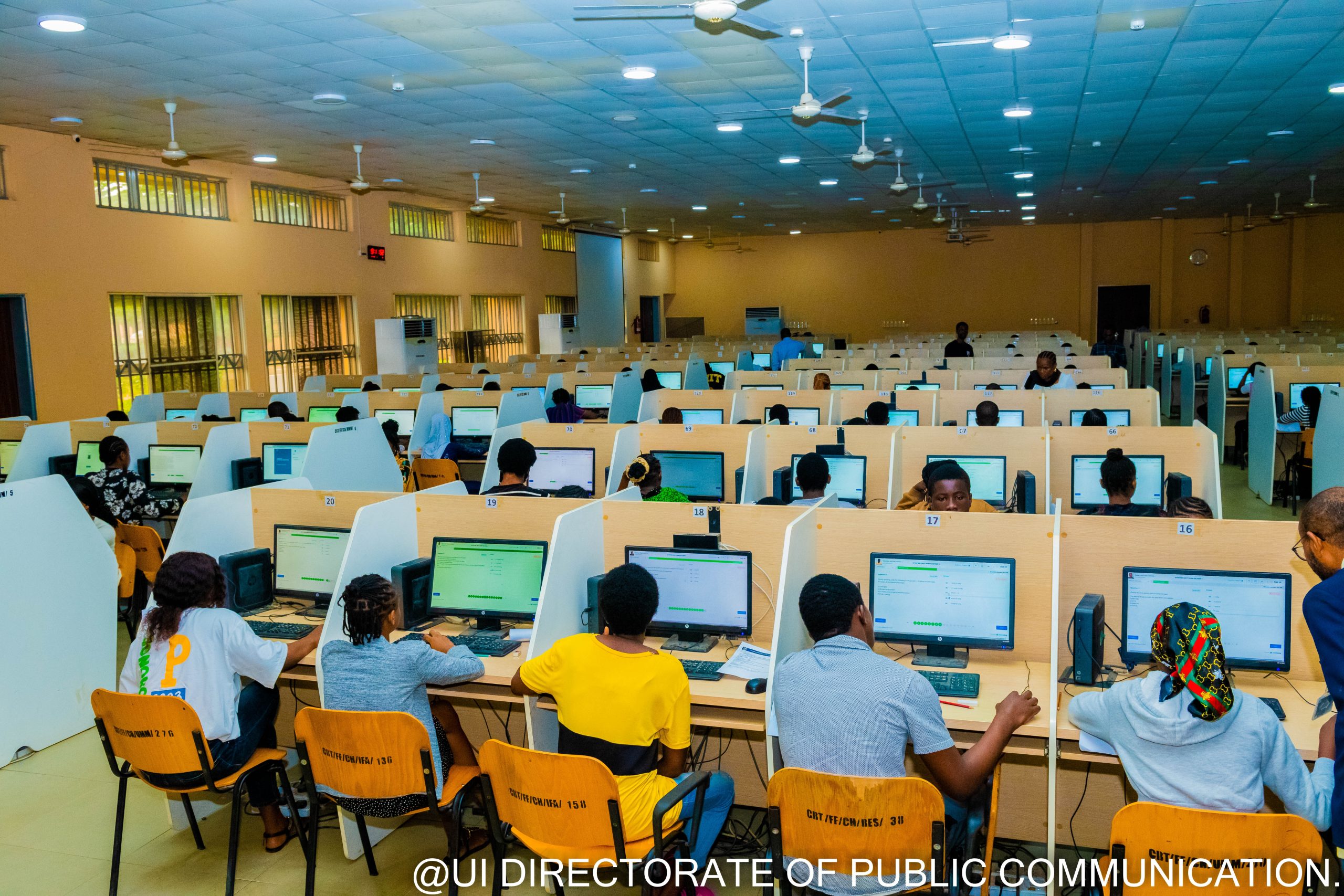
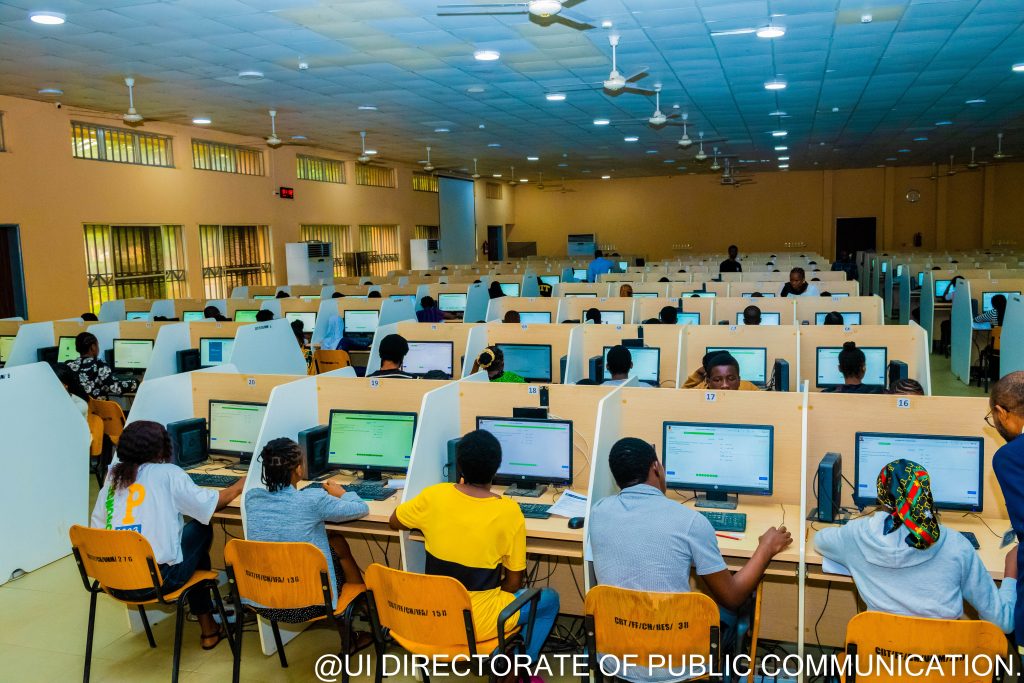
The Computer-Based Test (CBT), which began on Monday, August 25, is being held at the university’s 1,500-capacity Distance Learning Centre CBT facility.

The exercise is scheduled to run for three days, concluding on Wednesday, August 27.

A total of 14,000 registered candidates are expected to participate in the screening, which is being conducted in four batches to ensure smooth operations.

Radio Nigeria correspondent observed that medical personnel from the University Health Services, Jaja Clinic, were on standby to attend to any emergencies during the exercise.

Safety officers were also present to maintain crowd control and ensure the safety of candidates and their parents or guardians, who waited patiently within the CBT centre premises.

The Deputy Vice-Chancellor (Administration), Professor Peter Olapegba, along with other principal officers, teaching, and non-teaching staff, were on-site to monitor the conduct of the screening.

Subscribe to our Telegram and YouTube Channels, and also join our WhatsApp Update Group.

Education

By Olawale Asake

An Entrepreneur, Mrs Romoke Ayinde, popularly known as Kayrom Lee, has called on parents and guardians to immediately commence preparation ahead of their children or wards’ resumption for the new academic session, if they have not begun.

Mrs Ayinde made the call while speaking with Radio Nigeria in Ibadan, on the preparation ahead of the 2025/2026 Session slated to begin in September 2025.

She noted that, it is important for parents to fully equip their children for both mental and physical alertness before their resumption.

The philanthropist noted that the present economic reality in the country tends to make prices of school materials unpredictable towards resumption, urging parents to begin preparation immediately to avoid a last-minute rush.

Mrs Ayinde, who is also the Chief Executive Officer, Kayrom Lee Gym and Fitness Centre, Ibadan and Founder, Imperial Initiative For Human Development, advised parents to prioritize their health and that of their children by visiting professionals for check ups and necessary advice before resumption.

She, however, appealed to the government at all levels to address the current economic challenges in Nigeria, to make life more comfortable for the masses.

Subscribe to our Telegram and YouTube Channels, and also join our WhatsApp Update Group.

Education

By Iyabo Adebisi

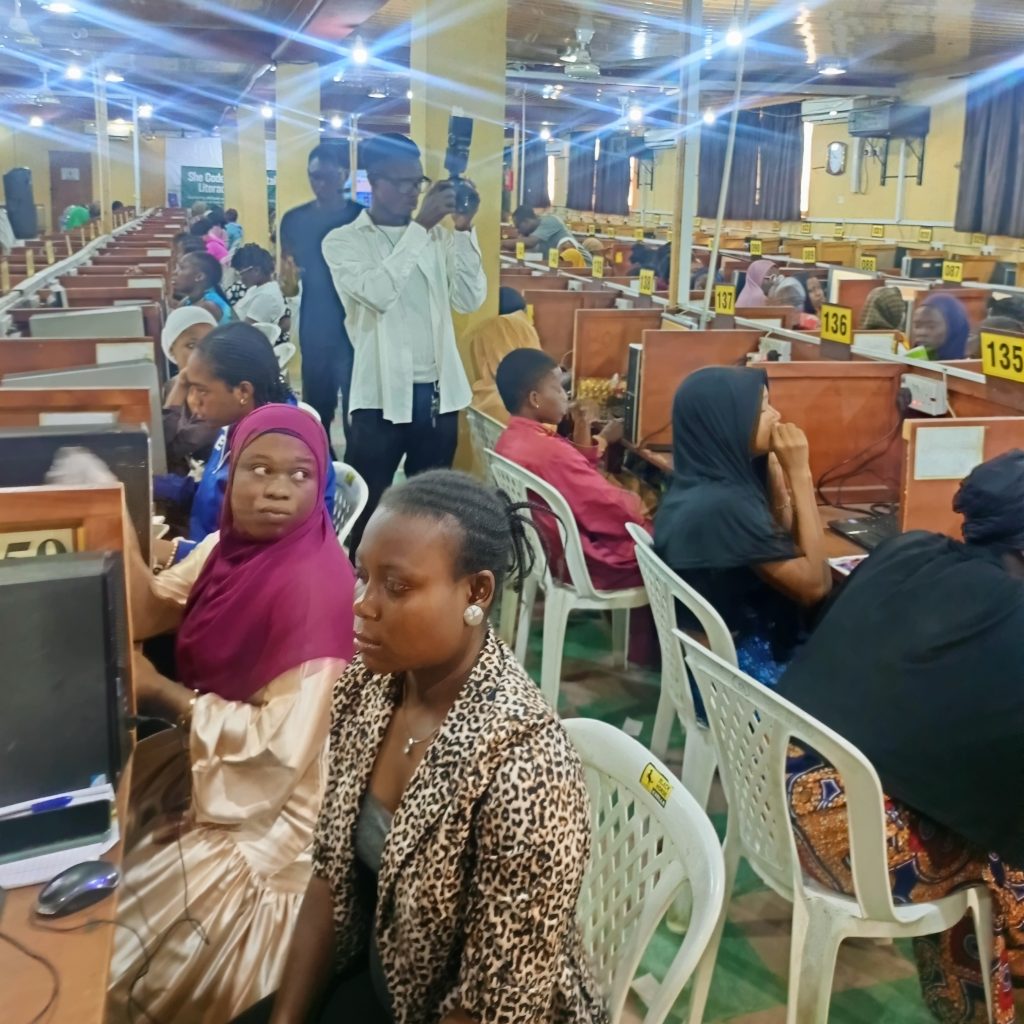
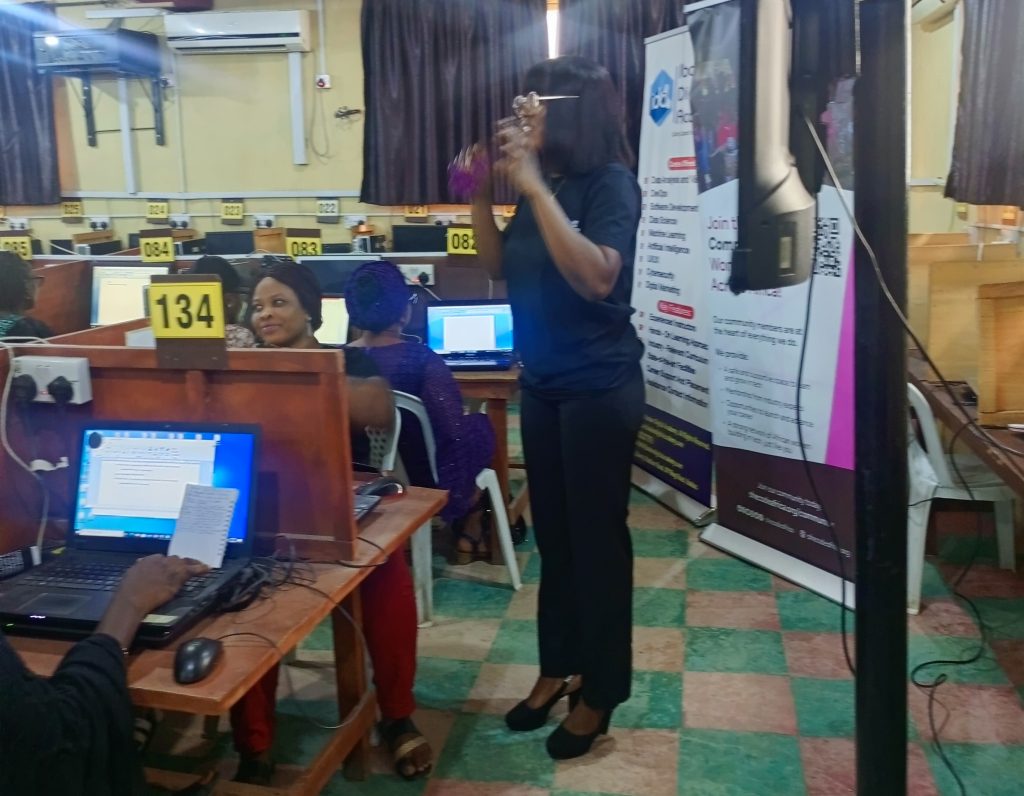
A Non-Governmental Organisation, She Code Africa, has launched a two-week digital literacy program for over 200 women in Ibadan.

The initiative aims to empower them with essential technological skills.

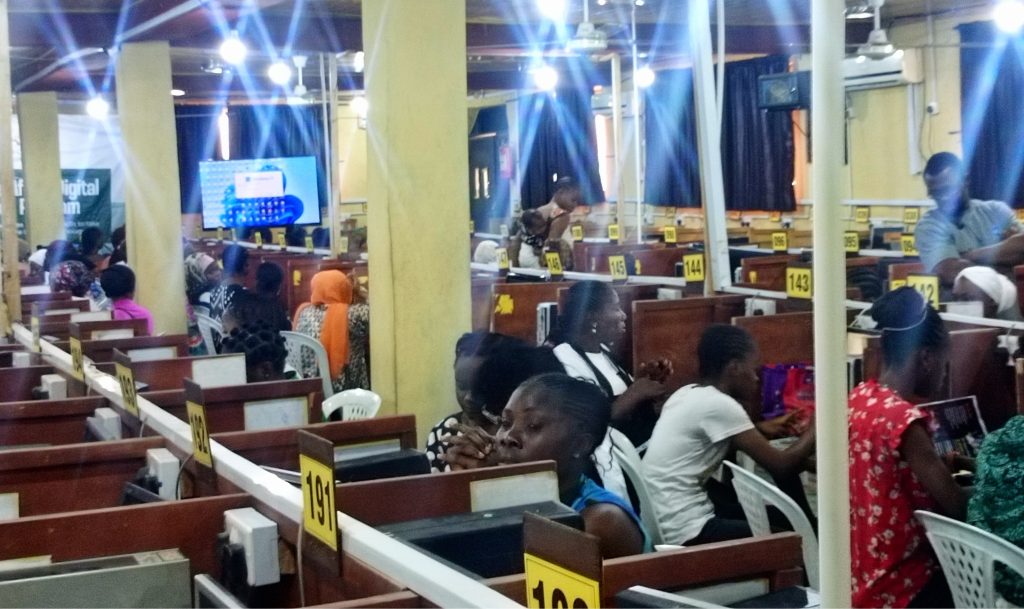
The organization is running the training in partnership with technology giant, Hewlett-Packard (HP), at a computer-based test centre in Ibadan.

The Programme Associate of She Code Africa, Oreoluwa Adetula, told journalists that the program is part of a year-long HP Digital Equity Grant initiative and that the goal is to close the digital gender gap in Nigeria.

Adetula stated that the 2024 edition is training over 200 young women between the ages of 16 and 35 from under-served communities.

The curriculum focuses on foundational skills, including beginner computer use, smartphone operation, internet skills, online safety, and practical tech applications for school, work, and business.

Adetula emphasized that millions of Nigerian women still lack digital access and skills.

She said the training is designed to not only bridge this literacy gap but also provide better access to education, jobs, and entrepreneurship opportunities.

A facilitator, Adeyinka Ochui, said the participants are being introduced to the rudiments of digital literacy and the latest trends.

She added that the goal is to help them fast-track their endeavors in areas like digital marketing.

Two participants, Adigun Adekemi and Abdul Aminat, described the program as worthwhile and expressed hope that they would become digitally skilled by the end of the training.

The two-week digital literacy program is scheduled to end on Friday, August 29th.

Subscribe to our Telegram and YouTube Channels, and also join our WhatsApp Update Group.

Education

By Mojisola Oladele

The management of Obafemi Awolowo University, OAU, Ile-Ife, wants the Osun State Police Command to assist in locating a female student who has been missing for four days.

According to a statement by the University’s Public Relations Officer, Mr. Abiodun Olarewaju, the missing student is identified as Dorcas Oseghale, from the Department of Chemistry, with matriculation number CHM/2021/165.

Mr. Olanrewaju said Oseghale was last seen last Wednesday around eight in the evening.

Mr.Olanrewaju states, “Dorcas, a resident of Adesanmi House, Ibadan Road, Ile-Ife, had told her roommate she was going to buy food in front of the Students’ Village along Ede Road but did not return.”

“Her roommate later tried to reach her on the phone, only to discover that both of her lines were unreachable.” He states further.

He noted that the Vice-Chancellor Professor Adebayo Simeon Bamire commended the students for promptly reporting the incident and appealed to anyone with useful information on the student’s whereabout to contact the nearest police station or the University Security Unit immediately.

The university spokesperson also assured that it would continue to work closely with the police and other security agencies until the matter is resolved.

Join our WhatsApp Update Group https://chat.whatsapp.com/DT3fBzZIB42ByKWWL1KFXT