Energy

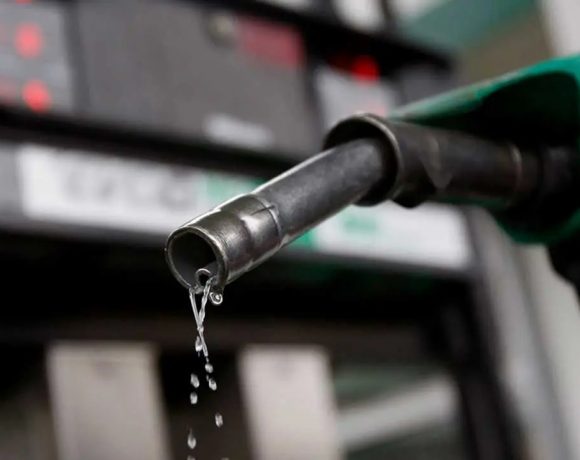
The Federal Government has banned the exportation of Liquefied Petroleum Gas, popularly called cooking gas, in a bid to increase its volume domestically to warrant a crash in price.

It stated on Thursday that LPG producers in Nigeria and key stakeholders in the industry had been told to stop exporting the commodity out of Nigeria, following the recent jump in the cost of cooking gas.

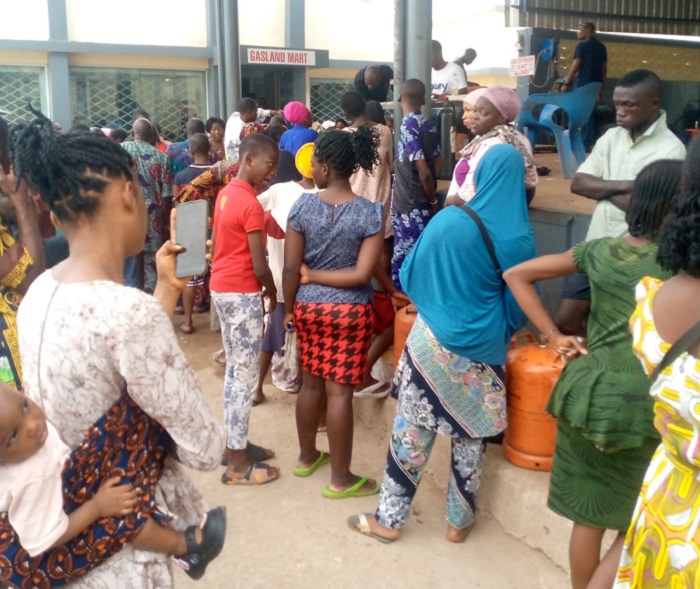
Findings showed that the cost of refilling a 12.5kg cylinder of cooking gas in Abuja, Lagos, Kano and some other states had climbed to about N18,000. It was specifically N17,500 in Abuja on Thursday, a product that sold for less than N9,000 in November last year.

LPG dealers under the aegis of the Nigerian Association of Liquefied Petroleum Gas Marketers had predicted mid-last year that a 12.5kg cylinder would cost N18,000 going by the incessant hikes in its cost.

To tackle this, the Minister of State for Petroleum Resources (Gas), Ekperikpe Ekpo, constituted a committee in November 2023, headed by the Chief Executive of the Nigerian Midstream and Downstream Petroleum Regulatory Authority, Farouk Ahmed.

But up till today (Thursday), the cost of the commodity has maintained a northward movement, as many LPG users are gradually shifting to the use of charcoal.

But while speaking on the sidelines of the internal stakeholders’ workshop in Abuja on Thursday, Ekpo stated that the Federal Government had asked LPG producers to stop exporting the commodity.

In November 2023, a kilogramme of cooking gas was about N700, but the product is now sold at about N1,400/kg. Some operators stated that the cost would increase further if the government failed to intervene.

Ekpo said, “With the issue of gas, you have seen the demonstration of the Federal Government by withdrawing all taxes and levies from the importation of gas-related equipment. It is a big incentive.

“On the issue of LPG (cooking gas), we are interacting with the critical sectors to ensure that there is no exportation of LPG. All LPG produced within the country will have to be domesticated. And when this is done, the volume will increase and, of course, the price will automatically crash.

“I’m in contact with the regulator, NMDPRA, we have meetings almost daily with the producers of the gas like Mobil, Chevron and Shell. So there is that hope that things will turn around.

“And that is also why we are having this engagement to know exactly what the problems are so that we can address them once and for all.”

Punch/Simeon Ugbodovon

Subscribe to our Telegram and YouTube Channels and also join our Whatsapp Update Group
Energy

The two-day suspension of operations concerning the lifting of petroleum products by the Nigerian Association of Road Transport Owners, NARTO, has been called off by the oil transporters.

NARTO confirmed this in Abuja on Tuesday evening after the intervention of the Federal Government through the Minister of State for Petroleum Resources (Oil), Heineken Lokpobiri.

Lokpobiri as well as the President, NARTO, Yusuf Othman, told journalists that stakeholders in the downstream oil sector had reached an agreement to increase the freight rate of petroleum transporters, and to gradually settle other concerns raised by the tanker operators.

Aside from the minister and his team, and NARTO officials, other participants at the meeting in Abuja include officials of the Nigerian Midstream and Downstream Petroleum Regulatory Authority, led by their Chief Executive, Farouk Ahmed; representatives of the Major Energy Marketers Association of Nigeria; Independent Petroleum Marketers Association of Nigeria; and others.

The meeting among parties had been ongoing since Monday. Participants could not reach an agreement on Monday, and had to continue on Tuesday before resolving to meet some of the demands of NARTO.

We have reached some agreements and members of NARTO have agreed to resume operations so as to reduce the plight faced by Nigerians with respect to getting petroleum products,” Lokpobiri stated.

The two-day suspension of operations by NARTO led to fuel queues by motorists in many states and the Federal Capital Territory on Monday and Tuesday.

NARTO members have repeatedly raised concern over the high cost of diesel price which was between N1,250 to N1,400/litre depending on the area of purchase required to power their trucks for the transportation of petroleum products across the country.

Punch/ Oluwayemisi Owonikoko

Subscribe to our Telegram and YouTube Channels and also join our Whatsapp Update Group
Energy

By Simeon Ugbodovon

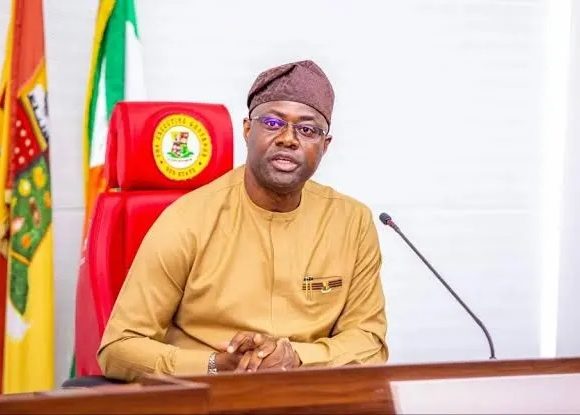
Oyo State Governor, Seyi Makinde has signed into law Oyo State Electricity Regulatory Commission Bill.

Governor Seyi Makinde made this known on his verified X handle @seyiamakinde.

According to Governor Makinde, the law will facilitate the generation, transmission and distribution of electricity within Oyo State.

The State’s helmsman said his action was a fulfilment of the promise he made earlier in the week, pointing out that in years to come citizens will be able to hold State Governments accountable on the issue of electricity supply.

Governor Makinde noted that the development is a mark of fiscal federalism, a reflection of what the amendment of the Constitution brings about.

Subscribe to our Telegram and YouTube Channels and also join our Whatsapp Update Group
Energy

By Iyabo Adebisi

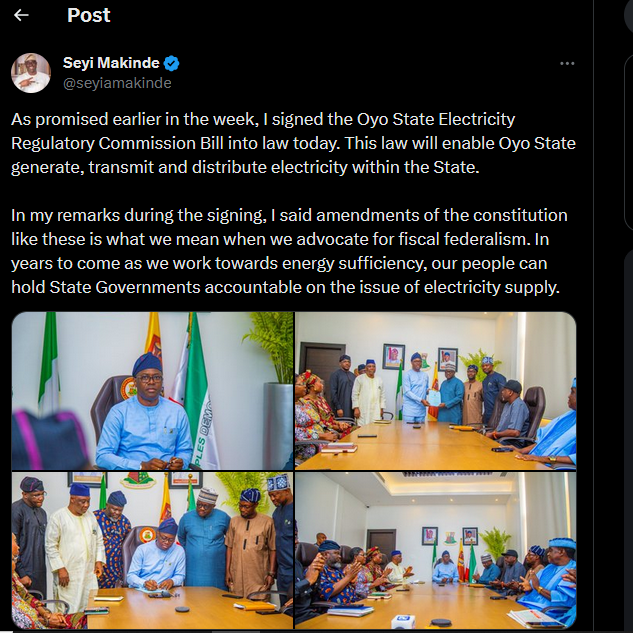
The Minister of Power, Chief Adebayo Adelabu has declared war against vandals working against improvement in the power supply and vandalising power facilities.

He said his ministry has the support of President Bola Tinubu and the National Security Adviser, Nuhu Ribadu to deal with vandals and saboteurs in the Power sector. 

The former Deputy Governor of the Central Bank of Nigeria (CBN), said this in Ibadan, the Oyo State capital, during his inspection of the 46-year-old Ayede sub-regional station in Ibadan as part of his working visit.

The Minister who decried the level of vandalisation of Transmission Company of Nigeria (TCN) by nefarious saboteurs across the country, said the present administration would deal decisively with saboteurs who are making money from the menace.

He urged the staff of the Ayede to support President Bola Tinubu’s administration in its renewed hope agenda and expose anyone found working against the efforts of the government in the power sector.

The Minister said: “We must live up to expectations. We will not relent until we achieve improvement in power supply. We are working with everyone to protect national assets. We are working with the NSA for adequate protection of power facilities. We can see the saboteurs at work.

“Some people are not happy that we are improving supply, but we cannot be intimidated. They will meet us there. We have the support of the President and the National Security Adviser to deal with saboteurs who are poised to vandalise the nation’s installations, destroying power distribution activities. 

“They are not happy about our efforts at repositioning the sector and delivering ourselves from their clutches because that is where they are making money. But we shall not relent. Let no one intimidate you. The rate of destruction going on in the northern part of the country is alarming. These installations being destroyed cost the Federal Government billions of naira to put in place. This is a fight we must fight jointly”.

The Minister also charged the staff of the sub-station to be committed and dedicated, saying their efforts would be rewarded. 

Adelabu said: “Whatever we can do to improve your people’s welfare to improve on your job, I will do. We are going to implement whatever good suggestions you bring to our attention. Good performance will be rewarded, but more reward means more work”.

The Minister later paid courtesy call on Governor Seyi Makinde to seek areas of collaboration with the government to improve the Power supply in the state. 

Responding, Governor Makinde lauded all the plans and initiatives put in place by the Federal Government and assured the minister of his administration’s support to actualise all the plans. 

Places visited by the minister include the headquarters of Ibadan Electricity Distribution Company, and 132 KVA sub-station, Oluewu, Oyo

The minister is expected to Commission a Power plant in Ogbomosho. 

Subscribe to our Telegram and YouTube Channels and also join our Whatsapp Update Group
Energy

By Uche Ndeke

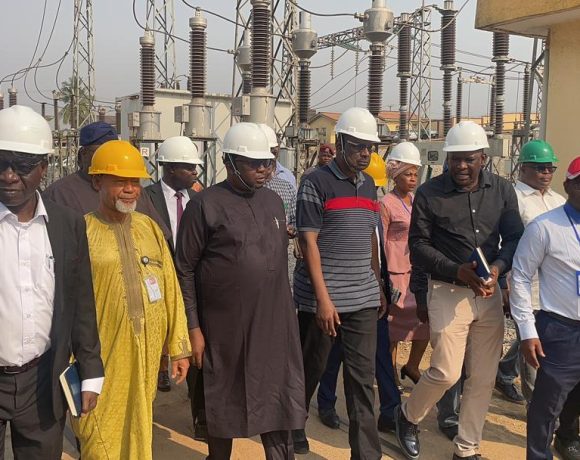
The Independent Petroleum Marketers Association of Nigeria, IPMAN, has advised members of the public to disregard the alarm and speculations about an increase in the pump price of Premium Motor Spirit otherwise known as fuel.

Chairman of IPMAN, Enugu Depot, Mr Chinedu Anyaso made the call in an interview with Radio Nigeria Correspondent Uche Ndeke.

He said the Nigeria National Petroleum Company Limited, NNPCL, being the sole importer of the product has not in any way informed marketers of price increase.

Mr Anyaso called on Nigerians to disregard the speculations in social media.

The IPMAN, Enugu Depot Chairman said contrary to media reports, the Port Harcourt refinery is yet to come on stream.

” There is no need for panic buying as there is enough product being made available to marketers at different depots by the NNPCL.

Subscribe to our Telegram and YouTube Channels and also join our Whatsapp Update Group
Energy

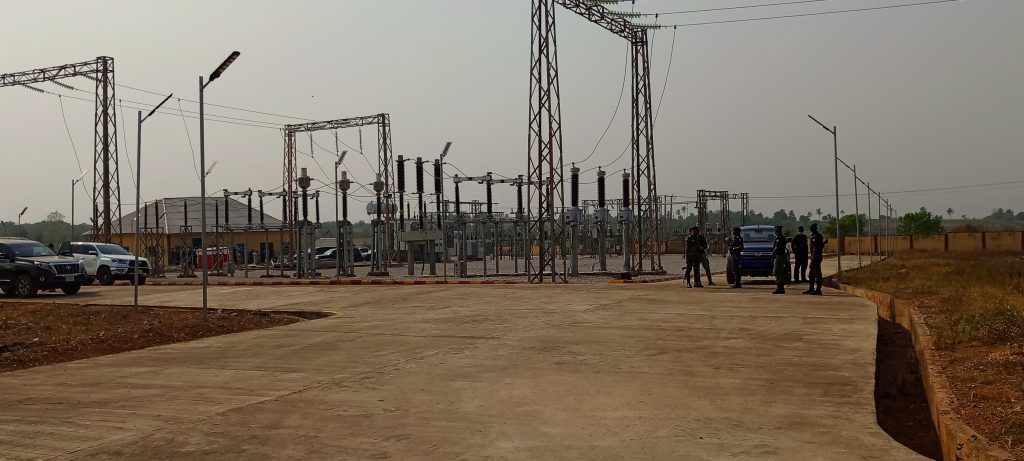
The Federal Government has inaugurated an energy management and control centre established in Abuja to monitor electricity mini-grids operating across the country.

It said the centre, known as the Energy Management System, would serve as the off-grid electricity supervisory control and data acquisition system for mini power grids in Nigeria.

Speaking at the launch of the centre in Abuja on Wednesday, the Minister of Power, Adebayo Adelabu, said, “For us, the EMS is not just a tool; it is a mechanism we plan to optimise to alleviate the existential problem of poor energy data in the nation’s energy space.

“It is surely a gateway to a future where data becomes a strategic asset in our pursuit of reliable, accessible, and sustainable energy. This system will revolutionise the way we manage and utilise energy data across our electrification programmes.”

The Chief Executive Officer of Rural Electrification Agency, Ahmad Salihijo, said the centre, constructed in the Abuja headquarters of REA, was made possible with the support of the Korean government under its Official Development Assistance.

He explained that the Electricity Act 2023, under Section 154 (Monitoring of Rural Electrification Projects), mandated the REA to put in place appropriate machinery for the monitoring of rural electrification implementation projects nationwide.

“Furthermore, the mechanism for rural electrification monitoring should include the use of geographic information systems and geo-mapping technologies to monitor projects effectively and generate and analyse project data without physical visits to projects’ locations.

“In a landscape where data is paramount, the EMS stands as a beacon of efficiency and transparency. It is a tool that will empower us to make informed decisions, optimise our energy resources, and enhance the impact of our electrification initiatives across Nigeria,” Salihijo stated.

He said the system would integrate with REA’s existing programmes, providing real-time insights and enabling the agency to navigate the dynamic energy landscape with precision.

“For instance, the system will further strengthen our collaboration with the power distribution companies on the development, integration, monitoring, and management of interconnected mini-grids,” Salihijo stated.

Punch/ Oluwayemisi Owonikoko

Subscribe to our Telegram and YouTube Channels and also join our Whatsapp Update Group
Energy

By Iyabo Adebisi

The President of the Nigerian Economic Society, NES, and expert in Petroleum Economics, Professor Adeola Adenikinju says low investment in the nation’s energy sector portends great danger for the economy of the country in the future.

The Professor of Petroleum Economics at the University of Ibadan, UI, lamented that divestment by international oil companies, IOCs, is taking a toll on the economy of the country.

The former Director of the Centre for Petroleum, Energy Economics and Law, CPEEL, UI, stated this in an interview with journalists in Ibadan. 

He said vandalism, oil theft and other challenges were hampering the sector’s contribution to the nation’s gross domestic product (GDP).

Professor Adenikinju who is a member of the Monetary Policy Committee (MPC) of the Central Bank of Nigeria, (CBN) stated further that Nigeria was losing a lot of money, adding that from the last four quarters, the oil sector has been contributing negatively to Nigerian economic growth.

He said: “You have to break the issue in the oil sector down. At the off-stream where you do production, until recently, there has been a lot of volatility. There was a time when we were doing one million barrels per day because of security, pipeline vandalism, oil theft and so many challenges that were going on in the sector.

“Nigeria was losing a lot of money. In fact, from the last four quarters, the oil sector has been contributing negatively to Nigerian economic growth.”

“The oil GDP has been negative and as I have mentioned in some other meetings, we should not normalize that. We shouldn’t accept that. That’s not the way to diversify the oil sector; it is not by losing money. It is caused by the oil sector growing. So, we need to address that.

“There is also something like divestment in the sector, the multinational oil companies are not investing much again, either because of the challenges of some of them trying to move away from hydrocarbons to other energies that are greener or because of some of the security challenges that they have and maybe because of the fiscal system that we have. So, we don’t have enough investment. Investors are not coming into the sector and in fact, we may not have the full effects until later, because when you do investment, it takes years before that translates into production.”

“So, the low investment that we are having now, we may not start to see the impact until much later when the existing production fields start declining and we are not able to replace and expand what we are doing.”

“So, we have those kinds of challenges and the unfortunate thing is that when we shut in or shut down or not producing enough oil, that also affects gas, because most of the gas we produce in Nigeria is associated gas, in fact, for some time, NLNG was not able to meet the quota of gas because the oil sector is not producing the required quantity and that was affecting the amount of gas that was available for the NLNG’’.

Subscribe to our Telegram and YouTube Channels and also join our Whatsapp Update Group
Energy

As workers commenced a nationwide indefinite strike on Tuesday, the Transmission Company of Nigeria, TCN, has said there is no truth in a media report about a looming national blackout.

TCN emphasised that the claim made by an online news outlet alleging that the Head of Public Affairs of TCN predicted a national blackout was inaccurate and misleading.

This was revealed in a statement signed by TCN management which was shared on its X account on Tuesday.

The statement clarified that no such declaration was made by the Public Affairs Head, disclosing that the country’s power grid remained intact, consistently providing substantial electricity to distribution load centres across the nation.

The statement said, “The Transmission Company of Nigeria hereby states that the publication by Daily Post alleging that the Head of Public Affairs of TCN said that there will be a national blackout is false and totally misleading.  “The statement is mischievous and baseless as TCN, through the Public Affairs Head, did not make such a statement.

We hereby note that the nation’s grid is intact and supplying bulk electricity to distribution load centers nationwide.

As at when issuing this statement, the TCN National Control Centre Osogbo which controls bulk power transmission nationwide, is actively operational.”

Punch/ Oluwayemisi Owonikoko

Telegram and YouTube Channels and also join our Whatsapp Update Group
Energy

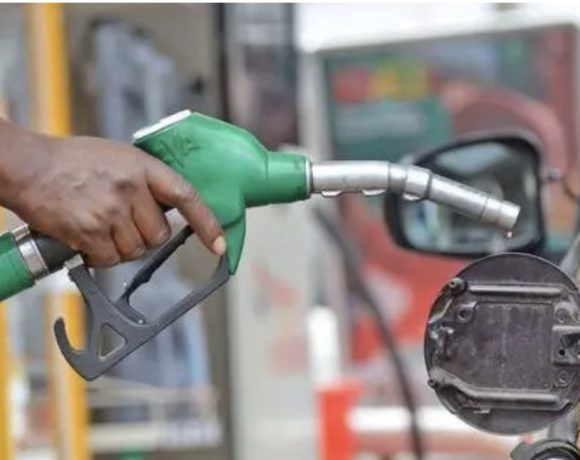
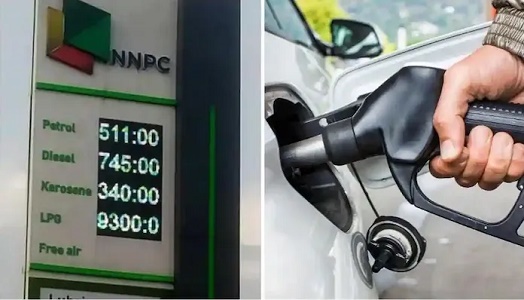
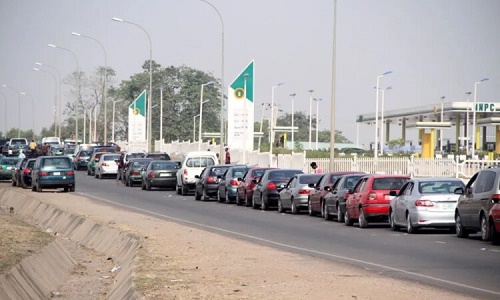
The Nigerian National Petroleum Company (NNPC) Limited said it has noted the appearance of fuel queues in some parts of Lagos and a few other locations around the country.

The retail management of the NNPC in a statement on Thursday, said the queues are due to reduced Depot loadout in Apapa, Lagos over a few days.

It added that the root cause of the queues has since been addressed.

“We assure all Nigerians that there is ample supply with sufficiency of at least 30 days,” the statement said.

The NNPC, however, advised motorists to desist from panic buying as distribution will normalise over the next couple of days.

“NNPC Retail Ltd. notes the appearance of fuel queues in some parts of Lagos and a few other locations around the country. This is due to reduced Depot loadout in Apapa, Lagos over a few days, and the root cause has since been addressed.

“We assure all Nigerians that there is ample supply with sufficiency of at least 30 days. Motorists are advised to desist from panic buying as distribution will normalise over the next couple of days,” the company said in a statement signed by management.

The last notable queues at petrol stations happened in May after President Bola Tinubu announced an end to fuel subsidy during his inauguration.

Tinubu had said the 2023 budget made no provision for fuel subsidy and more so, subsidy payment is no longer justifiable.

The announcement had led to scarcity of petroleum products, resulting in long queues at petrol stations across the country, with a litre of petrol rising from N184 per litre in Lagos to over N500.

Leadership/Simeon Ugbodovon

Energy

By Abimbola Bamgbose

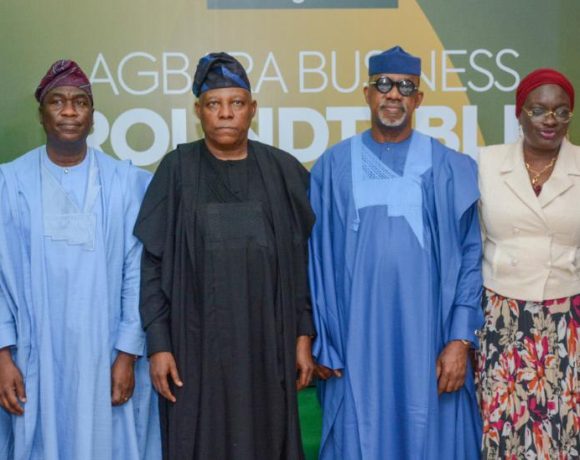
Investors in Nigeria will begin to enjoy maximum power supply to boost production capacity while contributing to the general economic growth of the nation.

Vice President Kashim Shettima gave the assurance during the Agbara Business Roundtable held in Agbara, Ado-Odo/Ota Local Government Area of Ogun State.

Vice President Shettima, who is the Chairman, Board of Directors, Niger Delta Power Holding Company, said the country holds tremendous opportunities for not only foreign investors but also for local investors.

Senator Shettima who expressed displeasure that industries in the Agbara Cluster rely on other sources of power supply aside from the national grid, said the federal government through the Niger Delta Power Holding company, NDPHC, was committed to ensuring that clusters like the Agbara Industrial Hub benefits from a cheaper means of generating power in their various factories. 

In a remark, Ogun State Governor, Prince Dapo Abiodun said without adequate power supply, all infrastructures provided for the use of the people both at the state and federal levels would be in vain.

Governor Dapo Abiodun, who also disclosed that his administration has gone beyond the establishment of the Agbara Cluster by adding four additional clusters, said the state government would collaborate with the federal government to provide necessary support for investors.

Subscribe to our Telegram and YouTube Channels, and also join our Whatsapp Update Group
Energy

By Olawale Asake

The Federal Competition and Consumer Protection Commission, FCCPC, says it will not fail to sanction any Electricity Distribution Company, DisCo, that fails to comply with extant rules and regulations in the power sector.

The Executive Vice Chairman and Chief Executive Officer, CEO,  of the Commission, Mr Babatunde Irukera, stated this at the Electricity Consumer Complaint Resolution Platform organised by the Commission in Ibadan, Oyo State.

Mr  Irukera said that non-compliance of some DisCos with the regulations of the Nigerian Electricity Regulatory Commission, NERC, was a bane in the industry, urging the consumers to ensure support the commission towards repositioning the sector.

Mr. Irukera who mentioned some of the complaints from the consumers to include, overbilling, metering, transformer issues, illegal disconnections and poor consumer service delivery, advised the Public not to take laws into their hands while dealing with members of staff of Ibadan Electricity Distribution Company, IBEDC in the face of any challenge.

In a remark, Head, Customers Support, Ibadan Electricity Distribution Company, IBEDC, Mr. Ayoola Adio called on the consumers of the company not to engage in corrupt sharp practices capable of shortchanging the company, describing the step as a great loss to the company on monthly basis.

He disclosed that IBEDC was losing over Three Billion Naira monthly due to corrupt practices of some consumers in connivance with the staff of the company.

Mr. Adio assured customers that the company would resolve all electricity-related complaints, soliciting their support to serve them better

 Speaking, a representative of Nigerian Electricity Management Services Agency, NEMSA, Engineer Umar said that technical safety was key in the electricity industry.

He advised electricity consumers to avoid meters without NEMSA seal or logo, emphasising that those without seal or Logo were not certified by the Agency.

”It is important for consumers to know that before meters are being deployed to them, they must be tested and certified good for use by NEMSA and we will put our seal or logo on the meters.”

”The case of sagged conductors or electricity lines over a rooftop, transformers open or electricity poles that are about to collapse, should be urgently reported to appropriate authorities so that prompt actions can be taken.”

Some of the Consumers at the programme who commended the Commission for organizing the forum urged IBEDC to find lasting solutions to the electricity challenges facing the public

Subscribe to our Telegram and YouTube Channels also join our Whatsapp Update Group
Energy

No fewer than 18 people, including a pregnant woman, have lost their lives following an explosion in an illegal oil refining site in the Ibas community in the Emuoha Local Government Area of Rivers State.

It was learned that the incident occurred late Sunday night when some people in the community were scooping petroleum products.

A resident in the community, who gave his name as Emmanuel, said the victims were selling the product at the refining site when the place suddenly went up in flames.

Emmanuel said, “More than 40 people were there at the site. They were there scooping crude oil when the place caught fire. The fire came from a refining site that was close to the point where they were scooping crude oil.

“Many Isiokpo and Oduoha people and Ibaa people were there. Seven of the people died inside the pit where they were scooping the crude. About 10 were burnt to charcoal by the pit.

“About 30 people died at the site while over 15 have been rushed to the hospital. I hear that three of them have died while they were being rushed to the hospital.”

But the Nigeria Security and Civil Defence Corps gave the casualty figure as 18.

The spokesperson of the NSCDC, Rivers State Command, Olufemi Ayodele, said in a statement that the deceased included a fresh graduate and a lady whose wedding was scheduled for next month.

Ayodele said 18 persons were roasted while 25 persons at the site were rescued by operatives.

He said preliminary investigations showed that the explosion was caused by a local refinery cooking pot constructed close to an oil reservoir that contained combustible materials.

He said the burning temperature eventually became too high and the environment gutted the fire.

“There is a need for conscious effort and stronger collaborations with the traditional institutions, community youths, and religious leaders amongst others to fight against oil bunkering activities in our various communities and this begins with giving credible intelligence and information to the NSCDC which remains the lead agency in the fight against vandalism of oil pipelines and protection of critical national assets and Infrastructures in Rivers State,” Ayodele said.

Punch / Titilayo Kupoliyi

Subscribe to our Telegram and YouTubeChannels also join our Whatsapp Update Group
Energy

Gas retailers have warned that the price of 12.5kg cooking gas may hit N18,000 by December if the Federal Government does not restrict the activities of the terminal owners.

The President, Nigerian Association of Liquefied Petroleum Gas Marketers, Olatunbosun Oladapo, told newsmen that the price of Liquefied Petroleum Gas also known as cooking gas has “gone astronomically high at terminals as a result of a sudden increment from between N9-N10m per 20 metric tons to N14m per 20 metric tons.

There is a ridiculous hike in gas prices going on right now, and I am afraid that if the Federal Government does not step in to checkmate the activities of these terminal owners, price could reach as high as N18m per metric tons by December. This means that a 12.5kg could go as high as N18,000.”

According to him, terminal owners were “hiding under the guise of high foreign exchange to increase price to further increase the suffering of the masses.”

Olatunbosun said there was no justification for the increment, as the Nigerian Liquefied Natural Gas Limited still supplied the market.

He said, “NNPCL currently takes 59 per cent of the gas produced by NLNG, although NLNG has also increased its price from N6m to N8m. Now, because NLNG has increased price, NNPCL and terminal owners have increased price to N14m.

The increase in price that would take effect is not the fault of retailers. It is the fault of NLNG and terminal owners. Even NNPCL is hiding under the guise that they are now privatised to increase prices. As of last week, 1kg was N800 at the terminal, now it is N1,200, and could reach N1,500 by December if care is not taken.”

He added, “Now, the ordinary man would not be able to buy gas. How many minimum wage earners can afford gas now? Everyone is turning to firewood and charcoal. The surprising thing was that they visited President Tinubu last week, and promised to work together with his administration to make life better. Now they have come back and started doing something else. Where are all the palliatives and busses they promised to donate? We have not seen anything.”

Although gas terminal owners did not have a visible association, spokespersons for NavGas, Friday Agwu, and Nipco Plc’s Askay Kumar, blamed the hike on forex and the international market.

No one is selling at N1,200/kg. I have not heard such high price yet,” Kumar said. He however declined to respond when asked how much the landing cost was.

Friday blamed the price on forex and raise in price of crude oil at the international market.

Flat price increase and forex challenges, and LPG responding to crude price increase at the international market,” he said

Punch/Oluwayemisi Owonikoko

Subscribe to our Telegram and YouTube Channels also join our Whatsapp Update Group

Energy

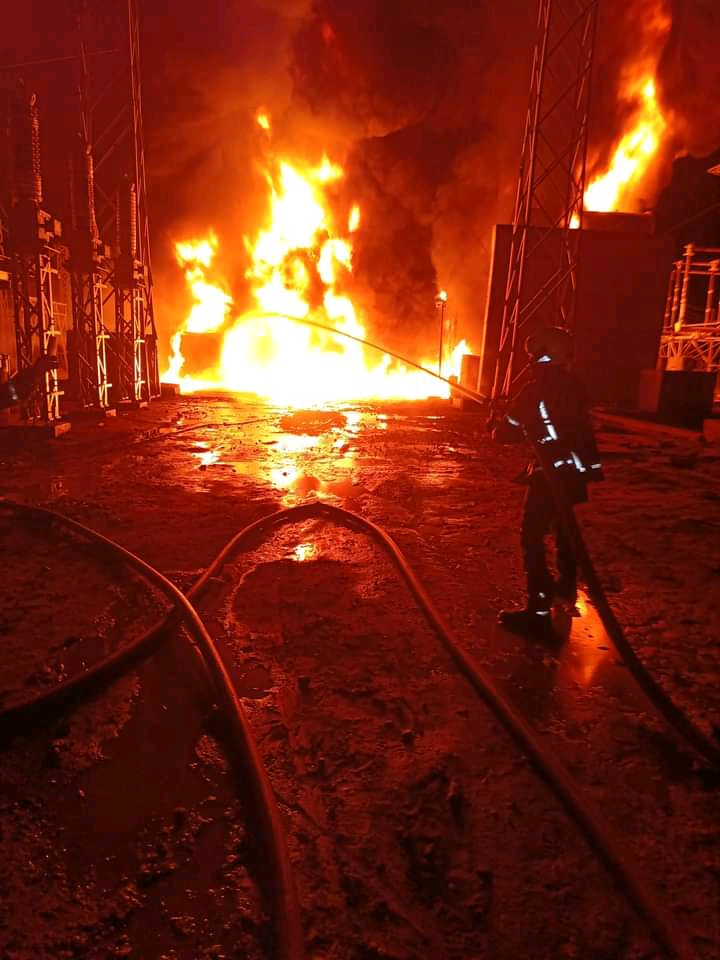
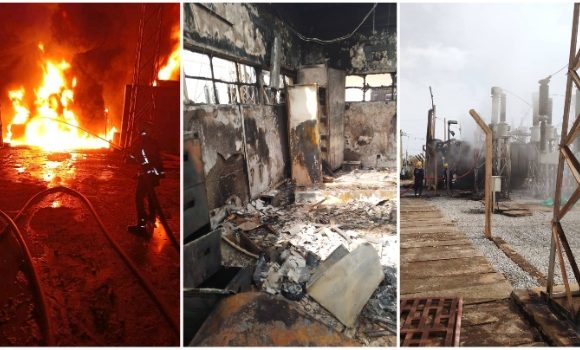
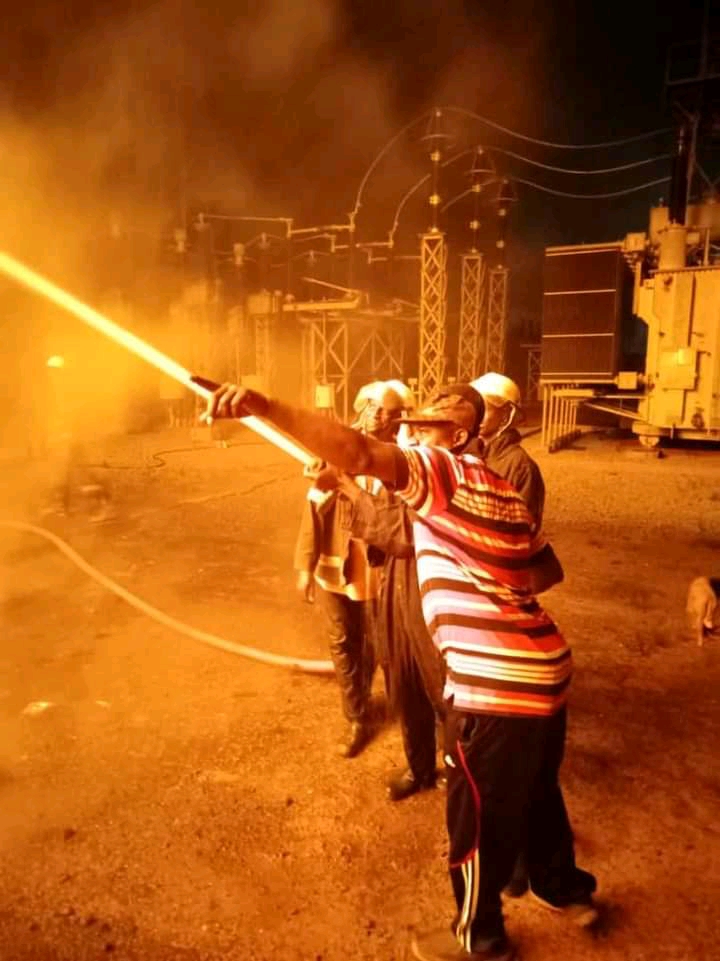
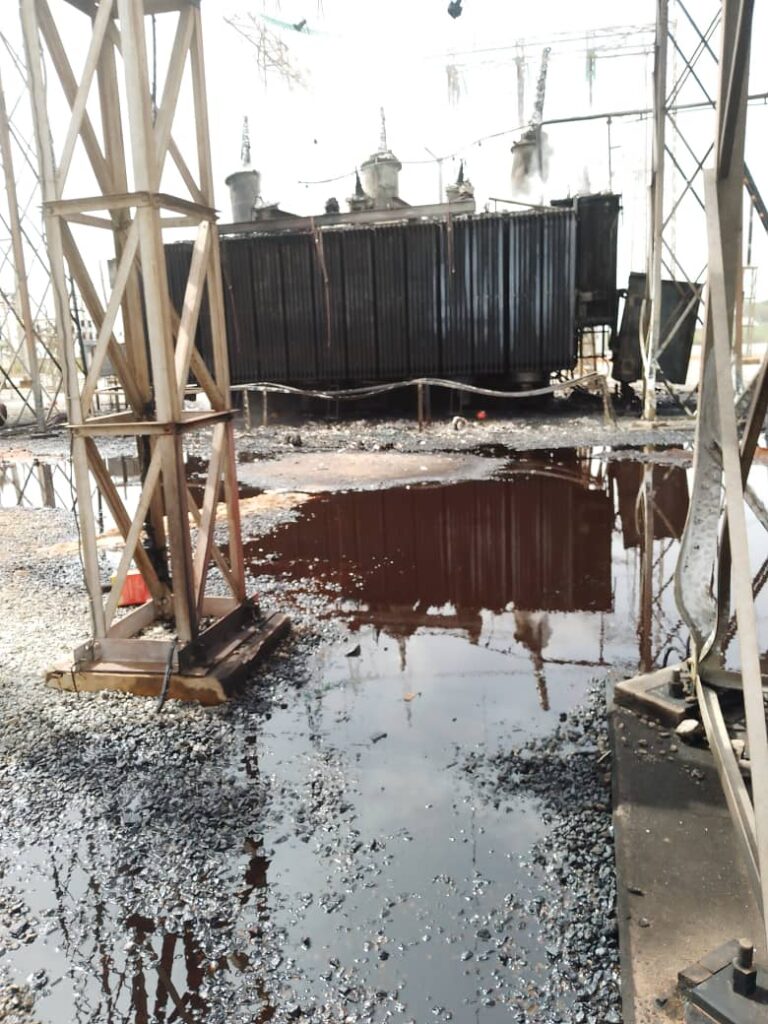
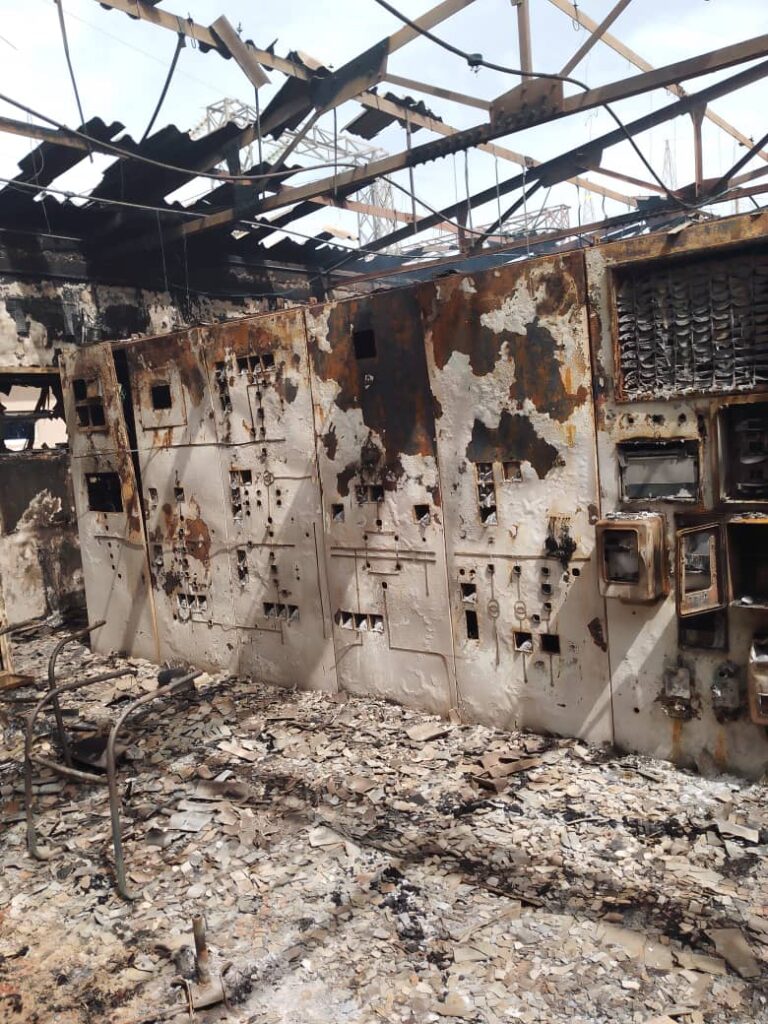
There was a fire incident at the Transmission Company of Nigeria transmission, TCN, substation in Birnin-Kebbi, Kebbi State, on Thursday night.

The 330 kilovolt (kV) facility was reportedly engulfed in the inferno, though the immediate cause has yet to be disclosed.

The incident comes barely 24 hours after a national electricity grid collapse resulting from a fire outbreak.

The spokesperson for the Kebbi State Police Command, Nafiu Abubakar, confirmed the incident to Channels Television on Friday.

Abubakar however said he did not have details of the incident at the time and referred our correspondent to the TCN for more information on the possible causes of the fire.

However, efforts to reach TCN were unsuccessful.

Channelstv / Titilayo Kupoliyi

Subscribe to our Telegram and YouTube Channels also join our Whatsapp Update Group
Energy

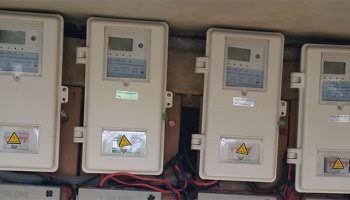
The Nigerian Electricity Regulatory Commission has urged prepaid meter users to update their meters before November 2024.

NERC shared the update on its X handle (formerly Twitter) on Tuesday.

The electricity regulatory commission added that the update, which is free of charge, would not affect the current prepaid units of users.

It further advised users to contact their Distribution Companies for more information as regards the update.

The statement read, “If you have a prepaid meter, it may be time for an update. From November 2024, you may not be able to recharge your meter. However, updating is easy and free. DisCos shall commence issuance of two free Key Change Tokens (KCTs) which will update your meter.

The update will not affect the units in your meter nor will it make your meter run faster than usual. Contact your DisCo for more information.”

Punch/ Oluwayemisi Owonikoko

Subscribe to our Telegram and YouTube Channels also join our Whatsapp Update Group
Energy

By Saadatu Albashir

President Bola Tinubu and industry stakeholders have taken a definitive stance, asserting that the existing fuel pricing structure will remain unchanged.

Ajuri Ngelele, the spokesperson for President Tinubu, said stakeholders were proactively tackling inefficiencies, that seek to pre-empt the need for a price increase while also fostering a level playing field for all market participants.

President Tinubu himself has personally reaffirmed this commitment, ensuring that there will be no increase in the price of Petroleum Motor Spirit (PMS) across the country, Mr Ngelele said in a video briefing.

He said figures from the Nigerian National Petroleum Company Limited (NNPCL) have underscored the determination of the federal government to maintain prevailing fuel prices, showcasing commitment to deregulation and efficient resource management, he added.

The NNPC said on Monday that it has no intention to increase the pump price of petrol.

Subscribe to our Telegram and YouTube Channels also join our Whatsapp Update Group

Energy

The Nigerian National Petroleum Company Limited, NNPCL, has eventually spoken up as regards the widespread concern of a possible hike in the pump price of Premium Motor Spirit, popularly called petrol.

In a post by the company, posted around 11:48pm on Monday on its official X (formerly Twitter) handle, the national oil firm and major importer of petrol into Nigeria, said it had no intention to increase the pump price of petrol.

“Dear esteemed customers, we at NNPCL Retail value your patronage, and we do not have the intention to increase our PMS pump prices as widely speculated.

“Please buy the best quality products at the most affordable prices at our NNPCL Retail stations nationwide,” the company stated.

The NNPCL Retail is the downstream subsidiary of NNPCL that retails refined petroleum products for the group.

Recall that oil marketers had on Sunday indicated that the cost of petrol would rise to between N680/litre and N720/litre in the coming weeks should the dollar continue to trade from N910 to N950 at the parallel market.

They also hinted that dealers seeking to import PMS were being forced to put the plans on hold due to the scarcity of foreign exchange to import the commodity.

Punch / Titilayo Kupoliyi

Subscribe to our Telegram and YouTube Channels also join our Whatsapp Update Group

Energy

Jeffrey Ahonmisi/Bukunmi

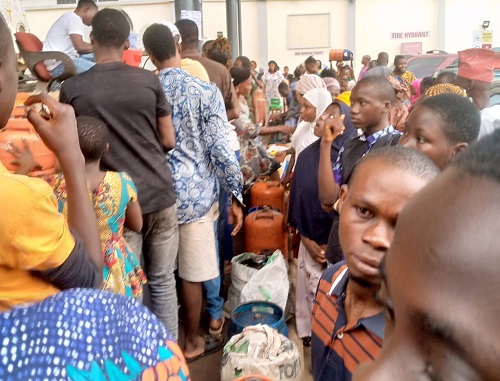
Some residents of Ibadan are trooping to liquefied natural gas stations to refill their gas cylinder as report indicates an imminent increase of the Product.

Radio Nigeria correspondents, who monitored the situation observed that long queues of customers were seen trying to fill their gas at a popular gas filling station in Molete area of the metropolis.

One of the customers, who declined to mention his name, said he came to the gas station to quickly get the product before the reported increment. 

He noted his that the product which was previously sold at six hundred naira per Kilogram now sells for six hundred and fifty naira.

The Nigerian Association of Liquefied Petroleum Gas Marketers had last week said the hike in the foreign exchange rate and activities in the international market may result in increase in the price of cooking gas.

President of the Association, Mr Olatunbosun Oladapo who issued the warning in Lagos noted that a gas terminal operator sent out an official notification of the changes in price, attributing the increase to a significant hike in foreign exchange rate and scarcity of same.

Subscribe to our Telegram and YouTube Channels also join our Whatsapp Update Group

Energy

The hike in the foreign exchange rate and activities in the international market may result in an increase in the price of cooking gas, says the Nigerian Association of Liquefied Petroleum Gas Marketers (NALPGAM)

Mr Olatunbosun Oladapo, the President of the association, issued the warning on Thursday in Lagos during an interview with newsmen.

Oladapo noted that a gas terminal operator sent out an official notification of the changes in price, attributing the increase to a significant hike in forex rate and scarcity of the same.

He cited rising international prices, high tax rates, prices of vessels, forex scarcity, and naira devaluation as some of the reasons for the price review.

It is starting next week because international prices have gone up. The prices of vessels have gone up and taxes are high.

“Consumers, middlemen, and retailers are feeling the impact because business is now on the low side,” he said.

Olatunbosun, who described the imminent price increment as unfortunate, said: “The situation is very unfortunate because prices are going higher.

The government should come in and alleviate the suffering of the masses by providing palliatives, reducing taxes and levies.

“You can imagine that for every 1kg of gas priced at N700, tax would take way N3.50. How much is left in such a business?”

Olatunbosun urged the government to tax profit and not products because consumers were not buying gas anymore.

He also explained that local taxes are worsening the situation, adding that marketers, who had the opportunity to buy products locally, fix prices with “consumers’ sympathy” in mind.

Trinune/ Oluwayemisi Owonikoko

Subscribe to our Telegram and YouTube Channels also join our Whatsapp Update Group
Energy

The Nigerian Midstream and Downstream Petroleum Regulatory Authority, NMDPRA, has disclosed that the average daily consumption of fuel in Nigeria has fallen by no fewer than 28 percent since President Bola Ahmed Tinubu announced the scrapping of fuel subsidies.

According to new figures released to Reuters by NMDPRA, the average daily petrol consumption fell to 48.43 million liters (13 million gallons) in June, as against the previous average of 66.9 million.

The fuel regulatory industry added that since the scrapping of the subsidy, neighboring countries like Cameroon, Benin, and Togo, which relied on petrol smuggled out of Nigeria, have experienced a collapse in their black market.

It will be recalled that President Tinubu announced the removal of fuel subsidies, which had kept petrol prices low for decades, during his inaugural speech on May 29, 2023.

 In his democracy day speech, June 12, the President admitted the decision to remove fuel subsidies would impose an extra burden on the masses, but appealed to the good people of the country to bear the brunt of the decision as it will “save our country from going under.

The removal of the fuel subsidy, which tripled the price of petrol, has affected virtually every part of the economy, leading to an increase in the prices of goods and services across the country.

According to the World Bank in June, despite having spent $2.41 billion on the subsidy in the first five months, Nigeria could save up to $5.10 billion this year from the removal of fuel subsidies and foreign exchange reforms.

The Nigerian government spent no less than $10 billion (£7.8 billion) on the subsidy last year.

Tribuneonline/Ibrahim Adeyemo

Subscribe to our Telegram and YouTube Channels also join our Whatsapp Update Group
Energy

By Bolanle Adesida

Ogun State Governor, Prince Dapo Abiodun has said that his administration would take advantage of the newly signed electricity bill by establishing a company that would generate and distribute power supply in the State.

Governor Abiodun made this known at Okemosan Abeokuta while receiving participants of the Senior Executive Course 45, Group 1 of the National Institute for Policy and Strategic Studies, Kuru, Jos.

Governor Abiodun pointed out that his second term administration would focus on provision of public utilities, which include water and electricity supply.

The Governor also explained that his administration was taking necessary measures to improve security architecture across the State, adding that his government had provided modern security gadgets and improved the welfare of security personnel working in the State.

He also gave the assurance that Airport currently under construction in the State would be opened for commercial activities in the next four months.

Earlier, the team leader and Director of Studies, Professor Oluwafunmilayo Para-Mallam, said the participants were on a week study tour of the State to research on topical issues of national importance.

Professor Para-Mallam acknowledged the achievements made by the present administration in the State in all sectors of the economy.

Subscribe to our Telegram and YouTube Channels also join our Whatsapp Update Group
Energy

There was palpable anxiety among members of the public, following a rise in the ex-depot price of petrol by 4.3% to 490 naira per litre. As a result, some petrol stations have started selling above 500 naira per litre, 12 naira higher than the 488 naira per litre price in the Lagos area and 500 naira in Ibadan.

But findings showed that NNPC Limited still sells the product to major marketers at 446.57 naira per litre.

A visit to private depots in Lagos showed that independent marketers, who lift at N490 per litre ended up selling it at 520 naira per litre at their stations depending on the location in Lagos.

It also indicated that while NNPC Limited continues to sell at 488 naira per litre in Lagos and environs at their retail stations, the major marketers fixed their prices at between 488 naira and 492 naira per litre, depending on location.

This is even as many operators who bought at 490 naira per litre were seen reselling at 515 naira per litre in a thriving black market, a development that has put additional price markups on retail prices.

The checks further showed that many independent marketers closed their gates against motorists and other users of the product while some hawkers were seen retailing petrol at exorbitant prices ranging from N550 to N650 per litre at Maryland, Ikorodu road and other parts of Lagos.

The case is not different in Ibadan as some filling stations owned by the independent marketers have started selling between 515 and 520 naira fixed by the NNPCL while only the marketers are selling at the regulated price of 500 naira

Reports has it that officials of the Nigerian Midstream and Downstream Petroleum Regulatory Authority, NMDPRA, are not present to monitor and enforce sanctions against defaulters at the filling stations, a development that emboldened illegal operators to embark on sharp practices, especially pump manipulation and product diversion as many customers have started complaining on the quality of the products being dispensed to them as well as not getting money worth of the product paid for.

Culled/ Oluwayemisi Owonikoko

Subscribe to our Telegram and YouTube Channels also join our Whatsapp Update Group
Energy

By Adenitan Akinola

The Federal Government is to provide solar energy alternatives to Nigerians in a bid to cushion the effect of subsidy removal on businesses and households.

The Managing Director of Rural Electrification Agency (REA) Mr Ahmad Salihijo Ahmad gave the hint in Osogbo, the Osun State capital during the inspection of Energizing Economies Initiative Project.

The Ayegbaju International Market Osogbo is being used for the  Rural Electrification Agency’s Energizing Economies Initiative (EEI) project where 48 shops have already been connected to the solar server.

Mr Ahmad said through REA, the Federal Government seeks to increase energy access and economic growth by providing clean, reliable and affordable power to economic clusters across Nigeria, such as markets, and shopping complexes among others.

The Managing Director, who was in the company of other executives, explained that the concept of the EEI project was to abolish the use of carbon monoxide petrol-powered generators. 

“We came to our Zonal office in Osun and we decided to do a short inspection of the Energizing Economies Initiative (EEI) that we have in Ayegbaju International Market, Osogbo.

“We came to see the progress of the work and we are very happy with what we have seen here today.

“The concept is to see how we can work with the market association and most importantly,  work with the state government to scale up solar power supply to the whole market,” he said 

He said at the pilot phase now, the solar power electricity is being test run on 48 shops and that in the long run, it would be extended to all the shops in the market with a power generation target of 300kwp.

He said with the interaction he had with the leadership of the market, shop owners were interested in the solar power project, as an alternative power source to run their operations/shops.

“What we have seen is the tremendous interest of the market people in the solar energy alternative,  especially using it to replace petrol generators, in the face of subsidy removal,” he said

He said as a follow-up to the inspection and interaction with the market people, he would meet and work with developers, Osun State Government, and even the market association, to draw a roadmap of how the project would be sustained and scaled up to cover the entire market.

He said with the solar system initiative, REA has been able to demonstrate a concept of solar power generation and supply, and that they can now bring in and work with other stakeholders to scale it up to the demand of Nigerians who are un-served and undeserved with electricity.

“Over 148 sites have been audited, directly by REA and with support from partners such as E-guide and Rockefeller Foundation, for the Energizing Economies Initiative (EEI) project.

“It is from these sites that Ayegbaju International Market Osogbo and Abubakar Gumi Markets Kaduna were selected to deliver the next phase of EEI projects,” he said 

He said they were taking into account the lessons learnt from phase zero and one of the project initiatives and would use it as a model for sustainable and collaborative projects with state governments and Electricity Distribution Companies (DisCos).

“Once the solar system construction is completed, the State Governments or DisCos, developers, and REA will be able to sit with the Market Associations to sign a multilateral agreement which ensures the long-term viability of the project while ensuring energy access to the markets.

“These projects will also, as an incidental, provide much-needed relief to the businesses in these markets by reducing the dependency of petrol generators while increasing the penetration of renewable energy sources,” he said 

 Subscribe to our Telegram and YouTube Channels also join our Whatsapp Update Group
Energy

Prominent Niger Delta leader and former agitator, Mujahid Asari Dokubo, on Friday, in Abuja, alleged that the bulk cases of oil theft recorded in the oil-rich region are traceable to the Nigerian Army and Navy.

“The military is at the centre of oil theft and we have to make this very clear to the Nigerian public that 99 percent of oil theft can be traced to the Nigerian military, the Army, and the Navy especially,” Dokubo told the State House, correspondents after he met President Bola Tinubu behind closed doors at the Aso Rock Villa, Abuja.

However, he pledged his support to the Federal Government to bring oil theft to “zero,” believing that the Tinubu-led administration would “fish out” the culpable elements in the military.

In April, the Nigerian Extractive Industries Transparency Initiative revealed that Nigeria lost 619.7 million barrels of crude oil valued at N16.25tn to crude oil theft between 2009 and 2020.

The data gathered from the agency’s latest policy brief titled, “The cost of fuel subsidy: A case for policy review,” also stated that the country spent over N13tn ($74 billion) on fuel subsidies between 2005 and 2021.

Speaking on Friday, Dokubo said oil theft and security framed his nearly two-hour discussion with the President.

Nevertheless, the former agitator said he had assured the new administration of his support to ensure “zero” oil theft in the Niger Delta.

He said “Myself and my brothers have assured the President that there will be zero oil theft and vandalization in the Niger Delta.

“We’re going to walk with an NPPCL and the IOCs to make sure that oil tapped is brought to zero.”

On security, he faulted the narrative that the military was underequipped to take on terrorism, banditry and militancy head-on, describing it as “blackmail.”

For Dokubo, “The blackmail of the Nigerian state by the Nigerian military is shameful. They said they do not have enough armament and people listen to these false narratives. So this blackmail must end. They have enough resources to fight.”

He argued that the release of the leader of the Indigenous People of Biafra, Nnamdi Kanu, would not ease the tensions in the South-East. Rather, it would fuel impunity.

“During EndSars, Nnamdi Kanu was walking free. What did he do? He poured petrol on the flames of EndSars. Now, he has been caught. What of the people who have died? This is a criminal. He should face the law.

Punch/Simeon Ugbodovon

Subscribe to our Telegram and YouTube Channels also join our Whatsapp Update Group
Energy

By Funmi Adekoya

The Osun State Governor, Senator Ademola Adeleke says his administration is set to develop a plan of action for the making of Osun State Electricity Market Policy and Legislation.

Speaking on recent signing into law of a constitutional amendment empowering state governments to regulate electricity market within their boundaries, Governor Adeleke in a statement by his Spokesperson, Mallam Olawale Rasheed, directed the setting up of a technical committee to prepare the state policy plan on the management of state power sector.

The Governor noted that the committee is to come up with a detailed plan to create Osun State Electricity Market Policy and a draft Executive bill to be named Osun Electricity Act.

The new policy will also include creation of Osun State Electricity Regulatory Commission to issue licences to private firms ready to engage in power production and regulate interface among operators within the power sector from the power generators, distributors and the consumers.

The planned policy will also facilitate private sector investment in the state electricity sector, encourage alternative energy sources from renewable to other green power sources, the statement noted.

Other part of the plan is to electrify Osun programmes to ensure all towns and villages in Osun are provided with power supply from mini-dams to other sources of energy.

Governor Adeleke who promised to inaugurate the committee soon also expressed the intention of his administration to seek the support of the National Electricity Regulatory Commission (NERC) on the state electricity market plans.

Subscribe to our Telegram and YouTube Channels also join our Whatsapp Update Group