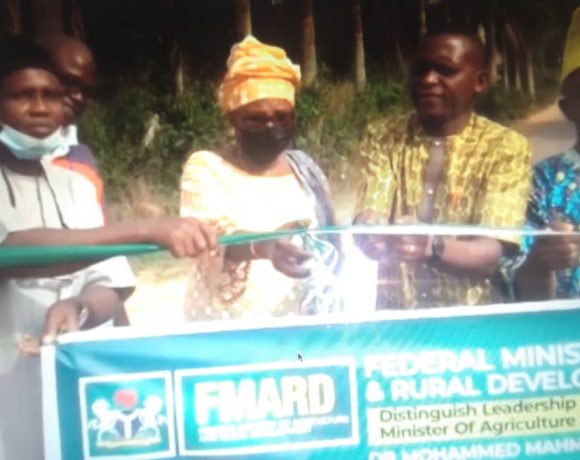
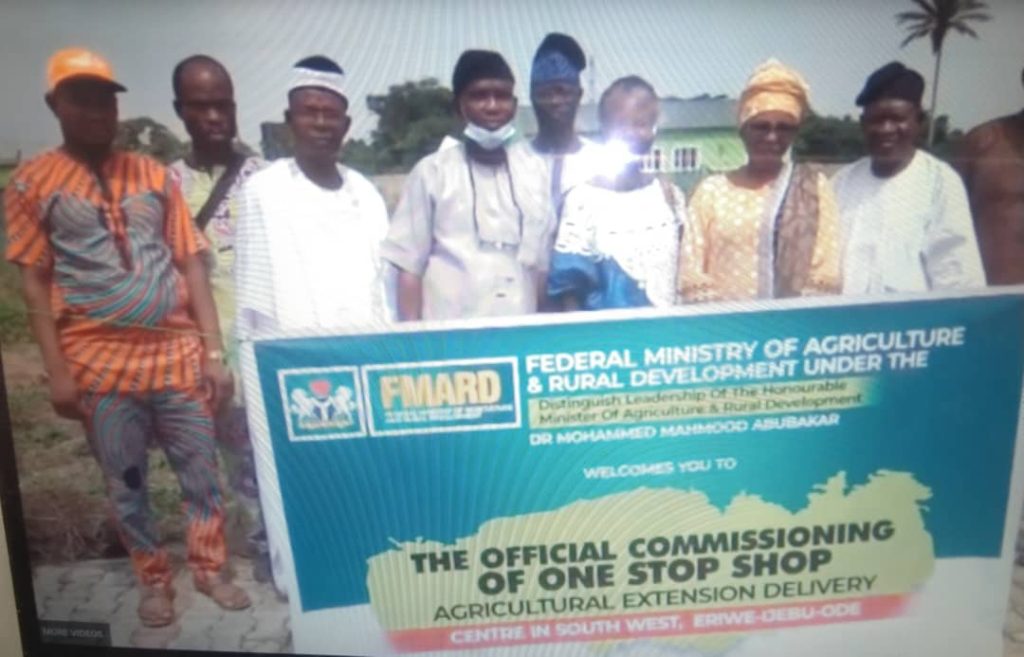
The Federal Ministry of Agriculture and Rural Development in Ogun state has inaugurated six projects constructed under the 2021 budget of the ministry.
Minister in Charge of the Ministry, Dr Muhammed Abubakar while inaugurating the projects urged the benefiting communities to put the projects to good use and ensure their maintenance to make them durable.
The Minister represented by the South West Regional Director of the Ministry, Mrs Abimbola Oguntuyi accompanied by the Ogun State Coordinator of the ministry, Mr Ganiyu Oseni while inaugurating the projects said officials of the ministry in Ogun state will monitor the projects to ensure that they are put to good use.
At the inauguration of the One-Stop Shop Agricultural Extension Delivery Centre in South West located at Eriwe in Ijebu Ode, the representative of the minister said the project will assist farmers in the region to access needed information on agriculture development including weather forecast, seed management harvest and others.
The ministry also inaugurated a community link road project at Ikenne where members of the community called for more of such projects stating that roads in the community are not in good condition.
The Inaugurated roads by the Federal Ministry of Agriculture and Rural Development, in Ogun state, include the Ikenne Ogundalu road/O&A Road and Owowo community road.
The Representative of the minister also inaugurated the Agric business incubation Centre, constructed on the campus of Federal University of Agriculture, Abeokuta, Ogun state and the Water Harvesting Structure with Ponds which also included two yam barns at Eweje Farm Settlement in Odeda.
Speakers at the various projects Commissioning site including the traditional rulers, community leaders and experts commended the Federal Ministry of Agriculture and Rural Development for embarking on the projects they described as impacting positively on the lives of the people.
They also called for more of such projects noting that poverty will be drastically reduced with such government interventions at the grass root.
Aare orileede yi Muhammadu Buhari ti taari afikun owo bi eedegberun billion naira sinu aba eto isuna odun 2021, si iwaju ile.
Igbimo Asofin Agba, ninu iwe kan tare Buhari ko ranse, sile Asofin Agba ohun, eyi tiwon ka nibere ijoko ile to waye, lo ti so pe, afikun owo naa lo wa fun owona eto Abere Ajesara to n dena arun Covid-19 eyi ton lowo.
O salaye pe, lara awon inkan tiwon yoo tun lo owo naa fun ni itoju awon eeyan be egberun lona aadota to wa labe eto itoju kokoro arun AIDS nile yii, yika awon ipinle.
Aare ko sai fikun pe, aba eto isuna ohun yoo tun seranwo lati safikunb awon irinse tiwon n lo fun gbigbogun tokan o jokan ipeniha to n koju ile Nigeria.
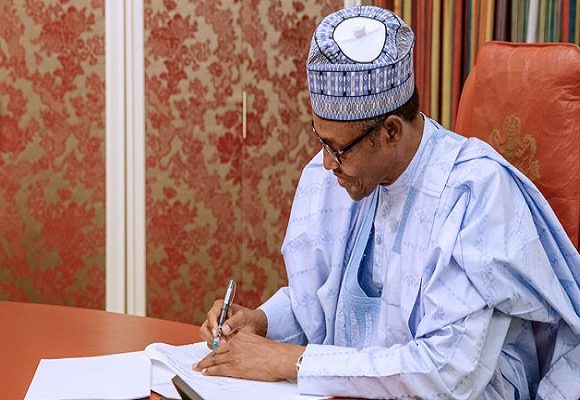
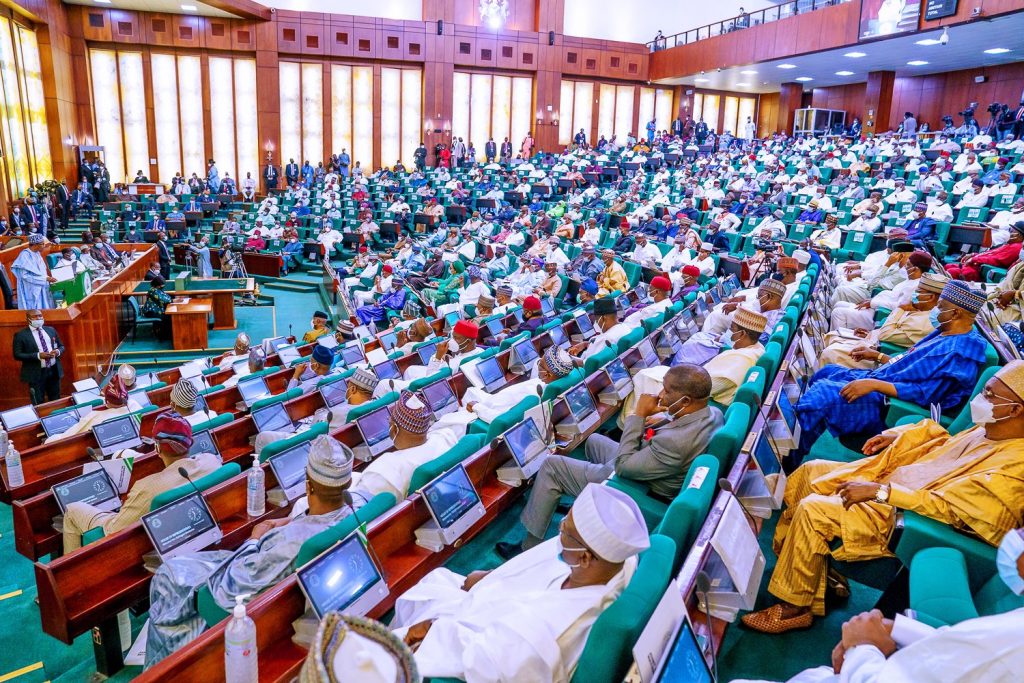
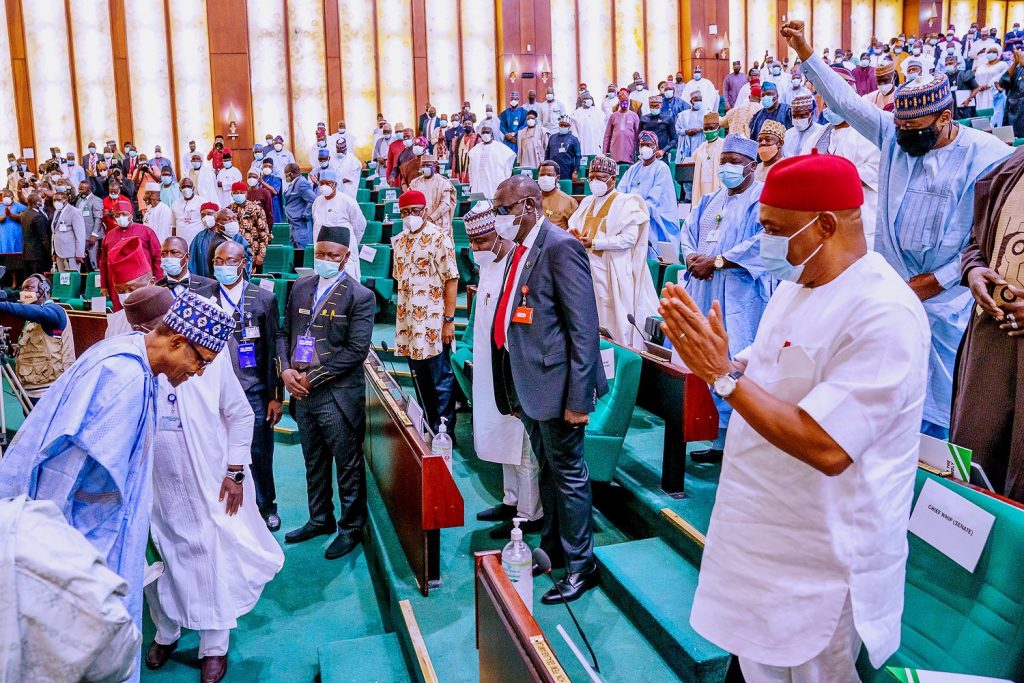
President Muhammadu Buhari on Thursday signed the 2021 budget into law at the Council Chambers of the State House in Abuja.
This is coming ten days after both chambers of the National Assembly approved N13.6 trillion (13,588,027,886,107) against the N13.08 trillion proposed by the president in October.
The lawmakers increased the budget by the sum of N505, 607,317,942.
The signed budget comprises the total Capital Supplementation of N1,060,751,051,650.
Statutory Transfer stands at N496,528,471,273; recurrent Expenditure of N5,641,970,060,680 and Gross Domestic Product (GDP) growth rate of 3.00 Per cent.
It also provides N3,324,380,000 trillion for debt servicing while N5,641,970,060,680 is for Recurrent Expenditure; and N4,125,149,354,222 for Capital Expenditure.
Also, the president signed the 2020 Finance Bill into law.
Among those present at the signing of the budget include the Vice-President, Yemi Osinbajo, Senate President Ahmad Lawan and the Speaker of the House of Representatives, Femi Gbajabiamila.
Others at the Council Chamber were the Secretary to the Government of the Federation, Boss Mustapha and some cabinet ministers.
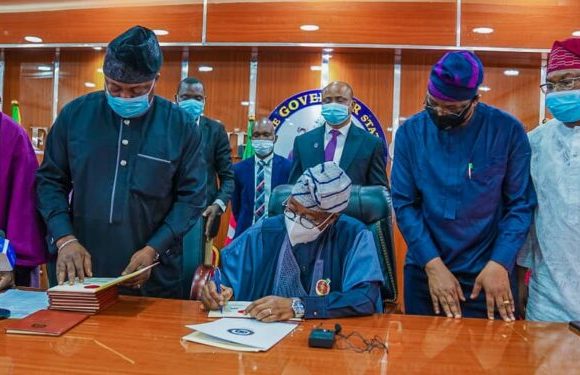
The Governor of Osun State, Mr Adegboyega Oyetola has signed the 2021 Appropriation Bill of about 109 billion naira into law.
Signing the budget in his office, Mr Oyetola said the estimate would offer greater hope of job opportunities; improved welfare for all; human, capital and massive infrastructure development than the previous year.
The governor said his administration was resolved to follow time-tested economic principles to enhance optimum results of the 2021 budget.
He reaffirmed the administration’s commitment to employing creative and probity strategies in the implementation of the budget to effect maximum performance.
The governor who described the budget as a product of reality, said modalities had been put in place to ensure that the budget offered more hope as government is determined to perform better than before.
The Osun State helmsman maintained that, the state was on the path of delivering its development agenda in the year 2021 with 54 percent for capital and 46 percent for recurrent expenditure allocations and creative income strategies.
He announced that the 2020 budget recorded over 90 percent performance and the results were demonstrated in the massive delivery of programmes and projects across the state during the year, despite the fact that government was only able to perform for less than six months because of the lockdown occasioned by the COVID-19 pandemic and the EndSARS protest.
While presenting the Year 2021 Appropriation Bill to the governor for signing, the Speaker, Osun State House of Assembly, Mr Timothy Owoeye, commended the governor for his sterling performance in the implementation of the 2020 budget.
Also speaking, the Commissioner for Budget and Economic Planning, Professor Olalekan Yinusa, maintained that the success of the 2020 budget was due to the ingenuity and proactiveness of Governor Oyetola in spite of the challenges witnessed during the year.
He said the 2021 budget was prepared based on realistic and stringent conditions to meet the statutory obligations.
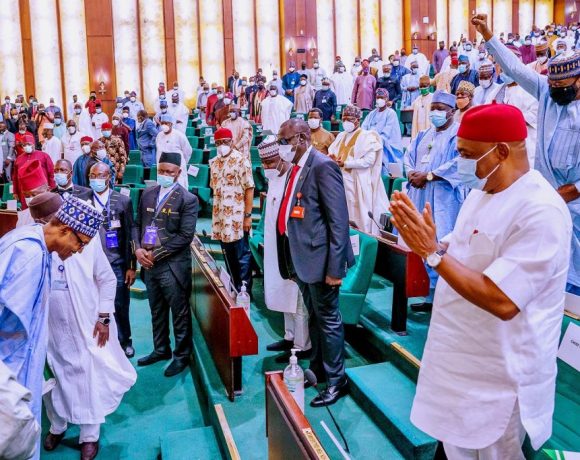
A special sitting of the House of Representatives is billed to hold today, Monday, barring any eventuality, to pass the 2021 Appropriation bill into law.
Ordinarily, Mondays are not usually plenary/legislative days for the National Assembly except for matters of extreme public importance and urgency.
The Appropriation Bill 2021, otherwise called the 2021 budget was laid before a joint session of the Senate and the House on October 8, this year by President Muhammadu Buhari. The envelope size of the proposal was N13.08 trillion.
The details showed that crude oil which is the mainstay of the nation’s economy is projected at $40bpd. Similarly, the exchange rate of Naira to the dollar was officially placed at N379 to $1. Gross Domestic Product, GDP is also expected to grow at three per cent while the inflation rate is placed at 11.95 per cent.
It will be recalled that the two chambers of the national assembly suspended plenary for more than one month to attend to the proposal. Throughout the period, various standing committees of the Senate and the House engaged with the Ministries, Departments and Agencies, MDAs of government who defended their financial estimates.
The acceleration given to the defence was ultimately to meet up with the January to December budget cycle which the country reverted to in 2019. But the experiment has however suffered some set back as the national assembly last week upon the request of the executive arm expressly passed a law to extend the timeline for the implementation of capital projects in the 2020 budget.
Titled ”Bill for an Act to Amend the Appropriation Act, 2020 to Extend the Expiration Period of Capital Expenditure in the Act beyond 31 December, 2020; and for Related Matters (HB.1194), the development has apparently altered the January to December budget cycle and shifted the implementation of the budget to now elapse March 31, 2021.
Contacted to confirm the special session on Monday, Hon. Bede Eke, member representing Aboh Mbaise Ngor/Okpala federal constituency of Imo State simply said “yes”, stressing that the sitting will hold.
Similarly, the Spokesman of the House, Hon. Benjamin Kalu also told Vanguard that the House was exclusively going to sit to approve the budget and then adjourn plenary for the Christmas holidays. “Yes to the best of my knowledge. We are reconvening just pass the budget and adjourn for the Christmas holidays”, he said.
With the passage of the Finance Bill 2020 last week and the expectations that the Appropriation Bill will also pass today, it is everybody’s hope that the government would embark on early and immediate implementation of the budget to help lift the economy out of the present recession.
The Oyo State House of Assembly has re-considered the just passed 2021 Appropriation and Finance Bills and re-passed a downward amount of 268.8 billion naira.
The House had on Tuesday, December 15, 2020 passed the bills into law in the tune of #273.7 billion as against #266.6 billion presented by the governor, left with a difference of #7.1 billion.
Speaking with newsmen, Chairman, House Committee on Finance and Appropriation, Mr Mustapha said the development was as a result of flaws that needed correction in the budget.
On allegation that the budget was unrealistic, and suspicion that the 2021 Appropriation had been padded, thereby rejected by the Governor, Mr Mustapha said it was untrue.
Meanwhile, the Assembly confirmed Justice Eni Esan and six others as Chairman and members of the State Anti-Corruption Board.
The confirmation was sequel to the request by the State Governor, Engr. Seyi Makinde in a letter forwarded to the House for the approval of the nominees.
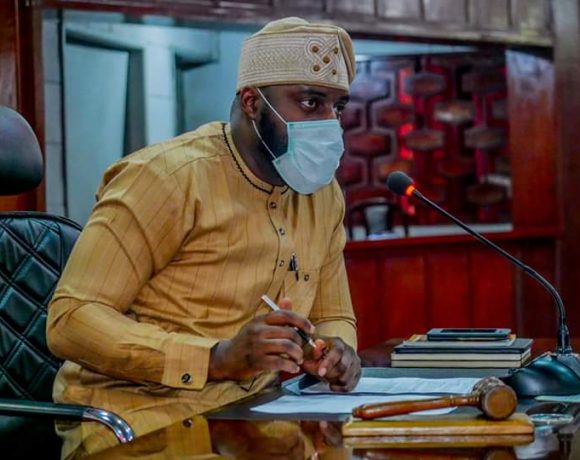
While confirming the nominees, the Speaker of the House, Mr. Adebo Ogundoyin, commended Governor Seyi Makinde for the choice of people he appointed as members of the state’s Anti-Corruption Board.
The Speaker implored the newly confirmed members of the board to continue to upholding their integrity, and not allow themselves to be compromised.
The House also approved the three months tenure elongation for the caretaker chairmen and chairpersons of Local Government Areas and Local Council Development Areas in the state.
The Osun House of Assembly has passed the state 2021 Appropriation Bill of 109.8 billion naira after it was read for the third time at the plenary.
Our Correspondent, Funmi Adekoya reports that Governor Gboyega Oyetola of Osun, had on November 10, presented year 2021 draft budget estimate of 109,855,051,640 billion naira christened “Budget of Providence” before the state’s House of Assembly for ratification and approval.
Subsequently, the Assembly from November 17 to December 2 entertained the state Ministries, Departments and Agencies, as they all appeared before the House Joint Committees, led by the Finance and Appropriation Committee, for their budget defence.
In his remark, the Speaker of the Assembly, Mr. Timothy Owoeye, after the passage of the budget, thanked his colleagues for their commitment and the effort put into the screening and passage of the budget.
He noted that the budget focused strongly on post COVID-19 recovery with huge investments in the economy and a sum of 1.4 billion naira budgeted for youth development to address the issue of Youth restiveness in the state.
The Speaker reiterated the resolve of the Assembly to strengthen its oversight function, saying the House would hold quarterly budget performance interaction with MDAs as well as sustaining public engagement to enable it get factual feedback from the people.
Mr. Owoeye urged budget the implementing Ministries and Agencies not to dampen the morale of the Assembly by continually working hard to deliver on all the components of the budget.
He said the passed budget would be transmitted to the governor for assent.
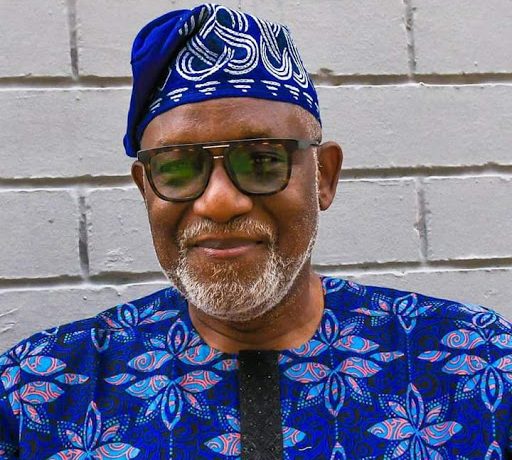
Ondo State Governor, Mr Oluwarotimi Akeredolu has presented a sum of one hundred and fifty-nine billion naira as budget proposal to the state Assembly for the 2021 fiscal year.
The governor represented by the Commissioner for Economic Planning & Budget, Pastor Emmanuel Igbasan at a presentation during plenary tagged the sum “Budget of Hope”.
The 2021 budget proposal is eight billion naira higher than the one hundred and fifty one billion naira revised budget of 2020 fiscal year.
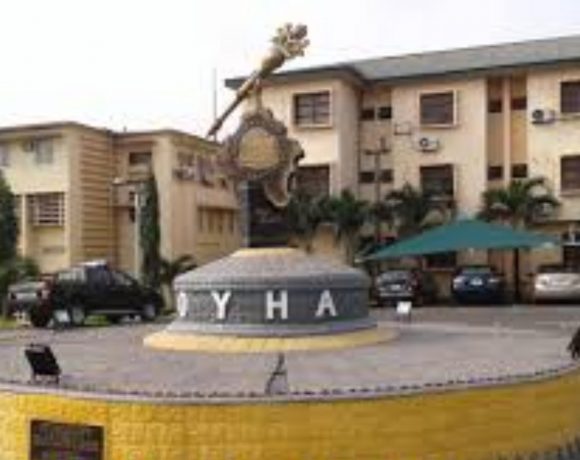
The budget according to the governor was said to have been prepared on the projections of the 2021 to 2023 Medium-Term Expenditure Framework (MTEF) as required by Fiscal Responsibility Law passed by the Ondo State House of Assembly, ODHA.
In the budget, a total sum of one hundred and three billion naira has been budgeted for recurrent expenditure and fifty-six billion naira for capital expenditure while over thirteen billion naira was voted for debt services and twelve billion naira for statutory transfer.
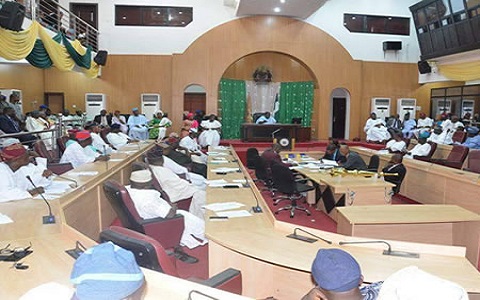
Receiving the budget, the speaker, Mr Bamidele Oleyelogun, commended Governor Akeredolu for giving priority to all sectors in order to ensure all-round development of the state.
Mr Oleyelogun assured that the lawmakers would do the needful for thorough and speedy passage of the proposed budget estimates into law.
The Appropriation Bill 2021 has passed through the second reading on the floor of the Osun House of Assembly.
This is sequel to a motion moved by the majority leader, Mr. Maruf Olanrewaju and seconded by the chief whip, Mr. Tunde Olatunji after deliberations on the policy trust of the bill by members of the house.
Commenting on the policy trust of the bill, the chairman, house committee on finance and appropriation, Mr. Taiwo Olodo said with the education and health sectors taking larger percentage of the budget, it indicated that the welfare of the people is taking priority.
Other members of the house in their remarks noted that if the budget is well implemented it would enhance the lives of youths and the vulnerable in the state.
They called for the speedy passage of the appropriation bill to allow the government to carry out its various developmental projects for the people of Osun state.
The speaker, Mr. Timothy Owoeye in his remark said the bill, tagged “budget of providence” would enhance the living standard of the people of the state especially after the covid-19 pandemic.
Mr. Owoeye who described the 2021 budget as achievable said the house would speed up process for its passage.
The speaker, has therefore, committed the appropriation bill to the committee of supply chaired by chairman house committee on finance and appropriation, Mr. Taiwo Olodo while budget defence by Ministries and Agencies will commence on Tuesday, November 17, 2020.
The Osun State governor, Mr Adegboyega Oyetola is to present 2021 budget to the Osun State House of Assembly, OSHA, on Tuesday.
This is contained in a letter sent to the speaker, Mr Timothy Owoeye which was read during the plenary session.
The speaker, urged members to be on ground by 10 O’clock in the morning for the plenary and budget presentation.
Earlier, the speaker, had also read a letter forwarded by the governor, titled, “Medium Term Expenditure Framework 2021 to 2023”, to which the governor is seeking approval of the assembly to implement.
Mr. Owoeye said the governor is seeking speedy consideration, ratification and passage of the expenditure framework, saying its financial submission forms part of the 2021 budget of the state.
He said the expenditure framework contains what the government have and intend doing for the people of the state in the next three years.
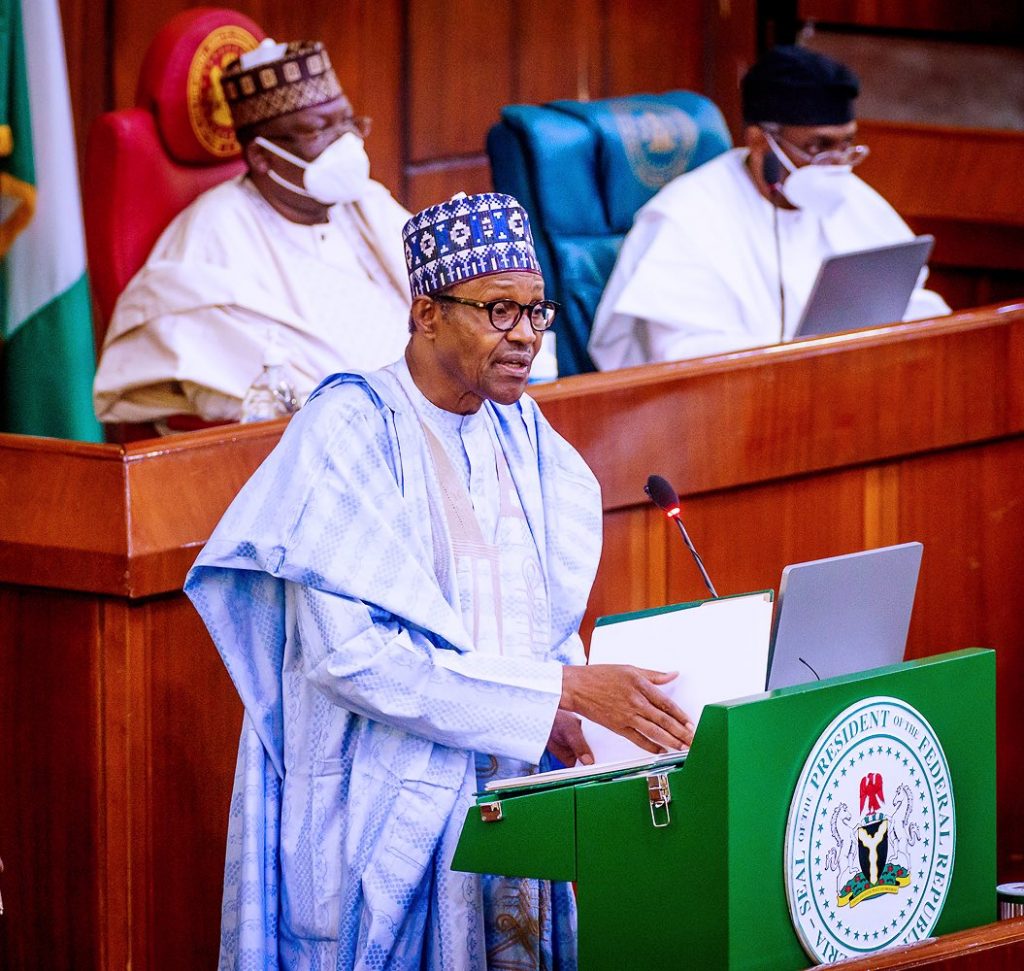
It is with pleasure that I present the 2021 Federal Budget Proposals to this Joint Session of the National Assembly.
Distinguished and Honourable Leaders, and Members of the National Assembly, at this juncture, I wish to commend your tremendous efforts in approving the revision of the 2020 – 2022 Medium-Term Expenditure Framework and Fiscal Strategy Paper, and passage of the 2020 Appropriation (Repeal and Amendment) Act, in response to the Coronavirus Pandemic.
Today marks an important occasion in our quest to accord the federal budget process the seriousness it deserves. In line with our commitment, we have worked extra hard to ensure early submission of the 2021 –2023 Medium-term Expenditure Framework and Fiscal Strategy Paper, as well as the 2021 Appropriation Bill. It is my sincere hope that the National Assembly will pass this Bill into law early enough to enable implementation by 1st January 2021, given the collaborative manner in which the budget was prepared.
In the course of this address, I will present the highlights of our budget proposals for the next fiscal year. The Honourable Minister of Finance, Budget and National Planning will, later, provide the full details of these proposals.
Recent Developments
The 2021 Budget was prepared amidst a challenging global and domestic environment due to the persistent headwinds from the Coronavirus Pandemic. The resulting global economic recession, low oil prices and heightened global economic uncertainty have had important implications for our economy.
The Nigerian economy is currently facing serious challenges, with the macroeconomic environment being significantly disrupted by the Coronavirus Pandemic. Real Gross Domestic Product (‘GDP’) growth declined by 6.1 percent in the second quarter of 2020. This ended the 3-year trend of positive, but modest, real GDP growth recorded since the second quarter of 2017. I am glad to note that, through our collective efforts, our economy performed relatively better than that of many other developed and emerging economies.
GDP growth is projected to be negative in the third quarter of this year. As such, our economy may lapse into the second recession in four years, with significant adverse consequences. However, we are working assiduously to ensure a rapid recovery in 2021. We remain committed to implementing programmes to lift 100 million Nigerians out of poverty over the next 10 years.
As skills’ deficits limit employment opportunities in the formal economy, various skills’ development programmes are being implemented simultaneously to address this problem frontally. For instance, the Government is implementing the Special Public Works programme to provide employment opportunities to 774,000 youths across the 774 local government areas of Nigeria. We have also recently introduced the N75 billion Nigeria Youth Investment Fund, of which N25 billion have been provided in 2021 Budget.
We thank all Nigerians, for your perseverance and continued support during these difficult times. We remain unwavering in our commitment to actualize our vision of a bright future for everyone.
Performance of the 2020 Budget
Distinguished and Honourable Members of the National Assembly, you will recall that the 2020 ‘Budget of Sustaining Growth and Job Creation’ was amended in response to recent fiscal pressures. I am glad to report that these efforts enabled us to effectively respond to the public health challenge of Coronavirus outbreak and moderate economic impact.
Pursuant to our revised assumptions, the amended 2020 Budget was based on a benchmark oil price of 28 US Dollars per barrel; oil production of 1.80 million barrels per day; and exchange rate of N360 to the US Dollar.
Based on these budget parameters, aggregate revenue of N5.84 trillion was projected to fund N10.81 trillion in expenditure. The projected deficit of N4.98 trillion, or 3.57 percent of GDP, is expected to be financed mainly by borrowing.
In 2020, average daily oil production was 1.88 mbpd up to June, as against the revised estimate of 1.80 mbpd for the entire year. However, the market price of Bonny Light crude averaged 40.79 US Dollars per barrel, significantly higher than the revised benchmark price of 28 US Dollars.
As at July 2020, the Federal Government’s actual revenue available for the budget was N2.10 trillion. This revenue performance was only 68 percent of our pro-rated target in the revised 2020 budget. At N992.45 billion, oil revenue performed well above our budget target, by 168 percent. Non-oil tax revenues totalled N692.83 billion, which was 73 percent of the revised target.
To improve independent revenue performance, I have directed that the cost profiles of Government Owned Enterprises (‘GOEs’) should be scrutinized and limits imposed on their cost-to-revenue ratios. Supervising Ministers have also been directed to ensure closer monitoring of the revenue generating activities and expenditures of the Government Owned Enterprises.
On the expenditure side, as at end of July 2020, a total of N5.37 trillion had been spent as against the pro-rated expenditure of N5.82 trillion. Accordingly, the deficit was N3.27 trillion. This represents 66 percent of the revised budgeted deficit for the full year.
Despite these challenges, we met our debt service obligations. We are also up to date on the payment of statutory transfers and staff salaries, while overhead costs have been significantly covered.
For the first time in recent years, we commenced the implementation of this year’s capital budget in the first quarter. As at 15th September 2020 a total of about N1.2 trillion had been released for capital projects. Every Federal MDA has received at least 50 percent of its 2020 capital expenditure budget, in line with my earlier directives.
Let me emphasise that revenue generation remains our major challenge. Nevertheless, Government is determined to tackle the persisting problems with domestic resource mobilization, as there is a limit to deficit financing through borrowing. The time has come for us to maintain a healthy balance between meeting our growing expenditure commitments and our long-term public financial health.
Key Achievements in the 2020 Fiscal Year
Over the last year, this Administration has implemented several priority projects. I am happy to report that much progress has been made on several fronts and our Government has delivered on key policies, programmes and projects in these priority areas.
In agriculture, we have recorded appreciable success in rice and other crops mainly through the Anchor Borrowers Programme and the Presidential Fertilizer Initiative, anchored by the Central Bank of Nigeria and the Nigeria Sovereign Investment Authority, respectively. We are also accelerating the construction of 337 rural roads around key agricultural corridors to enhance access to market and reduce post-harvest losses. These efforts have reduced the adverse impact of Coronavirus on our food availability, prices and security.
We have made progress on the railway projects connecting different parts of the country. The Lagos-Ibadan Line will soon be operational. The Abuja-Kaduna Line is running efficiently. The Itakpe-Ajaokuta Line was finally completed after over 30 years since it was initiated and commissioned in September 2020.
Arrangements are underway to complete the Ibadan-Kano Line. Also, work will soon commence on the Port Harcourt-Maiduguri Line and Calabar-Lagos Coastal Line, which will connect the Southern and Eastern States to the North, and the South-South as well as South-East to the North, and South-West, respectively.
The Second Niger Bridge is at about 46 percent completion. We hope to commission the project before the end of our tenure in 2023. We have awarded several contracts to rehabilitate, reconstruct and construct major arterial roads, in order to reduce the hardship to commuters and increase economic activity.
To bridge the infrastructure deficit, we are also implementing innovative financing strategies to pull-in private sector investment. The Infrastructure Company, which I recently approved, will become a world-class infrastructure development vehicle, wholly focused on making critical infrastructural investments in Nigeria. This Infrastructure Company will raise funding from the Central Bank of Nigeria, the Nigeria Sovereign Investment Authority, the Africa Finance Corporation, pension funds as well as local and foreign private sector development financiers.
Under the Road Infrastructure Tax Credit Scheme, we are undertaking the construction and rehabilitation of over 780km of roads and bridges, nationwide, to be financed by the grant of tax credits to investing business. Ongoing projects under this scheme include:
a. Construction and Rehabilitation of Lokoja-Obajana-Kabba-Ilorin Road Section II (Obajana-Kabba) in Kogi and Kwara States;
b. Construction of Apapa-Oworonshoki-Ojota Expressway in Lagos State; and
c. Construction of Bodo-Bonny road with a Bridge across the Opobo Channel in Rivers State
To enhance good governance, we strengthened our anti-corruption agencies to ensure they work independently and jointly, while respecting the rule of law. We have also worked to address emergent cases of insecurity and insurgency, nationwide, with innovative approaches. Our security operations in the Niger Delta, North Central and North West are yielding desired results. We are determined to get rid of bandits, kidnappers and criminal behaviour from our midst.
Theme & Priorities of the 2021 Budget
Distinguished Senators; Honourable Members; let me now turn to the 2021 Appropriation Bill, which is designed to further deliver on the goals of our Economic Sustainability Plan. This Plan provides a clear road map for our post- Coronavirus economic recovery as a transitional plan to take us from the Economic Recovery and Growth Plan (2017 – 2020) to the successor Medium-Term National Development Plan (2021 – 2025).
In view of the many challenges confronting us, we must accelerate our economic recovery process, promote social inclusion and strengthen the resilience of the economy. The 2021 Appropriation has, therefore, been themed the ‘Budget of Economic Recovery and Resilience’. It is expected to accelerate the pace of our economic recovery, promote economic diversification, enhance competitiveness and ensure social inclusion.
Parameters & Fiscal Assumptions Underpinning the 2021 Appropriation
Distinguished Members of the National Assembly, the 2021 – 2023 Medium Term Expenditure Framework and Fiscal Strategy Paper set out the parameters for the 2021 Budget, which include:
a. Benchmark oil price of 40 US Dollars per barrel;
b. Daily oil production estimate of 1.86 million barrels (inclusive of Condensates of 300,000 to 400,000 barrels per day);
c. Exchange rate of N379 per US Dollar; and
d. GDP growth projected at 3.0 percent and inflation closing at 11.95 percent.
Finance Bill 2020
Distinguished and Honourable Members; I have directed the Minister of Finance, Budget and National Planning to finalise the Finance Bill 2020, which will be forwarded for your kind consideration and passage into law, shortly after today’s 2021 Budget presentation. The Finance Bill is to support the realization of our 2021 revenue projections, adopt appropriate counter-cyclical fiscal policies and enhance the efficiency of fiscal incentives.
Tax Expenditure Statement
In compliance with the Fiscal Responsibility Act of 2007, we will prepare and publish, a Tax Expenditures Statement for 2019. The 2019 Statement will be the first of these annual Statements, setting out the estimated cost of tax exemptions, incentives and rebates provided under Nigeria’s revenue and other laws. The 2019 Statement is expected to contribute to public discussion on the use of our tax policies and system to achieve socio-economic development.
Federal Government Revenue Estimates
Based on the foregoing fiscal assumptions and parameters, total federally distributable revenue is estimated at N8.433 trillion in 2021. Total revenue available to fund the 2021 Federal Budget is estimated at N7.886 trillion. This includes Grants and Aid of N354.85 billion as well as the revenues of 60 Government-Owned Enterprises.
Oil revenue is projected at N2.01 trillion. Non-oil revenue is estimated at N1.49 trillion. As you will observe, the format of the 2021 Appropriation Bill has been modified to include budgeted revenues, no matter how small, for each MDA, to focus on internal revenue generation. Accordingly, I implore you to pay as much attention to the revenue side as you do to the expenditure side.
Planned 2021 Expenditure
An aggregate expenditure of N13.08 trillion is proposed for the Federal Government in 2021. This includes N1.35 trillion spending by Government-Owned Enterprises and Grants and Aid funded expenditures of N354.85 billion. For 2021, the proposed N13.08 trillion expenditure comprises:
a. Non-debt Recurrent Costs of N5.65 trillion;
b. Personnel Costs of N3.76 trillion;
c. Pensions, Gratuities and Retirees’ Benefits of N501.19 billion;
d. Overheads of N625.50 billion;
e. Debt Service of N3.124 trillion;
f. Statutory Transfers of N484.49 billion; and
g. Sinking Fund of N220 billion (to retire certain maturing bonds).
Fiscal Balance
The 2021 Budget deficit (inclusive of Government Owned Enterprises and project-tied loans), is projected at N5.20 trillion. This represents 3.64 percent of estimated GDP, slightly above the 3 percent threshold set by the Fiscal Responsibility Act, 2007. It is, however, to be noted that we still face the existential challenge of Coronavirus Pandemic and its aftermath; I believe that this provides a justification to exceed the threshold as provided for by this law.
The deficit will be financed mainly by new borrowings totalling N4.28 trillion, N205.15 billion from Privatization Proceeds and N709.69 billion in drawdowns on multilateral and bilateral loans secured for specific projects and programmes.
Statutory Transfers
The sum of N484.49 billion provided for Statutory Transfers in the 2021 Budget represents an increase of N56.46 billion (or 13 percent) over the revised 2020 provision. The Statutory Transfer provisions are:
a. Niger Delta Development Commission – N63.51 billion;
b. North East Development Commission – N29.70 billion;
c. National Judicial Council – N110.00 billion;
d. Universal Basic Education Commission – N70.05 billion;
e. Independent National Electoral Commission – N40.00 billion;
f. National Assembly – N128.00 billion;
g. Public Complaints Commission – N5.20 billion;
h. Human Rights Commission – N3.00 billion; and
i. Basic Health Care Provision Fund – N35.03 billion.
In compliance with the Fiscal Responsibility Act 2007, all beneficiaries of Statutory Transfers will be required to provide the Budget Office of the Federation with periodic reports on the allocation and expenditure of funds for inclusion in the quarterly Budget Implementation Report.
Recurrent Expenditure
In our efforts to enhance national security and human capital development, a major part of the 2021 recurrent cost estimate is allocated to paying salaries and overheads in MDAs providing these critical public services. These include:
a. N227.02 billion for the Ministry of Interior;
b. N441.39 billion for the Ministry of Police Affairs;
c. N545.10 billion for Ministry of Education;
d. N840.56 billion for Ministry of Defence; and
e. N380.21 billion for Ministry of Health.
Personnel Costs
Personnel cost is still our largest single item of expenditure. In the 7 months to 31st July 2020, it accounted for 34 percent of total Federal Government spending and is projected at 33 percent of 2021 expenditure.
To check the incidence of payments to non-existent personnel and unauthorised allowances, only Federal staff that have been captured on the Integrated Personnel Payroll Information System (‘IPPIS’) platform will receive salaries.
All agencies have been directed to ensure that they obtain all necessary approvals before embarking on any fresh recruitment. Any breach of these directives will be severely sanctioned.
Debt Service
We remain committed to meeting our debt service obligations. Hence, we have provisioned N3.12 trillion for this in 2021, representing an increase of N445.57 billion from N2.68 trillion in 2020. A total of N2.183 trillion has been set aside to service domestic debts while N940.89 billion has been provided for foreign debt service. N220 billion is provided for transfers to the Sinking Fund to pay off maturing bonds issued to local contractors and creditors.
Overhead Costs
Total overhead costs of MDAs and Government Owned Enterprises are projected to rise to N625.50 billion in 2021, mainly due to the inclusion of the overheads of an additional 50 Government Owned Enterprises. Overhead provisions have also been made for newly created agencies. To keep a tab on running costs, MDAs must adhere to extant expenditure controls.
Capital Expenditure
An aggregate sum of N3.85 trillion is expected to be available for capital projects in 2021, as summarised below:
a. N1.80 trillion for MDAs’ capital expenditure;
b. N745 billion for Capital Supplementation;
c. N355 billion for Grants and Aid-funded projects;
d. N20 billion for the Family Homes Fund;
e. N25 billion for the Nigeria Youth Investment fund;
f. N336 billion for 60 Government Owned Enterprises;
g. N247 billion for capital component of Statutory Transfers; and
h. N710 billion for projects funded by Multi-lateral and Bi-lateral loans.
The 2021 capital budget is N1.15 trillion higher than the 2020 provision of N2.69 trillion. At 29 percent of aggregate expenditure, the provision moves closer to this Administration’s policy target of 30 percent.
Capital expenditure in 2021 remains focused on the completion of as many ongoing projects as possible, rather than the commencement of new ones. We have also made efforts to ensure equity in the distribution of projects and programmes in the proposed budget. I will be providing the National Assembly a list of some of the most critical projects which we must work collectively to ensure they receive adequate funding. Until projects reach completion, they do not deliver the dividends of democracy that Nigerians rightly deserve.
Highlights of the 2021 Capital Projects
Key capital spending allocations in the 2021 Budget include:
a. Power: N198 billion (inclusive of N150 billion for the Power Sector Recovery Plan);
b. Works and Housing: N404 billion;
c. Transportation: N256 billion;
d. Defence: N121 billion;
e. Agriculture and Rural Development: N110 billion;
f. Water Resources: N153 billion;
g. Industry, Trade and Investment: N51 billion;
h. Education: N127 billion;
i. Universal Basic Education Commission: N70 billion;
j. Health: N132 billion;
k. Zonal Intervention Projects: N100 billion; and
l. Niger Delta Development Commission: N64 billion.
The Ministry of Agriculture and Rural Development will facilitate the integrated development of its sector by promoting crops’ value chains; as well as providing rural roads, water and sanitation, veterinary and pest controls, grazing, food and strategic reserves, and access to inputs and extension services.
The 157 percent increase in the capital allocation to the health sector is to enhance the capacity to deliver healthcare services through the procurement of equipment, vaccines and other facilities. Two centres of excellence, as well as one Accident and Emergency Centre, will be equipped in Federal Teaching Hospitals in each geopolitical zone.
In addition, numerous Primary Health Care Centres will be equipped and upgraded across the six geopolitical zones. Furthermore, funds have been allocated for the expansion of Midwives Service Scheme in the six geopolitical zones. To enhance occupational safety, funds have been provided for the provision of Personal Protective Equipment for health workers.
The Ministry of Education’s capital allocation has been increased by 65 percent to improve the education of our children. Funds have been provided for the provision of scholarship awards to Nigerian students at home and abroad.
We have provided funds for the upgrade of security and other infrastructural facilities in our Unity Colleges nationwide. To improve access to education, we have made provision for the establishment of five new Federal Science and Technical Colleges. We have also provided for the payment of allowances to 5,000 teachers under the Federal Teachers Scheme.
In line with our commitment to invest in Transportation Infrastructure, capital allocation to the Works and Housing sector is to facilitate the completion of several critical projects in 2021. I have directed the Minister of Finance, Budget and National Planning to provide a detailed breakdown of key infrastructural projects in her subsequent Press Briefing.
Key projects for implementation in the Power sector include several Rural Electrification Projects in the 36 States and Abuja, Rural Electrification Access Programme in Federal Universities, the Kaduna LPFO Gas Fired power Plant, the Mambilla Hydro Power Project and the Zungeru Hydropower Project.
Provisions have been made for legacy debts owed to local contractors compensation and resettlement of project-affected communities, the Renewable Energy Micro Utility (Solar) project, and the construction of transmission lines and substations nationwide. These project’s implementation is expected to have positive impact on electricity supply nationwide, as well as boost productivity and employment.
Projects to be implemented by the Ministry of Water Resources in 2021 include provision of potable water in the North East, construction of irrigation and dams across the country, and the provision of Water, Sanitation and Hygiene facilities.
The Ministry of Transportation has earmarked funds for projects such as the Lagos-Ibadan-Kano Line, Abuja-Kaduna Line, Port-Harcourt-Maiduguri Line and Itakpe-Ajaokuta-Warri Line. These projects, when completed, will minimize the cost of transporting people and goods around the country.
To maintain the peace in the Niger Delta region for economic and social activities to thrive, the provision of N65 billion for the Presidential Amnesty Programme has been retained in the 2021 Budget. In addition, the sum of N63.51 billion has been appropriated for the Niger Delta Development Commission and N24.27 billion has been provided for the capital projects of the Ministry of Niger Delta Affairs. These allocations should further support the development of the region by facilitating the completion of important ongoing projects, such as the East-West Road.
Government Fiscal Strategy in 2021
The government is already implementing several measures to overcome our fiscal constraints. In addition to the Strategic Revenue Growth Initiatives, we are leveraging technology and automation, as well as more effective monitoring of Independently Generated Revenues. Our efforts are aimed at addressing revenue leakages and redirecting scarce resources to the poor and vulnerable. These efforts include:
a. Deregulation of the price of petroleum products;
b. Ongoing verification exercise with IPPIS; and
c. Implementation of service-based electricity tariffs.
The new petrol pricing regime has freed up resources that was allocated to subsidise petroleum products. Similarly, the ongoing IPPIS verification exercise has closed gaps that encourage ghost workers or pensioners. The service reflective electricity tariffs will help resolve liquidity crisis in the power sector and make the sector attractive to foreign investment. These reforms have released trillions of Naira for allocation to other priority areas.
Distinguished Senators, Honourable Members, permit me to reiterate that the main thrust of our capital spending programme in 2021 is the completion of as many ongoing projects as possible across the country. Accordingly, we have prioritized projects that can be rapidly completed to benefit our people.
Distinguished Senators and Honourable Members, I note, with satisfaction, your determination to promptly consider and pass the Petroleum Industry Bill into law. The enactment of this Bill will boost confidence and attract further investments into our oil and gas sector, as well as increase revenues.
I fully understand the difficulties many of our people are going through with the implementation of our reform agenda. However, the measures we are implementing are necessary for sustainable public finance, better allocation of our scarce resources and improved public service delivery. As we implement these reforms, social safety nets will be implemented to cushion the effect of the most vulnerable of our citizens as well as business owners.
In furtherance of our inclusiveness agenda, the sum of N420 billion has been provided to sustain the Social Investment Programme. N20 billion has also been set aside for the Family Homes Fund, our Social Housing Programme. We have expanded our National Social Register, to include an additional one million Nigerians following the onset of Coronavirus. We recently introduced the N75 billion Survival Fund Programme to support and protect businesses from potential vulnerabilities. Furthermore, the Central Bank of Nigeria is reducing the interest rate on its intervention facilities from 9% to 5% with a 1-year moratorium till 31st March 2021, to provide concessional lending of: . N100 billion to households and small businesses;
a. N100 billion to the healthcare and pharmaceutical industry; and
b. N1 trillion to large agricultural and manufacturing businesses.
We urge Nigerian businesses and individuals to make the most of these concessional credit facilities and other such opportunities.
Conclusion
Mr. Senate President, Mr. Speaker, Distinguished and Honourable Members of the 9th National Assembly; let me use this opportunity to, again, commend your firm commitment towards ensuring a very harmonious and productive relationship with the Executive. It is important to further deepen this relationship in the interest of our people.
As you review the 2021 Budget estimates, we believe the legislative process will be expedited to ensure its prompt passage to sustain the restoration of a predictable January – December fiscal year. In this regard, I have directed all Ministers and Heads of Agencies to be personally available for budget defence.
Let me re-emphasize that Nigerians expect that the 2021 Budget will contain only implementable and critical projects, which when completed, will significantly address current structural challenges of the economy, improve the business environment and accelerate economic recovery.
May I conclude my remarks by commending the National Assembly for its support in steering our economy during these very challenging times. We remain committed to sustaining this partnership. We believe that as we work together, we will jointly deliver on our joint mandate to our people.
Speaker, Oyo State House of Assembly, Mr. Adebo Ogundoyin has assured that the 2021 budget will be used to finance and implement projects specifically requested for by the people of the state.
This , the Speaker said was in line with the promise of Governor Seyi Makinde’s administration to always get the inputs of communities and residents of the state on projects to be executed and included in the annual budget.
Mr. Ogundoyin gave the assurance while leading the Stakeholders Consultative meeting on year 2021 budget organized by the Oyo State Ministry of Budget and Economic Planning in Igboora.
He explained that the first budget of the state Government was being used to finance and upgrade capital projects and infrastructures as well as pay salaries and gratuities among other things as requested by the people of the state during its consultations with them.
The Speaker assured the residents of Ibarapa land at the Stakeholders meeting that their requests which bother on rehabilitation of roads, upgrading of facilities in Schools , hospitals , stadiums and markets , adequate security, empowerment and support programs for farmers, artisans, traders and youth will be given priority in the budget.
Mr. Ogundoyin also announced that the Oyo State Government will soon commence the upgrading of Eruwa Farm settlement to Farm Estate, adding that the Project together with Akufo Farm Settlement are to serve as pilot schemes to develop other Farm Settlements across Oyo State.
The Oyo State Commissioner for Budget and Economic Planning, Mr. Adeniyi Farinto and the State Commissioner for Youth and Sports, Mr. Seun Fakorede in their remarks said the meeting was aimed at ensuring all inclusive participation in the budget process as well as ensure that the right projects are executed at the right time and for the right people.
Speaking earlier on behalf of the Royal fathers, the Onilala of Lanlate, Oba Sunday Olusegun Oladejo who enjoined the State Government to consider increasing the welfare of traditional rulers in the 2021 budget urged Engr Seyi Makinde to include Ibarapa land in the Light Up Oyo project being executed by his administration.
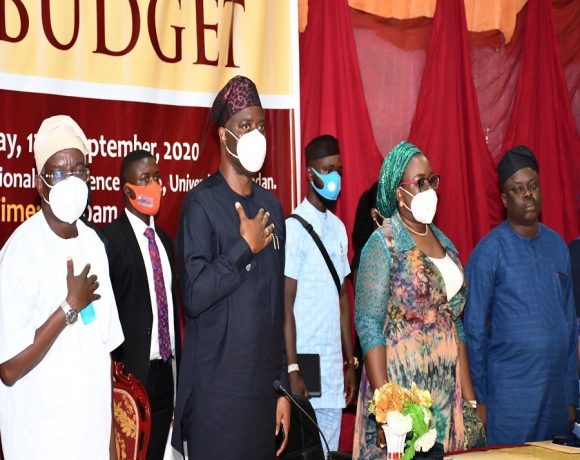
Oyo State Government has held stakeholders’ consultative meeting on the year 2021 budget with a call on relevant people to duly contribute to the budgeting process in the state to enhance people-oriented development across the state.
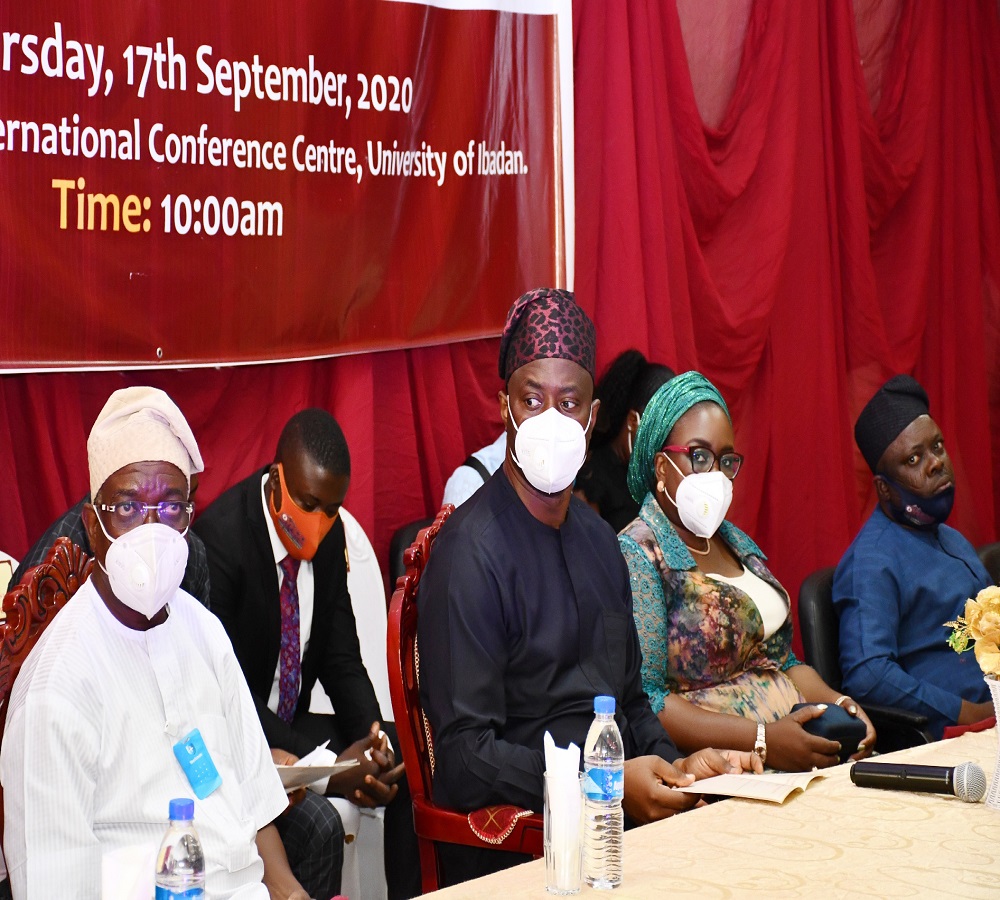
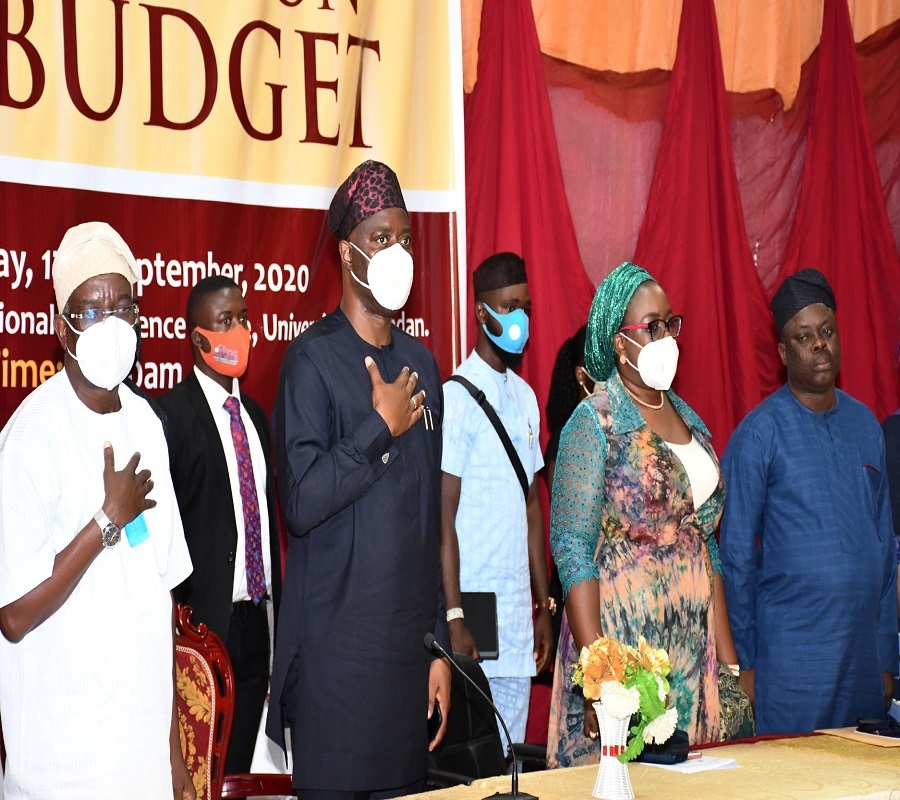
The consultative meeting was held at the International Conference Center, University of Ibadan.
Oyo State Governor, Engr Seyi Makinde (second left); his deputy, Engr Rauf Olaniyan (left); Secretary to the State Government, Mrs Olubamiwo Adeosun (second right) and the Commissioner for Budget and Economic Planning, Barr. Adeniyi Farinto, during the Stakeholders’ Engagement on 2021 Budget, held at the International Conference Centre, University of Ibadan, Ibadan. PHOTO: Oyo State Government.
Addressing the participants, Oyo State Governor, Engineer Seyi Makinde said the forum was part of the state government’s efforts to ensure wide consultations on the state’s 2021 Budget.
Governor Makinde expressed his determination to pursue and implement policies that would satisfy the yearnings of the people of the state in the 2020 and 2021 budgets.
Governor Makinde said government was able to make appreciable remark on the 2020 budget despite the challenges of the COVID-19 pandemic.
Commissioner for Budget and Economic Planning, Barrister Adeniyi Farinto stated that the present government in Oyo State would imbibe the principles of equity and participatory approach in the forthcoming budget.
Representative of civil society groups, pressure groups, local government and advocacy groups also reeled out their various concerns and expectations with an appeal to the state government to institutionalize the budgeting process
The Oyo Central and Oyo North session of the town hall meeting on the 2021 budget will also hold .