Foreign

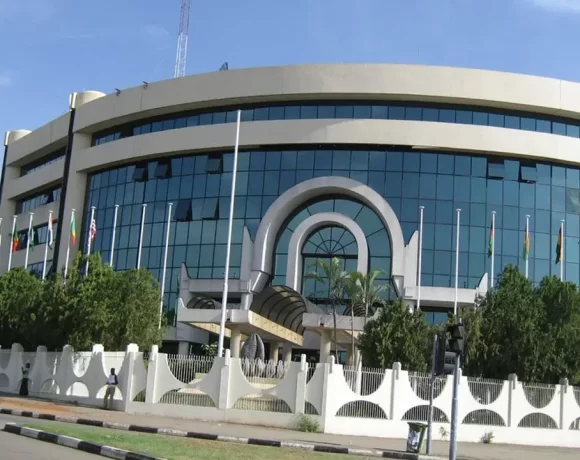
The military regimes in Burkina Faso, Mali and Niger had announced their immediate withdrawal from the Economic Community of West African States, ECOWAS, saying it had become a threat to member states.

The ECOWAS Commission, however, said the community is ready for a “negotiated solution” with the three countries
But the Presidency in its immediate reaction yesterday, said the three countries were technically not members of ECOWAS, since they were on suspension.

Leaders of the three Sahel nations issued a statement saying it was a “sovereign decision” to leave the ECOWAS “without delay”.

Struggling with jihadist violence and poverty, the regimes have had tense ties with ECOWAS since coups took place in Niger last July, Burkina Faso in 2022 and Mali in 2020.

All three, founding members of the bloc in 1975, were suspended from ECOWAS with Niger and Mali facing heavy sanctions as the bloc tried to push for early return of civilian governments with elections.

The sanctions were an “irrational and unacceptable posture” at a time when the three “have decided to take their destiny in hand”, a reference to the coups that removed civilian administrations.

The three nations have hardened their positions in recent months and joined forces in an “Alliance of Sahel States”.

The leaders’ joint statement added that 15-member ECOWAS, “under the influence of foreign powers, betraying its founding principles, had become a threat to member states and peoples.

They accused the grouping of failing to help them tackle jihadists, who swept into Mali from 2012 and then on to Burkina Faso and Niger.

Under pressure from the military regimes, France has removed ambassadors and troops and watched Russia fill the void militarily and politically.

The French army’s withdrawal from the Sahel, the region along the Sahara desert across Africa, has heightened concerns over conflicts spreading southward to Gulf of Guinea states Ghana, Togo, Benin and Ivory Coast.

BBC / Titilayo Kupoliyi

Subscribe to our Telegram and YouTube Channels and also join our Whatsapp Update Group 

Foreign

Security sources in Burkina Faso say unidentified assailants have killed 31 soldiers and three members of the Homeland Defence Volunteers – a group of civilians given basic military training.

The army said more than 40 assailants were killed.

The volunteers work alongside the army, typically carrying out surveillance, information-gathering or escort duties.

The attack, on a supply convoy, took place on Monday in the northern province of Bam in the Central-North region.

At least 10,000 have been killed and more than two million displaced in the prolonged jihadist insurgency Burkina Faso has been facing from neighbouring Mali.

BBC/Simeon Ugbodovon

Subscribe to our Telegram and YouTube Channels also join our Whatsapp Update Group

Sport

By Oluwakayode Banjo

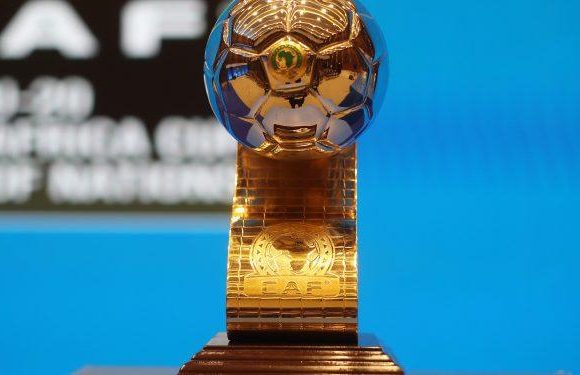
Burkina Faso defeated Cameroon 2 -1 in their final group game of the ongoing Under 17 African Cup of Nations, AFCON tournament in Algeria.

Burkina Faso finished second in Group C with 3 points and are through to the quarter final stage of the tournament.

Other teams, who had already qualified for the knockout stages are Senegal, Algeria, Nigeria, Morocco, Mali and Congo.

The quarter-finals will begin on Wednesday.

Subscribe to our Telegram and YouTube Channels also join our Whatsapp Update Group 

Foreign

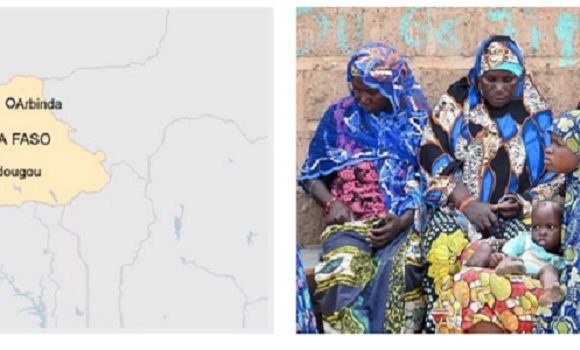
Some 50 women have been abducted by suspected jihadists in northern Burkina Faso, local officials say.

Residents in Arbinda said two groups of women were taken as they were out gathering leaves and wild fruits because of a severe food shortage.

A small number managed to escape and raise the alarm.

The abductions happened on Thursday and Friday, but news has just emerged, as much of the area has been blockaded by Islamist militants.

“The women got together to go and gather leaves and wild fruits in the bush because there is nothing left to eat,” one resident told the AFP news agency, adding that they had left with their carts on Thursday.

“On Thursday evening, when they didn’t come back, we thought that their carts had had a problem. But three survivors came back to tell us what happened,” said another resident.

Arbinda in the Sahel region has been hit hard by the jihadist insurgency.

Roads in and out have been blocked by the jihadists, there is severe hunger as food supplies are limited, and the humanitarian situation is desperate.

Last month, protesters in Arbinda broke into warehouses to get food and supplies.

Burkina Faso as a whole has been hit by a decade-long insurgency that has displaced nearly two million people.

The military seized power last January, promising an end to attacks, but the violence still rages.

BBC/Simeon Ugbodovon

Subscribe to our Telegram and YouTube Channels also join our Whatsapp Update Group
 

Foreign

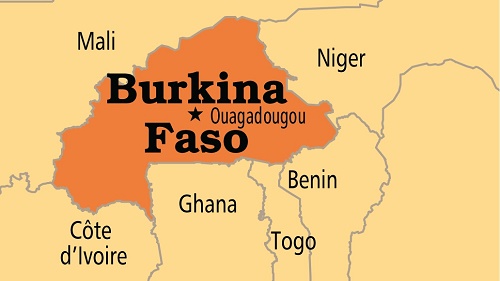
Burkina Faso has repeated its commitment to restoring constitutional rule within 18 months following a decision by the US to drop it from its preferential trade programme.

The American Trade Representative’s office said the country had failed to meet the requirements of the African Growth and Opportunity Act (Agoa) because it had acted unconstitutionally.

There were two military coups in Burkina Faso last year, sparked by the authorities’ inability to control an intensifying Islamist insurgency.

Agoa gives sub-Saharan African countries duty-free access to the US as long as they meet certain eligibility requirements, including progress towards democracy.

BBC/Simeon Ugbodovon

Subscribe to our Telegram and YouTube Channels also join our Whatsapp Update Group
Foreign

The Togolese government has confirmed that ousted Burkina Faso leader, Lieutenant-Colonel Paul-Henri Sandaogo Damiba fled to Togo following a military coup.

A report on Monday by France 24 said Togo’s Minister of Communication and government spokesman, Akodah Ayewouadan had confirmed that Damiba was in the country as part of its commitment to “peace in the sub-region”.

The report stated that the confirmation came as the West African bloc, ECOWAS, plans to send envoys to Burkina Faso after troops toppled Damiba in the country’s second putsch this year.

“Togo, like ECOWAS, welcomes the fact that the spirit of peace has prevailed,” a Togolese official told AFP.

“The reception of… Damiba is part of this spirit.”

The streets of Burkina Faso’s capital Ouagadougou were quiet on Monday after a two-day showdown between military rivals, media reports have said.

The ousted Burkinabe leader’s departure followed mediations between Damiba – who himself took power in a January putsch – and the new self-proclaimed leader, Ibrahim Traoré, by the religious and community leaders.

On Sunday, religious leaders who had mediated between the factions said that Damiba had offered his resignation as long as his security and other conditions were met.

A junta representative later announced on state television that their leader, Captain Ibrahim Traoré, officially has been named head of state following the Friday coup that ousted Damiba.

Their power grab marked Burkina Faso‘s second military coup this year, deepening fears that the political chaos could divert attention from an Islamic insurgency whose violence has killed thousands and forced 2 million to flee their homes.

FRCN / Titilayo Kupoliyi

Subscribe to our Telegram Channel and join our Whatsapp Update Group
Foreign

A coup attempt appears to be underway in Burkina Faso.

Gunshots have been heard near the presidential palace and access to major buildings, including the national assembly, the national broadcaster and the residence of the prime minister have been blocked by military vehicles.

It was only in January that the current head of state, Lt Col Paul-Henri Damiba, ousted President Roch Kaboré through a coup.

The democratically elected president was deposed for failing to contain violence by Islamist militants. Now Lt Col Damiba seems to be suffering a similar fate.

On Thursday hundreds of protesters took to the streets of the western city of Bobo Dioulasso to demand his resignation, blaming him for the ongoing insecurity in the country.

Eyewitnesses are reporting a heavy military presence around the city.

Schools are closed and residents are staying indoors, waiting for updates on the latest news.

Since 2015, authorities in Burkina Faso has been struggling to contain attacks by insurgent groups.

On Monday, 11 soldiers were killed in a militant attack in the northern Soum province, 50 civilians were reported missing.

BBC/Simeon Ugbodovon

Subscribe to our Telegram Channel and join our Whatsapp Update Group
Sport

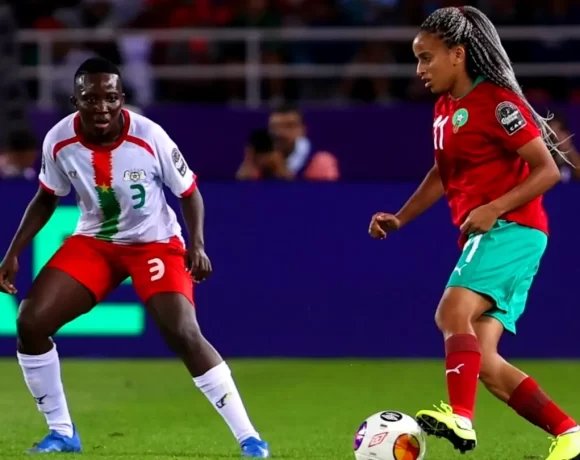
Morocco began their Women Africa Cup of Nations, WAFCON, campaign with a win against debutants Burkina Faso on Saturday at the Prince Moulay Abdellah Stadium in Rabat.

Mariam Ouattara failed to deal with a Ghizlane Chebbak 29th minute free-kick which creeped under her into the back of the net to give the host a 1-0 victory in front of a packed stadium.

Inexperience and naivety were Burkina Faso’s undoing on the night. Not a clear cut chance on goal and passes not sticking, they had to rely on their goalkeeper to keep them in the game

Morocco goalie, Khadija Er-Rmichi also saved twice in the 77th to keep her side in the lead.

Morcco will now turn their attention to next group opponent Uganda while Burkina Faso faces Senegal.

Vanguard /Oluwayemisi Owonikoko

Foreign

Burkina Faso’s government has announced three days of national mourning from Tuesday for the at least 50 civilians killed over the weekend in the north of the country.

Military leader Lieutenant Colonel Paul-Henri Damiba issued the decree late on Monday for the mourning to be observed across the country.

On Monday, the government said that 50 civilians had been killed in the attack by “unidentified armed men” in Seytenga area and warned that the toll may rise. Some reports have put the deaths at 100 or more.

During the mourning period, flags will be flown at half-mast on all public buildings and all Burkina Faso missions abroad

Celebrations and recreational events are also prohibited for the period.

The raid is a major setback for the military government, which forced its way to power accusing the elected government of failing to address the insecurity by jihadist groups.

The conflict which also affects swathes of Mali and Niger is displacing rural communities and contributing to a severe shortage of food.

Bbc/Adebukola Aluko

Feature

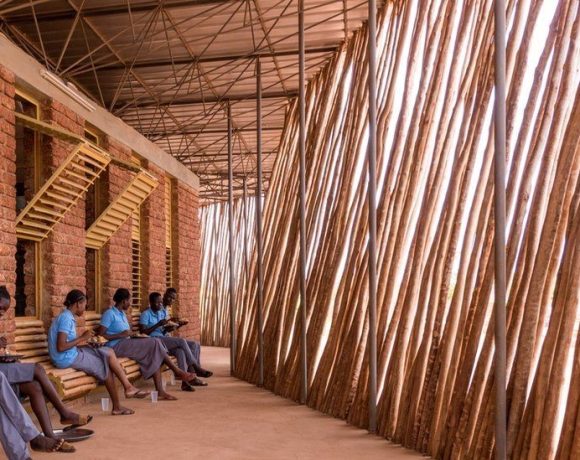
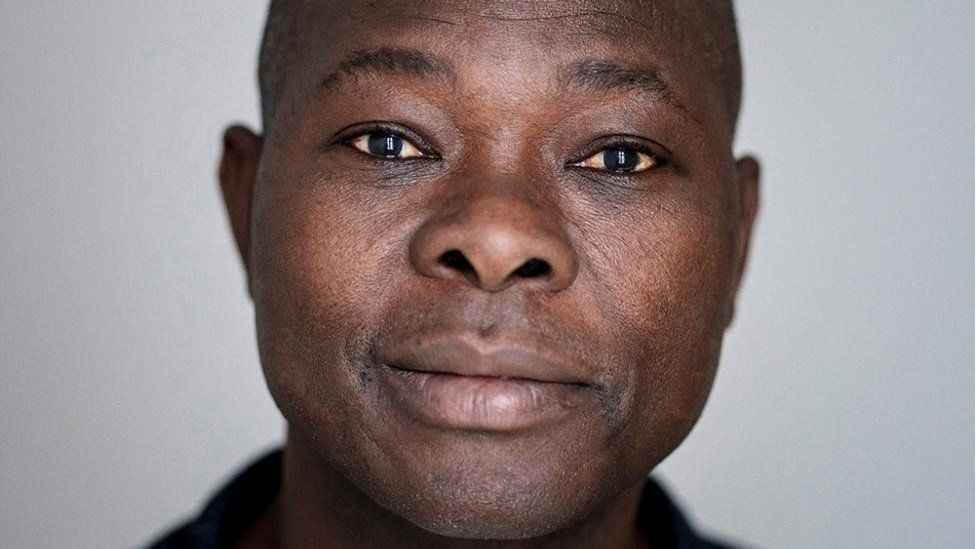
Burkina Faso-born architect, Diébédo Francis Kéré, has become the first African to win the prestigious Pritzker Prize, which is often referred to as the Nobel Prize of architecture.

His highly esteemed work, including permanent and temporary structures, has been erected in his country of birth, but also across Africa, Europe and the United States.

Diébédo Francis Kéré

Mr Kéré, 56, was elated to receive what is considered architecture’s most renowned award, telling the BBC he was “very happy, very proud. It was a huge surprise.”

But his decades-long journey to the top of his field was far from straightforward, with limited opportunities in his village.

“I grew up in a community where there was no kindergarten, but where community was your family,” he told the Pritzker Prize.

“I remember the room where my grandmother would sit and tell stories with a little light, while we would huddle close to each other and her voice inside the room enclosed us, summoning us to come closer and form a safe place. This was my first sense of architecture,” he continued.

At the age of seven, Mr Kéré found himself crammed into an extremely hot classroom with more than 100 other students.

As the first child in his community to have attended school, this experience of poor building facilities was his earliest inspiration to improve the educational lives of Burkina Faso’s children, using architecture.

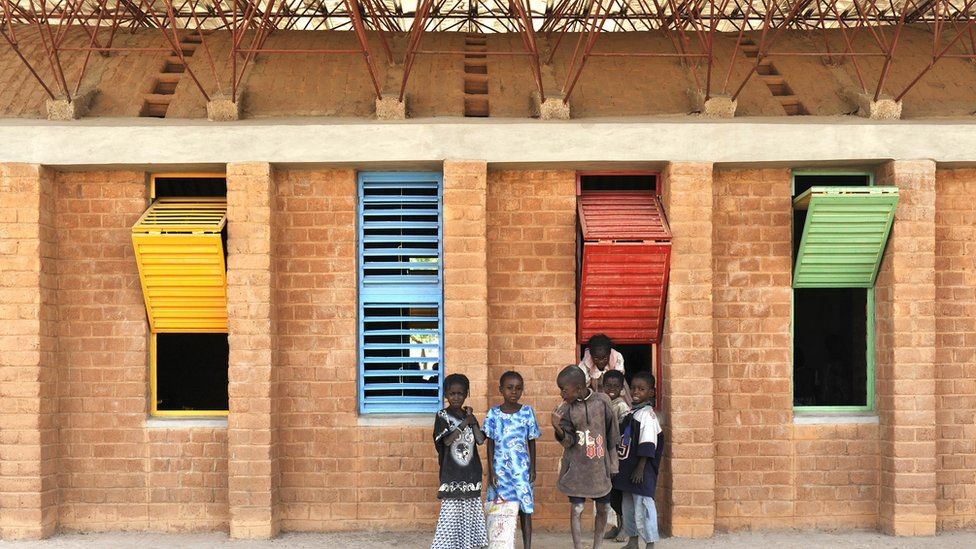
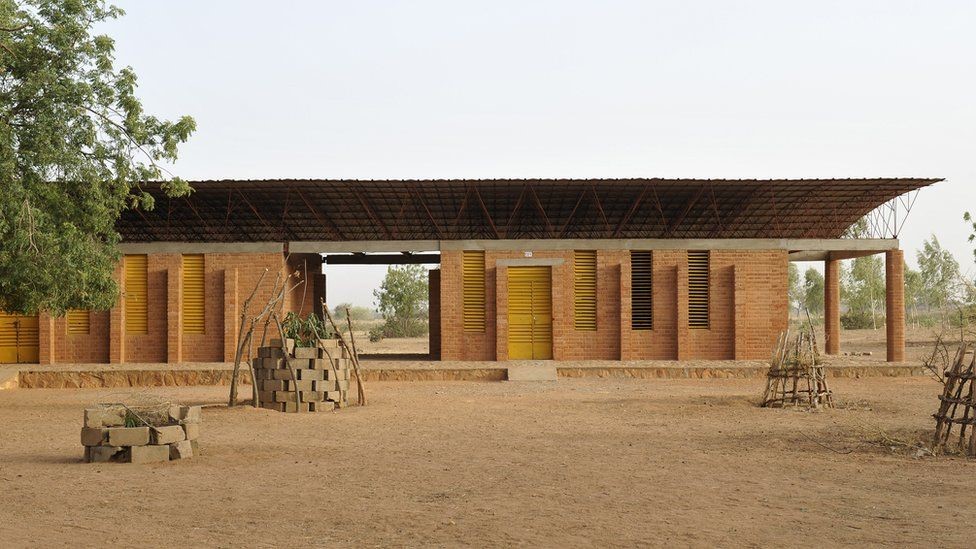
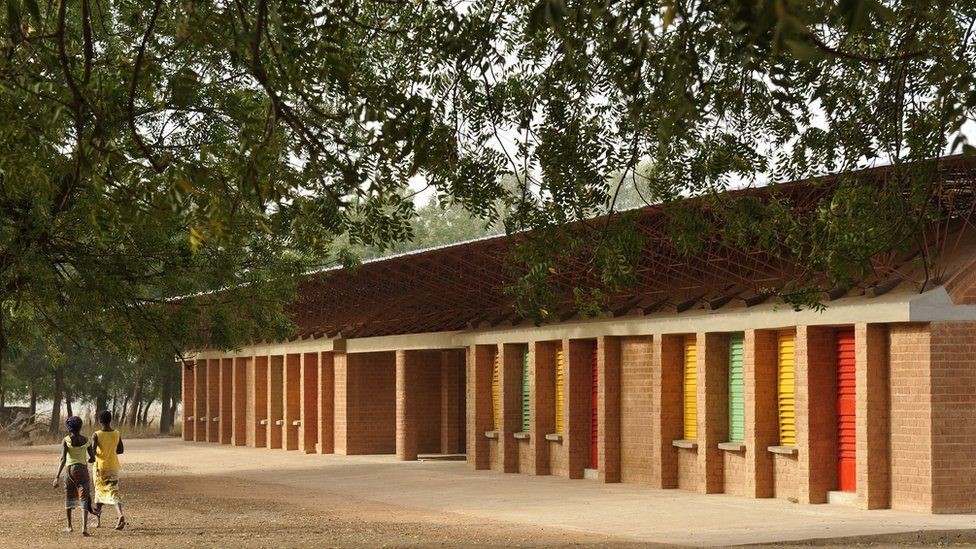
Years later and after studying in Germany, the dream became a reality, with Mr Kéré designing a primary school in his home village of Gando as his first building in 2001.

It was built with significant input from local people, who contributed to the workforce and resources, according to the prize’s website.

“Architecture is an instrument we can use to create better cities, to create space to inspire people, to create classrooms which inspire the best generation,” he told BBC Afrique.

The success of the primary school earned Mr Kéré the Aga Khan Award in 2004, which is awarded every three years to identify building projects that address the needs of societies with a large Muslim population.

The renown of the Gando school later paved the way for him to design more educational establishments, like Lycée Schorge, also in Burkina Faso.

One of the distinguishing markers of Mr Kéré’s work is his use of light, which Pritzker Prize facilitators noted in their announcement: “A poetic expression of light is consistent throughout Kéré’s works. Rays of sun filter into buildings, courtyards and intermediary spaces, overcoming harsh midday conditions to offer places of serenity or gathering.”

Mr Kéré’s signature use of light is also evident in his design of healthcare facilities, such as the Centre for Health and Social Welfare in Burkina Faso’s Opera Village, which is still under construction, according to the architect’s own website.

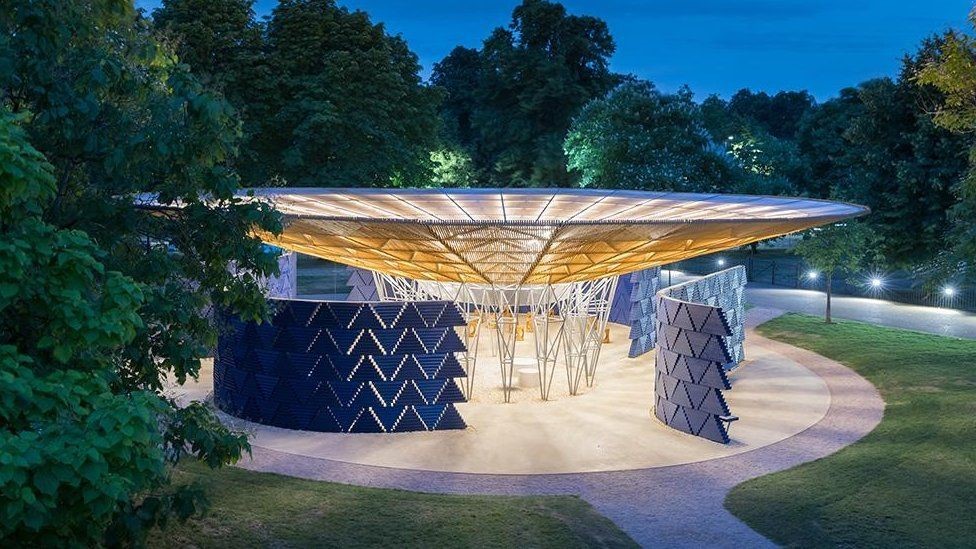
Beyond his designs in Burkina Faso, the award-winning architect has also designed permanent and temporary structures across Europe and the United States, such as London’s 2017 Serpentine Pavilion.

Serpentine Pavilion

Each year, the Serpentine Gallery invites an international architect to build their first-ever London edifice on its grounds.

His inspiration for the design was the trees in his home village of Gando, with structures that sought to connect the visitors with the surrounding nature, according to the Serpentine website.

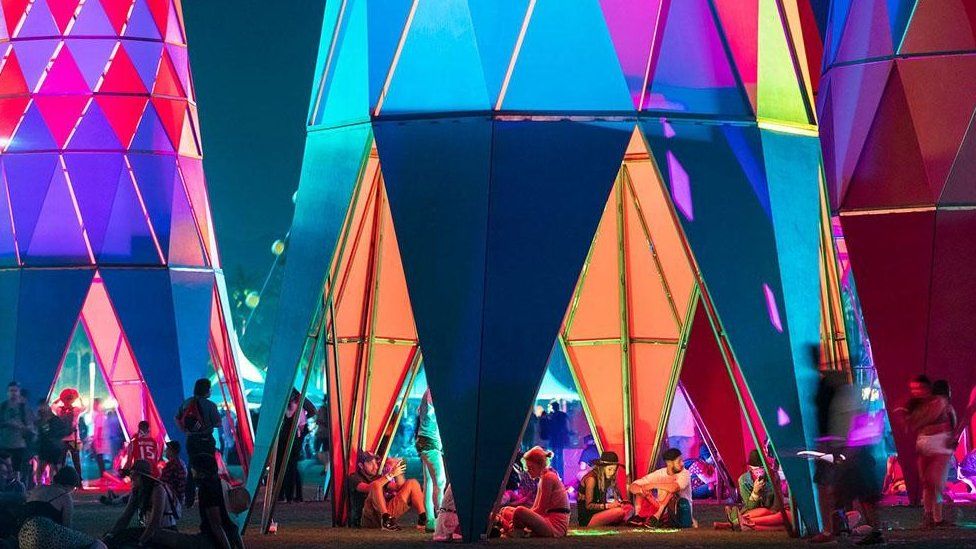
Mr Kéré has also done designs for the famous Coachella Valley Music and Arts Festival, which runs each year in California and attracts celebrities and big names in the entertainment industry with Billie Eilish, Swedish House Mafia and Kanye West among those set to perform this year.

Mr Kéré’s design for the 2019 festival was named Sarbalé Ke, which means House of Celebration. His inspiration for the structure was the Baobab tree, which has a hollow interior bark.

Mr Kéré’s ongoing architectural works include parliament buildings in both Burkina Faso and Benin. Although unfinished, the designs once again demonstrate his signature use of light.

Culled from BBC

Sport

Burkina Faso are through to the quarter finals of the 2021 Africa cup of Nations, Afcon, ongoing in Cameroon.

Burkina Faso won on penalty after playing a 1-1 draw with Gabon in regulation time.

Burkina Faso had the opportunity to take the lead in the 18th minute when they were awarded a penalty but star man Bertrand Traore missed his spot kick.

Bertrand Traore was not to be denied, however, in the 28th minute when he calmly slot pass the Gabonese goalkeeper to put Burkina Faso ahead.

Gabon defender, Sydney Obissa was sent off in the 67 minute after picking his second yellow of the game, but an own goal by Adama Guira in the 91st minute gave the Gabonese side an equaliser and took the game into extra time.

After 120 minutes of action, the match went into penalties and Burkina Faso won by 7-6 to set up an encounter with either Nigeria or Tunisia.

Oluwakayodeayode Banjo