A Nigerian varsity, Babcock University in Ogun State, has introduced a new and stricter dress and grooming code for its students ahead of forthcoming examinations, banning dreadlocks, beards, and other unapproved hairstyles.

In a statement issued on Wednesday and signed by the Vice President for Student Development, Olanivi Arije, the university announced the cancellation of all hair-pass permits previously in circulation.
According to the statement, hair-pass tags — documents issued to students as waivers for certain hairstyles — are illegal and do not grant any valid or legitimate right to keep unapproved hairstyles on any of the university’s campuses.
The management declared that “the use, circulation, or recognition of hair-pass in any form is henceforth outlawed at Babcock University with immediate effect”.
It added that the new regulations will take effect from the beginning of the second semester in January and will be strictly enforced across all campuses.
“Students currently in possession of any form of hair-pass or exemption are directed to disregard and discontinue its use immediately. Any student found presenting, using, or relying on such a document shall be investigated for the violation of University regulations and, if found liable, shall face the inevitable consequence accordingly,” the statement said.
The university further stated that male students are prohibited from keeping voluminous or unkempt hair, beards and dreadlocks, while female students are not permitted to wear extreme, indecent or inconsistent hairstyles.
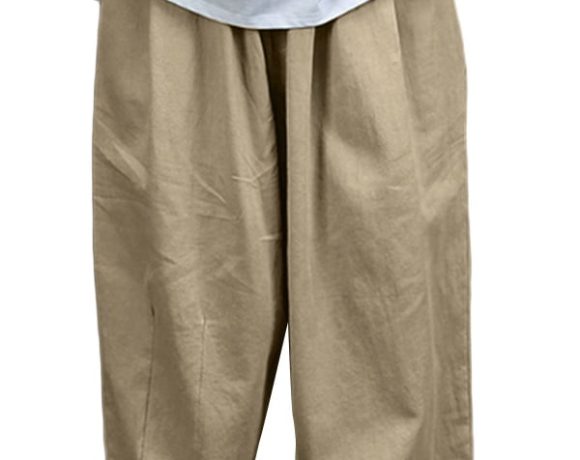
It also listed body-hugging outfits, sleeveless blouses or dresses, sagging trousers, as well as baggy, boot-cut or over-length trousers as prohibited.
This policy follows a trend among Nigerian universities, like Benue State University, BSU, Obafemi Awolowo University, and Adekunle Ajasin University, which have also implemented strict dress codes, sparking debate and controversy over personal expression and student discipline.


The management added that tying scarves to corporate or official academic wear is not allowed at certain times, while outfits such as bubu, danshiki, joggers, sportswear or walk-out wear are banned during stipulated periods.
Babcock warned that any student found in possession of prohibited items on campus would face disciplinary action.
“The University will not entertain excuses, appeals or claims of ignorance. All students are expected to resume fully compliant with these regulations,” the statement added.
Culled/Adetutu Adetule
Follow us on Telegram and YouTube, and join our WhatsApp Update Group for more news updates.