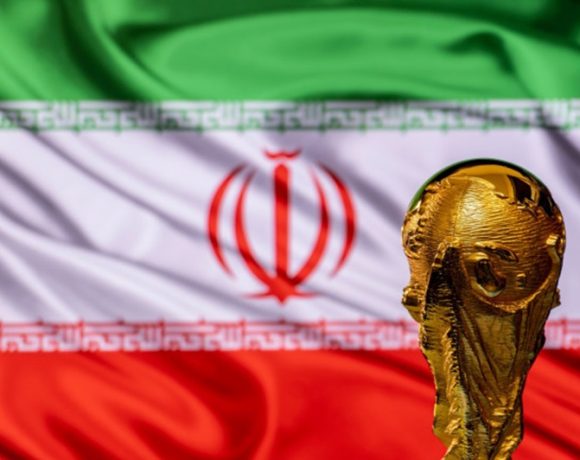
Iran has asked FIFA to move its 2026 World Cup games from the United States to Mexico due to the conflict in the Middle East, Iran’s embassy in Mexico.
Iran’s participation at this summer’s finals in the United States, Canada, and Mexico has been thrown into doubt since the war began late last month.
“When US President Donald Trump has explicitly stated that he cannot ensure the security of the Iranian national team, we will certainly not travel to America,” Iranian football Chief Mehdi Taj said in remarks posted on the embassies X account.
“We are currently negotiating with FIFA to hold Iran’s matches in the World Cup in Mexico.”
Iran are scheduled to face New Zealand and Belgium in Los Angeles, followed by Egypt in Seattle.
The team’s base camp for the tournament is currently slated to be located in Tucson, Arizona.
Abolfazl Pasandideh, Iran’s ambassador to Mexico, on Monday denounced “the US government’s lack of cooperation regarding visa issuance and the provision of logistical support” for the Iranian delegation ahead of the World Cup, in a statement published on the embassy’s website.
He added that he had also “suggested to FIFA that Iran’s matches be moved from the United States to Mexico.”
FIFA did not immediately respond to a request for comment.
Trump triggered uproar last week after stating that while Iran’s football team would be “welcome” in the United States, they should not travel to the tournament “for their own life and safety.”
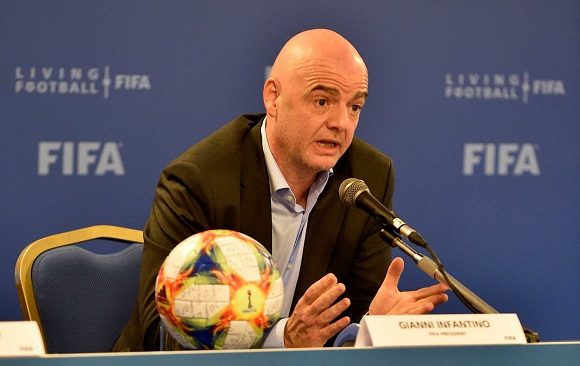
Trump’s comments came after FIFA president Gianni Infantino had given assurances that Trump had promised him that the Iranian team would be welcome.
Iran hit back at Trump’s comments saying “no one can exclude Iran’s national team from the World Cup.”
Iran’s place at the tournament was thrown into question after the United States and Israel launched a massive offensive against the Islamic Republic, which responded with waves of missiles and drones targeting Israeli territory and American targets across the Middle East.
Festus Onigbinde was one of the most influential figures in the development of modern football in Nigeria and a respected technical authority in African football.
Renowned as a tactician, educator and sports administrator, his career spanned several decades, during which he contributed significantly to the growth of football in Nigeria and across the continent.
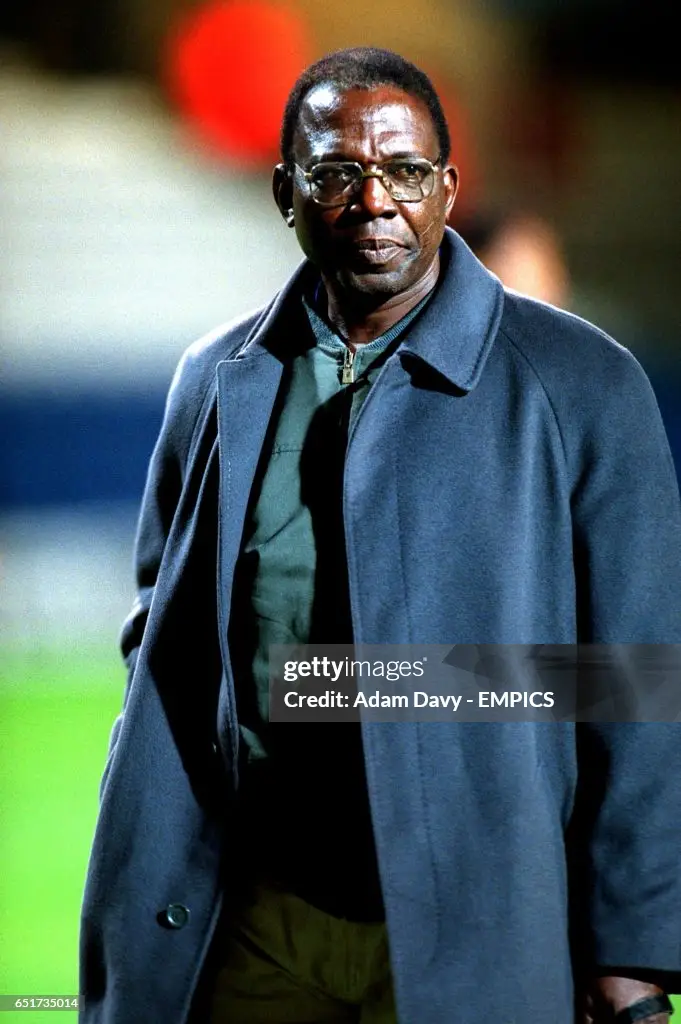
International Soccer – Friendly – Paraguay vs Nigeria, March 26, 2002 Adegboye Onigbinde, Nigeria Coach (Photo by Adam Davy/EMPICS via Getty Images)
Born in 1937, Onigbinde began his involvement in football as a player before transitioning into coaching, where he built a reputation for discipline, tactical organisation and emphasis on youth development.
His coaching career was closely associated with Shooting Stars Sports Club of Ibadan, one of Nigeria’s most successful football teams.
Under his leadership, the club became a dominant force in Nigerian football and earned continental recognition, helping to elevate the profile of club football in the country.
Onigbinde’s most historic contribution came when he became the first indigenous Nigerian to coach the national team, Nigeria national football team, serving between 1983 and 1984 at a time when foreign coaches largely dominated the role.
His appointment marked a turning point for local coaching development in Nigeria.
Nearly two decades later, he returned to the national team and led Nigeria to qualification for the 2002 FIFA World Cup in South Korea and Japan, marking his second tenure as Super Eagles coach.
Though the team did not progress beyond the group stage, his tenure emphasised discipline, technical organisation and the promotion of domestic players.
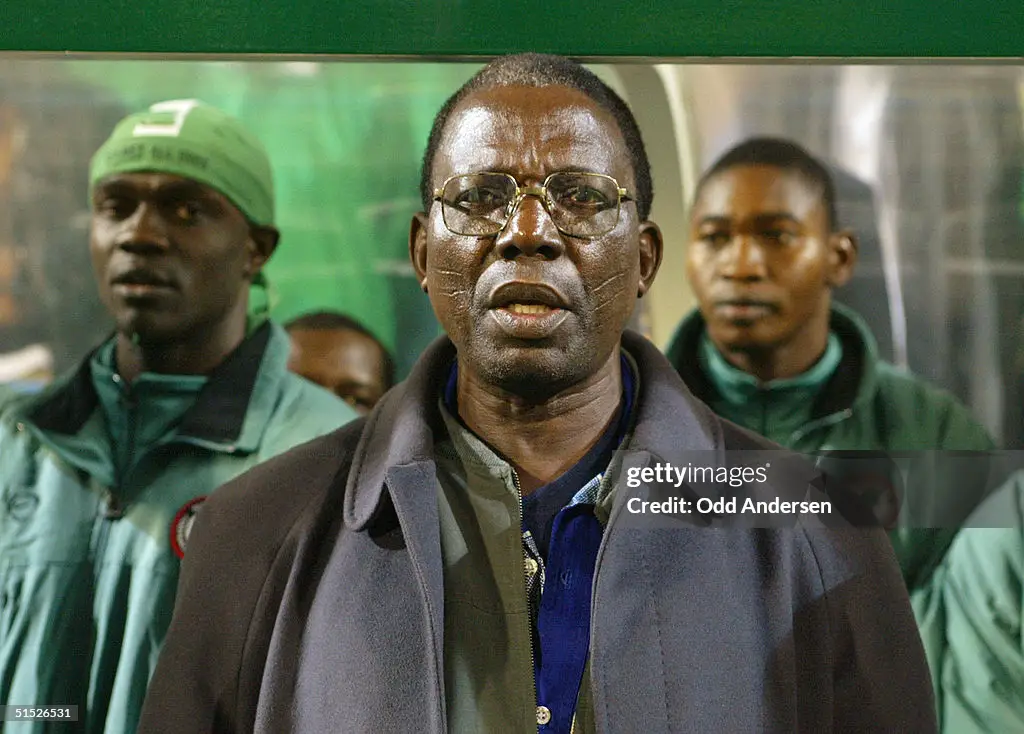
LONDON, UNITED KINGDOM: Portrait of Nigerian national soccer team coach Festus Adeboye Onigbinde, taken 26 March 2002 at Loftus Road stadium in London before the start of the friendly soccer match against Paraguay ahead of the 2002 World Cup in Korea and Japan. (Odd Andersen/AFP via Getty Images)
Beyond the touchline, Onigbinde played a significant role in football governance and technical development at continental and global levels.
He served as a Technical Instructor and Coaching Educator for the Confederation of African Football (CAF), where he was involved in training and mentoring football coaches across Africa.
He was also appointed as a member of the Technical Study Group of FIFA, a body responsible for analysing matches and providing technical insights during major international tournaments.
In addition, he served as a CAF Technical Committee member, contributing to policy discussions and development strategies for football on the continent.
Within Nigeria, Onigbinde also played advisory roles in sports administration and was widely respected as a football scholar who advocated structured planning, technical education for coaches and stronger grassroots development.
Outside football administration, he remained active in community leadership and traditional institutions as a High Chief of Modakeke in Osun State, combining his influence in sports with community service and youth development.
Throughout his lifetime, Festus Onigbinde remained a strong advocate for professionalism, discipline and indigenous expertise in football management.
His legacy endures as one of the pioneers who helped lay the technical and administrative foundations of Nigerian football and contributed to the broader development of the game in Africa.
Career Dateline: Major Achievements of Festus Onigbinde
1937 – Born in Nigeria; later rose to become one of the country’s most influential football tacticians and administrators.
1970s – Began building his reputation in Nigerian club football as a coach and technical strategist, particularly with Shooting Stars Sports Club, helping the club establish itself as a dominant force in Nigerian football.
1983–1984 – Appointed first indigenous coach of the Nigeria national football team, breaking the long-standing reliance on expatriate coaches and marking a major milestone in Nigeria’s football history.
1980s–1990s – Served in various technical and advisory capacities in Nigerian football, mentoring coaches and advocating for the development of structured grassroots programmes and local technical expertise.
1990s – Became a Technical Instructor for the Confederation of African Football (CAF), training and mentoring football coaches across Africa and contributing to coaching education programmes on the continent.
1990s – Appointed member of the Technical Committee of Confederation of African Football, contributing to policy discussions and technical development strategies for African football.
Late 1990s–2000s – Served as a member of the Technical Study Group of FIFA, where he participated in the technical analysis of international tournaments and helped shape coaching insights and tactical studies used globally.
2001–2002 – Reappointed coach of the Nigeria national football team and successfully guided Nigeria to qualification for the 2002 FIFA World Cup in Korea and Japan.
2000s – Continued to serve as a respected football educator, technical analyst, and sports administrator, advocating professionalism, long-term planning and grassroots football development in Nigeria.
Later Years – Recognised as a High Chief of Modakeke, Osun State, combining traditional leadership with youth and sports development advocacy.
Legacy
Festus Onigbinde is remembered as:
Nigeria’s first indigenous Super Eagles coach
A CAF coaching instructor and football educator
A member of FIFA’s Technical Study Group
A mentor to generations of African coaches
One of the pioneers of indigenous football management in Nigeria
His contributions helped establish the credibility of Nigerian coaches and strengthened technical development within African football.
Super Eagles head coach, Eric Chelle, has unveiled a 24-man squad including captain, William Troost-Ekong, striker, Victor Osimhen, and goalkeeper Stanley Nwabali ahead of next week’s decisive 2026 FIFA World Cup African Play-off Tournament in Rabat, Morocco.
Three matches will be played by knock-out system in the format of semi-finals and final.
The semi-finals will take place on Thursday 13 November and the final on Sunday 16 November.
Also making the list are full-back Bright Osayi-Samuel, Calvin Bassey, and 89-cap midfielder Alex Iwobi, alongside rising defensive sensation Benjamin Fredericks.
Midfielders Frank Onyeka and Wilfred Ndidí also joined Samuel Chukwueze and Ademola Lookman in a squad brimming with pace, power, and technical quality.
Nigeria faces Gabon in the first semi-final at the 22,000-capacity Complexe Sportif Prince Héritier Moulay Al Hassan, while Cameroon lock horns with DR Congo at the 18,000-seat El-Barid Stadium, both in Rabat.
Chelle has also recalled goalkeeper Maduka Okoye and winger Chidera Ejuke, while midfield Raphael Onyedika, plus forwards Tolu Arokodare, Jerome Akor Adams, and Olusegun Olakunle, strengthen the attacking options.
Defender Semi Ajayi is suspended for the semi-final after accumulating two yellow cards during the qualifiers.
The players are expected to arrive in Morocco from their respective bases across Europe and beyond, converging on Rabat on Monday, November 10 as the Eagles begin their push for World Cup qualification.
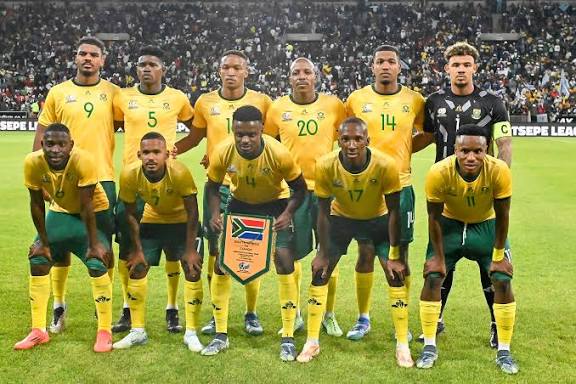
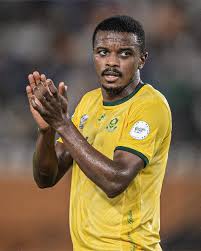
The FIFA Disciplinary Committee has sanctioned the South African Football Association (SAFA) for fielding an ineligible player, Teboho Mokoena, in the South Africa versus Lesotho match played on 21 March 2025 in the FIFA World Cup 2026 preliminary competition.
According to a statement by FIFA, the act breached article 19 of the FIFA Disciplinary Code (FDC) and article 14 of the FIFA World Cup 2026 Preliminary Competition Regulations.
Consequently, the FIFA Disciplinary Committee has declared the match in question to have been forfeited by the representative team of South Africa by a score of 3-0.
SAFA has also been ordered to pay a fine of CHF 10,000 to FIFA, while Teboho Mokoena has been issued with a warning.
The parties were notified of the terms of the FIFA Disciplinary Committee’s decision on Monday.
In accordance with the relevant provisions of the FDC, they have ten days in which to request a motivated decision, which, if requested, would subsequently be published on legal.fifa.com.
The forfeiture decision remains subject to a potential appeal before the FIFA Appeal Committee.
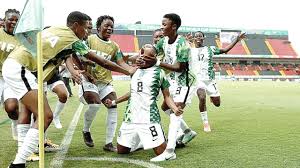
Oyo State government has announced no gate fee for Falconets match against Rwanda U-20 team, slated for Saturday, September 27th, at the Lekan Salami stadium Adamasingba, Ibadan.
The State Commissioner for Youth and Sports, Wasilat Adegoke, disclosed this while briefing newsmen on the preparations towards the FIFA World Cup qualifier match.
She said a projected audience of about 20,000 Falconets fans were expected to watch the match at the stadium.
According to the Commissioner, hosting the match at the Lekan Salami stadium Ibadan would make Ibadan “once again shine as a centre of culture and unity.
Adegoke said the gesture reflected the commitment of Governor Seyi Makinde to ensure inclusiveness “and to give every football loving Nigerian, especially our people in Oyo state the opportunity to be part of the global event.”
She, therefore, called on the people of the state to come out in their numbers to fill the stadium to capacity and cheers Falconets to victory.
The State Government had last Tuesday approved the sum of N110million for camping and hosting of the match.
The adjudicatory chamber of the independent Ethics Committee has banned Mr Jonathan Bukabakwa, a former youth coach at clubs of the Urban Football Agreement of the regions of Lipopo and Malebo in Congo DR, from all football-related activities for 20 years.
Mr. Bukabakwa was banned after having found him guilty of sexually abusing a minor football player and in addition, the adjudicatory chamber imposed a fine of CHF 100,000 on Mr Bukabakwa.
According to a statement issued by FIFA, the case arose following serious allegations related to the sexual abuse of minors in the Congo DR Football Association (FECOFA) that were made on several media platforms, in which various football coaches of different regions and leagues in Congo DR were accused of having abused minor players.
FIFA had earlier this year, suspended Mr Bukabakwa for five months.
It states further that, in deciding the case, the adjudicatory chamber took into account the evidence collected during the investigations and was comfortably satisfied that Mr Bukabakwa had breached article 24 (Protection of physical and mental integrity) of the Code of Ethics and the terms of the decision were notified to Mr Bukabakwa on Friday, October 2023, the date on which the ban comes into force, and will be followed by the notification of the grounds within the next 60 days in accordance with the FIFA Code of Ethics.
The statement adds that the decision taken by the adjudicatory chamber was in line with FIFA’s zero tolerance approach to all forms of abuse in football.
The world football’s governing body has regularly updated its regulatory framework in recent years to provide greater protection to victims of discrimination and sexual abuse or harassment.
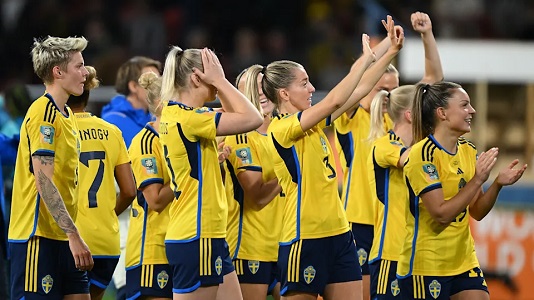
Kosovare Asllani’s stunning second-half strike sealed victory for Sweden as they beat Australia to finish third at the Women’s World Cup.
She rifled in a shot from the edge of the area to add to Fridolina Rolfo’s first-half penalty as Sweden won the bronze medal match for the second World Cup in succession.
Despite the defeat, this represents co-hosts Australia’s best ever World Cup finish but the Matildas were unable to end on a high.
Rolfo’s penalty gave Peter Gerhardsson’s side the lead after a video assistant referee (VAR) check confirmed that Claire Hunt had clipped Stina Blackstenius in the box after 26 minutes.
And on the hour mark, Blackstenius played a superb square ball to Asllani, who stroked in a first-time shot to double their lead.
Australia capture the nations’ imagination
The Matildas’ achievement in finishing fourth cannot be understated in a country where football is not the number one sport.
Their 3-1 semi-final defeat by England was the most watched TV event in Australian history with 11.15 million viewers tuning in.
But they seemed deflated on Saturday and put in a tired performance, with even their talisman Sam Kerr struggling to make an impact on the game – in fact, she had the fewest touches of any player on the pitch in the first half.
Their best chances fell to Hayley Raso and Clare Polkinhorne, but they were both denied by Sweden goalkeeper Zecira Musovic.
Australia, who had only ever reached the quarter-finals once previously, in 2015, were the first hosts to reach the semi-finals since United States in 2003.
Their efforts in this tournament have certainly captured the hearts of the fans in green and gold and the hope will be that that leaves a lasting legacy.
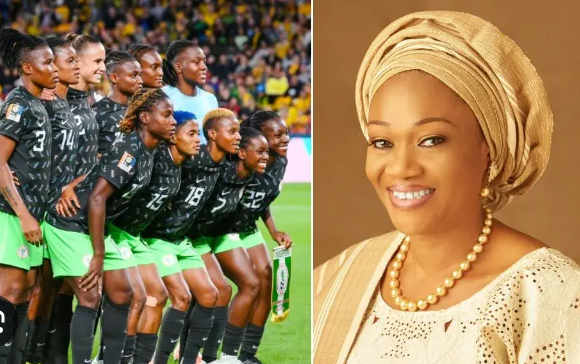
The First Lady, Oluremi Tinubu on Monday received members of the Nigerian female football team, the Super Falcons, at the Presidential Villa, Abuja.
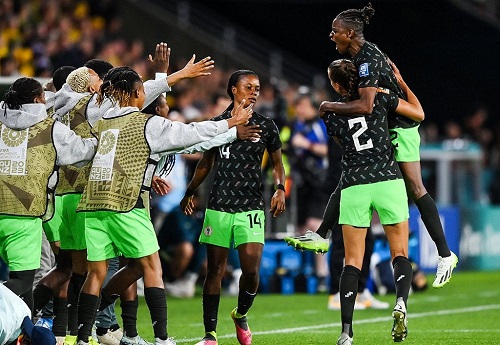
The Super Falcons crashed out of the ongoing FIFA Women’s World Cup co-hosted by Australia and New Zealand, having lost through penalties to the English team, the Lionesses last Monday, August 7.
The First Lady last week held a similar meeting with the Nigeria female basketball team, D’Tigresses.
Super Falcons of Nigeria will today (Monday) face European Champions England in the round of 16 stage of the ongoing FIFA Women’s World Cup in New Zealand and Australia.
The game will kick off at the Suncorp Stadium, Milton, Australia at half past eight in the morning.
The second match of the day will see Co-host Australia battle Denmark at the Stadium Australia at half past eleven in the morning.
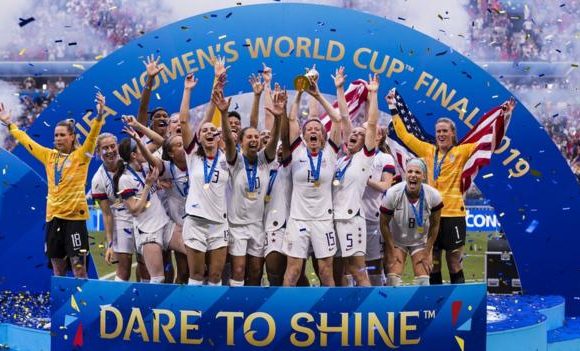
Meanwhile, defending Champions United States of America yesterday crashed out of the tournament, losing 5-4 on penalties to Sweden.
Also, African Champions Bayana Bayana of South Africa got eliminated yesterday after they were beaten 2-0 by Netherlands.
2023 FIFA Women’s World Cup organisers, which starts in 100 days, say they are on course to sell a record 1.5 million tickets.
FIFA general secretary Fatma Samoura said, “FIFA’s mission is to organise the biggest and best Women’s World Cup in history this year”.
As well as targeting 1.5m ticket sales, organisers have predicted the month-long tournament will attract a global television audience of two billion viewers.
FIFA hope more than 100,000 fans will attend the event’s opening day overall when New Zealand play 1995 winners Norway at the 50,000-capacity Eden Park in Auckland while Australia faces the Republic of Ireland at the 83,500-capacity Stadium Australia in Sydney.
32 countries will compete over 64 matches in ten different venues across nine cities in New Zealand and Australia.
FIFA has approved the increase of players for teams participating at this year’s FIFA World Cup to at least 23 and a maximum of 26.
The world football body said the reason for the adjustment was to “retain additional flexibility due to the unique timing of the FIFA World Cup 2022™ in the global calendar, as well as the broader context of the disruptive effects caused by the COVID-19 pandemic on squads before and during tournaments.”
The number of players increased from 22 to 23 at the 2002 edition that held in South Korea and Japan and has remained so until now.
Some other adjustments include the increased number of players on the release list from 35 to 55 which will then be reduced to a maximum of 26.
Last week football’s rules body, IFAB, also approved the permanent use of five substitutes for all top-level matches and said teams can now name 15 substitutes on a team sheet instead of 12.
The Qatar 2022 World Cup is set to hold between November 21 and December 18 2022.
World soccer ruling body, FIFA, has imposed a 150,000 Swiss Franc (about 154,128.75 USD) fine on Nigeria following the unruly behaviour of the fans at the end of the second leg Qatar 2022 World Cup play-off between the Super Eagles and Black Stars of Ghana at the Moshood Abiola Stadium on March 29.
There was reported break of law and order after the ill-fated 1-1 draw encounter as the Black Stars edged Nigeria out of the Qatar 2022 race on the away goals rule.
In a dispatch by FIFA, the body’s Disciplinary Committee decried the poor organisation of the match for lack of order and security at the match, adding there was ‘failure to implement existing safety rules and failure to ensure that law and order are maintained in the stadium, invasion of the field of play and throwing of objects’.
Apart from the 150,000 CHF fine, Nigeria will play its next home match without fans.
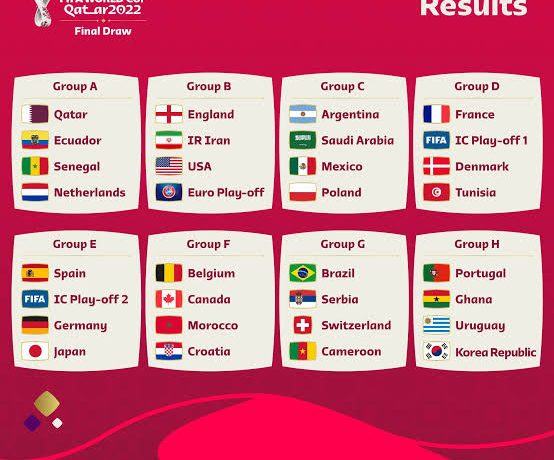
The 2022 World Cup will feature 32 teams in eight groups of four.
Four matches will be played each day during the group stage, which will run over a 12-day period and see winners and runners-up progress to the round of 16.
Matches will only be assigned to particular venues after the finals draw, so organisers can choose optimal kick-off times to suit television audiences in different countries, as well as supporters out in Qatar.
Unlike at Euro 2020, there will be a third-place play-off game on December 17.
Group stage: November 21 – December 2 Round of 16: December 3-6 Quarter-finals: December 9/10 Semi-finals: December 13/14 Final: December 18
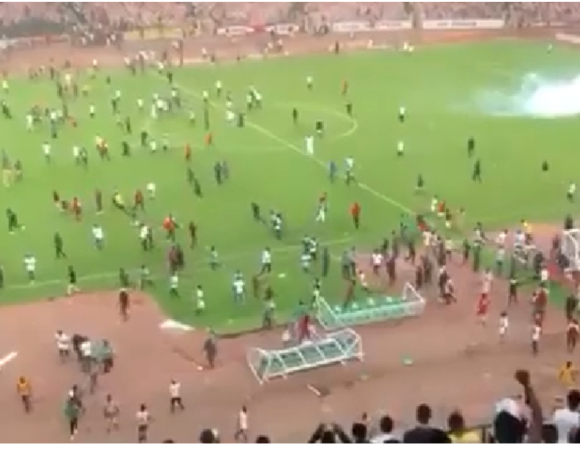
Some angry fans on Tuesday night, vandalised some facilities at the Moshood Abiola Stadium, Abuja, after the Super Eagles failed to qualify for Qatar 2022 World Cup.
Nigeria had played 1-1 with the Black Stars of Ghana in the second leg world cup qualifier.
Ghana qualified for the World Cup with an away goal.
The Angry fans stormed the football pitch after the players have left the pitch and vandalised the facilities of the stadium.
A viral video of the angry fans has gone round the social media, in which security forces employed the use of tear gas to restore normalcy .
Ahead of the decisive encounter, Nigerians had remained in high hope and optimism that the Nigerian side would secure a victory which would earn them the World Cup ticket.
However, the Eagles failed to put up the brilliance expected from them.
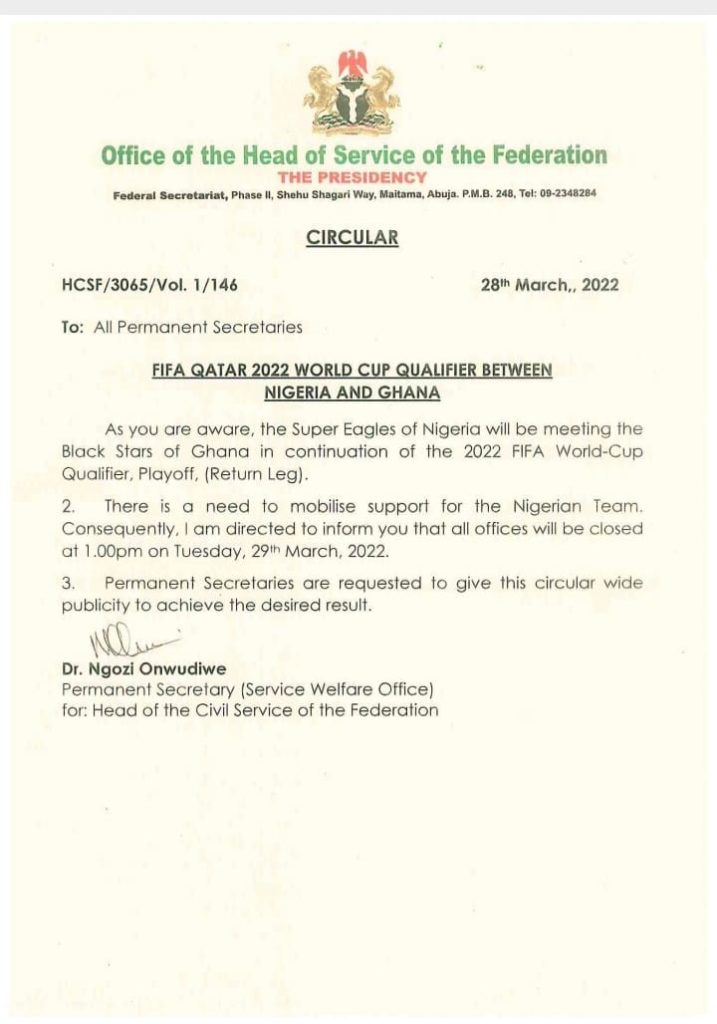
The Federal government has directed all offices to close by 1pm, on Tuesday, March 29.
A circular issued by Permanent Secretary (Service Welfare Office) Dr. Ngozi Onwudiwe, for Head of the Civil Service of the Federation, says this is to mobilise Nigerians for the 2nd leg World Cup qualifier between Ghana and Nigeria at the Moshood Abiola Stadium in Abuja.
The circular notes that there is need to ensure massive support for the Nigerian Team and consequently all offices will be closed by 1 O clock in the afternoon on Tuesday.
The Circular
It calls on Permanent Secretaries to give the circular wide publicity to achieve the desired result.
Head coach, Gateway United football club of Ogun state, Akeem Busari says his team will not leave anything to chance when they take on NPFL leader, Akwa United in Aiteo cup on Wednesday.
The encounter is billed for the FIFA goal project Games Village, Abuja.
Coach Busari said the clash posed a special opportunity for his boys to make the good people of Ogun state proud considering the morale of the players.
He said the players are in the capital city not to glare at the beautiful city but to conquer.
According to the media officer of Gateway United, Moses Ojewumi, the team arrived in Abuja Monday evening, and will have a feel of the turf on Tuesday by 2pm.
FIFA and the United Nations Office on Drugs and Crime (UNODC) have joined forces on the occasion of International Anti-Corruption Day, for a new campaign encouraging football to speak out against match-fixing and to raise awareness about FIFA’s confidential reporting platforms.
Against the backdrop of the ongoing impact of the COVID-19 pandemic on football, and the subsequent economic uncertainty and the higher integrity risk faced by many players and clubs around the world, the new joint campaign by FIFA and the UNODC aims to raise awareness amongst players, coaches and officials about the confidential platforms available to report approaches by suspected match-fixers and to encourage anyone in football who may have been approached to come forward.
Coinciding with International Anti-Corruption Day this year, which centres on need to “Recover with Integrity”, the joint campaign features messages from a range of FIFA Legends, including Sun Wen, Iván Córdoba, Luke Wilkshire, Wael Gomaa, Stipe Pletikosa, Clémentine Touré and Bibiana Steinhaus, who encourage everyone in football to recognise, resist and report any approach to fix a match via FIFA’s confidential reporting platforms.
The Video Assistant Referee, VAR, introduced in football two years ago, has continued to generate controversies among various stakeholders in the soccer world.
Diverse opinions have been made over the impact of the VAR on the round leather game.
In this report, sports reporter, Oluwakayode Banjo examines the controversies surrounding VAR and its impact on the football game.
Video Assistant Referee, VAR, is an assistant referee in football who reviews decisions made by the head referee on the pitch with the use of video footage and headset for communication.
Following extensive trials in a number of major competitions, VAR was first written into the laws of the game by the International Football Association Board in 2018 and the first major tournament it was used was the 2018 World Cup in Russia.
The International Football Association Board decided that penalty decisions, violations during build up play, red card decisions and mistaken identity during red cards and yellow cards, would be major calls the VAR could review.
Since it was introduced at the 2018 World Cup, it has certainly left a mark of controversy on soccer fans all over the globe.
Some high profile matches which witnessed VAR drama included Manchester city versus Tottenham in the 2018-2019 UEFA Champions League quarter final clash, Portugal versus Iran Group B clash in the 2018 World Cup and Senegal versus Algeria in last year’s AFCON final.
Also, in the just concluded 2019/2020 English Premier League season, several match day referees’ call were upheld or overturned by the VAR, with some clubs benefitting while others were left bitter by some cruel and perceived wrong decisions.
These controversies, coupled with the long pause of the game while decisions were being reviewed by the VAR, has made some football managers, former players and pundits call for the scrapping of the VAR.
In separate interviews, soccer lovers in Ibadan bared their minds on the VAR.
A sports analyst, Mr Sunday Agunbiade noted that the introduction of the VAR had given referees a second chance to review decisive actions in the game.
Mr Agunbiade also believed that the VAR had reportedly rendered the job of assistant referees irrelevant.
Speaking on the criticism of the VAR, the sports analyst said the operators of the VAR should be blamed for the controversies.
However, a veteran referee, Alhaji Mohammed Ameenu opined that the VAR had positively affected decision making in football matches.
Alhaji Ameenu said the VAR should not be blamed for perceived controversial decisions, rather the blame should be attributed to the application and expectations placed on the var.
The veteran referee said no matter the technology deployed, there could be no perfect decision in all football matches.
The President of the Sports Writers Association of Nigeria, SWAN, Mr Honour Sirawoo has applauded the Nigeria Football Federation, NFF, on the transparent manner it disbursed the COVID-19 palliative package from FIFA, CAF and other sponsors.
Mr Sirawoo who expressed delight at the 11,580,000, eleven million, five hundred and eighty thousand Naira that was earmarked for SWAN said the NFF was meticulous in ensuring that all the stakeholders in Nigerian football were duly captured.
He further noted that the gesture will in no small way enhance the cordial working relationship between the NFF and other stakeholders especially SWAN, even as he urged all the beneficiaries to make judicious use of the grant.
“The leadership of the NFF has displayed a very high degree of transparency in the manner it handled the COVID-19 palliatives from its various sponsors by ensuring that all the stakeholders in the football development chain were captured.”
“We in SWAN are particularly happy because this recognition will go a long way in ameliorating the impact of the pandemic which has slowed down the economic activities of the country.”
“We thank the President of the NFF, Amaju Pinnick and members of his Board for this well-thought and timely gesture; our members have gone through various degrees of pains following the outbreak of the Coronavirus pandemic, we say thank you NFF” he declared.”
The SWAN President also assured that he will ensure that all the members of the association in its 37 state chapters were given their due from the amount.”
He also urged the NFF to continue to work assiduously in its quest to enhance the development of football in the country “because football has remained one factor that has over the years held Nigerians together”.
The management of Shooting Stars Sports Club, 3SC, of Ibadan, wishes to call on the Nigeria Football Federation, NFF, to allow justice and fairness prevail in its final decision making on the ongoing debate on how to end the 2019/20 season.
In a statement by the club’s Media Officer, Tosin Omojola, the management of rejected the resolution by clubs in the Nigeria Professional Football League, NPFL, calling for the cancelation of the entire season including that of the Nigeria National League, NNL, and other leagues.
“To put the record straight, we state unequivocally, that 3SC as a club, has no business dabbling into the issues of the NPFL, which is a separate league on its own”, the statement adds.
It notes that 3SC has no issue with NPFL clubs’ decision to end the season, using the Point Per Game (PPG) format to determine who wins the league and which teams pick continental tickets, however, the concern is centered on the resolution of the League Management Company or NPFL to call for the cancelation of the 2019/20 season of the NNL.
“We wish to state categorically here that, since the NNL is not an appendage of the NPFL, it has no right whatsoever to take any decision on the running of the NNL, therefore, approving the proposal of the NPFL by the NFF, is unreasonable, disrespectful and infringing on the right of clubs in the NNL”.
The statement further explains that the NFF should know, that giving its nod to the proposal, portends great danger for the Nigerian league, considering the fact that NNL clubs are also part of the league and therefore, deserved to be carried along in decision making as stakeholders.
The club regards the proposal of canceling the season as inhuman, unfair and high level wickedness as it showed that those behind it are less concerned about the 42 clubs participating in the NNL.
“For instance, 3SC as a club, started preparing for the 2019/20 season since a year ago and you will recall that the season did not start until the tail end of October”.
The release says in preparing for the season, human efforts and huge resources were involved and canceling the season, will amount to waste of human efforts and financial resources, pumped in by the financier of the club the Oyo State Government.
“We wonder why and how the risk of embarking on rigours and tortuous journeys to different parts of the country, with attendant insecurity in some places, coupled with taxpayers money spent on the club by its financier, were not considered by the apostles of NNL cancelation”.
The management points out that the money spent on securing the services of players from other clubs, securing licenses through the registration of the players, as well as huge money spent on officials, staff and other logistics for the season could not go down the drain.
Shooting stars management therefore opines that if the NFF eventually approves or accepts the use of PPG in the NPFL, same can be applied in the NNL, a playoff of the two top teams in each group of the NNL can be organized to determine the four clubs that will be promoted to the NPFL and since the NPFL clubs have agreed that no team will be relegated, then there could be a 24 team format just like in the 2017/18 season.
The club while appealing to the NFF to toe the path of honour, honesty and transparency in taking a decision that would be acceptable to every stakeholder in the Nigerian league, which of course include clubs in the NPFL, NNL, NLO and the NWPL for the good of the game and for the sake of fair play, which is the slogan of the world football governing body, FIFA, stresses the need for the Sport Ministry and other relevant bodies concerned to allow justice and fairness to be the order of the day in order to save the nation’s football.