Southern Europe will continue to swelter next week as an intense heatwave shows no sign of abating.
Italy, Spain and Greece have been experiencing high temperatures for several days already.
The Italian health ministry issued a red alert for 16 cities including Rome, Bologna and Florence for the weekend.
The heatwave is expected to continue well into next week, with 48C (118.4F) possible in Sardinia, according to Italian media.
Such a temperature would, however, fall short of the European record high of 48.8C (119.8F) – which was recorded in Sicily in August 2021.
The Italian weather service said Sardinia would be at the “epicentre” of next week’s heatwave – which weather forecasters have dubbed Charon, after the ferryman who delivered souls into the underworld in Greek mythology.
“Temperatures will reach a peak between 19 and 23 July – not only in Italy but also in Greece, Turkey and the Balkans. Several local heat records within these areas may well be broken during those days,” Italian meteorologist and climate expert Giulio Betti told the BBC.
Italy’s government has advised anyone in the areas covered by Saturday’s red alerts to avoid direct sunlight between 11:00 and 18:00, and to take particular care of the elderly or vulnerable.
In Rome, tour guide Felicity Hinton, 59, told the BBC the soaring temperatures combined with overcrowding has made it “nightmarish” to navigate the city.
“It’s always hot in Rome but this has just been consistently hot for a lot longer than normal,” she said.
“My tour guide friends and I are extremely stressed out. People have been fainting on tours and there are ambulances outside everywhere.”
Rome resident Elena, 62 told the BBC that she has noticed a “marked change” in summer temperatures since around 2003, and that they have been growing exponentially since.
Meanwhile, Greece has hit temperatures of 40C (104F) or more in recent days. The Acropolis in Athens – the country’s most popular tourist attraction – was closed during the hottest hours of Friday and Saturday to protect visitors.
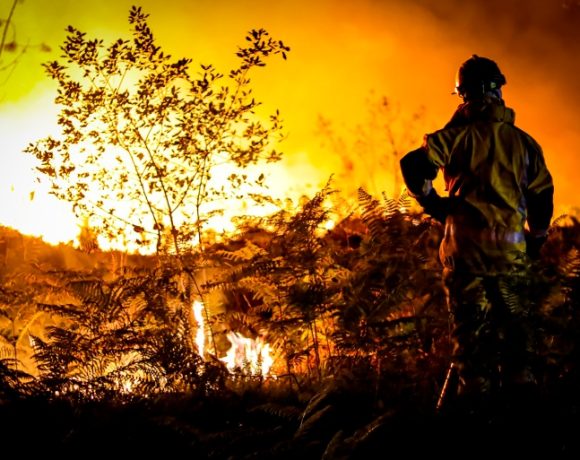
In Spain’s Canary Islands, a forest fire that broke out on La Palma on Saturday morning forced the evacuation of at least 4,000 people and has so far destroyed 4,500 hectares (11,000 acres) of land.
Fernando Clavijo, president of the Canary Islands regional government, said at least 12 houses had been destroyed and attributed the quick spread of the fire to “the wind, the climate conditions as well as the heatwave that we are living through”.
Periods of intense heat occur within natural weather patterns, but globally they are becoming more frequent, more intense and are lasting longer due to global warming.
“Heatwaves increase every year in number and intensity… and they are among the most tangible, evident, documented and clearly observable signs of climate change,” Mr Betti said.
“European summers have gotten much, much hotter in recent years… What should worry us is that summers without intense and prolonged heatwaves simply don’t exist anymore. ‘Normal’ summers have become a rarity.”
Last month was the hottest June on record, according to the EU’s climate monitoring service Copernicus.
BBC/Simeon Ugbodovon
Subscribe to our Telegram and YouTube Channels also join our Whatsapp Update Group