Foreign

Canadian officials are warning of tough days ahead for fighting growing wildfires in Saskatchewan and Manitoba with hot and dry weather in the weekend forecast.

The wildfires have forced thousands to evacuate in the two central prairie provinces, with both this week declaring states of emergency.

In Manitoba, the entire city of Flin Flon has been emptied, except for firefighters and support workers, as a large blaze threatens the community.

Smoke from the fires has triggered air quality alerts in Canada and as far as Chicago, where forecasters say the smell of smoke will be noticeable by Friday evening.

“It’s been another challenging day here in Manitoba,” the province’s premier, Wab Kinew, told the BBC.

Describing the effort to contain the wildfires, Kinew said firefighters were using “water bombers flying overhead” and “helicopters dropping buckets of water”.

“But at the same time, all the smoke in the air is making the evacuation effort that much more difficult,” Kinew said.

Thousands of “tired” and “stressed” displaced Canadians from north Manitoba are currently staying in shelters in the province’s capital city, Winnipeg, he added.

In Manitoba, there are a total of 22 fires burning, according to the province’s fire situation report, with four classified as out of control.

“Our provinces here in Canada are immense,” Kinew said. “By the time somebody makes it to Winnipeg, some of them have been on the road overnight. They’ve had to be on a flight for a few hours and then on a bus for several hours after that.”

There are also air quality advisories in place in parts of the US Upper Midwest, including Michigan, Minnesota, and Wisconsin, affecting an estimated 22 million Americans.

“Conditions maybe unhealthy for sensitive groups and there is a possibility that hourly levels could reach the unhealthy range for a short period of time,” the state of Michigan said on Friday.

The advisories in Michigan and Wisconsin are currently in place until Saturday morning.

Residents in northern Minnesota have been warned smoke could reach levels “unhealthy for everyone”, with the rest of the state facing air quality that could effect those in sensitive groups. That alert runs through Monday evening.

There are 15 wildfires burning in Saskatchewan as of Friday, with the Canadian Interagency Forest Fire Centre (CIFFC) classifying conditions in the province as extreme.

Seven of those fires are not contained, according to data from the province.

housands of people from 16 communities had been forced to evacuate in Saskatchewan this week as a result of the fires.

Overnight, armed forces were also called in to help safely evacuate the northern First Nations community of Pukatawagan.

About 125 firefighters are coming up from the US to help battle the fires in Canada, along with other international crews.

BBC/Adebukola Aluko

Subscribe to our Telegram and YouTube Channels, and also join our WhatsApp Update Group.

Nutrition

By Adebukola Aluko

Welcome to this week’s edition of Nutrition Desk.

A flashback to the last topic we were told to plan our meals and snacks to include nutrient-dense foods.

Today we are going to discuss “Eating and Staying Healthy” during the dry/hot season.

The dry season is generally attributed to a scorching hot day, warm or even hot night.

Dry, dusty air, absence of rainfall are some of the signs that characterize the dry weather which occurs between December and February.

In some parts of the country, the weather could be as intense as biting one’s skin hypothetically, to cause immeasurable discomfort when one is exposed to it.

In most cases, the dry season is hot enough to cause so much discomfort hence the need to get prepared in order to stay healthy during the season.

Staying hydrated is essential for maintaining a healthy intestine, preventing constipation, avoiding kidney stones, and more.

Being properly hydrated also impacts mental performance.

Research shows that as little as a 1-3% loss of body fluid can impair mood, reduce concentration, increase headaches and fatigue, interfere with working memory, and boost anxiety.

We will take a look at how fruits and vegetables whose inclusion in our diet can keep us hydrated and help remedy or address dehydration during the hot season.

A quick look into some selected fruits and veggies is as follows;

Cucumbers

Cucumbers are popular long, lean, and green garden vegetables.

Technically, they’re fruits from the same family as watermelons and pumpkins, but most people consider them veggies.

All that water in cucumbers can help keep one hydrated, plus, the fibre boost they give helps stay regular and avoid constipation.

It contains vitamin K which helps blood clot and keep your bones healthy.

Vitamin A is vital in improving vision, boosting the immune system, and reproduction.

It also makes sure organs like your heart, lungs, and kidneys work the way they should.

The health benefiting polyphenols called “lignans” present in cucumbers may help prevent osteoporosis, heart disease, and some cancers.

Antioxidants such as beta carotene in cucumbers can help fight free radicals in your body, unpaired electrons that damage cells and can lead to disease.

Cucumbers have a mild, refreshing taste and a high water content.

They can help relieve dehydration and are pleasant to eat in hot weather.

People eat cucumber as a savoury food, and for those who do not enjoy drinking water, adding cucumber and mint can make it more attractive.

Cucumbers may also have health benefits outside your body.

Putting them on the skin may help ease sunburn pain, swelling, and damaged skin.

That’s why people sometimes put a slice or two under their eyes, hoping to shrink bags and ease puffiness.

Watermelon

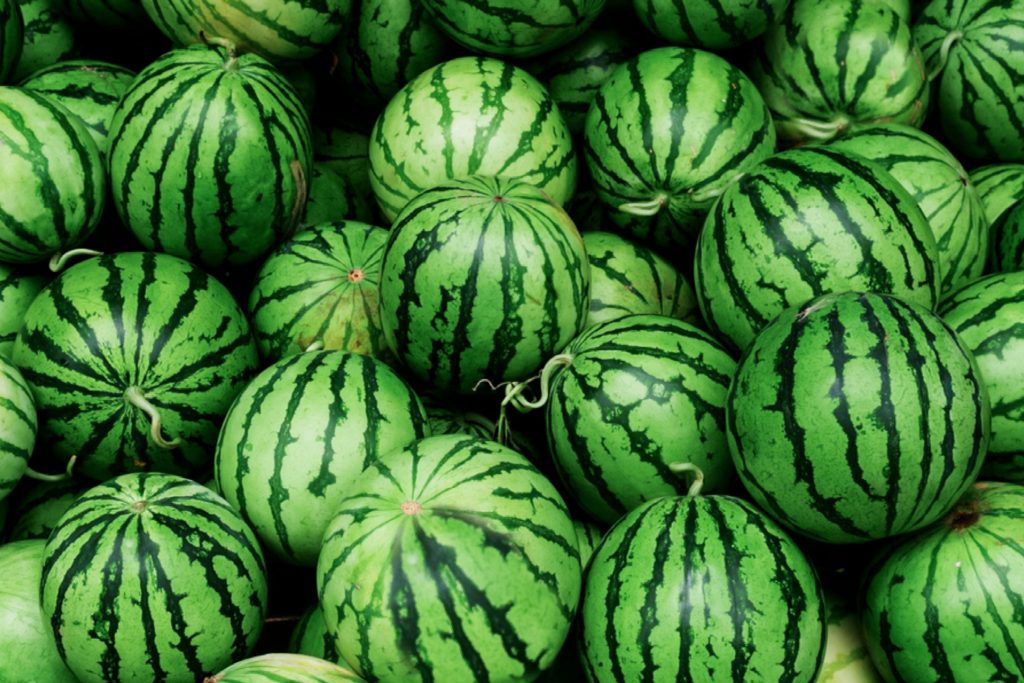
Watermelon is another refreshing fruit full of healthy vitamins that also keep the body hydrated contains 90%water thus making it one of the best sources of hydration.

Watermelon is a deliciously healthy fruit, soaked with nutrients, low in calories and is free of fat.

When eaten in reasonable amounts provides many health benefits. You can eat all parts of the watermelon including the rind and seeds, according to the Healthline website.

Watermelon is a must-have, especially during summers.

No doubt its high water content makes it a strong weapon against heatstroke and other related issues.

It increases urination without stressing the kidneys and also helps regulate body temperature, organ and joint function, metabolism, appetite, and waste elimination.

Berries

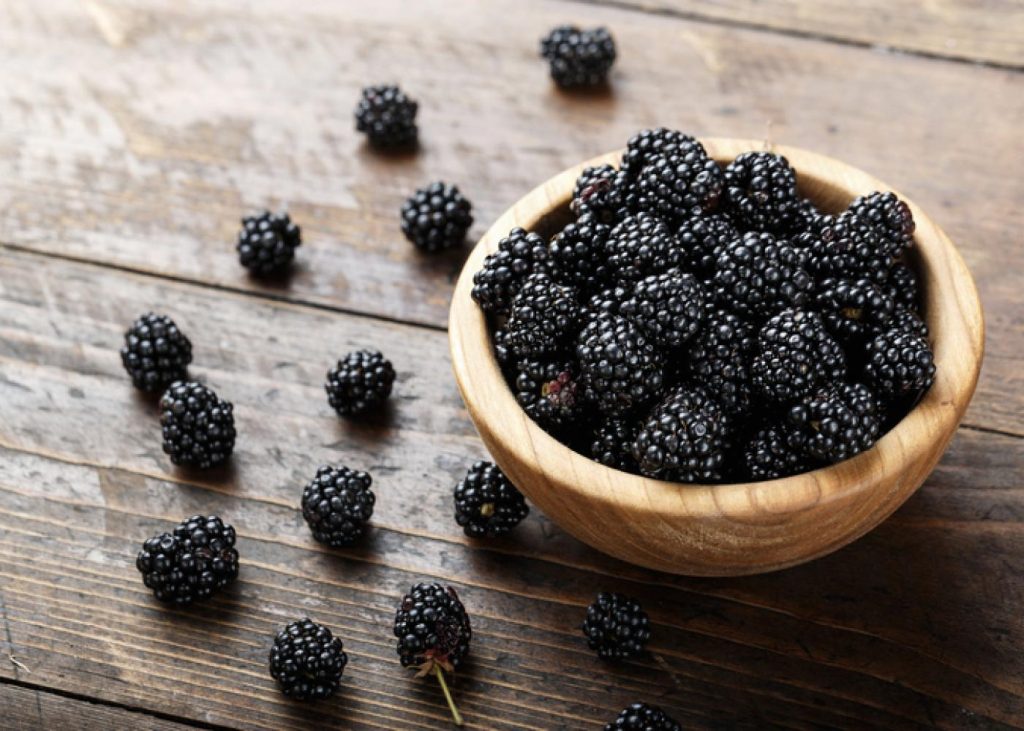
They contain up to 92 per cent water and are rich in anthocyanins, which give them their deep hues and reduce post-workout inflammation and joint pain.

Don’t rely completely on fruit for hydration.

Make sure you’re drinking enough fluids throughout the day, particularly water.

Fruit may provide you with some nutrition and keep your body cool; however, it still isn’t as effective as cold water.

Make sure you drink water in between and along with all your meals.

However, patients with particular ailments can consult their doctors and dietician on how to eat right.

“Remember, you are what you eat, so eat right”.