Politics

BY OLAITAN OYE-ADEITAN

It’s a defining moment in the history of Nigeria as citizens anticipate who their next leaders would be in the next four years.

But one thing appears paramount, a desired change in all spheres of economic life which requires active voices.

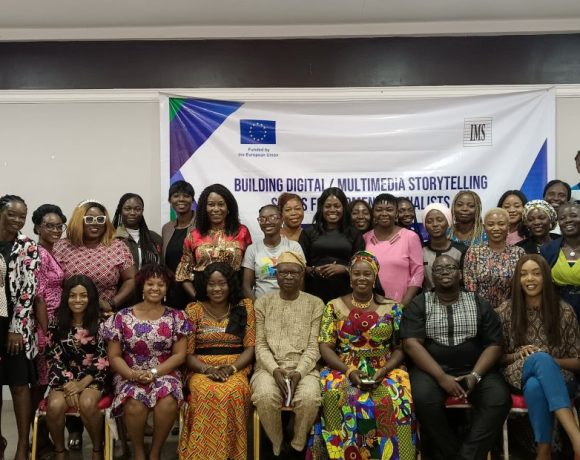
One of the initiatives put in place by the Institute for Media and Society, IMS in achieving this goal is to build the capacity of female Journalists, especially in digital multimedia storytelling skills to be able to participate effectively in the coverage of electoral processes.
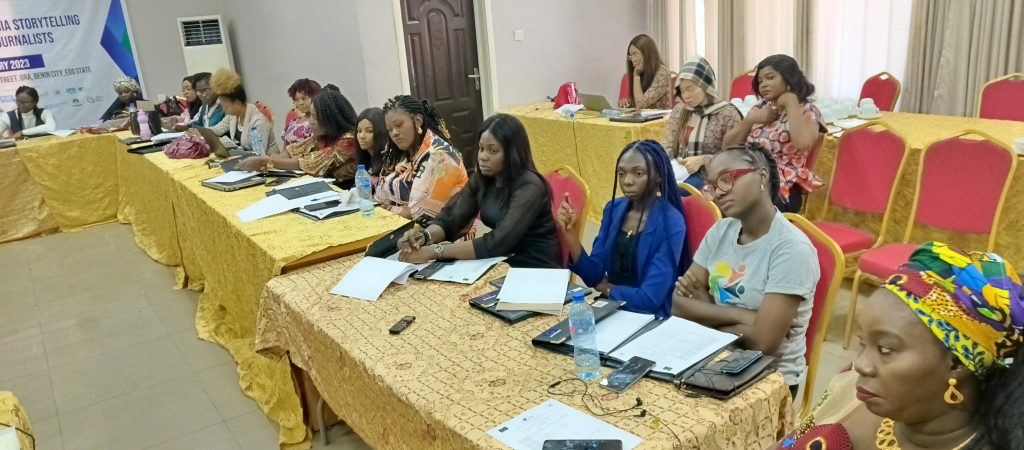
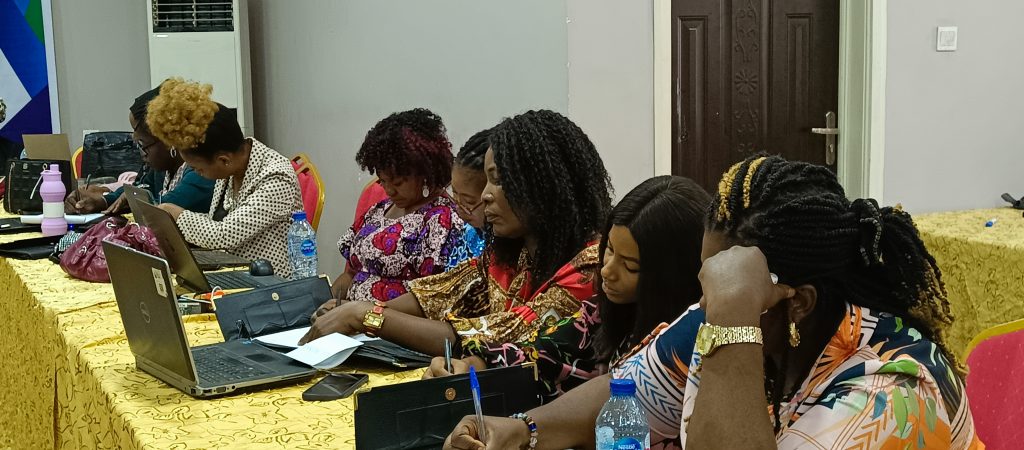
Hence the workshop organised by IMS for female journalists in Nigeria as explained by the Executive Director, IMS, Dr Akin Akingbulu  “We have seen from our engagement and research that women journalists have not been participating as actively as they should in the coverage of the electoral process. One of the reasons behind it is that they also do not have sufficient skills, especially in the digital era that is essential in the coverage of the electoral process”, Dr Akingbulu said.
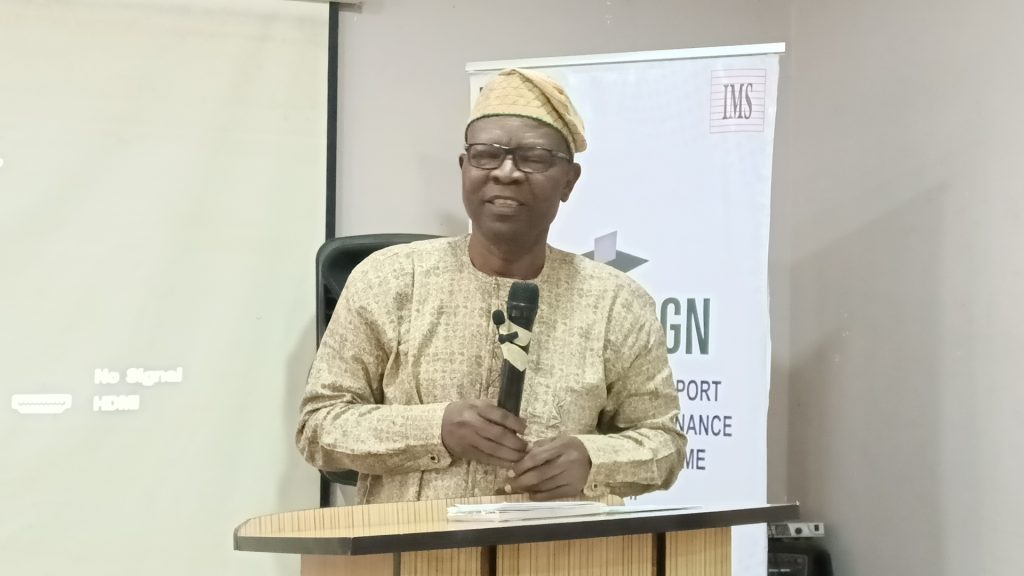
Dr Akingbulu pointed out that enhanced capacity would produce enhanced professionalism.

Project Manager, IMS, Mr Timothy Bamidele explained that the programme was to ensure inclusive, pluralistic and all stakeholders participatory democracy as the 2023 elections draw nearer.
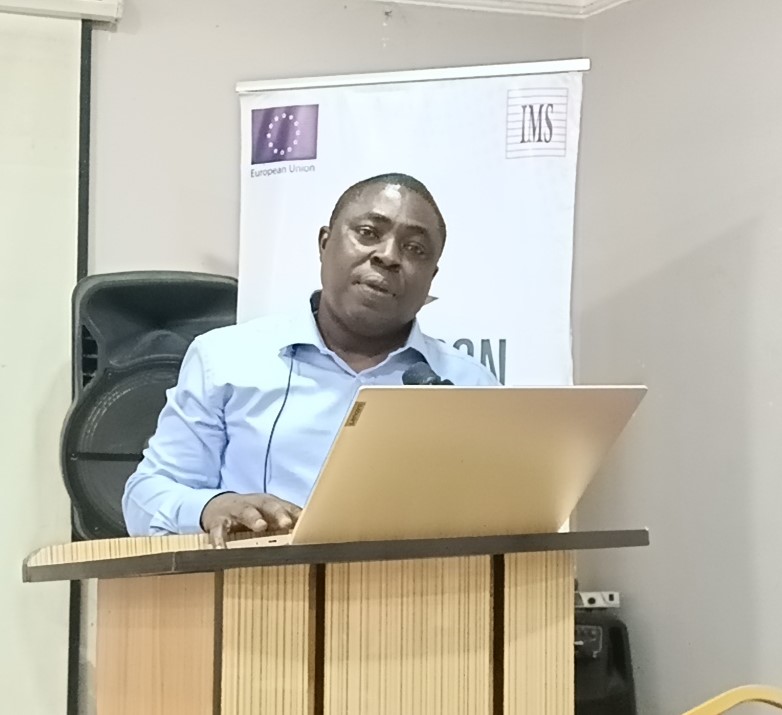
“This is in fulfilment of the European Union’s vision in ensuring that good governance is entrenched in Nigerian.

One of the overall objectives is to deepen inclusion, especially for groups whose voices have not been amplified. Women, youths have been captured so that in all areas of professional development, women should be able to have the voice and contribute their own quota to national development”, Mr Bamidele added.

Participants were taken through impactful and engaging training sessions on digital multimedia storytelling by versatile facilitators, Ehi Ohiani and Cyril Usifo.

Technical Sessions With Ehi
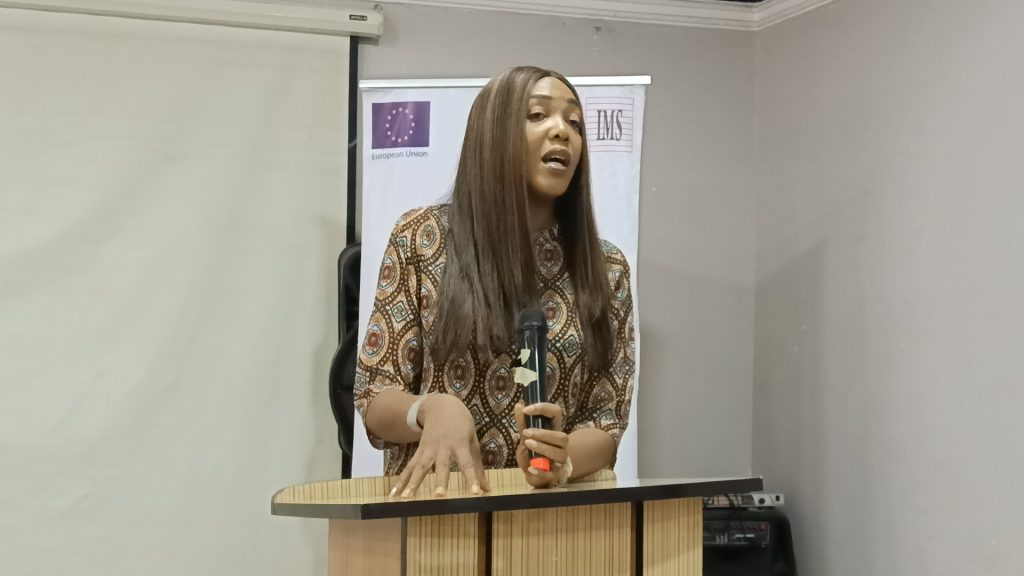
Listening to this tall fair in complexion lady was really captivating.

She combines beauty with brains, dishing out digital methods of telling the public stories in a more interesting manner that would help them to make informed decisions, keep the government on their toes and engender positive change in Nigeria.

Mrs Ehi equally demonstrated ways of handling facilities such as the camera to have excellent images while stressing the need for journalists to uphold integrity in all they do.

Time With Cyril
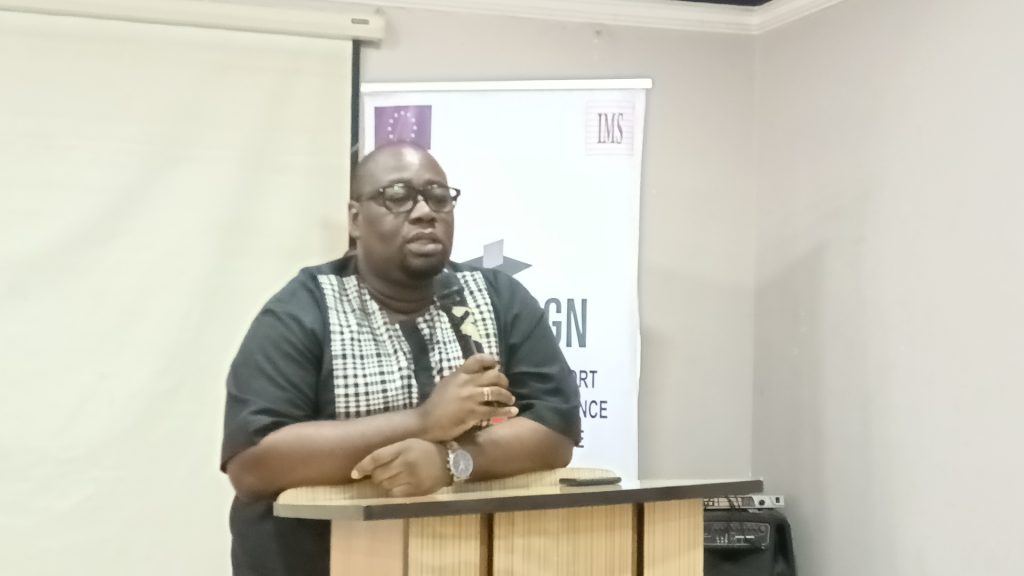
Technical Sessions with Cyril were quite illuminating and interesting.

With the practical demonstration, he opened the eyes of the female journalists to various social media and publishing tools that would assist them in their productions.

Cyril Usifo hammered on the need for women to extend their passion to creating content that would meet the core needs of the audience.

Mr Network

Mr Network was one character some participants could not wait to lay ambush for as it kept evading being caught during an aspect of the workshop.

Participants however attested to the fact that the training would spur them to make significant impacts in their profession.

Olaitan Oye-Adeitan

Subscribe to our Telegram and YouTubeChannels also join our Whatsapp Update Group
Politics

On February 25, 2022, President Muhammadu Buhari signed into law the new electoral act amendment bill.

The electoral law aims at standardizing the nation’s electoral process by ensuring sanity and transparency in the coming elections.

For this goal to be achieved, there is the need for key actors especially the media and political parties to understand the provisions of the law to guide their performance.

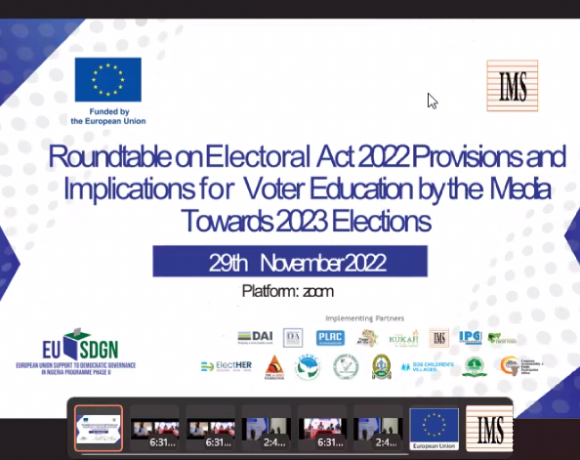
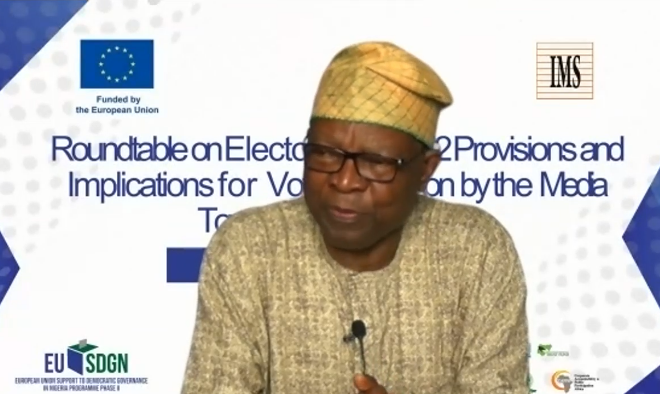
It was on this basis that stakeholders in the electoral process held a virtual roundtable to critically examine the new electoral law to enhance the capacity of the media and other relevant institutions before, during and after the elections.

Convener of the parley and Executive Director, Institute for Media and Society, IMS, Dr Akin Akingbulu explained that the forum was in line with the framework of European Union support to democratic project phase 2:which seeks to strengthen participatory democracy in Nigeria with special focus on the media which is an important component.

“This is important because electoral legislation provides the framework of performance of roles by actors and institutions in the electoral process which includes the media”.

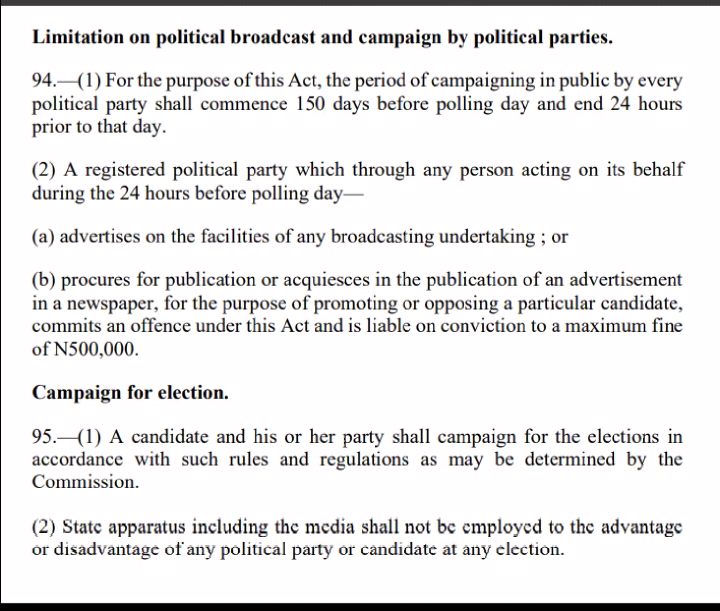
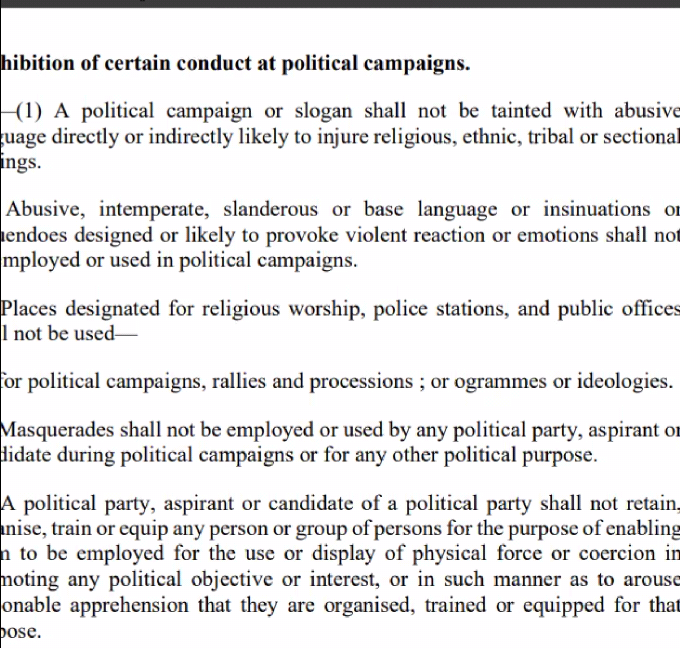
Participants delved into five key sections of the electoral law including section 54, sub-section 1 which gives adequate recognition to people with disabilities, special needs and the vulnerable, section 92, sub-sections 1-5 which prohibits incisive conduct at political campaigns and section 94 subsection 1 which outlines limitation on political broadcast and campaign by political parties 

The forum equally examined section 95 sub-sections 1&2 and section 96.

Participants dwelt extensively on the section that affects persons with disabilities.

Executive Director, Institute for Media and Society, Dr Akin Akingbulu said it would be good if the needs of persons with disabilities were adequately met as stipulated by the law.

Representative of the National Broadcasting Commission, Mrs Stella Erhuumse harped on the need for the media to create awareness on the provisions of the electoral law for persons with disabilities and special needs for their active participation during elections.

“It is the expectation of the National Broadcasting Commission that between now and time for the elections,the media would have done a lot in educating the electorate on this particular provision so that those who are visually impaired and incapacitated would know how they can function during the election “.

In the view of Professor Babatunde Ojebuyi from the University of Ibadan, the Independent National Electoral Commission, INEC,  must put in place certain measures that would encourage and make voting convenient for persons with disabilities.

“For example , INEC should try and produce a separate list at every polling unit for the physically challenged and when they get there, that is where they should go.They should not be listed among other people, otherwise they may be overcrowded, overpowered and they may not have the visibility that we want to give them”.

Lending his voice, the Acting Head of Journalism Department, Lagos State University Dr Tunde Akanni, suggested that INEC should make it possible for the physically challenged to cast their votes at any polling unit nearest to them.

“INEC has its data online in the cloud. All the INEC officials at any of these polling unit needs to do is just ask them for their names, and check up whether they are registered at all and it will bring out their names”.

While examining other sections of the law, another participant, Uzo Enwurum, expressed concern that many political campaigns were characterised by hate speeches despite the prohibition of such by the electoral law.

Reacting to perceived domineering attitude of any  government in power during electioneering,  a member of the academia, Professor Taye Obateru, advised the media to be guided by the provisions of law while performing their duties and not on assumption.

“As professionals, should also try as much as possible not to censor ourselves based on assumptions that our employers or party in power will not be happy with us when we do certain things. Let us be seen to be trying our best to give every party equal opportunity”.

It was also the consensus of participants that adequate security is provided at polling units for all eligible voters .

Olaitan Oye-Adeitan.